
Pilot Whales Swim Alongside Tourist Boat in the Maldives
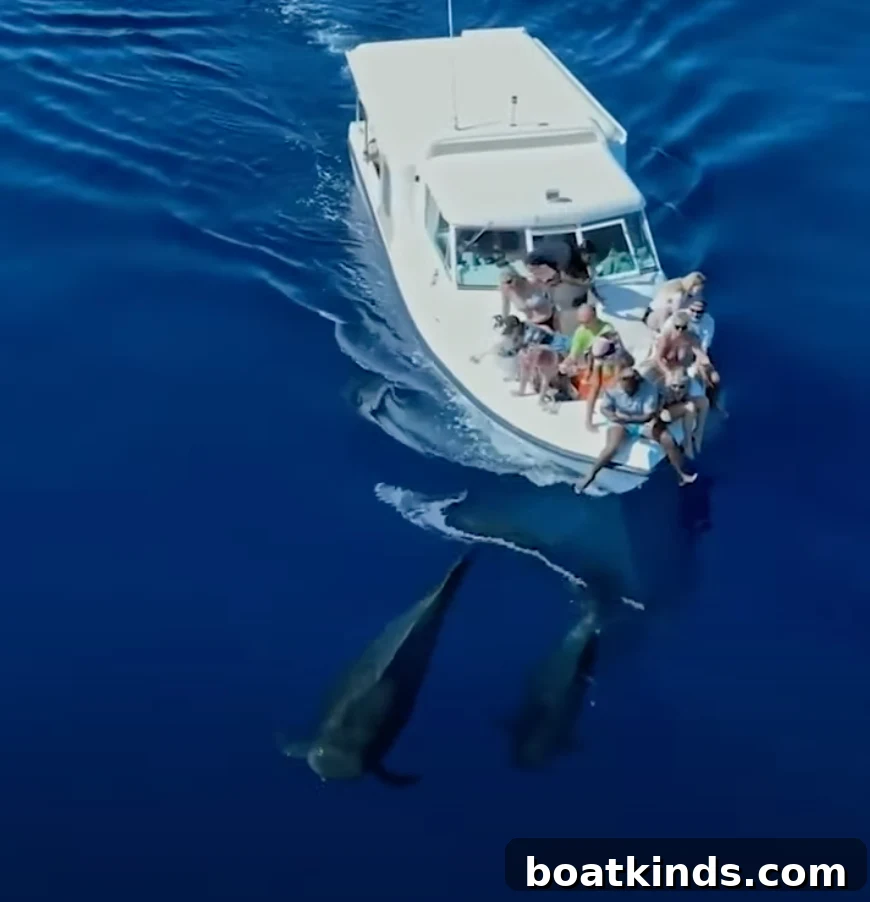
A boatload of tourists aboard Shadowpalm Tours in the Maldives received an unexpected marine encounter when a pair of short-finned pilot whales began swimming close to the vessel’s bow. What started as a routine sightseeing trip turned into a memorable wildlife moment as the whales paced the boat, delighting the passengers and offering an up-close view of these charismatic cetaceans.
Short-finned pilot whales are native to temperate and tropical seas across the Indian, Atlantic and Pacific Oceans and are a species frequently seen around the Maldivian archipelago. Easily identified by their dark, nearly black skin, rounded (“bulbous”) heads and a strongly curved dorsal fin, these whales are social animals that often travel in tight-knit groups. Passengers described the encounter as calm and almost choreographed: the two whales kept steady, parallel positions alongside the boat, moving in sync for several minutes and providing excellent photo and video opportunities.
Shadowpalm Tours shared a short video of the sighting on social media, capturing the pair gliding through turquoise waters while passengers gathered on the bow to watch. Such footage helps highlight the appeal of ocean-based ecotourism in the Maldives—where encounters with dolphins, whales and other marine life are among the most sought-after experiences for visitors who want to observe wildlife in its natural environment.
What Makes This Encounter Special
There are several reasons sightings like this resonate with travelers and conservation-minded visitors alike:
- Close encounters: Seeing pilot whales swim so near a boat gives passengers a rare perspective on size, shape and behavior that cannot be replicated from shore.
- Behavioral display: Pilot whales are social and often exhibit coordinated swimming and close group cohesion, which is visible even when only a few individuals are present.
- Photographic opportunities: Clear Maldivian waters and the whales’ proximity create ideal conditions for photography and short video clips that can raise awareness about marine life.
Responsible Whale Watching
While encounters like this are thrilling, they also underscore the need for responsible whale-watching practices. Keeping a respectful distance when possible, maintaining slow and steady boat speeds, and minimizing noise or sudden movements help reduce stress on marine animals and keep both wildlife and visitors safe. Tour operators that prioritize marine welfare balance unforgettable guest experiences with guidelines that protect the animals and their habitats.
For tour operators, guides and passengers, good etiquette includes observing animals quietly, avoiding attempts to touch or feed wildlife, and following any local regulations or operator policies designed to safeguard marine species. Responsible tourism supports both conservation and the long-term sustainability of wildlife viewing as a local attraction.
Why the Maldives Is a Great Place to See Whales
The Maldives offers a rich marine environment with clear waters, healthy reef systems and deep channels that attract a variety of cetaceans year-round. In addition to pilot whales, the region is known for sightings of different dolphin species, whale sharks and occasionally larger whale species. The concentration of islands and channels creates natural pathways where marine mammals travel and feed, increasing the likelihood of encounters for visitors on well-organized, eco-conscious tours.
This recent Shadowpalm Tours sighting is a reminder of how accessible and awe-inspiring wildlife encounters can be when experienced respectfully. For travelers planning a trip to the Maldives, adding a responsible wildlife-watching cruise to the itinerary offers a chance to connect with marine life, support local guides and create lasting memories of the ocean’s rich biodiversity.