Left for Dead: A Maritime Tale of Shipwreck, Treachery, and Survival
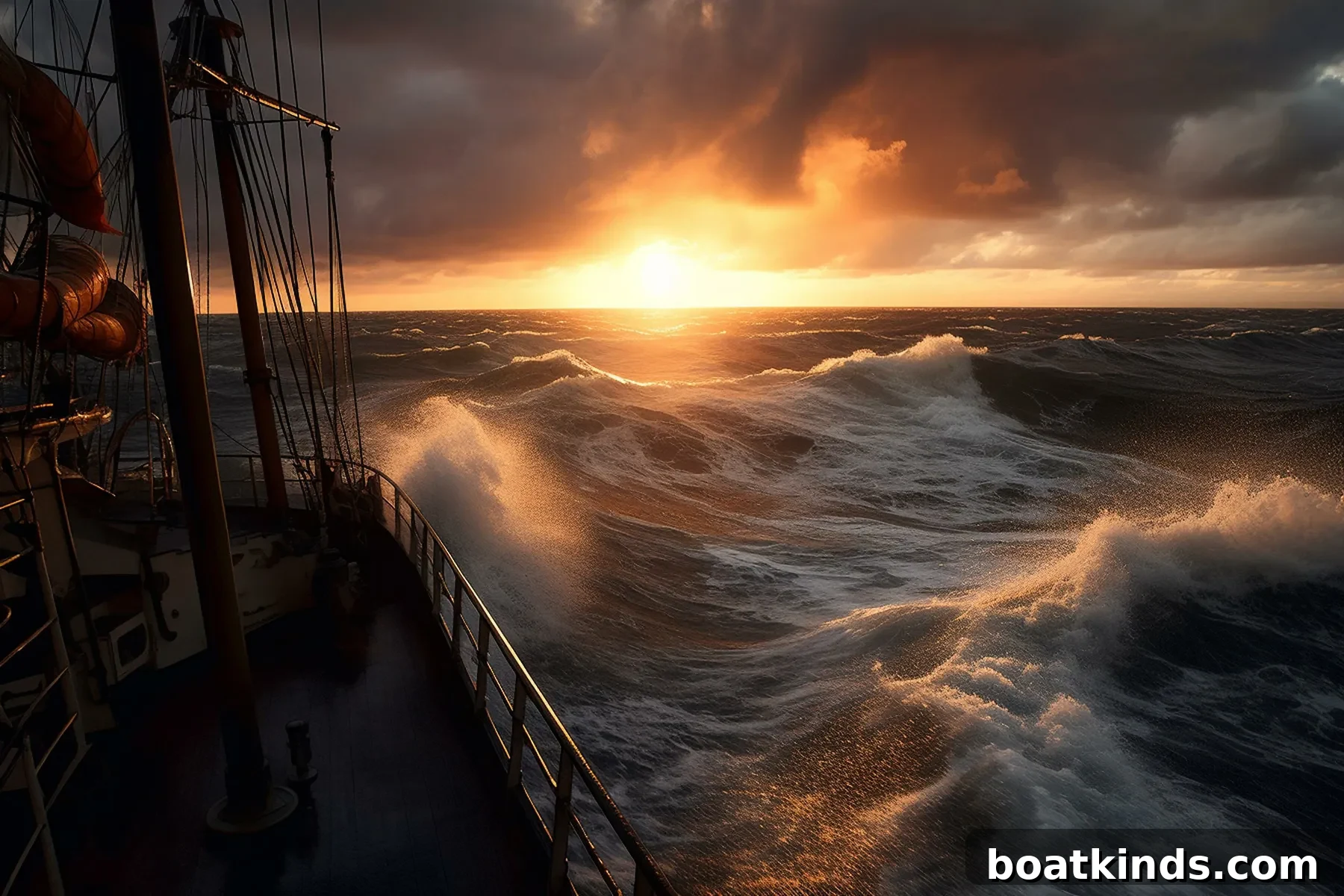
Eric Jay Dolin stumbled on the story by chance while reading an old book filled with maritime anecdotes. One tale from the early 19th century, centered on a man named Charles Barnard, captured his attention and would not let go. As Dolin dug deeper, the episode grew into a gripping account of compassion, politics, and survival at the edge of the known world.
Charles Barnard captained a New York sealing vessel working in the Falkland Islands when he found survivors from a British shipwreck. Despite the fact that the United States and Britain were then at war—the conflict later known as the War of 1812—Barnard agreed to rescue the castaways. His humanitarian action, however, set off a chain of events that turned tragic. A British warship soon arrived, and its commander seized Barnard’s ship, declaring the Americans prisoners of war. Five men were intentionally left ashore. Those five endured extreme hardship, surviving for roughly a year and a half before being rescued by British whalers.
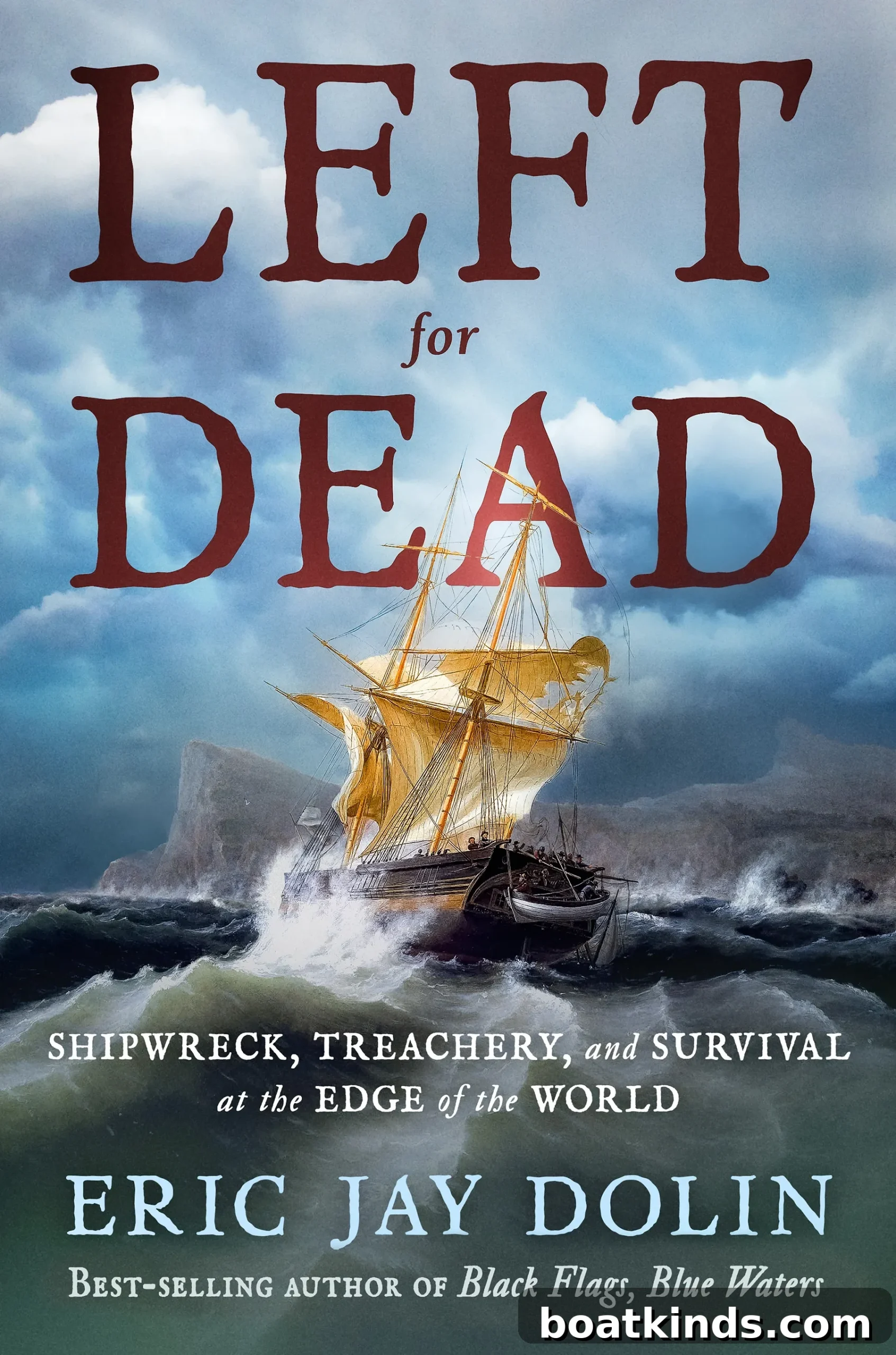
Dolin turned that compact, dramatic episode into his new book, Left for Dead: Shipwreck, Treachery, and Survival at the Edge of the World. The nonfiction narrative is built on extensive archival research—shipping logbooks, personal diaries, contemporary reports, legal papers, and other primary sources—that reconstruct both the human drama and the broader historical currents of the era.
Among the key sources was a 250-page account written by Barnard himself. “That was a good start,” Dolin told Soundings. Multiple crew members kept logs and journals, and the episode produced semi-legal disputes and formal protests from those who believed they had been mistreated. Collectively, these records allowed Dolin to trace conflicting motives, decisions made under pressure, and the consequences that followed.
Dolin’s willingness to follow threads through archives is rooted in a lifelong curiosity about the sea. He studied biology and environmental studies as an undergraduate, later earning a master’s in environmental management from Yale and a Ph.D. in environmental policy and planning from MIT. That academic background supports the careful, source-driven approach he brings to maritime history.

Left for Dead joins a substantial body of maritime scholarship by Dolin. His earlier titles provide deep dives into seafaring life and maritime institutions: Rebels at Sea: Privateering in the American Revolution examines privateers’ role in founding the U.S. Navy; A Furious Sky: The Five-Hundred-Year History of America’s Hurricanes links weather and national history; Black Flags, Blue Waters traces the golden age of piracy; Brilliant Beacons: A History of the American Lighthouse explores lighthouses and industrial growth; and Leviathan: The History of Whaling in America chronicles the whaling industry and the men who sailed it.
His fascination with marine life and the sea began in childhood. Dolin collected shells, joined shell clubs, and published early pieces in a seashell magazine. He still keeps a personal collection—some 400 shells—at his office in Marblehead, Massachusetts. Although he does not own a boat, he occasionally sails as a guest and remains deeply immersed in maritime culture.
Dolin selects subjects that spark his curiosity. The idea to write about pirates, he says, came partly from conversations with his children; their enthusiasm nudged him in that direction. In the case of Left for Dead, the human stakes and moral quandaries of the Barnard episode made it impossible to leave untold.
Stories of shipwreck and survival endure with readers because they confront universal themes: adversity and resilience, cowardice and courage, cruelty and compassion. Dolin cites other enduring maritime narratives—such as Nathaniel Philbrick’s In the Heart of the Sea—as examples of why the public remains captivated by tales of ships lost at sea, the decisions that follow, and the extreme measures people take to survive.
Although strictly nonfiction, Left for Dead reads with a novelist’s momentum. Early reviews praised its tension and narrative drive; Publishers Weekly gave the book a starred review and noted how gripping the account remains from start to finish.
For boaters, historians, and general readers alike, the story reveals human nature exposed by the sea: acts of bravery and kindness, acts of betrayal, and the small decisions that determine life or death. “It’s people acting great, abysmally, and everything in between,” Dolin observes. “It’s like human nature in the raw.”
This article was originally published in the June 2024 issue.