

In a recreational boating world dominated by fiberglass, welded aluminum often gets overlooked despite being the material of choice for many exceptional yachts and countless commercial small craft under 100 feet. Aluminum is also widely used on much larger, high-speed vessels—sometimes exceeding 300 feet—where weight savings are critical to performance.
Aluminum is produced from the ore bauxite and is a silvery-white, ductile metal prized for its combination of corrosion resistance, toughness and strength. It is readily cast and welded, melts around 1,220°F, and weighs roughly 170 pounds per cubic foot—about one third the weight of steel. Strength varies with alloy; marine-grade 5083 H-32 plate, for example, begins to yield at approximately 34,000 psi and fails near 45,000 psi.
Those properties have practical consequences. When an aluminum hull meets a hard surface at speed, the metal tends to stretch and dent before rupturing, giving it a better chance of preserving watertight integrity than many fiberglass hulls. Aluminum’s ductility allows it to deform significantly—on the order of 25 percent—before failure. That permanent deformation zone, sometimes called the plastic region, is one reason aluminum works so well in boatbuilding.
A welded joint in aluminum typically has a reduced strength relative to the parent metal, so builders compensate with backing plates, longitudinal stiffeners and strategic plate butt placement to distribute loads and minimize stress concentrations. The result is a hull that can tolerate beaching or grounding far better than gelcoat-covered fiberglass and is easier to repair after impact.
Another major advantage of aluminum is low maintenance. Above the waterline, an exposed aluminum surface naturally develops a thin, protective oxide film that resists corrosion, often eliminating the need for paint. Bilges are commonly left unpainted as well. While unpainted aluminum may not appeal to everyone aesthetically, its inherent resistance to rust and the absence of ongoing gelcoat maintenance or waxing are compelling benefits for many owners.
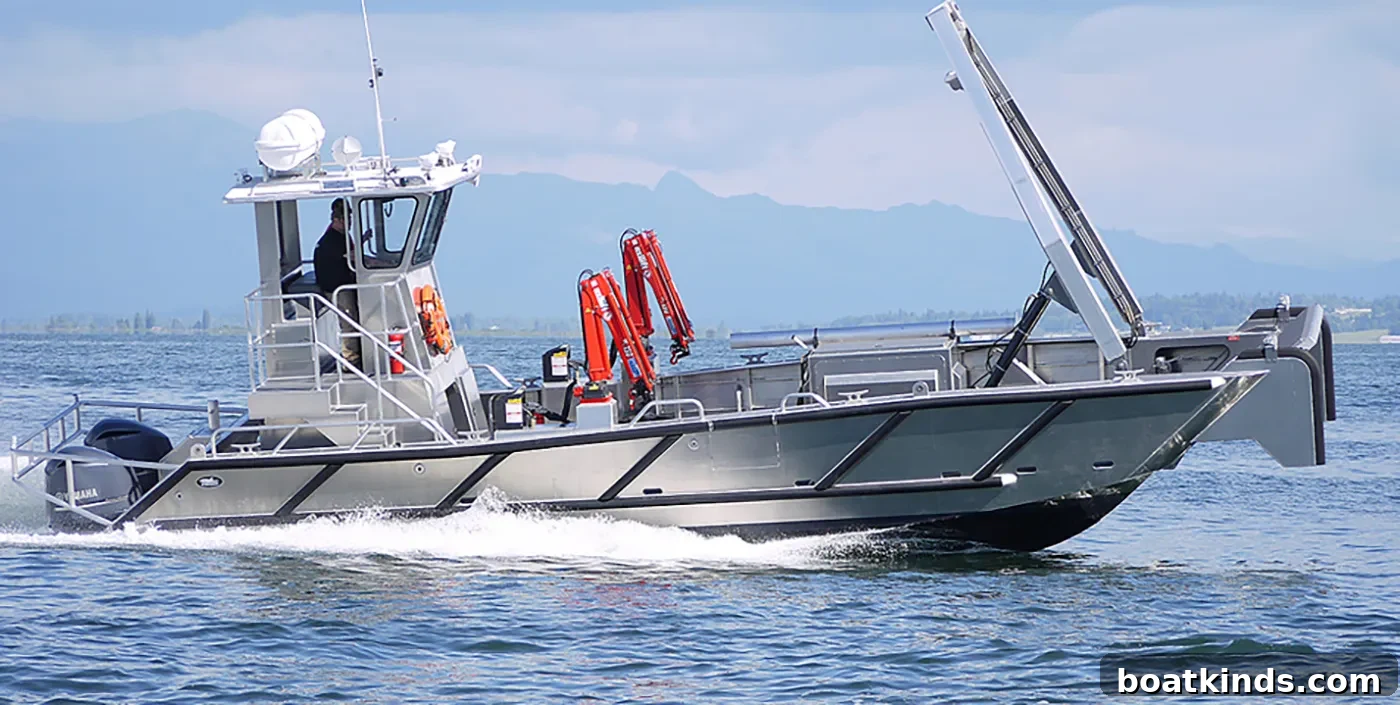
Below are key considerations when evaluating aluminum boats.
1. Aluminum Boats are Light and Strong
Compared with steel, aluminum trades some abrasion resistance for much lower weight and greater toughness; compared with fiberglass or wood, aluminum is far more abrasion resistant. With the right design and sufficient plate thickness, an aluminum hull can exceed the strength of a comparable steel hull while saving weight. That said, a lightweight aluminum boat built cheaply will be weak—material selection, plate thickness and framing matter.
When comparing aluminum boats, check hull plate thickness (bottom plates are often thicker than sides) and the spacing and depth of frames and deck stringers. Deeper frames increase stiffness but occupy more interior space. The welded plate boats discussed here differ from riveted jonboats or thin-sheet pontoon boats—those smaller craft often use .080″ to .125″ sheet stock in alloys like 5052. Larger plate-built boats in the 20–40-foot range commonly use 3/16″ to 1/4″ hull plating, roughly double the thickness of the smaller sheet-hull boats.
Knowing the alloy is important. Some marine builders favor 5086 or 5083 grades for hulls because they offer higher strength than 5052 and are specified for heavy-duty applications. For high-stress hulls, a stronger alloy is a sensible choice. Custom builders such as Rock Salt Boats in Yarmouth, Maine, produce aluminum vessels ranging from 15 to 100 feet and emphasize that these boats are not oversized jonboats but purpose-built small yachts and workboats.

Rock Salt, for example, produces a customizable 34-foot deep-vee model that can be fitted for varied commercial uses. Welded aluminum boats are more common in markets such as Australia—where plate boats represent a large portion of the fleet—because they are frequently run hard and must endure long service lives.
Cost is a consideration: welded aluminum boats typically come in at roughly 10–20 percent higher than comparable high-end fiberglass boats, depending on outfitting. However, with proper care an aluminum hull will often retain its condition and serviceability much longer.
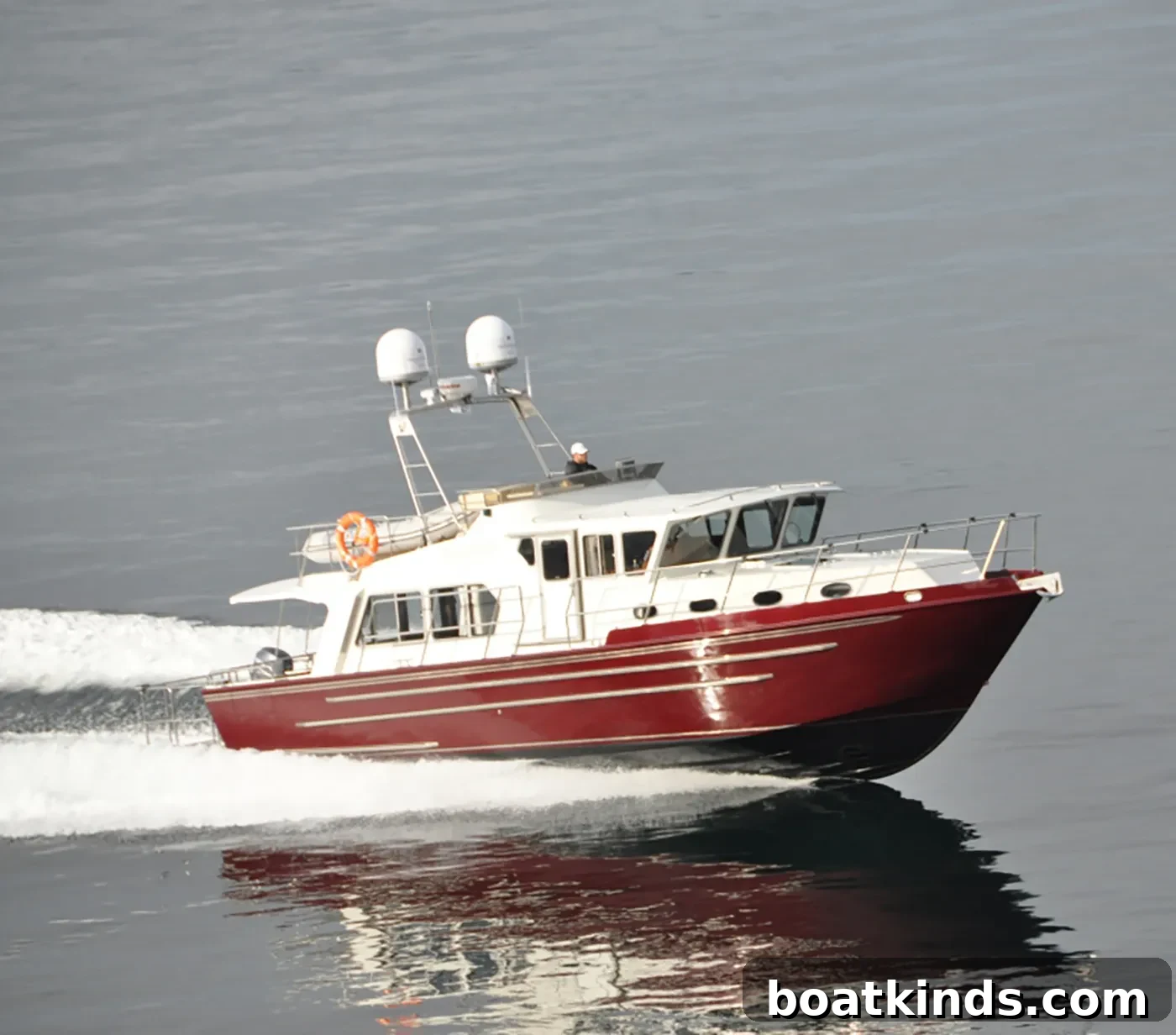
2. Aluminum Boats are Easier to Survey
One advantage of an aluminum structure is visibility: there is no hidden core that can rot, no delaminations to conceal, and hull-to-deck joints are welded rather than fastened. What you see is largely what you get. Welds can be inspected with non-destructive testing methods, and damaged sections are straightforward to cut out and replace. Structural fittings such as pulpits, cleats and towing bits can be welded directly to deck plating when properly reinforced.
Many larger diesel-powered aluminum vessels use integral tanks where the hull bottom doubles as the tank bottom. That approach saves space and lowers the center of gravity. Gasoline-powered small craft, however, still require separate non-integral tanks for safety reasons.
Because an aluminum hull’s condition is easier to determine and because the material resists many common forms of cosmetic and structural deterioration, a well-built aluminum boat can hold value better over time than a poorly documented fiberglass vessel.
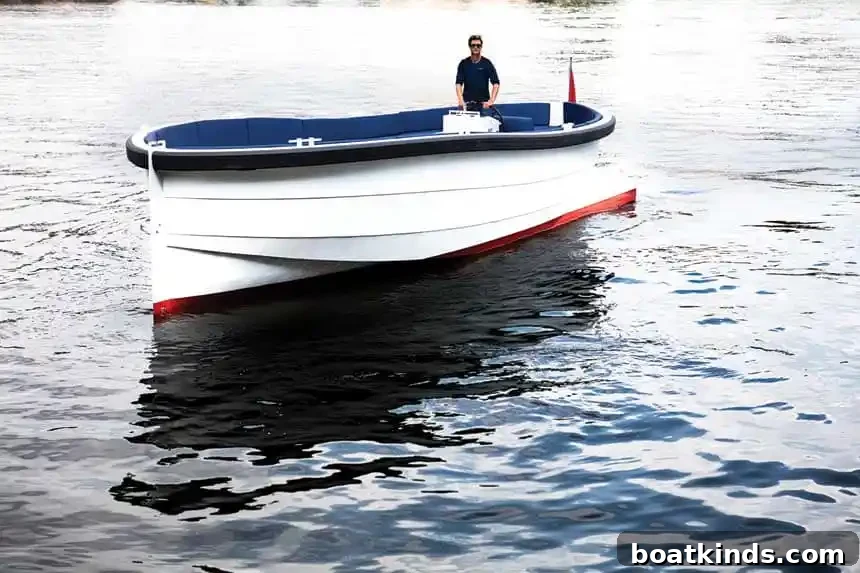
3. Aluminum Boats Can Be Easier to Build for DIY-ers
For DIY boatbuilders, fiberglass molds are often the quickest route, but kit aluminum boats are a practical alternative for those willing to weld. Kits can range from Mylar templates used to mark and cut plate, to fully CNC-cut parts you assemble and weld on jigs. Cutting 3/16″ plate and thicker is feasible with common metal-cutting tools, and a precut kit reduces fitting work.
Welding aluminum properly takes practice; anyone attempting to assemble hulls should train with an instructor and spend significant time on scrap before welding below the waterline. Aluminum hulls also require fairing where weld heat has distorted surfaces if a smooth painted finish is desired. If you choose to leave the aluminum bare, those finishing steps are less critical.
Customization is another strong point: aluminum is relatively easy to modify by welding in new pieces or relocating non-structural elements, while modifying fiberglass typically means new molds, extensive filling and sanding.
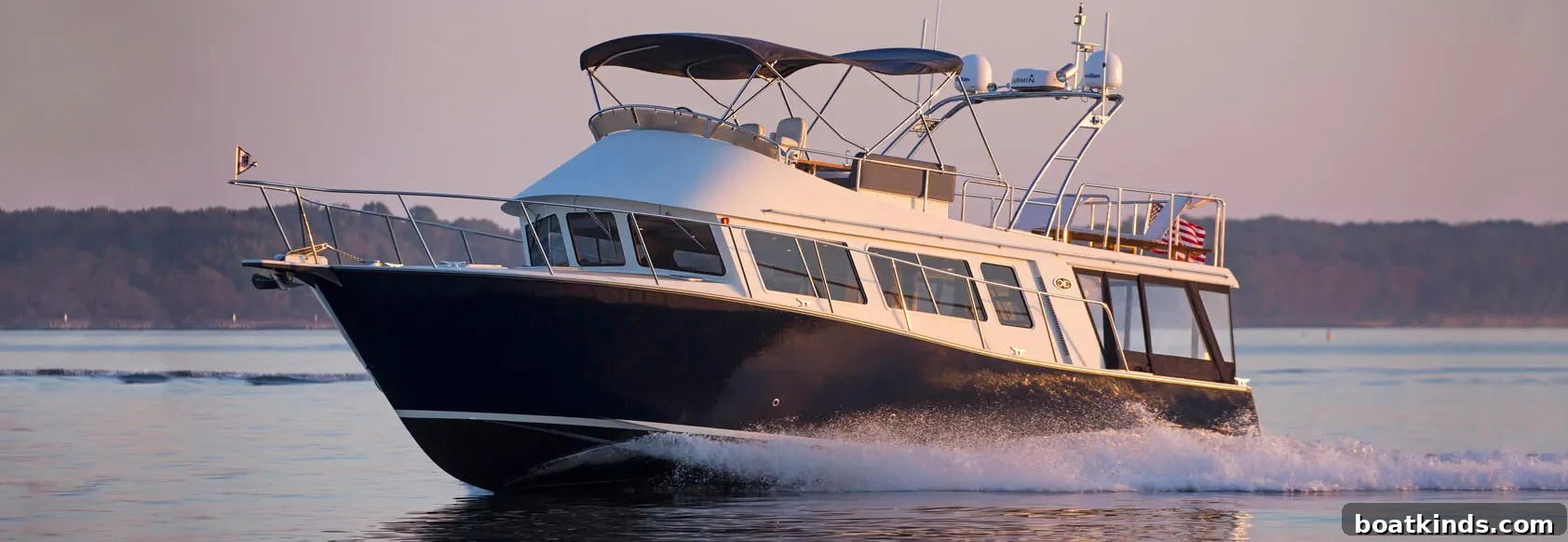
4. Aluminum Boats and Electrolysis
Electrolytic corrosion, often called electrolysis, is a manageable risk on aluminum boats and is not inherently worse than on fiberglass or wooden boats with underwater metal. The usual defense for small boats is sacrificial anodes; many aluminum hulls require minimal additional anodes because the hull and fittings can be of similar metals. The real problem arises when dissimilar metals are connected in the presence of an electrolyte.
Because plate aluminum develops only developable curves, it doesn’t allow the compound shaping common to fiberglass—tumblehome, pronounced flare or multi-radius bottom sections are harder to achieve without advanced techniques such as diagonal strakes or plank-style construction. Most planing aluminum hulls use a single chine, which is simple to build and effective for performance. Displacement aluminum hulls can incorporate multiple chines to improve ride and efficiency.
Other downsides include appearance in an unpainted state, poor thermal and acoustic insulation compared with composites, and the need to guard against crevice corrosion. Insulating hulls and decks is recommended for comfort and noise control in anything beyond utilitarian use.
If you want a boat that won’t blister, delaminate or rot, is easy to repair, durable, damage-resistant, light and strong, and able to withstand decades of hard use, welded aluminum deserves close consideration. For owners who value practicality and longevity, an aluminum hull can be an excellent choice.
This article originally appeared in the May 2009 issue.