
Why do we fish? The simple answers are obvious: the pleasure of being on the water, the thrill of a catch. But those reasons only scratch the surface. For many anglers, fishing is a deeper, almost compulsive pursuit—an activity that narrows attention, sharpens the senses, and puts the mind entirely on the present moment.
For me, fishing is fundamentally about focus. When I’m on the water I become utterly absorbed in the hunt: selecting lures, reading the water, watching for signs, and anticipating the instant a rod will bend. That single-minded attention changes how time feels. When fish are active, hours fly by; when they are scarce, time stretches, yet my concentration never leaves the task of locating them. Every cast prompts the next strategy. In those hours the worries of daily life fall away—there’s simply no room for them.
I also believe there’s a primal element to it—an echo of the hunter-gatherer instincts wired into some of us. Yes, I could buy fish at the market and save money and time, but bringing home something I found and fought for produces a different satisfaction. Even if I’ve spent a lot on tackle and fuel, the act of catching a fish feels like provision, like a practical proof of skill. That same pride appears in vegetable gardening: hours slip by and the reward of harvesting your own food is deeply gratifying. Comparing fishing to golf is futile—both can inspire expletives, but I’ve rarely seen a fisherman fling a rod in anger as golfers sometimes fling clubs. And no one I know serves golf balls for dinner.
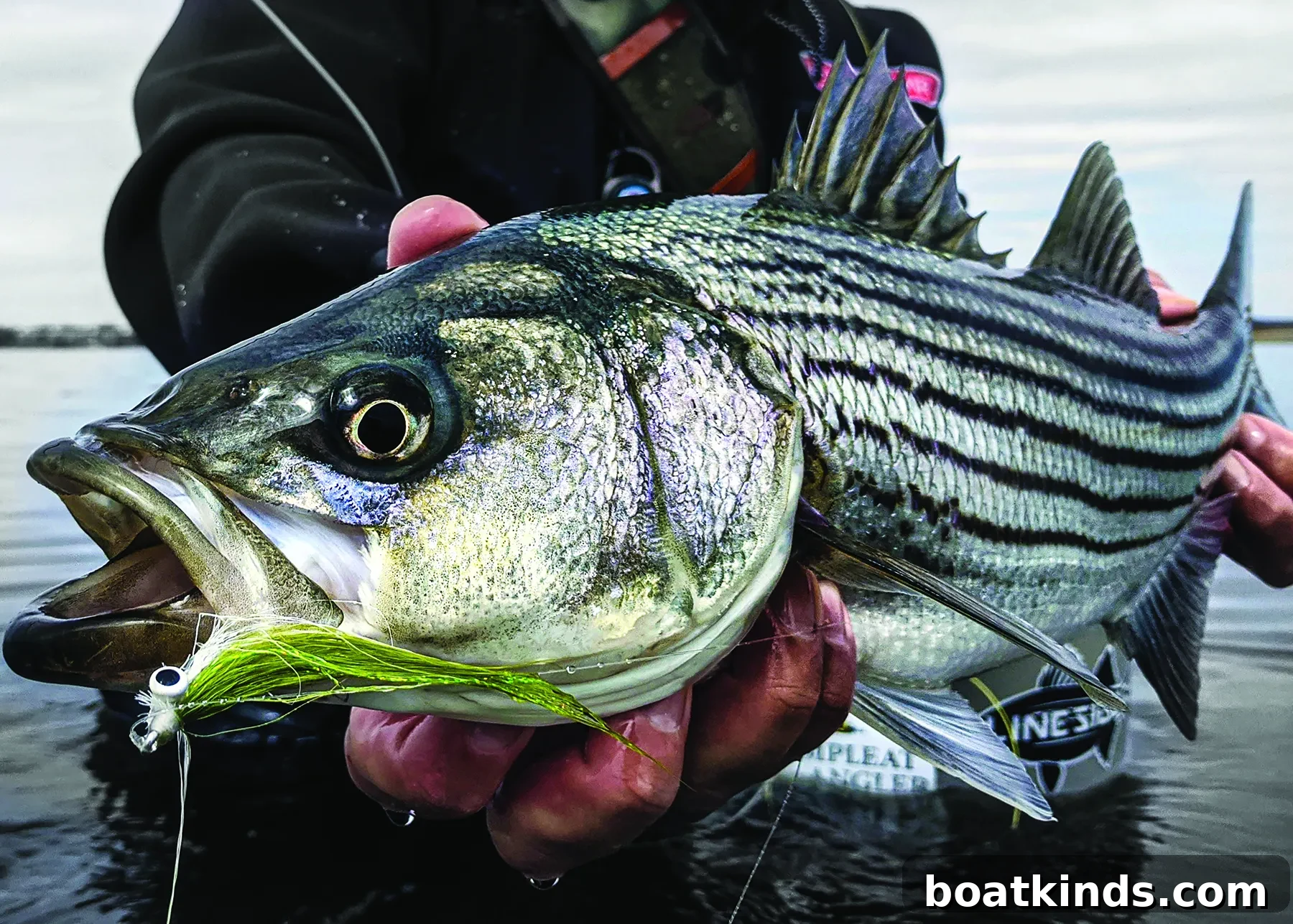
My style of fishing is active, not leisurely. The image of a placid angler in a chair, pipe in hand, waiting for a bite doesn’t match how I fish. I rarely use live bait unless it’s the only option, and remaining still makes me restless. I need to be casting, covering water, changing presentation, or steering toward diving birds that signal schools of stripers. That constant motion and adjustment keeps me engaged rather than relaxed.
But engagement should not be confused with impatience. I can be endlessly patient when I believe the effort will pay off. That patience comes from years of trout fishing rivers, where a single day can involve walking miles, eager to see what’s around each bend, convinced a trophy brown or rainbow is just beyond the next pool. The willingness to press on—dawn until dusk—stems from that optimistic persistence.
Fishing energizes me in a way that many indoor activities cannot. On the water I rarely feel the midafternoon slump that often sends me nodding off at home. Even when I’m not calm, the outdoors invigorates: salt air, changing skies, birds on the wing, and the motion of the boat all combine to heighten alertness and delight. Emerson captured this feeling well: “The lover of nature is he whose inward and outward senses are still truly adjusted to each other… In the presence of nature, a wild delight runs through the man, in spite of real sorrows.” For anglers, that delight is amplified when there are fish around.
Beyond recreation, fishing offers real benefits for body and mind. The right word to describe my mental state while fishing is “engaged.” In a world overflowing with distractions, the concentrated search for fish becomes restorative. It may be small in life’s larger hierarchy—family, work, and other responsibilities take precedence—but while on the water the search, the setting, and the company become everything. Trips are often enhanced by unexpected wildlife encounters: an ocean sunfish, a passing whale, a spiraling school of dogfish, or a sudden assembly of pelagic birds. Those moments create memories that last far longer than a single fish on the line.
Of course, passion has its highs and lows. A near miss—yanking a lure free as a striper strikes—can send me into an expletive-laden tailspin. Once, after a miss like that, a new friend on the boat asked if I always cursed so much. My buddy replied, “Not always. I’ve even seen him cry like a two-year-old when he loses a really big fish.” Such extremes—joy, frustration, and sometimes tears—are part of what makes fishing so emotionally potent.
This is an excerpt from “The Power of Positive Fishing: A Story of Friendship and the Quest for Happiness” by Michael Tougias. It is available directly from the author.
This article was originally published in the May 2024 issue.