
Boating attire has changed dramatically over the last six decades. Where sailors once relied on cork life jackets, canvas shoes and heavy wool, modern boating gear blends performance fabrics, safety technology and timeless style. Below is a concise look at how we dressed in the past and what commonly appears on decks today, from regatta crews and spectators to offshore racers and casual weekend boaters.
AMERICA’S CUP
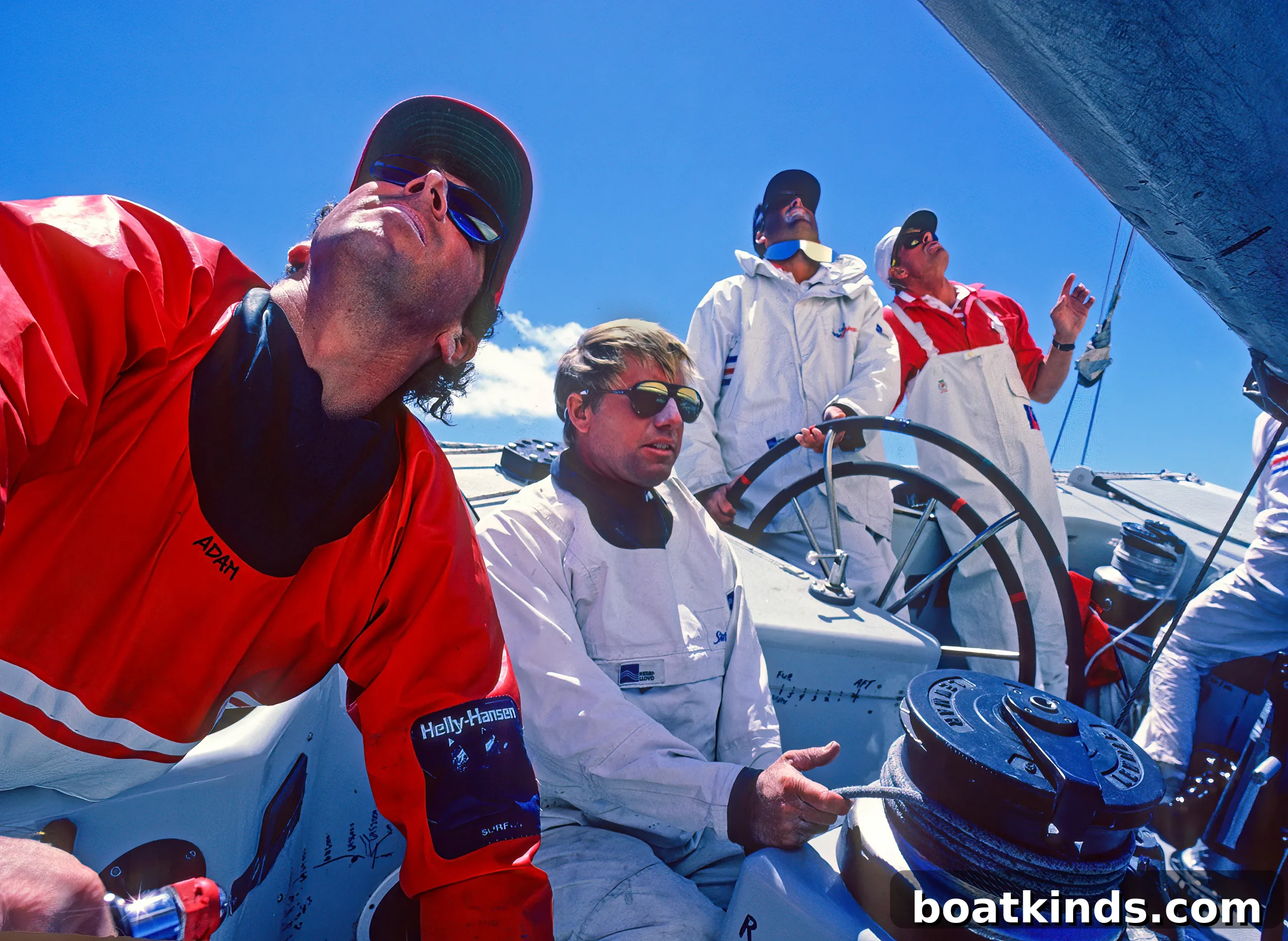
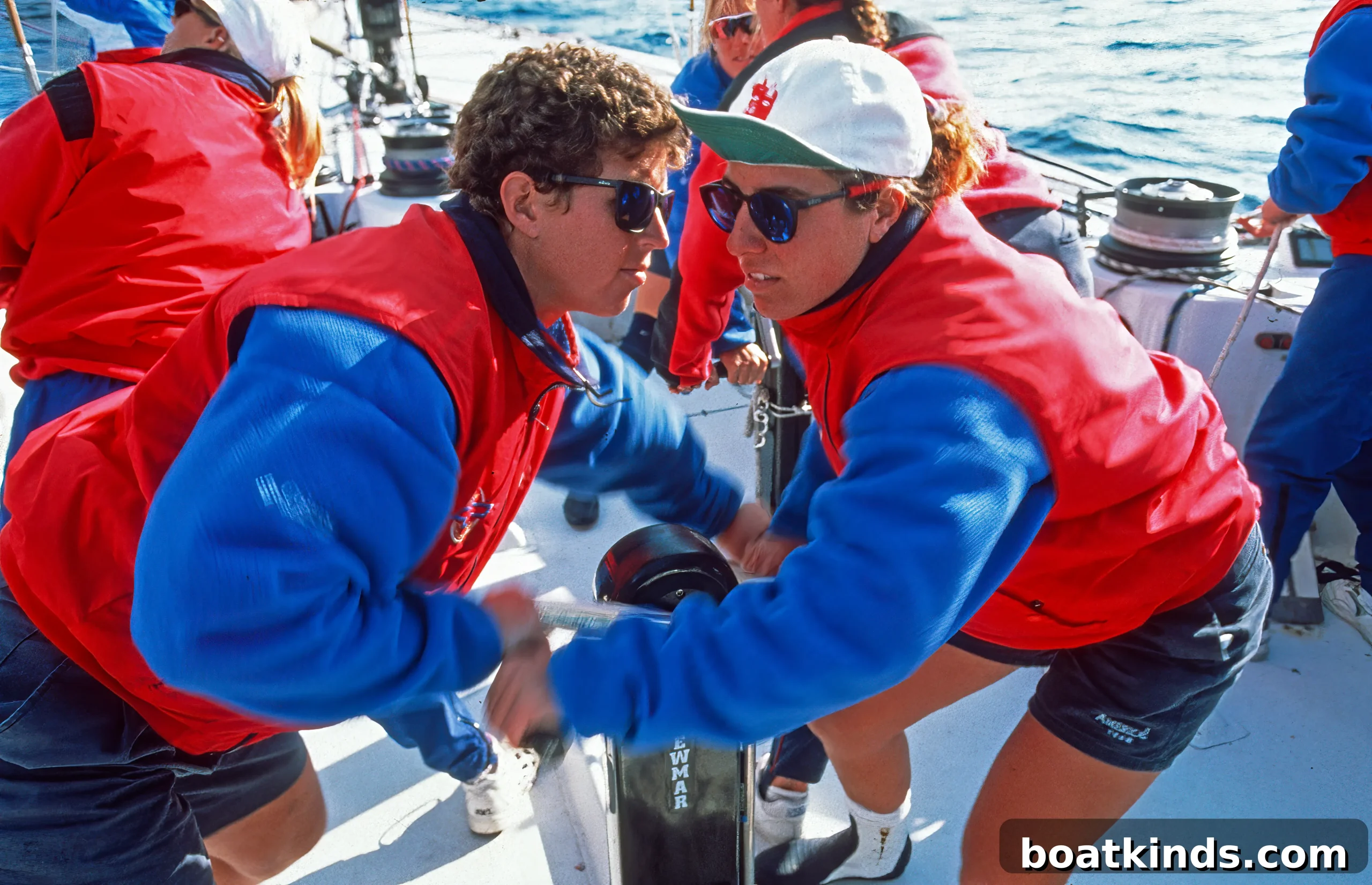
The Athletes: During the 1987 America’s Cup off Western Australia, the crew of Stars & Stripes attracted attention for their Henri-Lloyd kit. In the 1990s, the all-female crew of America3 combined practical sailing gear with the decade’s look—Columbia fleeces, red vests, baseball caps and scrunchies—bringing both style and competitive edge to the 1995 trials. Their performance was strong; they narrowly missed victory to Stars & Stripes by just one minute.
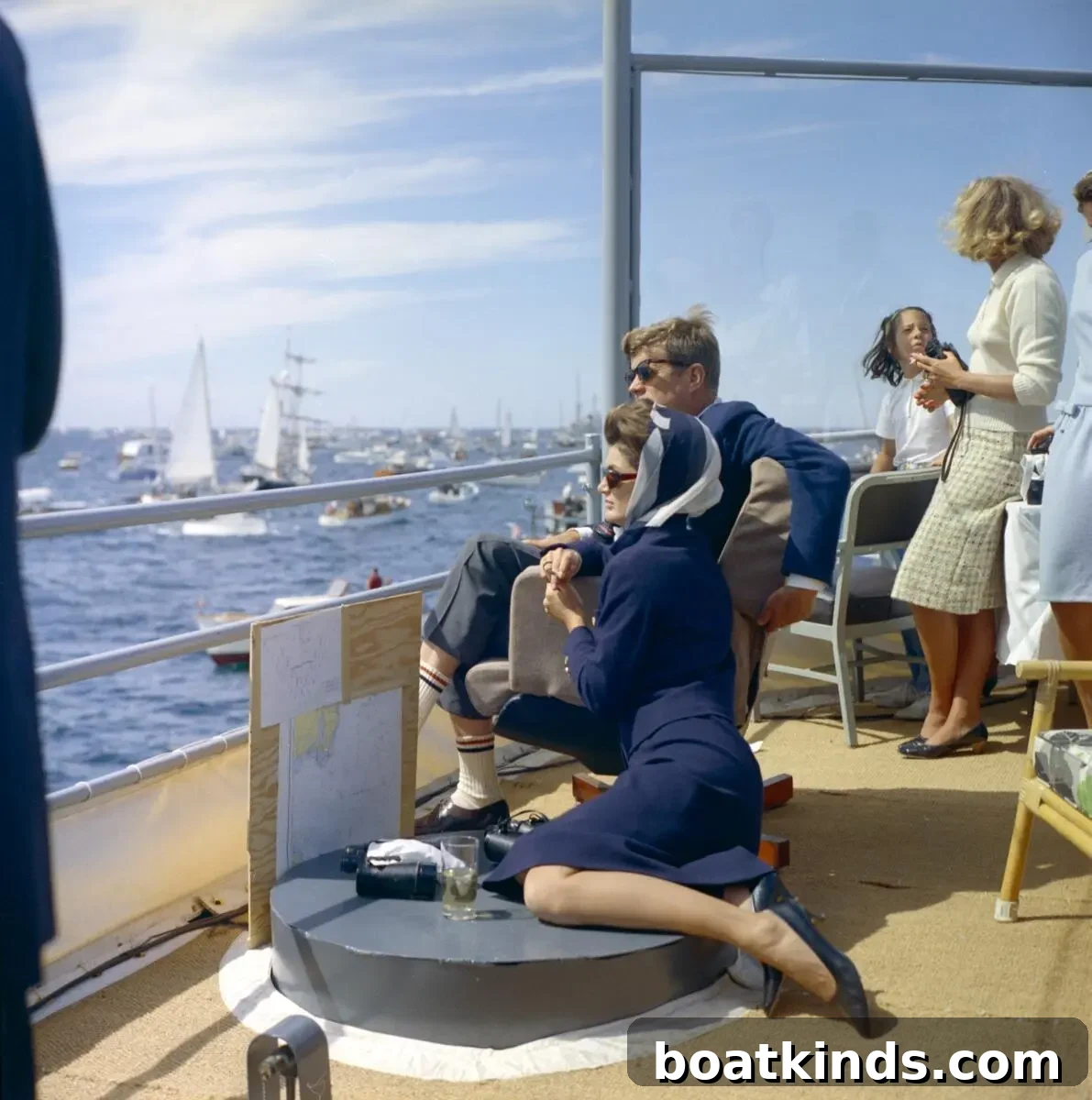
The Spectators: Spectator style at marquee events has often mirrored the sport’s maritime heritage. In 1962, President John F. Kennedy and Jacqueline Kennedy watched the America’s Cup in Newport, Rhode Island, dressed in the elegant nautical fashion of the era—navy jackets and the headscarf that Mrs. Kennedy famously popularized.
SAFETY AT SEA
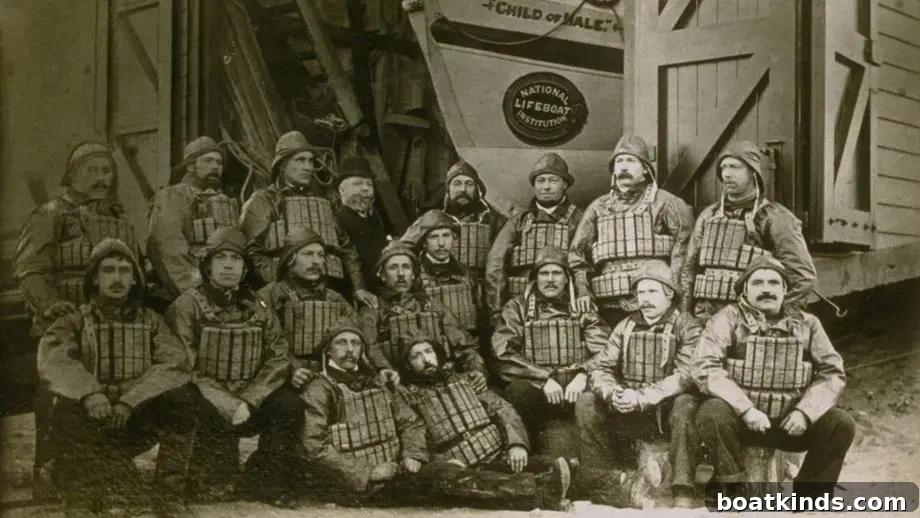
Cork Works: Personal flotation devices have evolved from cumbersome beginnings. The cork life jacket, developed in 1854 by an inspector with the Royal National Lifeboat Institution, used strips of circular cork sewn into a canvas vest. They provided buoyancy but were heavy and awkward for swimming.
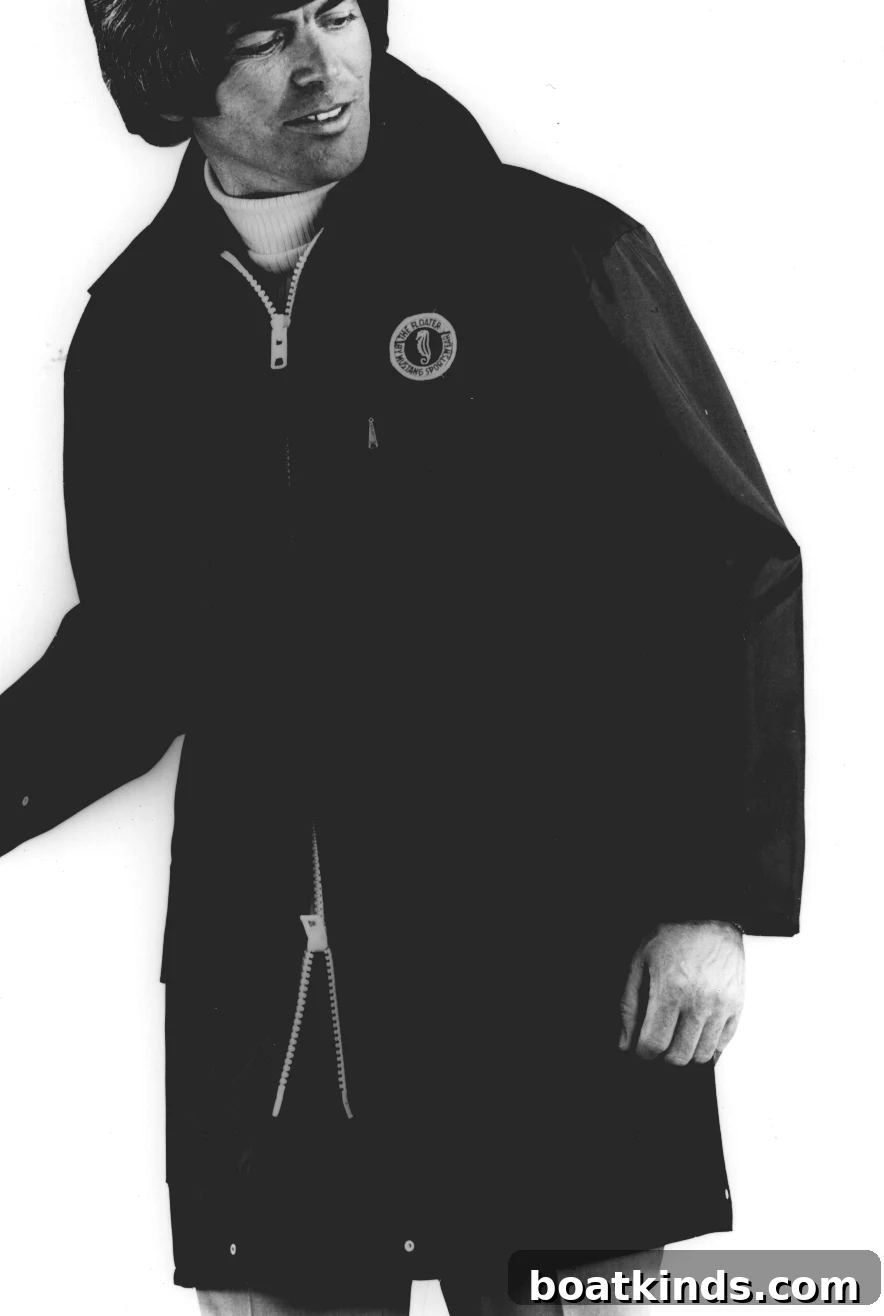
Mustang Floater Coat: In 1970 the Mustang Floater Coat introduced closed-cell foam for both flotation and insulation—an important step toward more functional, wearable PFDs. Often called the Thermofloat Coat, it later influenced the development of survival suits and set a new standard in cold-water protection.
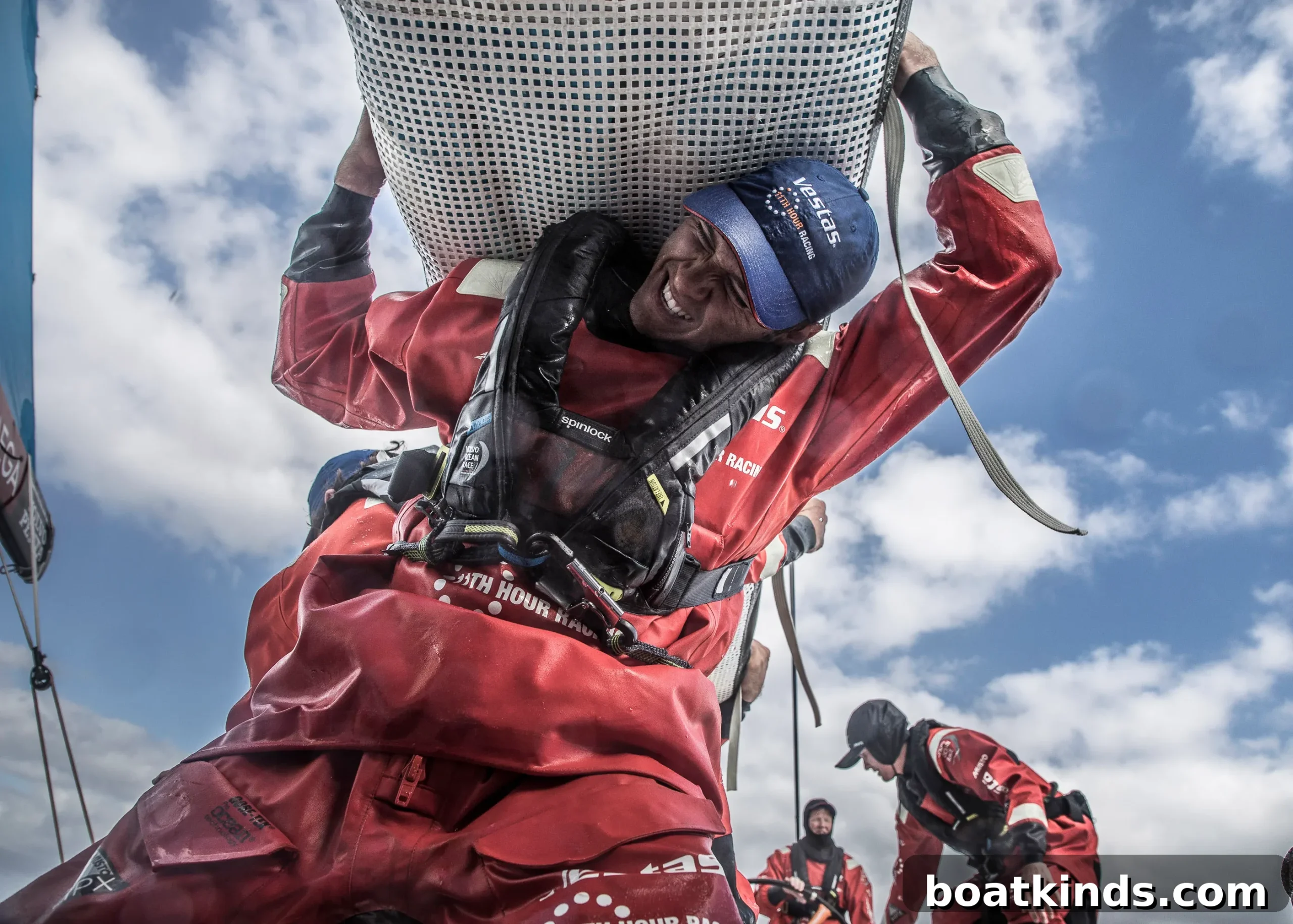
Spinlock DeckVest Vito: Spinlock, originally Offshore Instruments, became a leading maker of high-performance PFDs for offshore racing and professional users. The Deckvest Vito, popular with racers and safety-conscious crews, offers around 170N of buoyancy and uses a hydrostatic automatic inflator—features that made it a common choice among teams in recent ocean races.
TOP HATS
The Bucket: The bucket or fisherman’s hat grew in popularity in the 1960s and has remained a practical sun-protective option. Its wide brim shields the face and neck, while the lightweight fabric keeps wearers cool on sunny days.

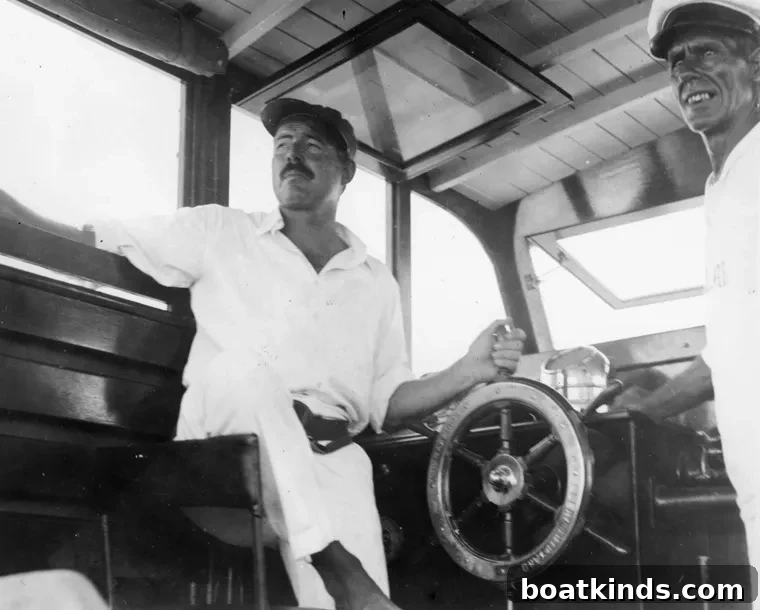
Oysterman Hat: The Oysterman hat has been a staple since the 1950s. Inspired by the long-bill canvas hats of WWII, Quaker Marine’s design appealed to anglers and working mariners who valued the extended brim for sun and spray protection. The style has even been photographed on famous boaters like Ernest Hemingway.
NEVER GOES OUT OF STYLE
Some items remain enduring essentials on and off the water. Classic pieces combine functionality with a timeless look that suits both casual outings and club events.
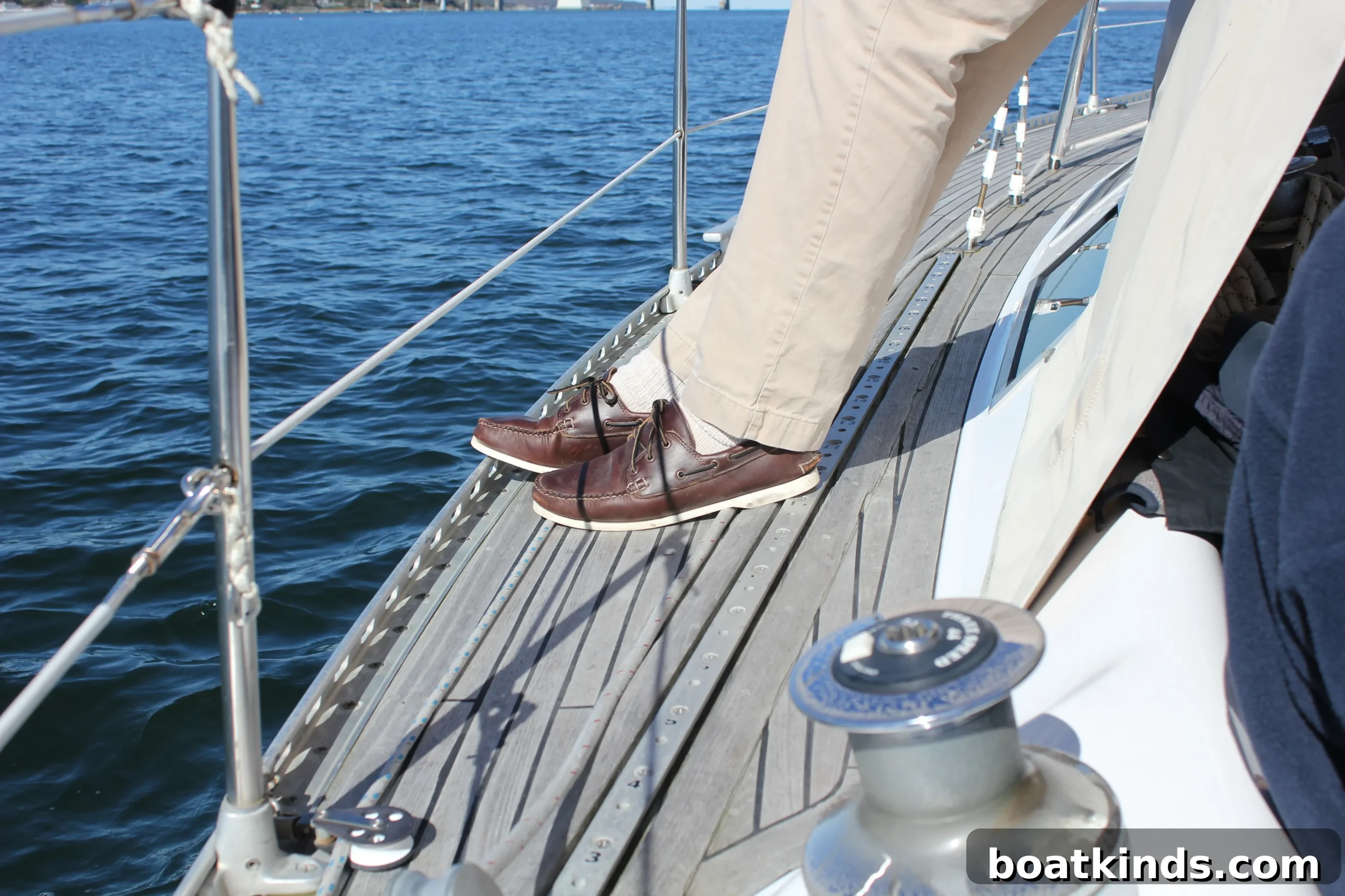
Sperry Top-Siders: Sperry’s boat shoes have been a go-to for generations. Their razor-siped soles offer grip on wet decks, and while offshore sailors now often choose more technical, quick-dry footwear, Top-Siders remain a popular choice for comfort and style when cruising or dockside.
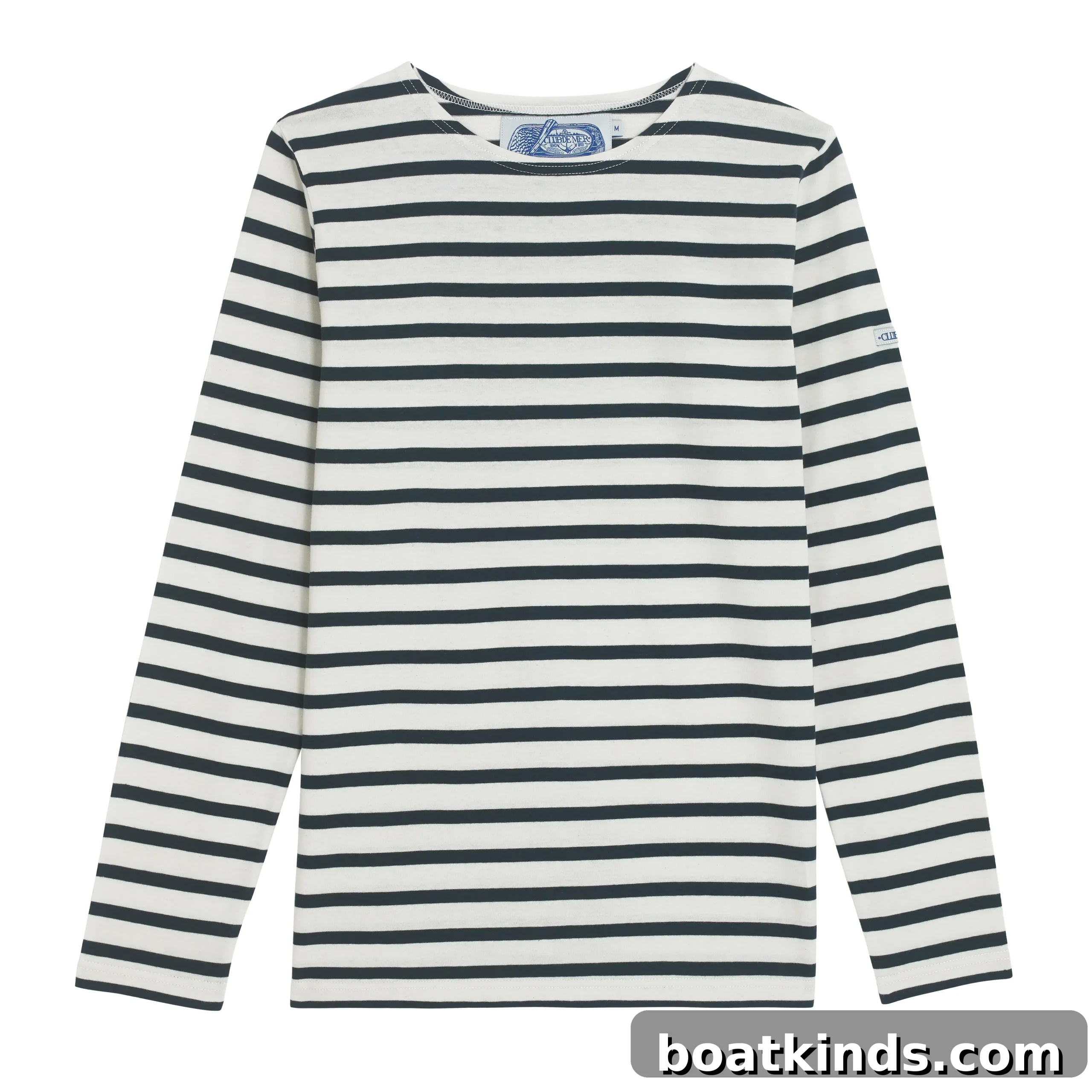
Breton Stripes: The striped Breton shirt dates back to French naval uniforms in 1858 and later became a practical choice for fishermen—its distinctive pattern helped visibility in a man-overboard situation. Its simple, nautical aesthetic has since become a fashion staple worn by many public figures.
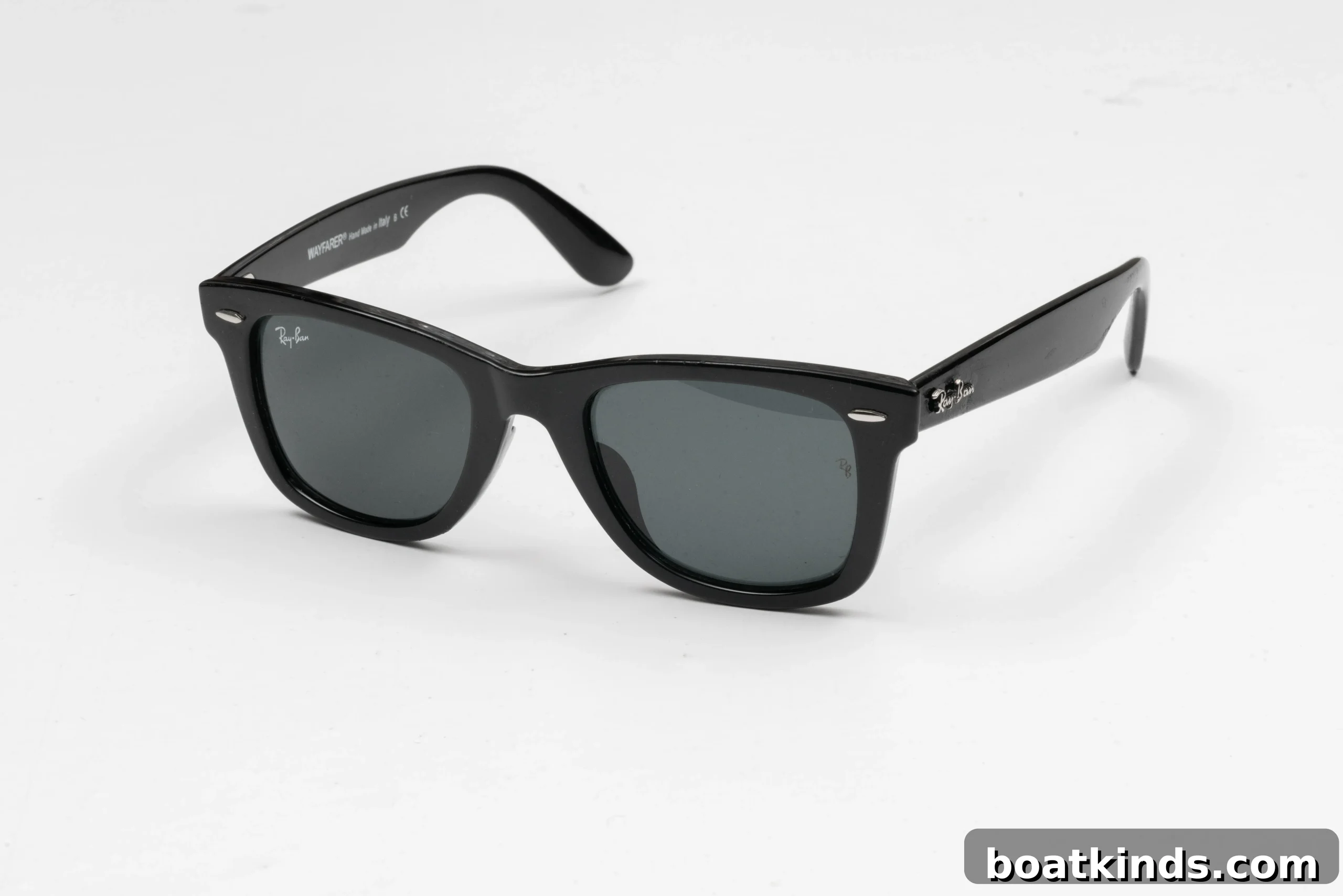
Ray-Bans: Ray-Ban Wayfarers, introduced in the 1950s, quickly became a cultural icon. Popular with celebrities and public figures, these durable sunglasses have long been favored by boaters for their classic lines and protective lenses.
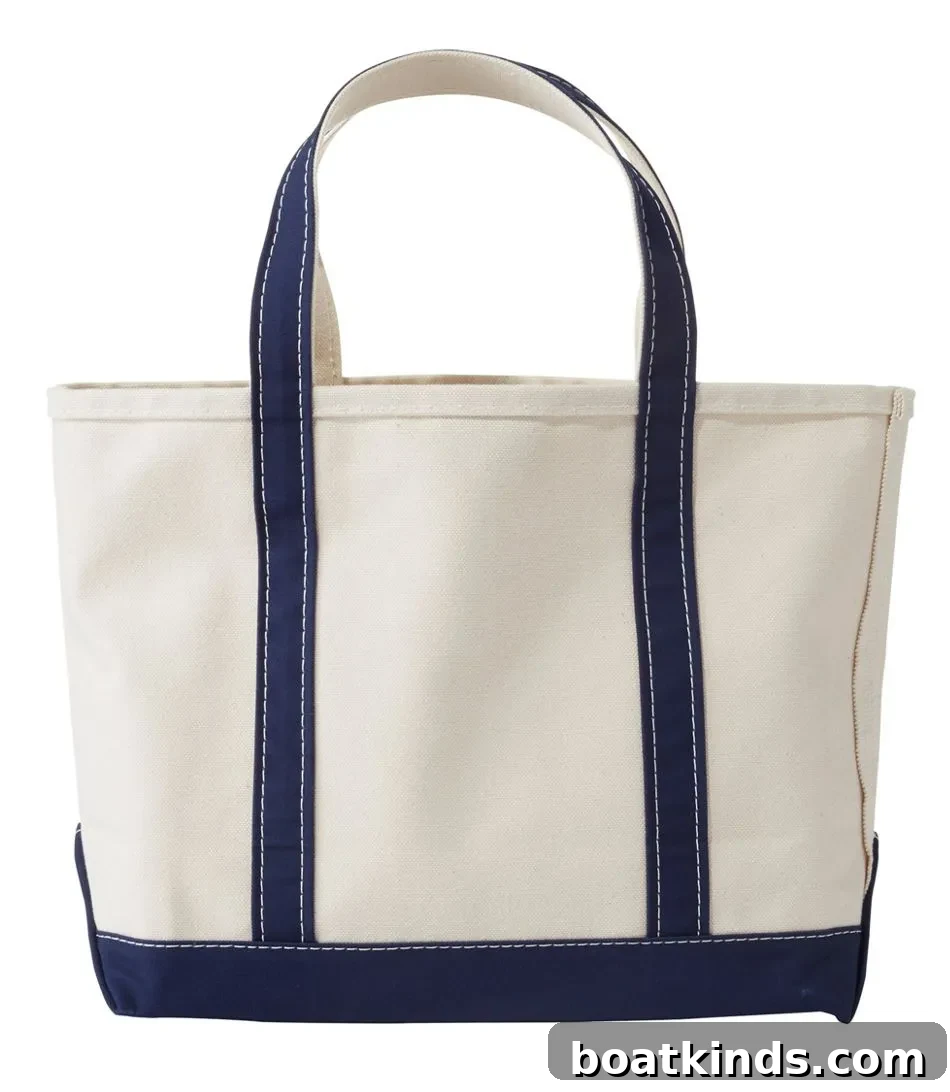
L.L. Bean Boat & Tote: First sold in 1965 as a simple canvas carrier for ice, the Boat & Tote evolved into a rugged, versatile bag synonymous with coastal life. Constructed from heavy-duty duck canvas, it has been adapted over the years for sailing, fishing and everyday use.
FAVORITE FOULIES
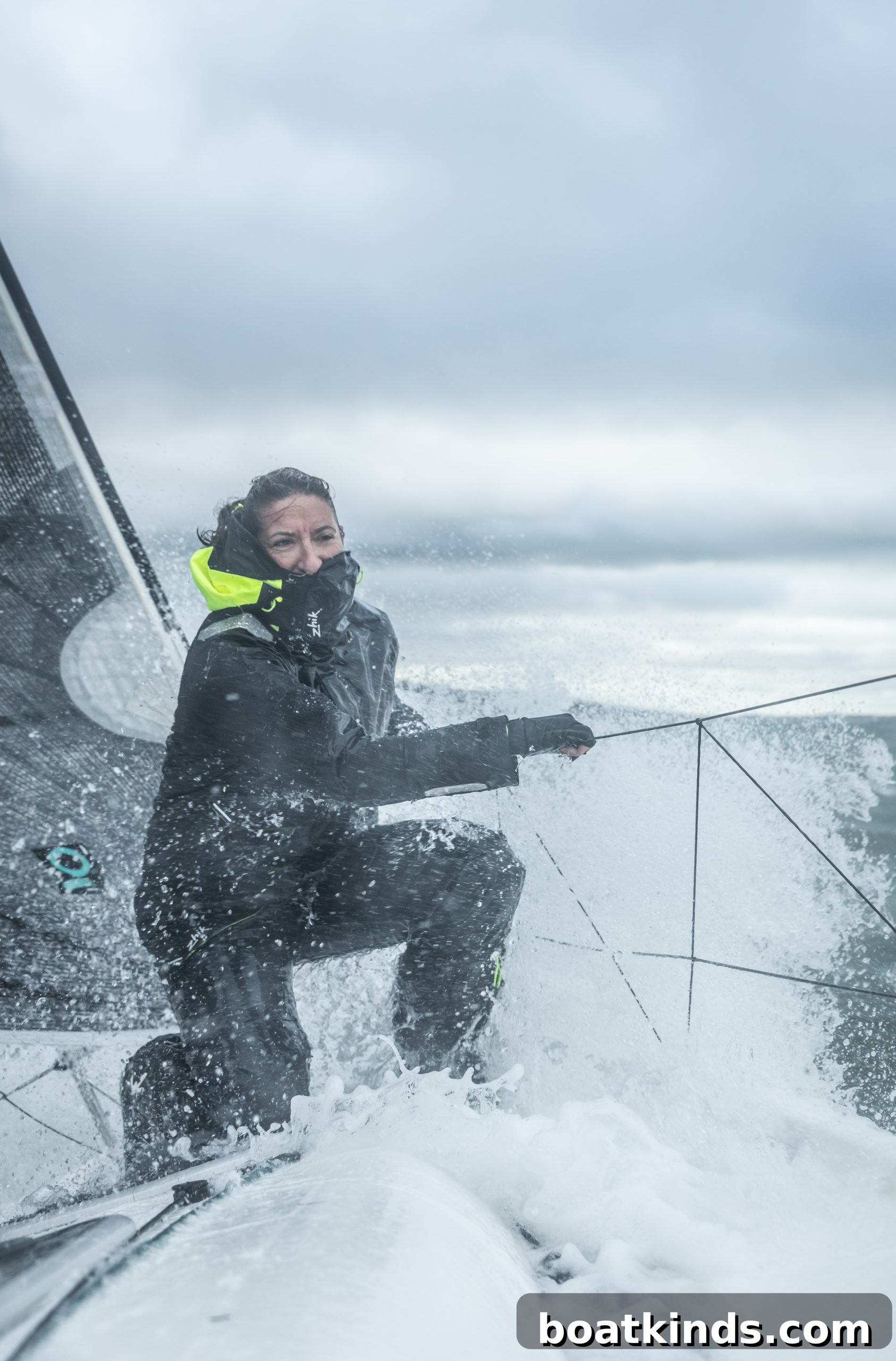
The Newcomer: Zhik, founded in 2003, quickly made a name supplying performance sailing apparel. Its CST500 Coastal Sailing Jacket is a popular choice among coastal sailors and racers; the brand has also outfitted high-level teams in major offshore events.
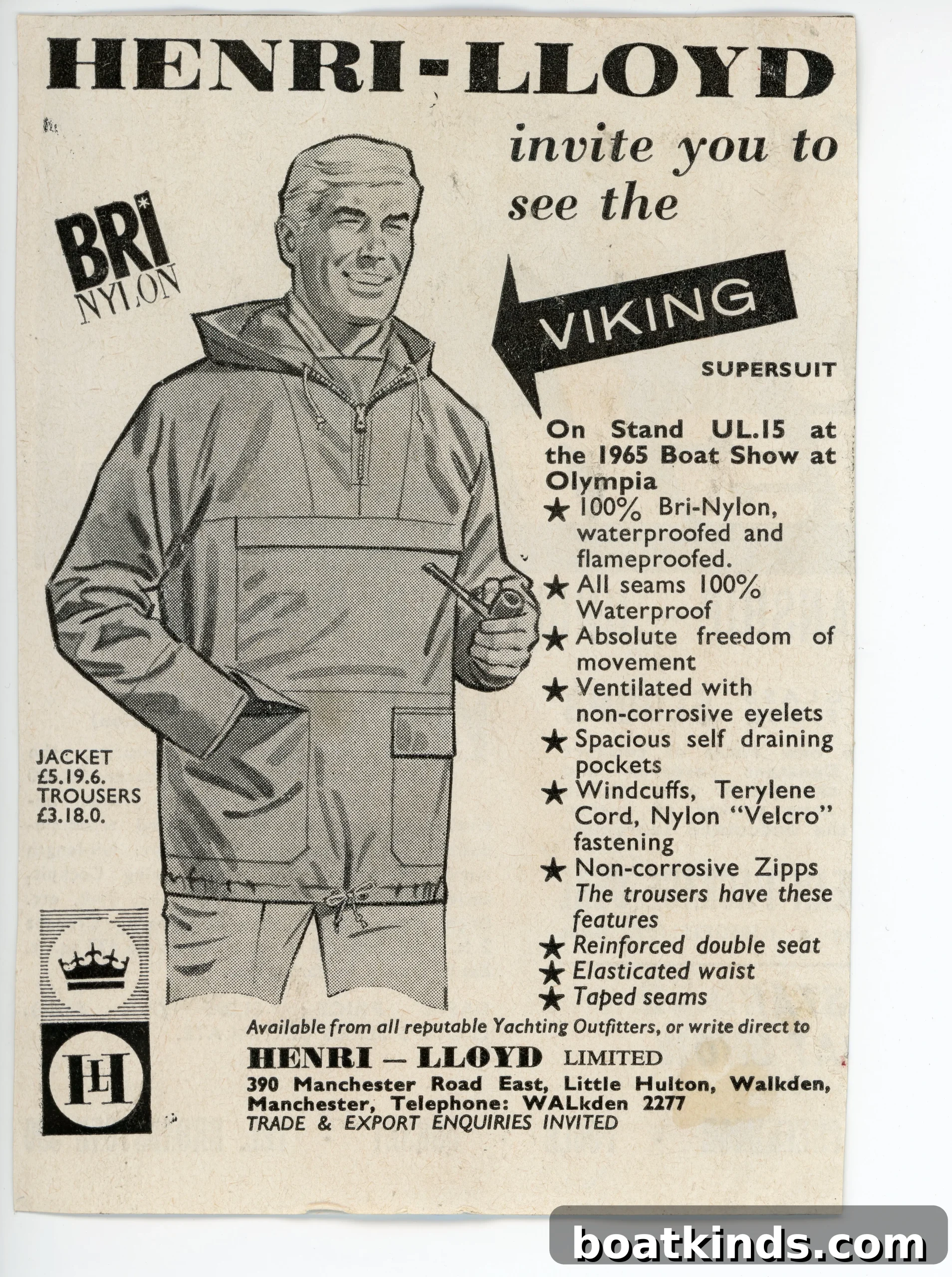
Time-Honored Protection: Henri-Lloyd, established in the 1960s, pioneered waterproof fabrics and practical closures—introducing innovations such as Velcro and early uses of Gore-Tex in marine gear. The Consort Jacket is a notable example of their durable, weatherproof designs.
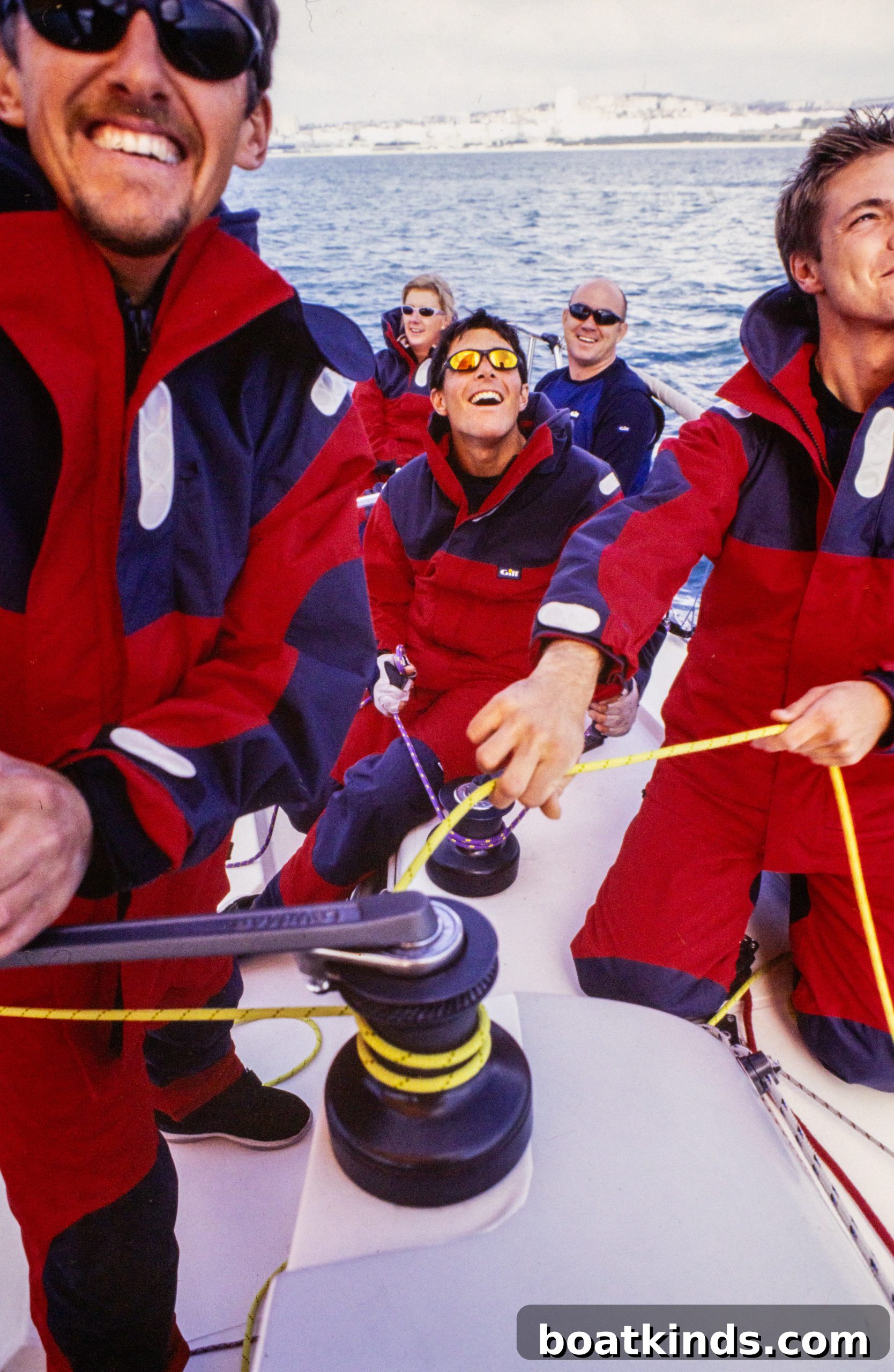
Sustainable Sailing: Gill Marine’s OS2 Offshore Jacket, introduced around the turn of the century, is known for rigorous testing and durability: each jacket undergoes abrasion, saltwater exposure and accelerated aging tests to ensure performance in offshore conditions. The OS2 is also recognized for its sustainability credentials, being constructed largely from recycled materials.
This article was originally published in the July 2024 issue.