
Nanoplastics and the Hidden Threat to Marine Life
Nanoplastics are tiny fragments of plastic pollution that have infiltrated oceans, rivers, and coastal waters around the world. These particles are often measured in nanometers — some as small as 20 nanometers — and they originate both from the breakdown of larger plastic debris and from products that intentionally contain microscopic plastic particles, such as certain facial scrubs, toothpastes, and other personal care items. Because of their size, nanoplastics behave differently from larger plastic pieces: they can remain suspended in the water column, pass through filters, and be taken up by a wide range of marine organisms.
New Evidence from Laboratory Studies
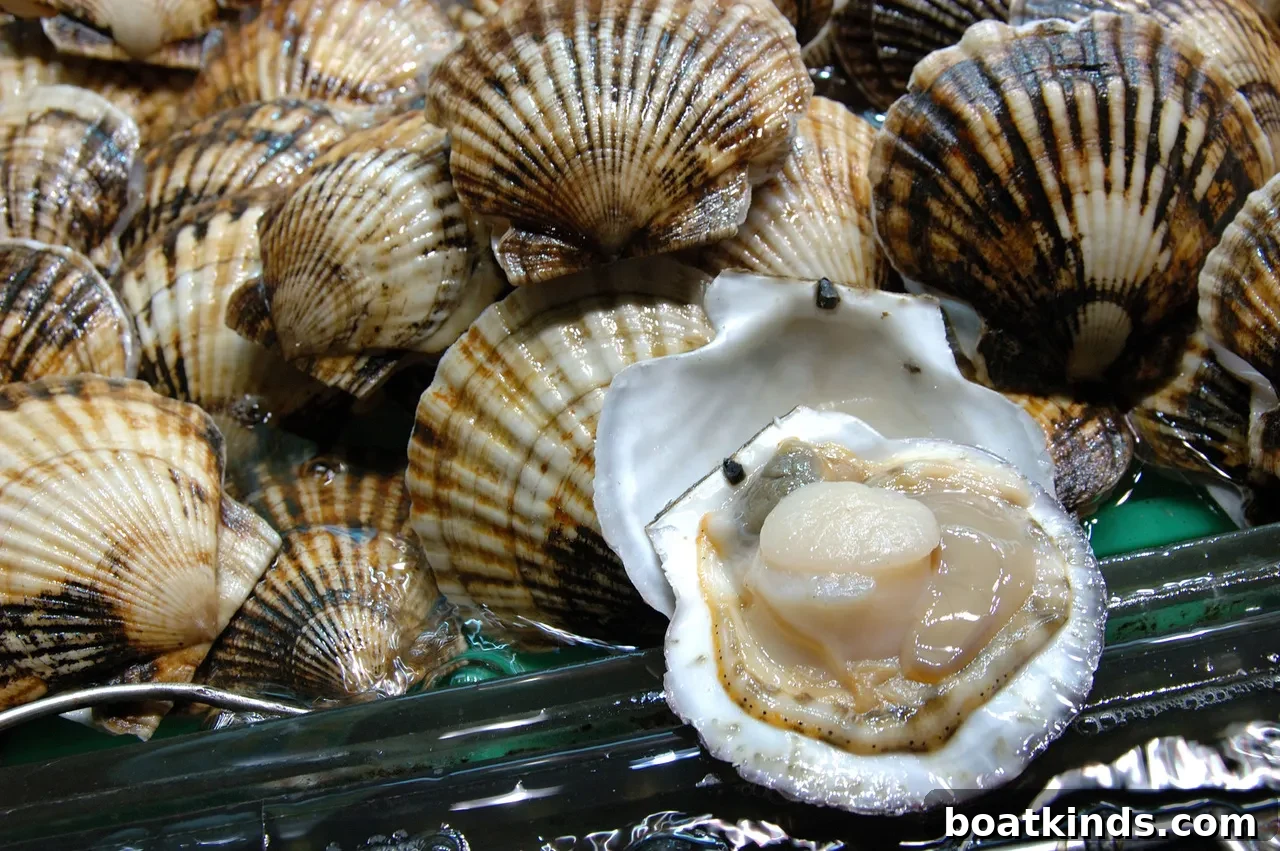
Recent laboratory work led by researchers at the University of Plymouth in the United Kingdom has provided striking evidence of how quickly these particles can accumulate inside marine animals. In the experiment, scallops were exposed to radiolabeled nanoplastics, allowing scientists to track the particles’ movement. Within just six hours, researchers observed that billions of microscopic particles had accumulated within the scallops’ tissues. This rapid uptake challenges earlier assumptions that accumulation in filter-feeding shellfish and similar organisms would take substantially longer.
Filter-feeding animals such as scallops, mussels, and clams filter large volumes of water to extract food and therefore are particularly vulnerable to ingesting suspended particles. Once inside these animals, nanoplastics may become distributed through tissues and organs that are important for physiology and reproduction. While the long-term ecological and health consequences are still under investigation, the demonstration of rapid accumulation underscores how pervasive and insidious nanoplastic contamination can be in coastal ecosystems.
Why Nanoplastics Matter
Nanoplastics are a concern for several reasons. Their tiny size allows them to cross biological barriers that larger particles cannot, potentially interacting with cells and tissues in ways that are not fully understood. They can serve as carriers for chemical pollutants that adsorb to their surfaces and may influence how those pollutants move through food webs. Because filter feeders are a key link between planktonic food sources and higher trophic levels — including commercially harvested seafood — there are implications for both ecosystem health and the safety and sustainability of seafood supplies.
Practical Steps to Reduce Plastic Pollution
Although much of the plastic pollution entering the oceans originates from regions with limited waste-management infrastructure, individuals and communities everywhere can take meaningful action to reduce their contribution and limit the spread of micro- and nanoplastics. Practical steps include:
- Reduce single-use plastics: Avoid disposable items such as plastic straws, single-use shopping bags, and single-serve food containers. Opt instead for reusable bags, bottles, and containers.
- Choose personal care products carefully: Select products that do not contain plastic microbeads or synthetic abrasives. Read labels and favor natural exfoliants when possible.
- Limit microfiber release: Many textiles shed synthetic fibers during washing, which can contribute to microplastic pollution. Wash synthetic clothing less frequently, use lower-spin cycles, and consider washing-bag or filter solutions that capture fibers before they reach wastewater systems.
- Proper disposal and recycling: Dispose of plastic waste responsibly and follow local recycling guidelines. Reducing litter and improving waste handling lowers the chance of plastics breaking down into micro- and nanoplastics in the environment.
- Support community and policy efforts: Participate in local cleanups and support policies and infrastructure improvements that reduce plastic leakage into waterways.
What Researchers Are Watching Next
Scientists continue to study how nanoplastics move through marine systems, how they interact with organisms at cellular and tissue levels, and what the long-term ecological consequences may be. Ongoing research aims to clarify exposure pathways, quantify risks to commercial fisheries and human consumers, and identify effective mitigation strategies. The recent findings on rapid accumulation in scallops add urgency to these research efforts and highlight the need for broader monitoring of nanoplastics in coastal environments.
Addressing nanoplastic pollution requires a combination of individual behavior change, improved product design, better waste-management systems, and continued scientific research. By reducing reliance on disposable plastics and supporting practices that limit microplastic release, communities can help slow the flow of nanoplastics into marine ecosystems and protect both wildlife and the seafood resources many people rely on.