
Offshore Sailing: Why Self-Reliance Alone Is No Longer Enough
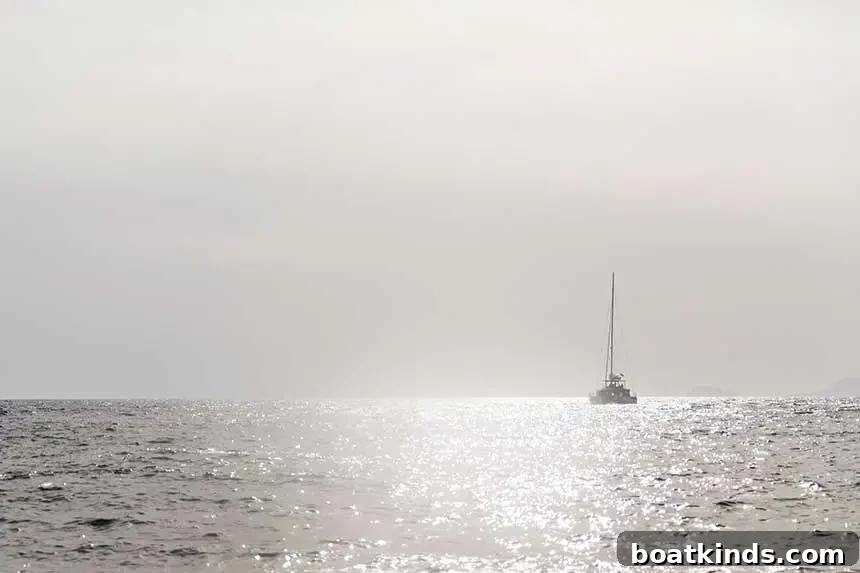
There was a time when leaving sight of land meant serious risk. Before the marine chronometer made longitude practical, venturing beyond the horizon was a gamble. Even after accurate charts and reliable timekeeping became available, the sea remained unforgiving. So dangerous was offshore voyaging that New England houses built raised rooftop platforms—widow’s walks—where sailors’ wives would stare out to sea, waiting for husbands and ships that sometimes never returned.
Back then, those who went offshore truly were on their own. No VHF radios, radar, satellite phones or internet meant you relied entirely on your skills, your seamanship and whatever equipment you could carry. Self-reliance was not an idealized trait; it was a survival requirement.
That older vision of solo competence still attracts many modern sailors. I’ve met countless people who prize the idea of being independent at sea—alone but capable, confident that their training and judgment will carry them through. They describe being offshore as a deliberate choice to test their limits, owning the risks that come with it. In my work with search and rescue, however, I saw the consequences of that mindset more often than its virtues.
Those committed to classic self-reliance tended to call for help only at the last possible moment. They would tell stories and offer hypothetical excuses—lightning strikes, floating debris, unseen hazards—to justify delaying a distress call. When survival instructors pointed out that waiting too long can endanger responders and reduce available options, some reacted as if any criticism threatened their independence. Yet in many incidents I observed, early communication made the difference between a manageable rescue and a catastrophe.
Independent seamanship is admirable, but when it becomes an absolute rule that you must “do it alone,” that belief can cost lives. The hard lesson is this: take personal responsibility for your safety, but don’t mistake pride for prudence. Recognizing that you might need help — and arranging for it in advance — is one of the most responsible choices an offshore sailor can make.
Modern boats and communications have fundamentally changed what it means to be offshore. Radios, AIS, GPS, weather routing, alarms and remote monitoring link vessels to shore in ways our ancestors could not imagine. Apps and onboard systems can relay bilge alarms, engine faults and position reports to family or operators ashore. We no longer rely on roof-top watchers scanning the horizon; we have near-instantaneous channels to send and receive information.
That connectivity doesn’t replace seamanship, but it does expand the toolkit. The sensible sailor combines skill and preparation with modern tools: a well-filed float plan, regular position reports, a vigilant radio watch and redundancy in critical systems. Treat these as part of seamanship, not as optional accessories. A float plan and timely communication often prevent small problems from becoming emergencies and reduce the time it takes responders to locate and assist you when help is needed.
There will always be rare, unpredictable events—lightning, sudden structural failure or debris at night—that challenge even the best-prepared crews. Those exceptions aren’t a reason to ignore modern procedures; they are precisely why redundancy and communication matter. Just as drivers wear seat belts despite the low probability of a collision, sailors should embrace measures that lower risk and make rescues more likely if something goes wrong.
From my perspective in search and rescue, the next big gains in boating safety are not solely technical but cultural. They come from changing how we think about responsibility at sea: insist on personal accountability for planning and maintenance, but reject the notion that asking for help is a moral failing. Keep your VHF on, file your float plan, check weather and equipment, and call early when things begin to go sideways. Those acts protect you and spare your loved ones from needless worry.
If you still prize the classic ideal of self-reliance, by all means sail on. Bring your skills, your judgment and your pride. But do it with the modern tools and practices that make offshore sailing safer for everyone. In the end, being a responsible mariner means balancing independence with the humility to ask for help—and the foresight to make sure help can find you.
This article originally appeared in the September 2019 issue.