
Boat Wakes and Safety: How to Prevent Accidents and Injuries
The U.S. Coast Guard consistently lists boat wakes among the top contributing factors in recreational boating accidents. In recent annual Recreational Boating Statistics reports it has been shown that over the past four years an average of 211 accidents per year were attributed to the force of a boat’s wake, and an average of 193 people were injured each year as a direct result. These figures underscore that wakes are more than a nuisance: they are a real hazard to people, vessels and shorelines.
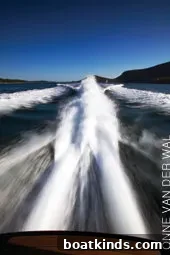
Why boat wakes are dangerous
A wake is the wave pattern created by the movement and displacement of water as a boat travels. The size and power of that wake vary depending on many factors: boat speed, hull shape, load distribution, water depth and the width of the channel. In shallow or narrow waterways the same boat will produce a larger, steeper wake than in open, deep water. Strong wakes can capsize or swamp small boats, knock swimmers or paddlecraft users off balance, damage moored vessels, and erode shorelines and habitat.
Practical safety tips to minimize wake-related incidents
The Sea Tow Foundation and boating safety authorities emphasize that wake awareness and courteous operation are the best defenses. The following steps will reduce risk for you and others when you’re on the water:
- Monitor your wake and adjust speed. Pay attention to how waves break off the stern. Reduce speed when your wake is large, especially in confined or shallow areas. Slower speeds create smaller wakes and give others more time to react.
- Give other boats room. Slow down and maintain distance when near smaller vessels, kayaks, canoes, paddleboards or inflatables. Those craft are far more affected by wake forces and may lack the maneuverability to recover.
- Watch for people in or near the water. Even modest wakes can knock swimmers or anglers off balance or pull them under. Keep a vigilant lookout, reduce speed near groups in the water, and avoid creating large waves near swimmers.
- Respect no-wake zones. No-wake or idle-speed areas exist to protect swimmers, docks, marinas, wildlife and sensitive shoreline. Observe posted signs and slow to the required speed. Compliance keeps people and animals safe and reduces the chance of fines or warnings.
- Protect the shoreline and vegetation. Avoid letting your wake break directly on beaches, marshes or vegetated banks. Repeated wave action accelerates erosion and damages habitat. Where possible, travel farther offshore at reduced speed to limit shore impact.
- Choose your anchoring or drifting spot carefully. If you plan to anchor or drift, select a low-traffic area. Passing boat wakes can rock anchored boats, cause injuries on deck, or dislodge smaller craft. When anchored, keep an eye on passing traffic and adjust your location as needed.
- Wear a life jacket (PFD). A properly fitted personal flotation device increases visibility and dramatically improves survival if someone is thrown into the water by a wake. Life jackets are a primary defense against drowning, the leading cause of boating fatalities.
Good seamanship and courtesy
Beyond these practical steps, good seamanship means anticipating how your vessel affects others and acting courteously. Slow down near docks, give overtaking vessels ample space, and be mindful of wildlife and shoreline uses. If someone signals that your wake is causing a problem, respond promptly and reduce speed. These small actions preserve safety and recreational value for everyone on the water.
About the author
Gail R. Kulp is executive director of the Sea Tow Foundation, which promotes safe boating practices and aims to reduce accidents, fatalities and property damage related to recreational boating (boatingsafety.com). She previously served as director of education and standards for the National Association of State Boating Law Administrators.
Related topics
Real-world lessons — Situational awareness
This article originally appeared in the July 2012 issue.