
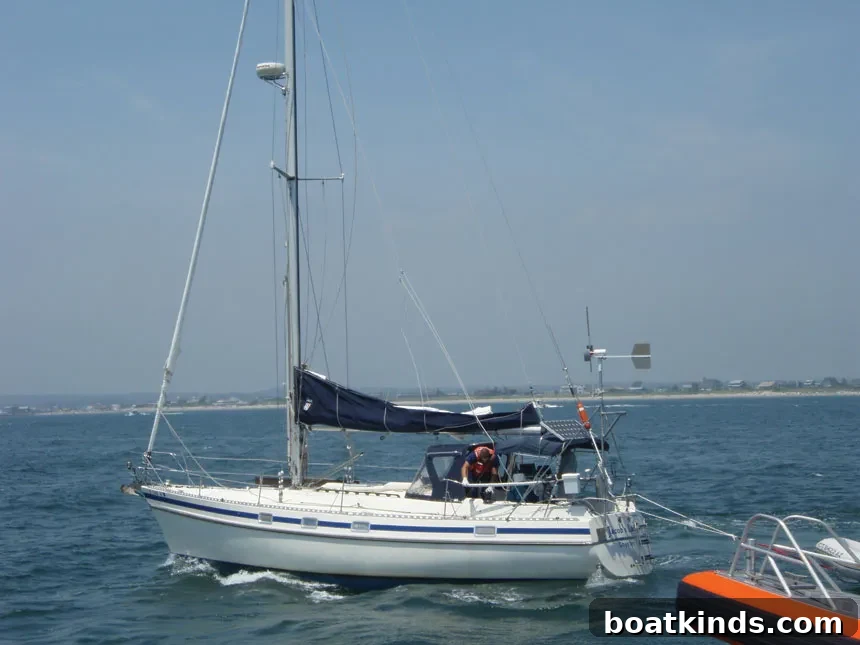
Look at the Coast Guard’s annual boating reports and you might be surprised: the most frequent reason rescuers respond is not collision, flooding, or engine failure. The single largest cause of distress calls is medical emergencies aboard vessels. While headlines often highlight dramatic rescues, the quiet reality is that illness and injury to people on board account for a disproportionate share of calls for help. Preparing for a medical problem is a crucial part of safe boating that too many skippers and passengers overlook.

For offshore cruisers in particular, collisions are relatively uncommon and usually avoidable. Fires, flooding, and mechanical breakdowns do happen, but medical incidents — a sudden cardiac event, a stroke, severe allergic reaction, diabetic emergency, or traumatic injury — are the ones that most often create life‑or‑death situations. No amount of seamanship will prevent every medical crisis, so preparation and planning are your best defenses.
Time vs. Distance
Every mile you put between your boat and the dock increases the time to definitive medical care. Even a fast run offshore can add many minutes or hours to a patient’s arrival at a hospital. A short trip across open water can easily leave you two or more hours away from advanced treatment. That delay matters: early recognition and timely intervention often determine outcomes in strokes, heart attacks, serious bleeding, and other acute conditions.
Part of preparing is knowing the health status of everyone aboard. Before casting off, ask passengers about chronic conditions, relevant medications, allergies, and emergency contacts. Too often people assume their friends or crew know this information, but in an emergency responders and medics rely on accurate, concise medical details to treat a patient effectively. When the boat is far from shore every minute counts, and clear medical information can speed care and improve results.
A simple, low‑key way to share that information is a sealed medical envelope. Give the envelope to a trusted person when you board, with instructions to hand it to emergency responders if you become incapacitated. Inside, include a one‑page summary with medical history, current medications, allergies, your primary care physician’s contact, insurance details, and next‑of‑kin phone numbers. The envelope protects privacy while ensuring first responders get the facts they need quickly.
Prescription Medicines: Bring Them
A half‑day outing can become an unplanned overnight in many ways: mechanical failure, grounding, unexpected weather, or a medical problem that prevents a quick return. If passengers don’t bring essential prescription medicines — insulin, heart medications, inhalers, blood thinners, or other chronic‑care drugs — a manageable situation can escalate.
Make it a strict rule: if a passenger requires prescription medication, they must bring it on board. Don’t assume someone else has their meds. A practical guideline is to carry at least 24 hours’ worth of medication or four times the planned duration of the trip, whichever is greater. Pack medications in labeled containers and keep them in a dry, accessible place; consider a small cooler for temperature‑sensitive drugs.
Training, Gear, and Practical Steps
Professional mariners are required to have first aid and CPR training, and many vessels carry automated external defibrillators (AEDs). Recreational boaters often lack both training and equipment, even though the risks are the same. Basic medical training — a first aid course that includes CPR and AED use — is one of the best investments a boater can make.
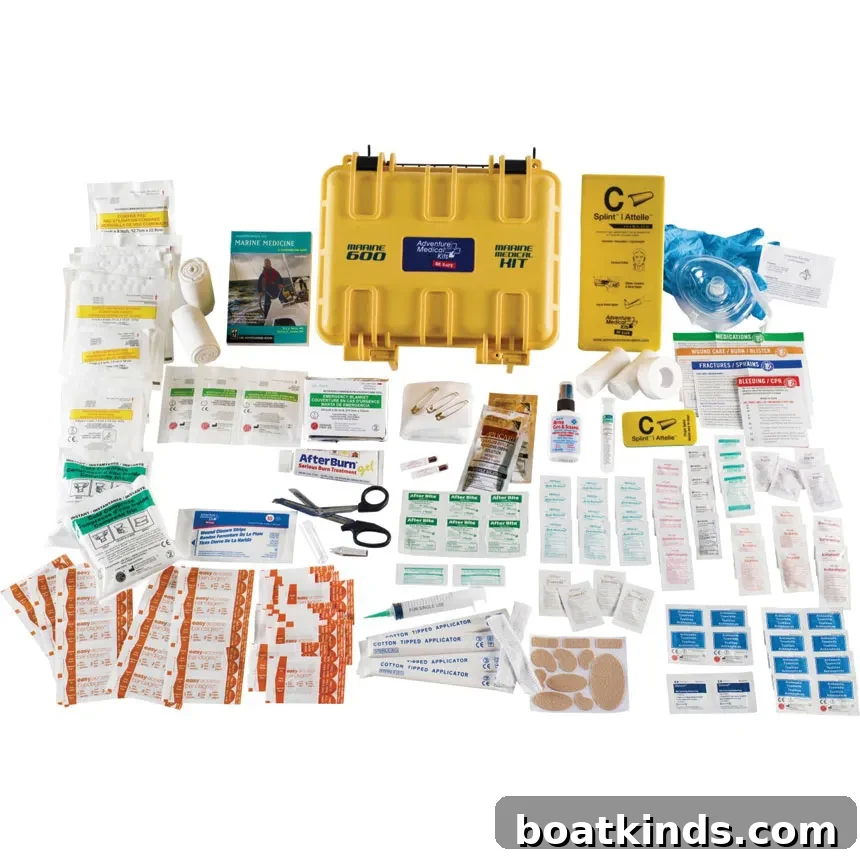
Onboard medical gear should go beyond a minimal first aid kit. A well‑stocked marine first aid kit should include supplies for wound care, bandaging, splinting, antiseptics, gloves, and commonly used medications for pain, allergic reactions (antihistamines and, if appropriate, an EpiPen), and gastrointestinal issues. If someone aboard has a specific condition, bring the supplies that condition requires (glucometer and test strips for diabetics, for example).
An AED is compact, user‑friendly, and proven to save lives when used quickly in cardiac arrest. Combine the device with CPR training so responders can act confidently. Also establish a clear plan for communication and evacuation: know how to call for help on VHF radio, designate who will manage communications and navigation while another crew member attends to the patient, and identify the closest ports and medevac options along your route.
Finally, practice scenarios with your regular crew. A short drill on responding to a collapsed passenger, using the radio, or locating the medical envelope reduces confusion and speeds care when a genuine emergency occurs.
This article originally appeared in the April 2018 issue.