Conservative Cruisers: How Frank and Celene Varasano Live the Snowbird Boating Life
Frank and Celene Varasano describe themselves as conservative cruisers. Their Fleming 78 can reach more than 20 knots when needed, but on the long coastal runs they prefer a relaxed pace—typically around 10 knots and only in good weather. “Even trying to do a trip to Nantucket and back from New York when you have a week or two, it’s not the same as when you have the luxury of time,” Frank says. “Having the flexibility to do what you want, when you want, is absolutely huge.”
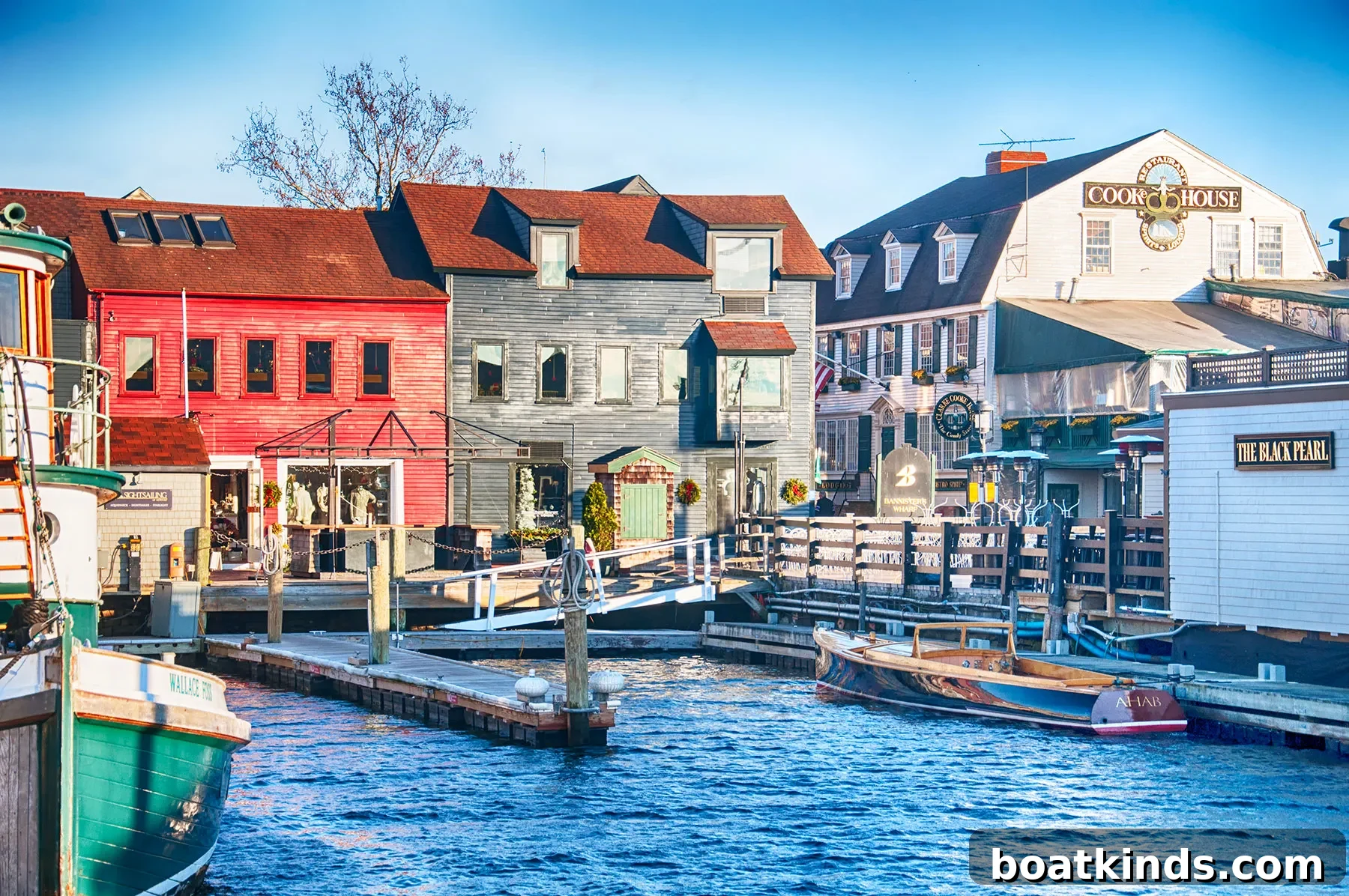
The Varasanos’ trawler—simply named V because “we think a lot of people try too hard with boat names”—is one of many vessels in the snowbird migration that winters in Florida and spends summers in New England or the Great Lakes. Each year these cruisers follow the seasons, and an increasing number stop at marinas run by Safe Harbor Marinas, which now operates more than 115 locations in 22 states, including recently acquired Lauderdale Marine Center in Florida and Puerto del Rey in Puerto Rico.
“They’re buying up marinas in very desirable areas where people want to go because there are either nice towns or the area is beautiful with natural resources, state parks, things like that,” says Capt. Cory Koch of the 114-foot Ocean Alexander Ziggy, who also moves regularly along the coasts. “All the docks are either retrofitted or new, and the power sources are getting better at all these marinas. These boats require a lot of power; some older marinas can’t accommodate us.”
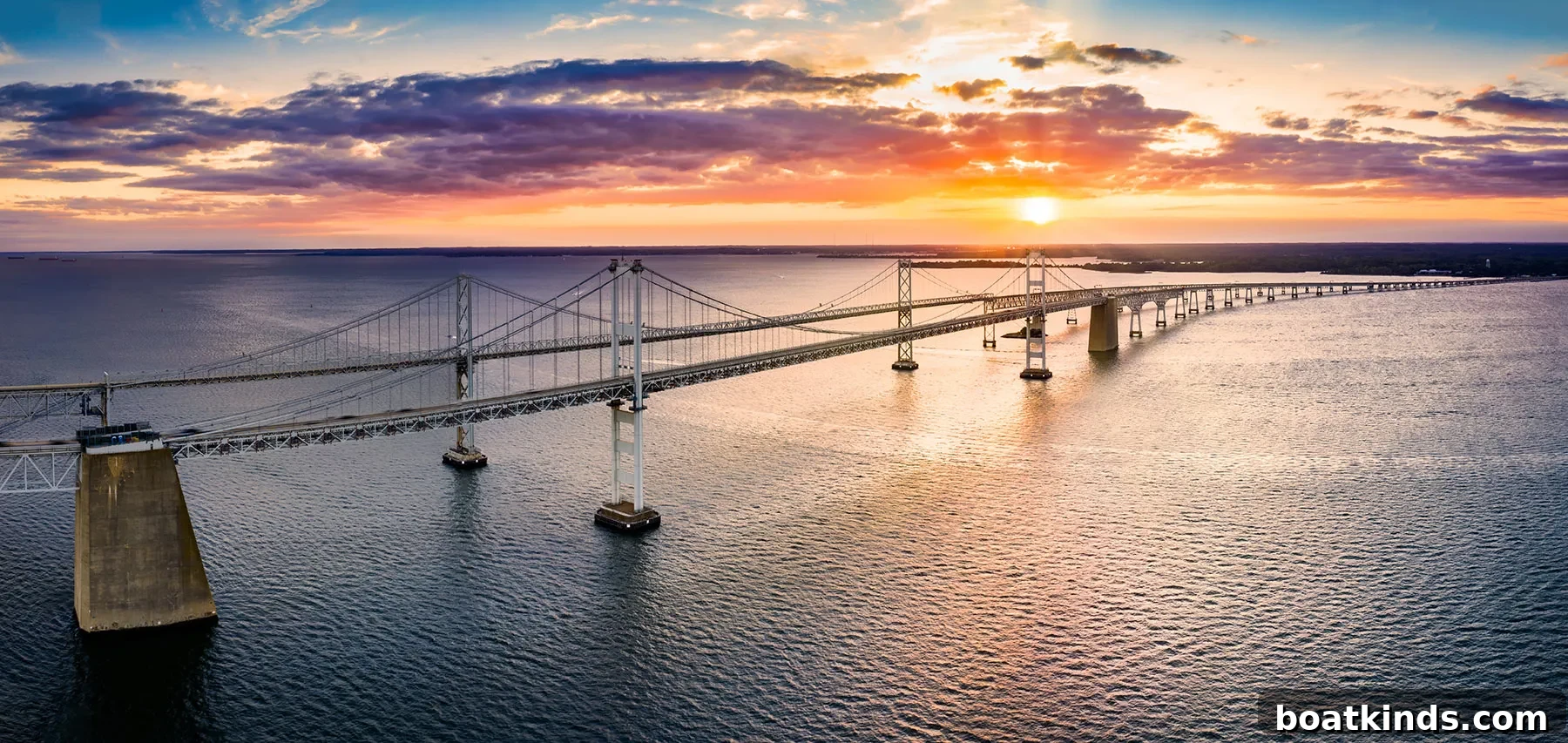
The Varasanos plan their routes to mix stays at Safe Harbor marinas with other facilities and anchorages, choosing between secluded coves and lively city stops. “We do really pretty, secluded anchorages as well as towns, even cities, like Boston, where we go downtown,” Frank says. “Wherever we can do a Safe Harbor, we like them. They tend to be upscale and well run. There are good people working in those marinas that we can count on.”
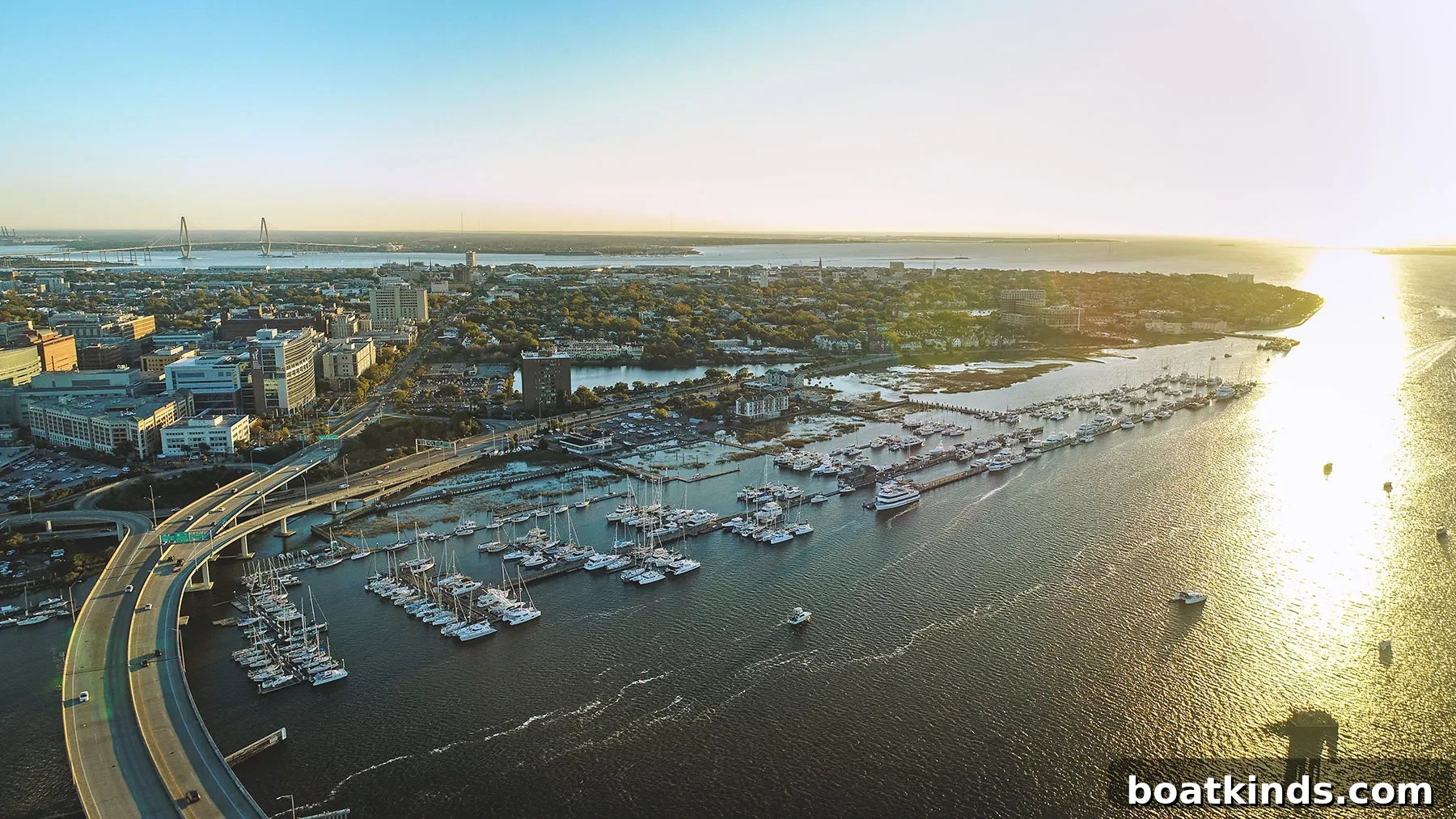
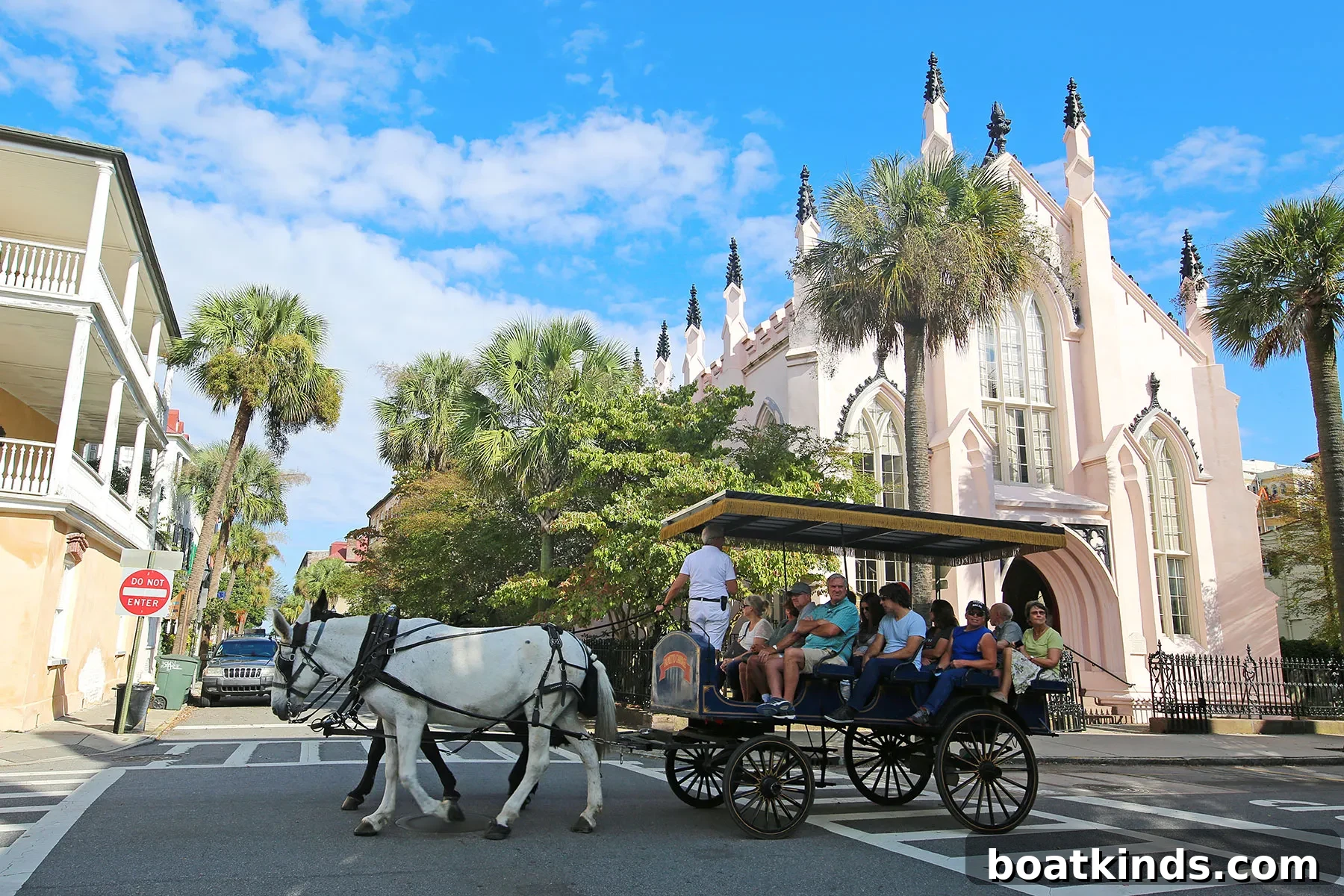
Charleston City Safe Harbor in South Carolina is a favorite city stop. The couple has tied up there many times and appreciates the historic downtown, the walkability, and dining options. “This year, we’ll stop there on the way down for a few days, but coming back up, we’re going to spend all of April there,” Frank says. “It has superb, New York-quality restaurants. It’s fun to just walk around in Charleston.”
When maintenance is required, Frank prefers dealers and yards he trusts. For Fleming work he aims for Burr Yacht Sales in Edgewater, Maryland, or Stuart, Florida. The Maryland stop is also meaningful because he’s a United States Naval Academy graduate with friends in the area. If they’re in New England and need urgent work, Safe Harbor Newport Shipyard in Rhode Island is where they go—Frank trusts it “because they’re a real yard with real capability.”
Koch agrees that Newport is a standout destination. Beyond the attractive waterfront and walkable streets, Safe Harbor Newport Shipyard itself feels like a place to linger. “What a neat area, just to sit there and watch them work on boats, or to watch the boats coming and going,” he says. “There’s a restaurant there too, called Bella’s Café. Tourists love to go there and just observe everything happening. It’s a pleasant place to sit with these beautiful tents.”
Good planning helps the Varasanos stay comfortable and flexible on the move. They build multiple waypoints into each passage and include “bailout points” when traveling outside the Intracoastal Waterway so they can change course if weather turns bad. “We always have backups and where exactly we would go,” Frank explains. “The hardest part is that if the weather turns bad and you can’t get to Marina A on the date you have the reservation, it’s a domino effect. That’s the hard thing to deal with. Ideally, there would be a system in place where you pick the places you want to go and you make the reservation, but in the event you get delayed at the first location, all of the other reservations ratchet back a day. That would be very helpful.”
On average the Varasanos cover 60 to 100 miles a day, which allows them to visit 15 to 20 stops along the coast. They avoid overnight passages and prefer six- or seven-hour days in spring and fall, giving them flexibility to linger where they like. “We don’t cruise the boat at night, ever, even offshore,” Frank says. “We try to do six- or seven-hour days in both the spring and the fall, which gives us flexibility. We occasionally do long days. We almost never do very short days; getting the boat underway and doing all of that is pretty time-consuming. Once you’re underway, it’s nice to put some miles on.”
Equally important to planning and seamanship is having the right partner on board. Without professional crew, the couple depends on shared goals and complementary skills. “The other person on board is very important,” Frank says. “Many, many wives wouldn’t be interested in doing what Celene does. She’s a true mate. She’s very capable.”
Perhaps the biggest adjustment for the Varasanos was mental rather than mechanical: letting go of the rigid schedules their careers demanded. “It took me over a year to figure out that I didn’t need a schedule after I retired, and that’s the key thing—to not have a rigid schedule,” Frank reflects. “You should stay longer if you like a place or leave early if you don’t. That’s how we do it. It works for us.”
This article was originally published in the January 2022 issue.