
Adrienne Culpepper says the first thing most customers notice when they step into the business she runs with her husband, Michael, in Galveston, Texas, is the smell. “When people who have worked on rigs or ships walk into our shop, they breathe in and say, ‘Aaahh, I love that smell,’” she recalls. That distinctive scent—salt, oil, old brass and varnish—announces a place filled with maritime history and salvaged treasures.
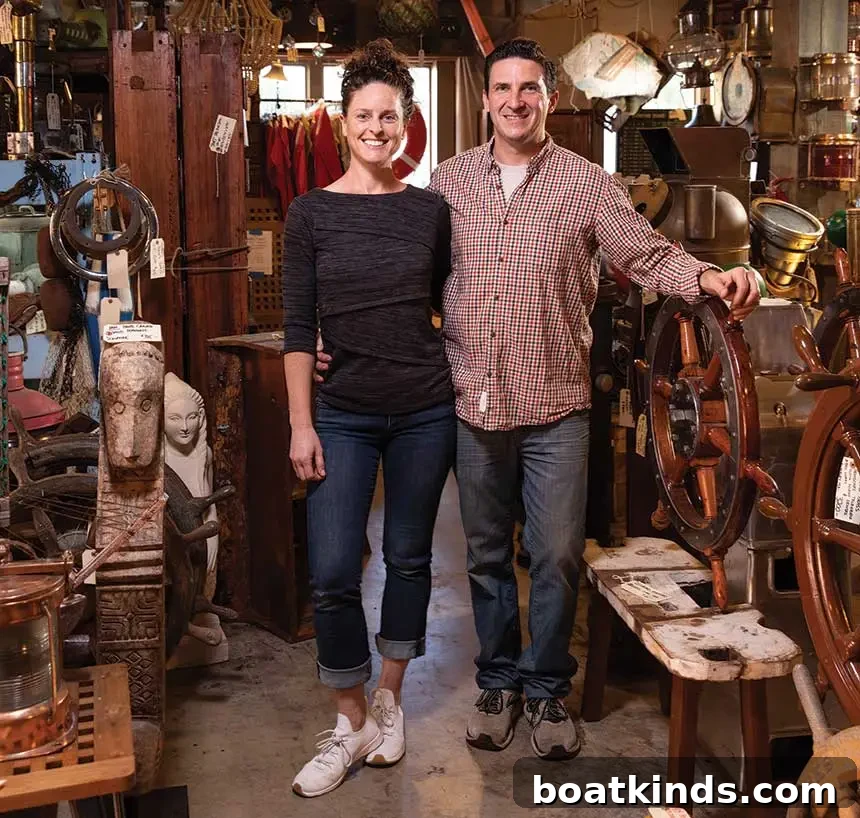
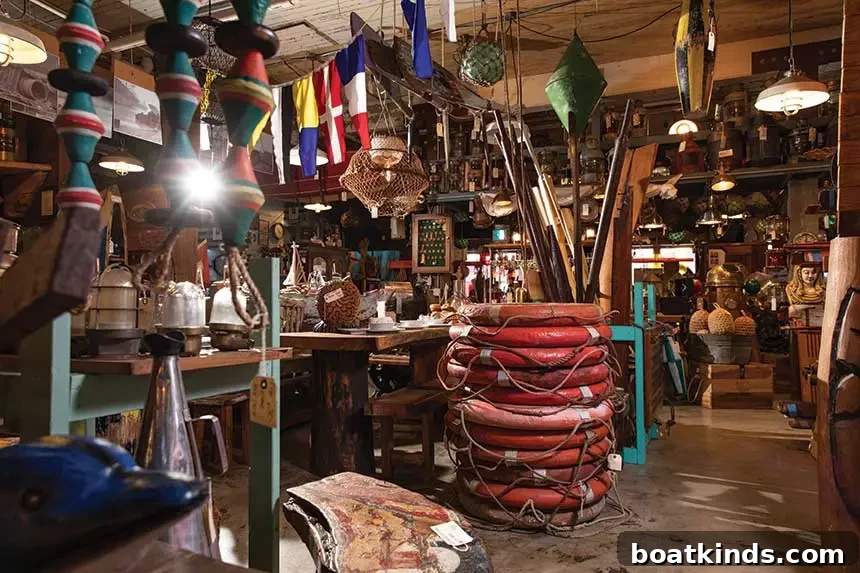
Their shop, Nautical Antiques & Tropical Décor, is a curated trove of items rescued from vessels ranging from cruise liners and oil rigs to cargo ships and private yachts. Many pieces predate the customers who admire them. Without the Culpeppers’ salvage work, these objects would likely have been discarded at ship-breaking yards in India, Bangladesh, Pakistan and Turkey. Adrienne notes that the findable material is finite: modern shipbuilding uses less brass and vintage hardware each year, so the pool of historically interesting parts keeps shrinking.
The family’s involvement in importing and nautical décor began with Michael’s father, who handled a variety of imported goods—from shells to bone blanks for knife handles. He eventually started importing salvaged maritime goods, including Japanese glass floats, which steered the family toward nautical antiques. After college, Michael opened Nautical Structures in January 2000 and soon after met Adrienne, who was studying maritime administration at Texas A&M University. They combined their experience and interests into the current business.
In the early years, limited cash flow meant the Culpeppers visited ship-breaking yards only every two or three years. Each trip expanded their appreciation for the scale of the industry. Ship-breaking yards can be as large as major airports but stretched out along beaches, with hundreds of dry slips where vessels are grounded and dismantled. Michael describes how a single yard in India can have as many as 200 slips, meaning hundreds of ships can be in the process of being broken down at once. The labor is massive: entire families often live and work at the yard, taking apart ships with hammers, drills and cutting torches, while more vessels await their turn further out in the water.
Access has changed since those early days. When the business was new, Western visitors sometimes had to be discreet to get into yards. Today the Culpeppers work with trusted local spotters and contacts who know which vessels contain desirable pieces and what the couple is prepared to buy. They spend about a month each year—typically in November—traveling among the yards they still visit in person. Pakistan’s yards are now too risky to visit directly, but they maintain relationships there and in other countries so their partners can inspect ships and purchase items on their behalf.
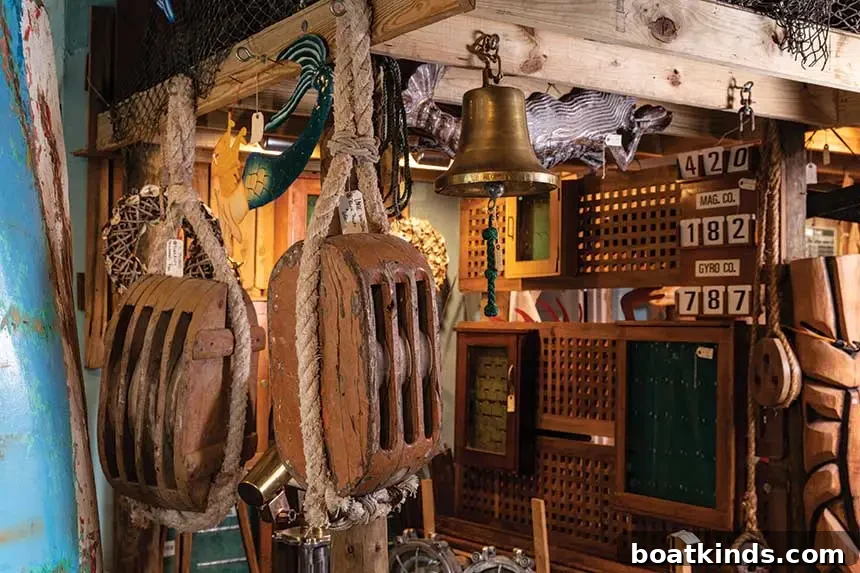
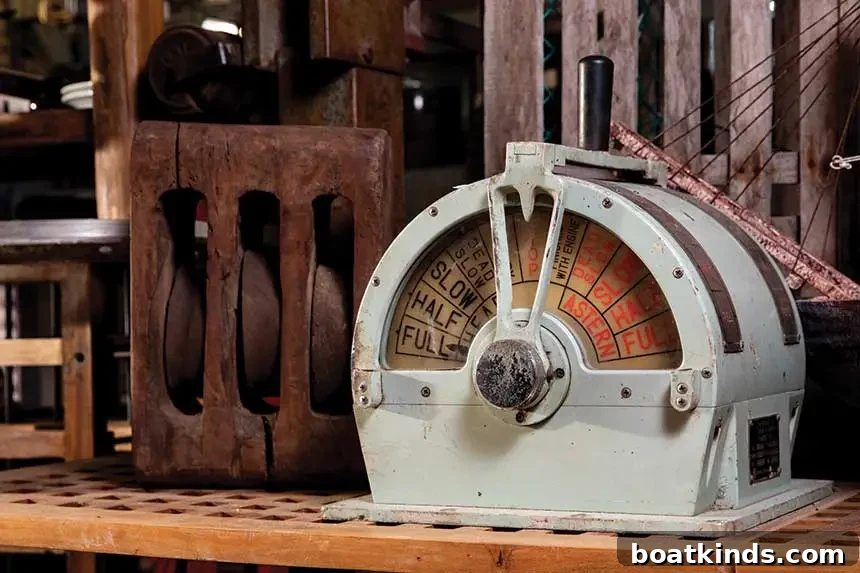
The kinds of salvage that draw Adrienne and Michael are those no longer produced for modern vessels. They target hardware, fixtures and decorative items that evoke a maritime past: brass portholes from ships built through the 1970s, large wooden pilothouse wheels that are often taller than the helm itself, original porcelain crockery stamped with shipping line emblems, brass compasses, bells, navigational lights and other authentic nautical fittings. Today’s yachts and commercial boats more commonly use aluminum, plastic, or compact electronic controls like joysticks, so the large, tactile pieces the Culpeppers prize are increasingly rare.
Crockery and china with company insignias are especially prized by collectors and decorators. Adrienne explains that modern shipbuilders rarely invest in custom porcelain; most tableware is now plastic or cheaply made overseas. Finding intact plates, cups and serving pieces often involves digging through piles of discarded items in the yards—sometimes pulling pieces out that crews have been using for daily meals—so patience and a reliable network of spotters are essential.
Their customers are varied: boat owners who want authentic accents onboard, homeowners furnishing beach houses, restaurant owners seeking maritime character, and boutique retailers buying display props. Michael says clients look for items that deliver the right ambience—wooden accents, life rings, and weathered brass—that create a genuine nautical aesthetic. The shop’s inventory serves interior designers and individual collectors alike, offering unique pieces that lend authenticity and history to commercial and residential spaces.
The Culpeppers are part of a small, specialized circle of people who source salvage from ship-breaking yards worldwide. When Michael’s father began in this niche about 25 years ago, only a handful of buyers were regularly going to the yards. That select community developed deep knowledge, trusting relationships and a shared understanding of what vintage maritime items were worth. Today the field remains limited: as older ships disappear and manufacturers change materials and designs, fewer historically interesting pieces reach the market.
To keep a steady supply, the couple supplements yard finds with private purchases and curated acquisitions. Salvaging is not a growth industry; it’s a careful, patient pursuit that requires travel, physical effort and the ability to restore and repurpose items for modern use. For Adrienne and Michael, the work is also a passion. They enjoy travel and the thrill of discovery—balancing trips that are mostly work-related with a few days of leisure when possible. Even in destinations like Bali, they blend business and pleasure, always on the lookout for the next salvage opportunity.
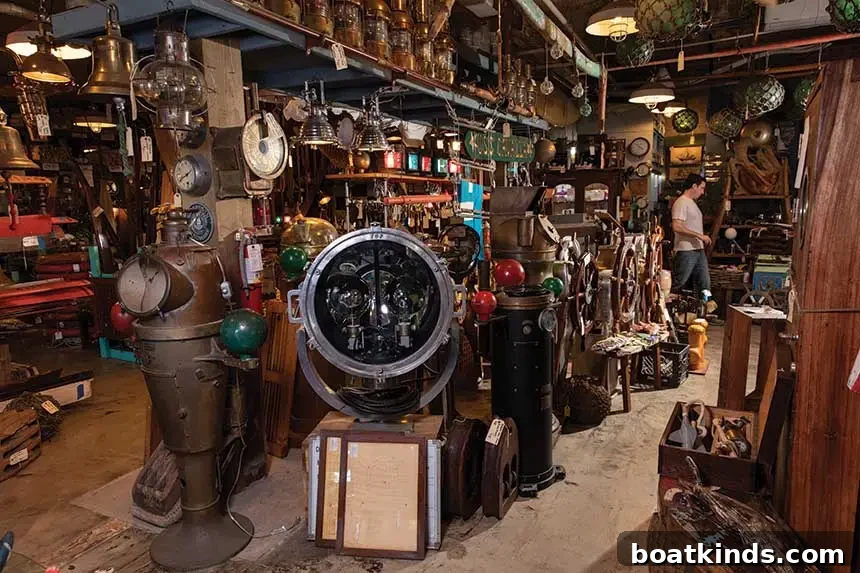
The conditions in the yards can be harsh—the heat, chemical smells, cutting torches and residues from engine rooms all combine into a distinctive, sometimes overpowering odor that not everyone can tolerate. Yet the Culpeppers find value in preserving objects that tell maritime stories. They restore compasses, polish bells, recondition lights and repair wooden wheels, aiming to pass these items on to new owners who appreciate their history and craftsmanship.
Aware that the supply of classic maritime hardware is dwindling, Adrienne and Michael plan to continue their work as long as worthwhile items remain to be found. They see each rescued item as deserving of refurbishment and a second life in homes, boats or businesses that value authenticity. “While we like what we do, we know that there is an end in sight,” Adrienne says. “Even the people we work with know that the days of us buying eight containers worth of salvaged gear are limited.”
This article originally appeared in the March 2020 issue.