How I Added Gunwale Rod Holders to My 27-Foot Pathfinder
Gunwale rod holders are essential for serious anglers. While many boats come with a few factory-installed holders, most anglers benefit from adding more to keep rods handy, organized and ready for action. My 27-foot Pathfinder arrived from the factory with six rod holders in the cockpit gunwales, two in the transom and two more near the bow casting platform. The stretch between the console and the bow, however, was empty. I decided to install three additional rod holders on each side and documented the process from planning to finish.
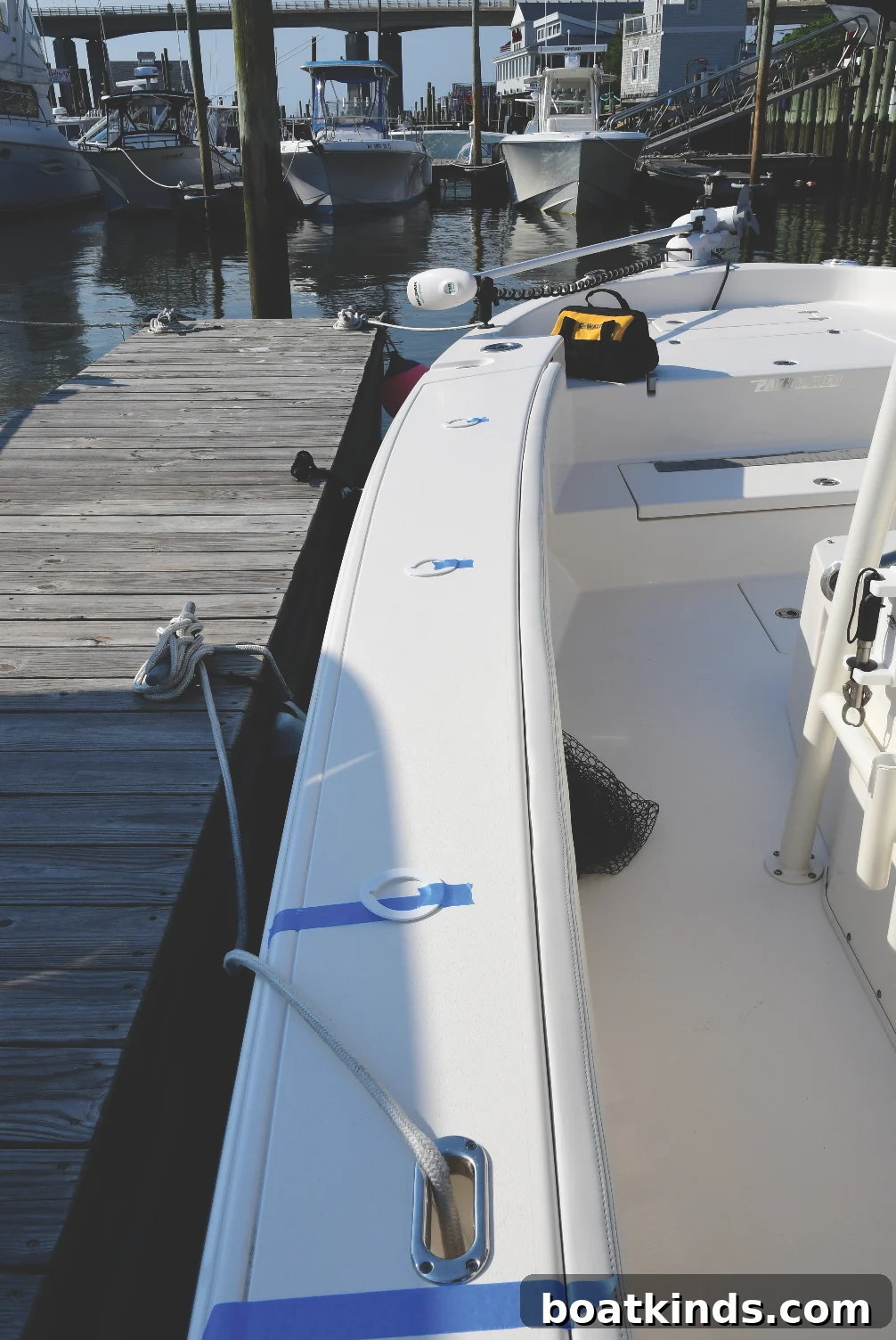
Since the last time I undertook a project like this, rod holder designs and specialty tools have improved, making a professional-looking installation much easier for do-it-yourselfers. I researched options and spoke with Ash Gravely, vice president of product engineering at Gemlux, a major supplier of marine hardware. Gemlux offers a wide range of rod holders—standard-duty, heavy-duty and heavy-duty swivel models—in stainless steel and titanium, with offsets of 0, 15 and 30 degrees, and both top-screw and screwless mounting systems. Learning about these choices helped me pick the right holders for my boat and intended fishing activities.
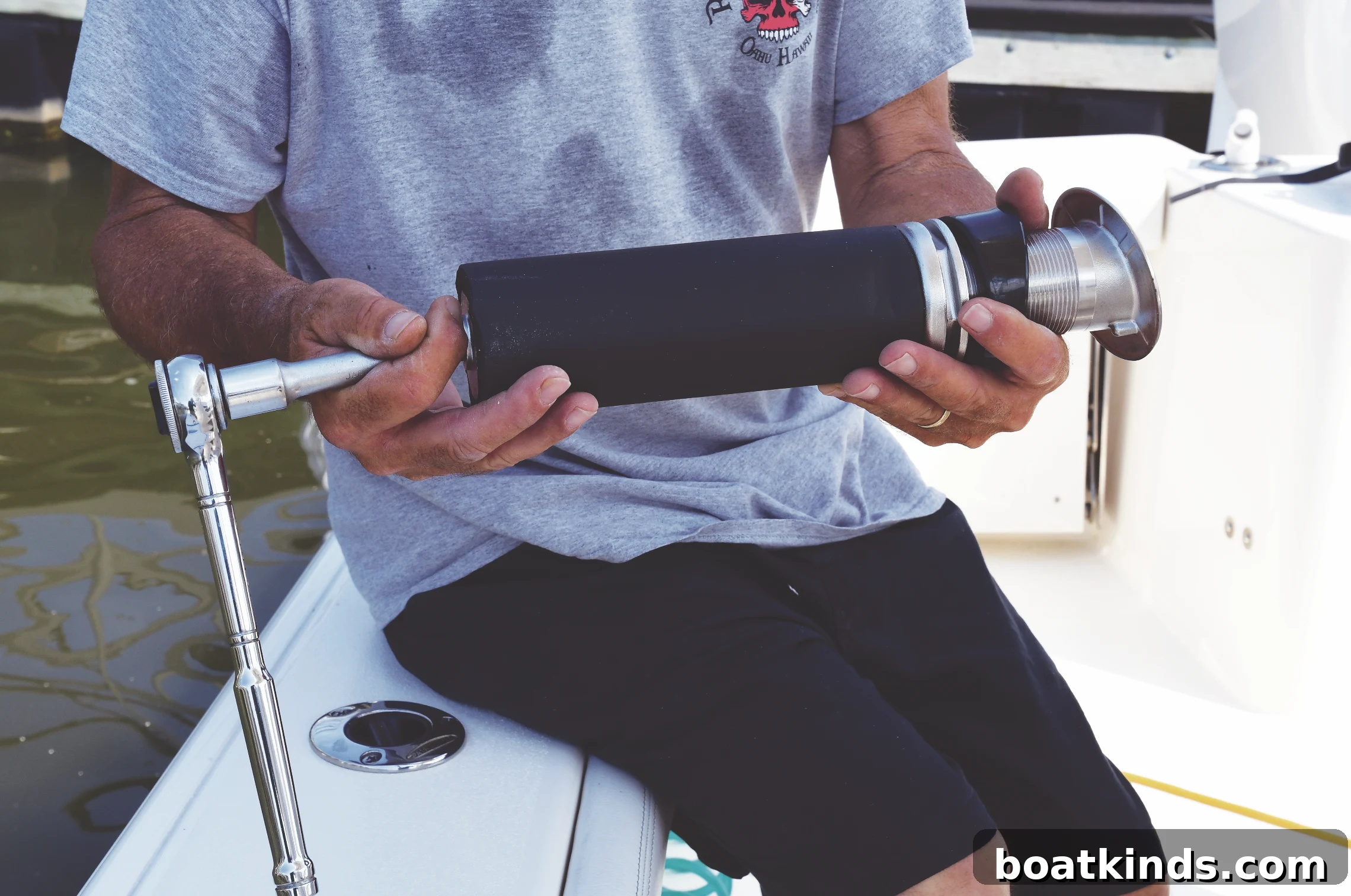
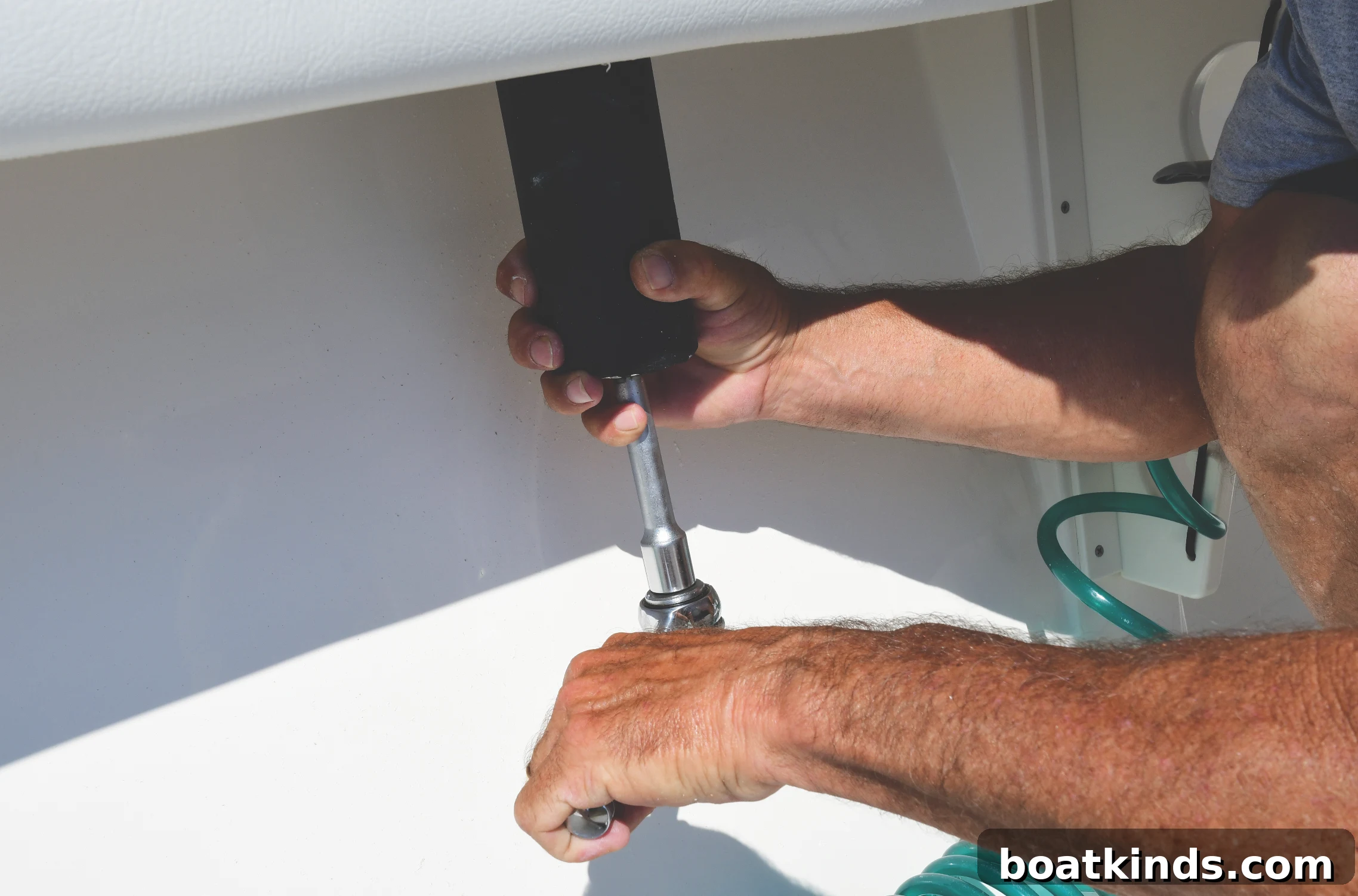
Before installing any rod holder, evaluate the gunwale carefully. Key considerations include whether you have access to the underside of the gunwale, what material was used for coring (wood, balsa or foam), and whether the gunwale is a structural component or a removable insert, as found on many late-model boats. Also consider the intended use for each holder: trolling, deep-dropping with electric reels, or fighting large fish all demand heavier-duty models and larger-diameter holders.
On my Pathfinder the cap in the target area was not structural and was cored with composite foam, which made it suitable for standard-duty, screwless stainless-steel rod holders. For a center-console layout like mine, Gemlux’s diagram recommended a 15-degree offset for this location, and I had open access beneath the gunwale—ideal for installing screwless holders secured from underneath with a large nut and spacer.
My tool list was simple: six screwless rod holders, the Gemlux drill guide tool and rod holder socket, a 1/2-inch-drive socket wrench, an electric drill, a 2-1/8-inch (54 mm) hole saw, and a generous tube of 3M 4200 bedding compound with a caulking gun. I also used blue painter’s tape, a tape measure, pencils and a black marker for layout, plus alcohol and rags for cleanup. A second person to help measure and hold templates made the process faster and more accurate.
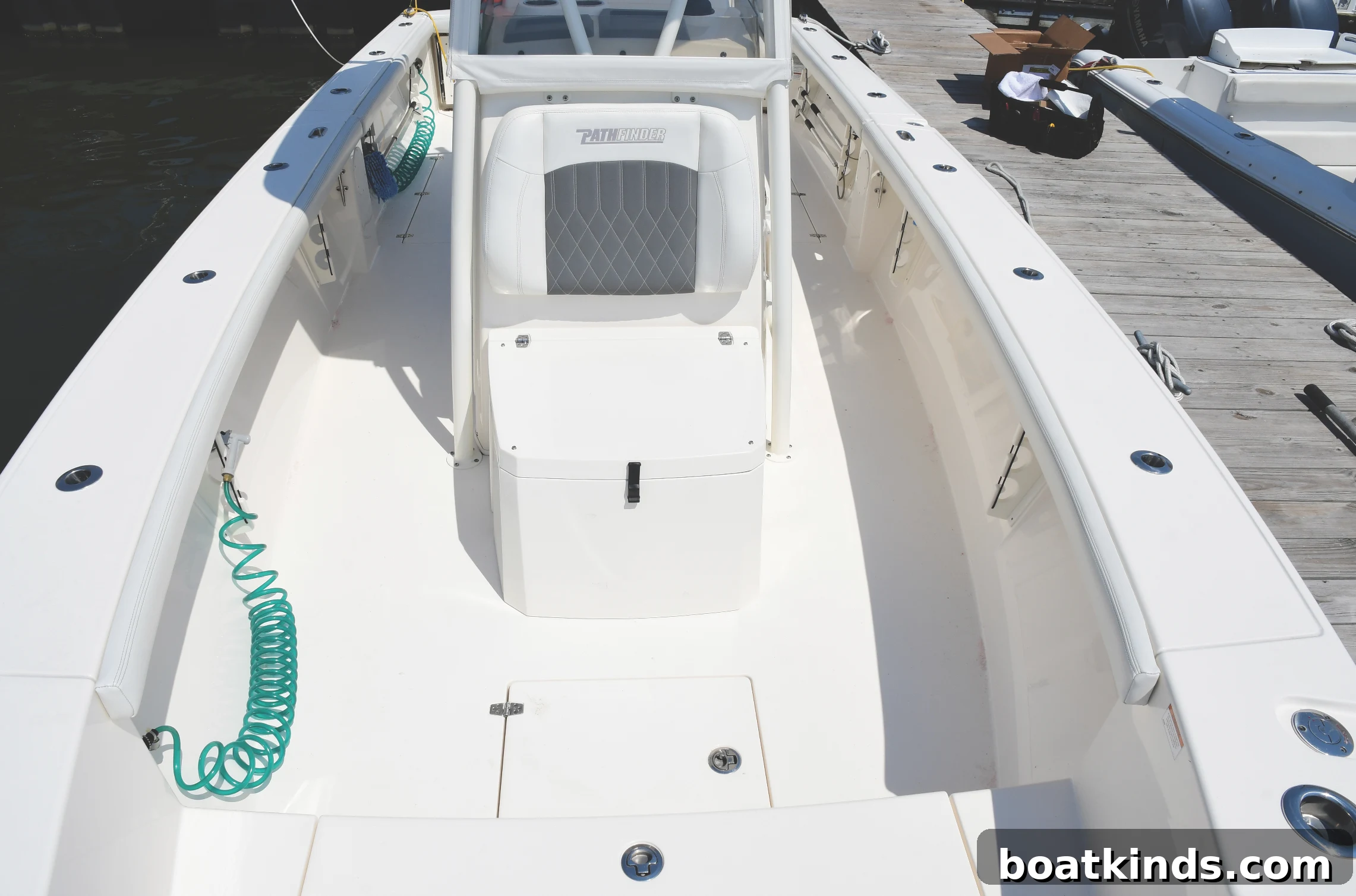
The entire installation of six rod holders took about two hours. I established placement by measuring forward from the spring-line hawse pipe as a fixed reference, marking three positions along the port gunwale and then repeating the layout on starboard. I followed the gunwale’s curve so the aft-most new holder aligned with the existing cockpit holders and the forward-most lined up with the bow’s cup/rod holder. The rod holder crown came with a white gasket that I didn’t use because I planned to bed each unit with 3M 4200, but the gasket was useful as a template to outline the crown for positioning the drill guide.
The Gemlux drill guide tool is essential for creating an accurate, angled pilot hole. The guide includes a drill bit and a long steel shaft that replaces the center bit of the hole saw. It anchors to the deck with four small self-tapping screws for stability while drilling. The tool also has a second guide used to cut a keyway notch that matches a key forged into the bottom of the rod holder—this prevents the holder from twisting under load.
After drilling the pilot hole and cutting the key notch, I removed the guide screws and used the hole saw with the guide shaft to cut the angled crown opening. I applied 3M 4200 to the inner edge of the hole and a generous bead to the underside of the rod holder crown. From beneath, I slid the large spacer and nut onto the shaft, hand-tightened to set the angle, then snugged the nut with the rod holder socket and 1/2-inch wrench. Excess bedding compound was wiped away with a wet alcohol rag. I repeated the process five more times, resulting in a clean, secure installation that improved both function and the boat’s appearance—now I always have a rod within arm’s reach.
This article was originally published in the October 2024 issue.