
Can You Canoe?
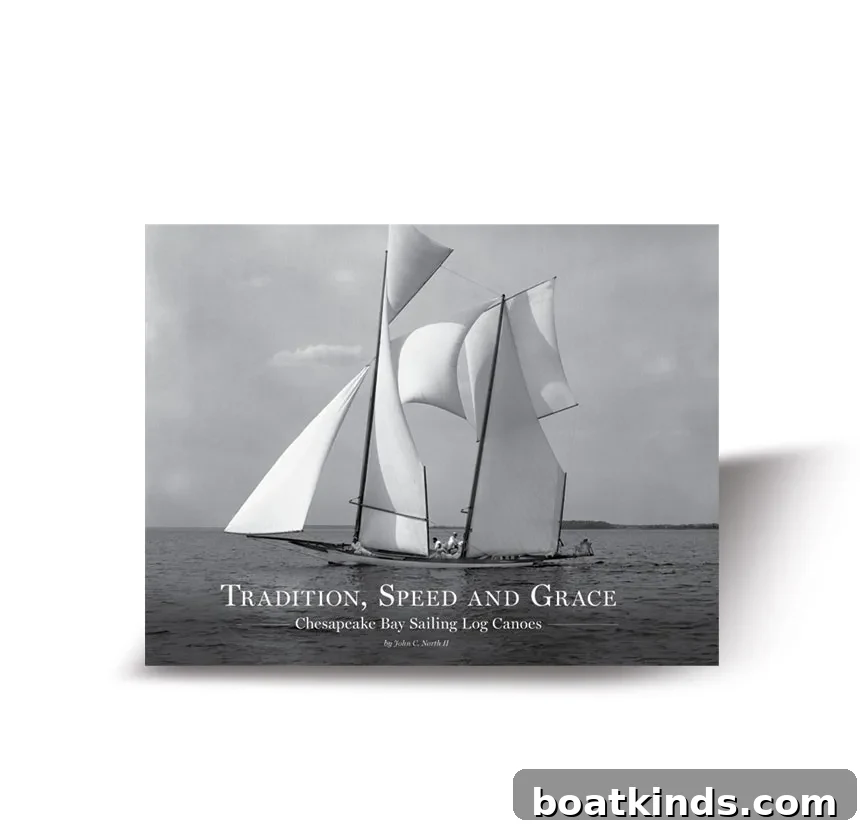
Chesapeake Bay log canoes are striking vessels: tall masts, an abundance of sail for their size, and a distinctive crew setup that requires sailors to perch outboard on long wooden hiking boards to keep the boat balanced and upright. These graceful yet overpowered boats are at the heart of a summer tradition on Maryland’s Eastern Shore, where races combine seamanship, skill and a strong sense of community. In Tradition, Speed and Grace, author John C. North II draws on seventy years of hands-on experience with log canoe racing and preservation. His family campaigns four of these historic craft, and North himself captains Island Bird, the log canoe his great-grandfather built in 1882.
The book is a compact, richly illustrated volume—150 pages with more than 140 photographs and drawings—that documents both the technical aspects of handling log canoes and the human stories that keep the tradition alive. Readers will find vivid imagery of crews hiking out on planks, the physics of wind and heel, and the work involved in restoring and maintaining wooden hulls exposed to the Bay’s changing tides and weather. The narrative blends history and firsthand accounts to celebrate the maritime culture of the Chesapeake while offering practical insight for anyone curious about classic boat handling or traditional boat preservation. Price: $65 (Chesapeake Bay Maritime Museum).
A Grand Adventure
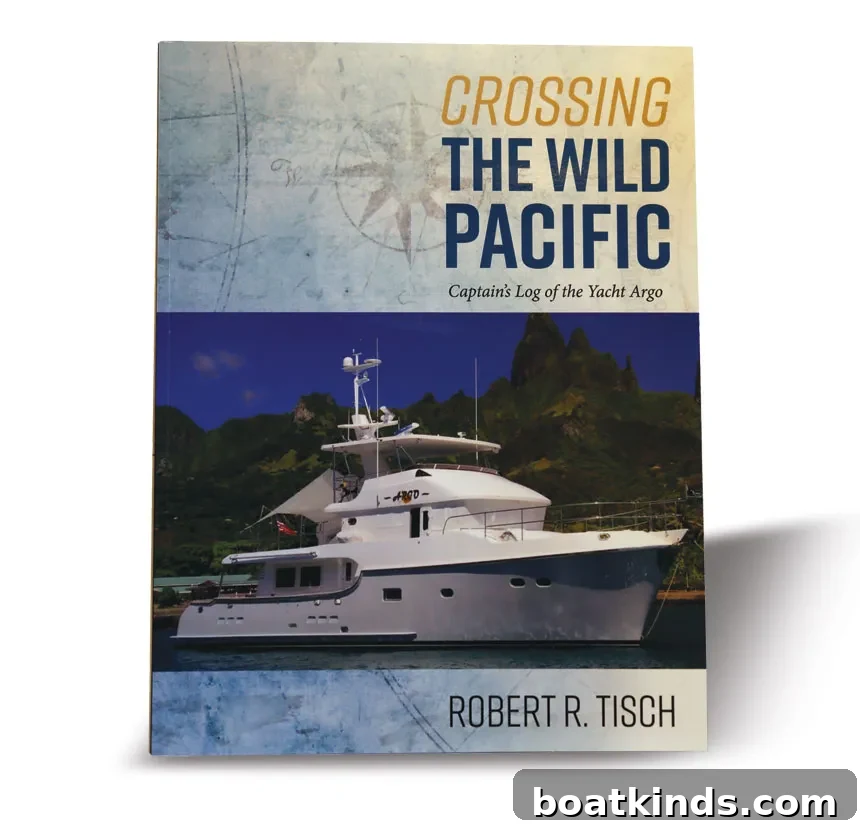
Randy and Rebecca Tisch charted an ambitious course aboard their Nordhavn 68, Argo, taking the vessel from Florida halfway around the world to New Zealand. Their book, Crossing The Wild Pacific, reads as a voyage memoir and practical cruising guide in one. As they move from port to port, the Tisches describe not only the cultural and historical contexts of the places they visit but also the logistics that make extended cruising in remote regions possible—route planning, provisioning, maintenance, and adapting to local conditions.
The book traces Argo’s day-by-day progress and brings to life the realities of long ocean passages: fierce storms that test a crew’s endurance and seamanship, threading coral-lined channels through atolls, and the mental and logistical challenges of an 18-day open-ocean transit from the Galápagos to the Marquesas. Those who dream of long-distance passagemaking will appreciate the balance of adventure narrative and hands-on detail. The story emphasizes how careful preparation, seamanship, and flexibility allow experienced cruisers to explore distant places safely while engaging respectfully with the people and environments they encounter. Price: $14 (BookBaby).
Swell, Surf and Sail
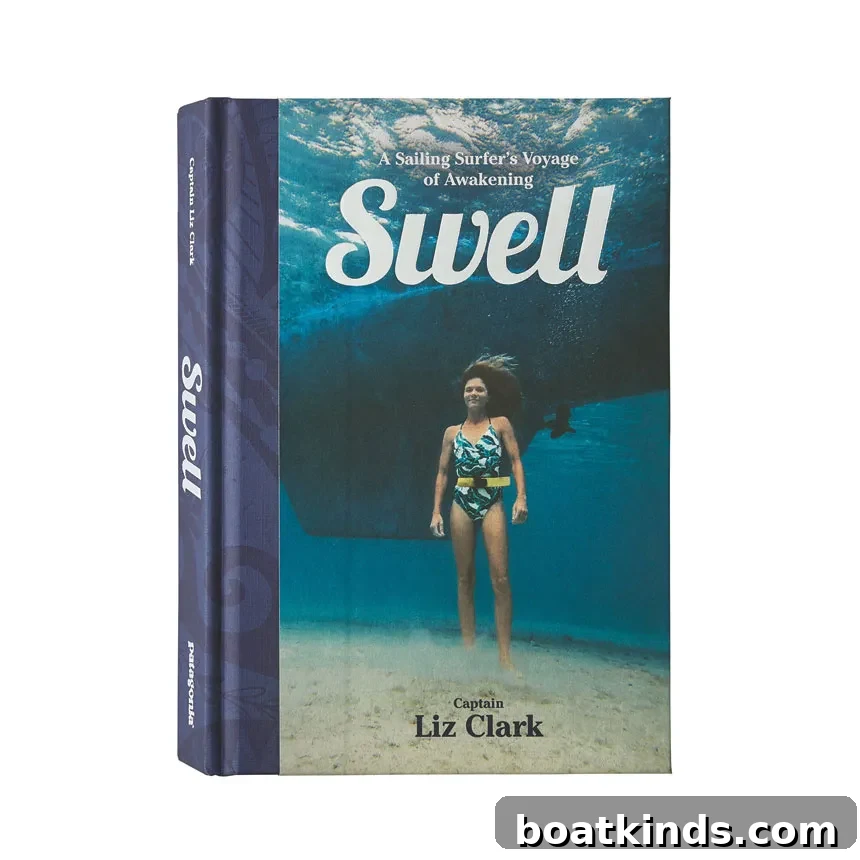
Surfer and sailor Liz Clark set off from San Diego more than a decade ago aboard her Cal 40, Swell, and the journey has taken her more than 20,000 miles across oceans to remote islands of the South Pacific. In Swell, Clark delivers an honest, unvarnished account of ocean voyaging—far less glamorous than the postcard images many associate with blue-water cruising, but often more profound. Her narrative describes violent storms, lonely nights at sea, and the physical and emotional tolls that come with long-term, small-boat life.
Clark’s writing explores solitude, resilience, and the financial and personal sacrifices necessary to pursue a life under sail. Yet she also highlights moments of unexpected kindness and human connection encountered in far-flung ports, reinforcing a theme of hope amid hardship. For readers drawn to solo or small-crew voyages, to surf-and-sail culture, or simply to stories of personal transformation, Swell offers candid reflection and hard-earned lessons about survival, persistence and the rewards of living deliberately on the water. Price: $35 (Patagonia).
This article originally appeared in the June 2018 issue.
These three books represent distinct facets of maritime life: traditional boat culture and racing on the Chesapeake, long-range expedition cruising across vast ocean basins, and the intimate, often arduous experience of a solo voyaging surfer-sailor. Together they offer readers a range of perspectives on seamanship, community, and the personal challenges and rewards of life at sea—making them valuable reads for anyone interested in sailing, cruising, or maritime history.