
Oysters: Chesapeake Bay’s Natural Water Filters and a Restoration Priority
Oysters are among the Chesapeake Bay’s most valuable natural allies. As powerful filter feeders, a single adult oyster can strain and clean a substantial volume of water every day, helping to reduce sediments and remove excess nutrients that contribute to algal blooms and poor oxygen conditions. Historically, these shellfish played a central role in maintaining the Bay’s water clarity and overall ecological balance.
From Weekly Cleansers to Yearly Tasks
In the 1600s, oyster populations were so abundant across the Chesapeake Bay that they could filter the entire body of water in roughly a week. Today, due to severe declines in oyster numbers, scientists estimate it can take as long as a year for the remaining oyster population to achieve the same level of filtration. The dramatic change highlights how much the Bay’s natural filtration capacity has been reduced over centuries of human activity.
Causes of Decline
Oyster populations in the Bay have been devastated by a combination of factors, primarily disease outbreaks and intense harvesting pressure. Habitat loss, water quality degradation, and the removal of oyster reefs have further compounded the problem, reducing the oysters’ ability to reproduce and form the dense reef structures that once dominated the Bay’s shallows. As a result, current oyster numbers sit at a fraction of their historic levels—estimates place the population at about 1 percent of what it once was.
Restoration and the Road to 10 Billion
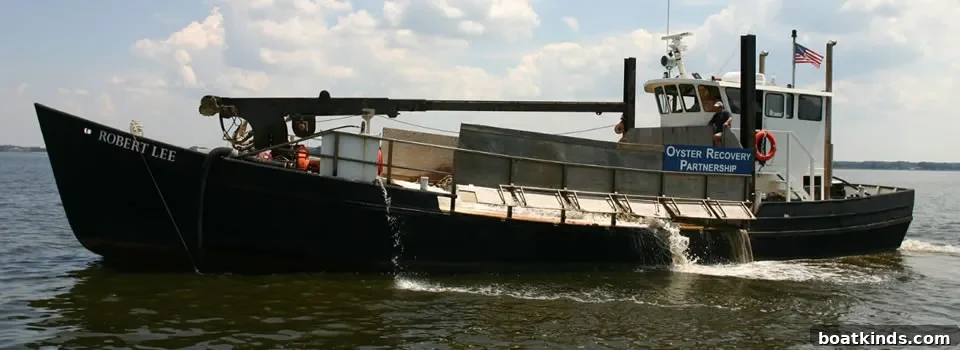
Recognizing the ecological and economic importance of oysters, a coalition of oyster farmers, universities, environmental organizations, and community groups has stepped up efforts to restore oyster populations throughout the watershed. One major restoration goal has been to increase oyster numbers dramatically, with an ambitious target of restoring 10 billion oysters to the Chesapeake Bay by 2025. Progress toward that goal relies on coordinated seeding, reef restoration, improved management of harvests, and continued reductions in pollution that impair oyster survival.
Why Restoration Matters for Watershed Health
Rebuilding oyster populations does more than revive a once-thriving industry; it strengthens the entire Bay ecosystem. Healthy oyster beds provide natural water filtration, which improves clarity and reduces nutrient loads. They also create complex reef habitats that support other marine life, including fish and invertebrates, and help stabilize sediments. As oyster numbers increase, the cumulative benefits to water quality and habitat structure can create positive feedback loops that support broader watershed recovery.
People, Partnerships, and Practical Steps
Oyster restoration is a collaborative effort. Oyster farmers bring aquaculture expertise and the capacity to raise and seed large numbers of oysters. Universities contribute scientific research on disease resistance, breeding, and the ecological effects of restored reefs. Environmental organizations and government agencies provide coordination, funding, and long-term monitoring. Community volunteers often help with hands-on restoration activities such as reef construction and monitoring juvenile oyster growth. Together, these partners combine practical restoration techniques with ongoing science to scale up recovery efforts.
Learn More and Stay Informed
Local media outlets and maritime publications have covered the restoration push, offering video reports and feature articles that document progress, challenges, and community involvement. These resources provide useful context for understanding both the historical importance of oysters to the Chesapeake Bay and the modern strategies being used to bring them back. For those interested in the Bay’s recovery, following regional news and conservation updates is an effective way to stay informed and to discover volunteer and support opportunities.
Oysters are not a silver-bullet solution, but their restoration is a vital part of a broader strategy to improve the Chesapeake Bay’s water quality and resilience. Rebuilding oyster populations will require continued scientific guidance, community engagement, and long-term commitments from public and private partners. The potential payoff—cleaner water, healthier habitats, and revitalized coastal communities—makes that work essential for the Bay’s future.