Effort Underway to Protect Tangier Island and Its Navigation Channel
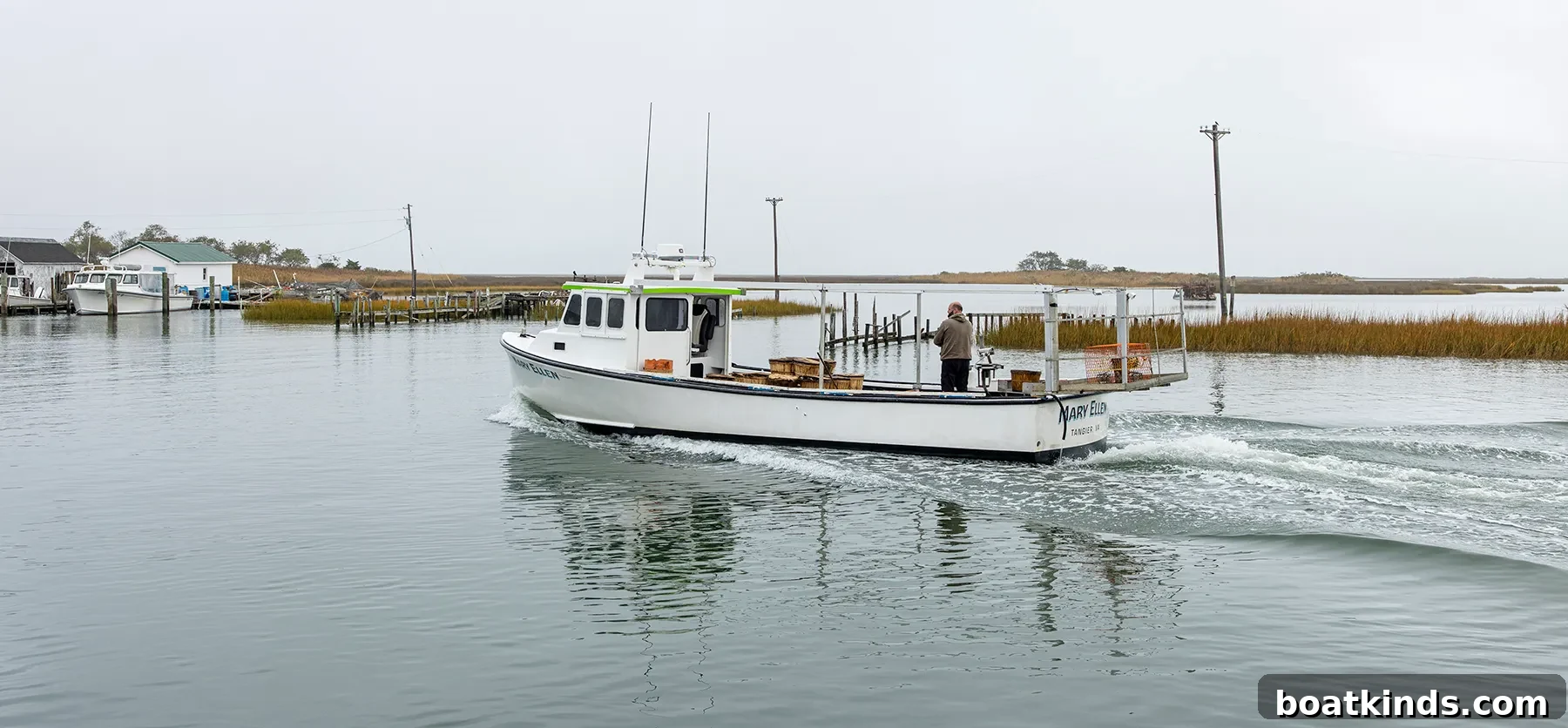
The National Park Service describes Tangier Island as “little more than a sandbar, barely rising above the raging waters of the Chesapeake Bay.” Despite that stark image, a multimillion-dollar effort is currently moving forward to stabilize part of the island and protect the navigation channel that serves its residents and visiting boaters.
The U.S. Army Corps of Engineers has allocated $300,000 this year to perform engineering analyses and studies to determine what type of structure or approach is feasible. Officials expect to spend another $500,000 next year on design work and environmental authorizations, with an anticipated construction budget of roughly $10 million in 2025 for a project intended to safeguard the boat access area.
The overarching goal is to preserve at least a portion of Tangier Island, which has seen dramatic land loss—about two-thirds of its landmass gone since 1850. Some studies project that, without intervention, the remaining dry land could transition to uninhabitable wetlands by around 2050. This project focuses on protecting the area used by boats and maintaining safe access to the island.
“One of our main priority areas is maintaining navigation,” says Keith Lockwood, chief of the water resources division of the Norfolk District of the U.S. Army Corps of Engineers. “It’s a federal navigation channel. We maintain that on an annual basis so they can bring goods and supplies in, especially in the winter months.” The channel’s upkeep is critical because the island’s community depends on waterborne deliveries for essential goods.
The proposal is controversial. Critics argue federal funds would be better spent building climate resilience in densely populated coastal cities rather than on a small, low-lying island with fewer than 800 residents. A 2016 feature in The New York Times asked whether the United States should try to save Tangier Island from “oblivion,” a question that reflects broader debates about how to prioritize limited public resources in the face of sea level rise and coastal erosion.
Supporters of the island’s protection point to its cultural, historic and environmental value. Tangier is listed on the National Register of Historic Places and is noted for its distinct local accent and traditions that anthropologists find noteworthy. The island’s surrounding waters are habitat for Chesapeake Bay wildlife, including blue crabs and migratory birds that use the island as a resting site during seasonal movements.
Lockwood emphasizes that the Corps sees the project as part of a national effort to use dredged material more beneficially. Historically, about 30 percent of dredged material was repurposed, while the rest was disposed of in unconfined ways. The Corps now aims to use about 70 percent of dredged material for constructive purposes, such as building containment structures that can both hold material in place offshore and help restore or stabilize vulnerable shorelines.
“What has occurred over time is erosion, and there has been a breach that we’re monitoring,” Lockwood explains, pointing to the Uppards area north of the channel. The Corps used a drone this summer to survey that shoreline and measure erosion rates. Officials are particularly concerned that increased erosion in the Uppards could generate sediment that deposits in the navigation channel, complicating access.
Using engineered structures to retain dredged material is not new. The Corps has implemented similar solutions elsewhere in the Chesapeake Bay and nationwide. Examples include Poplar Island, where containment facilities were designed to emulate natural stone and shoreline characteristics, and Craney Island, which was shaped to meet the specific needs of the Norfolk area. The current Tangier Island analysis will help determine what construction materials and design would best match local conditions and look natural in the bay landscape.
“We’re going through that initial analysis now: What are the physical features that are out there right now, and how big could our placement site be?” Lockwood says. “What would those materials be?” The answers will shape the project’s final design and environmental compliance work.
Another advantage in favor of the project is that the Army Corps already has responsibility for keeping the Tangier Island channel clear under its routine navigation operations, which helps justify funding. “There’s a portfolio of navigation projects we manage, and this is a high-priority navigation channel because it’s a critical harbor refuge, a subsistence harbor,” Lockwood notes. For island residents, the waterway is their only reliable route for supplies and transportation.
Looking ahead, the Corps says recreational boaters should continue to have access to Tangier Island. Maintaining the marked navigation channel is central to that promise. Shoaling and sand movement can occur naturally, so boaters are always advised to stay alert, but the Corps reports it has secured adequate funding so far to maintain safe access in and around the island for years to come.
This article was originally published in the October 2023 issue.