
A Life at Sea: Deciding to Cruise Again
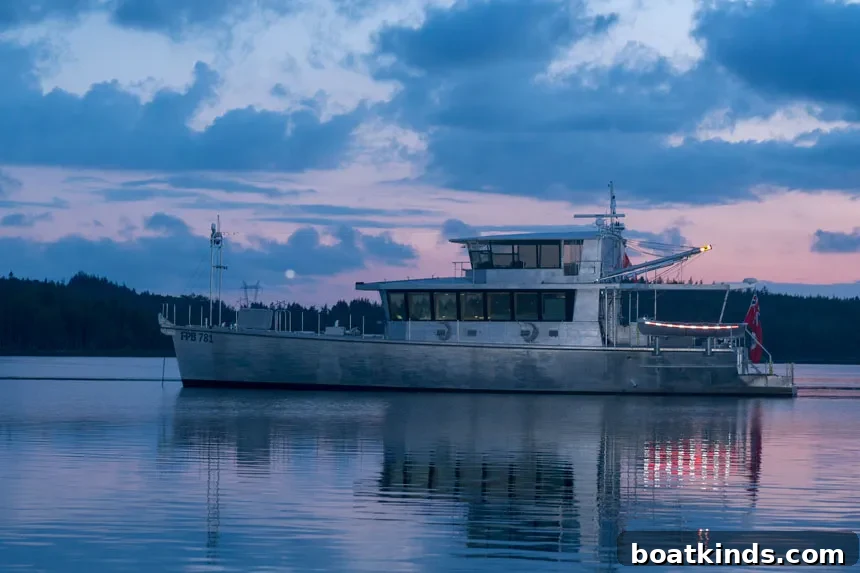
The Nespresso machine hisses while Linda prepares a watch-change latte. A pale light beneath the eastern clouds promises another beautiful morning at sea.
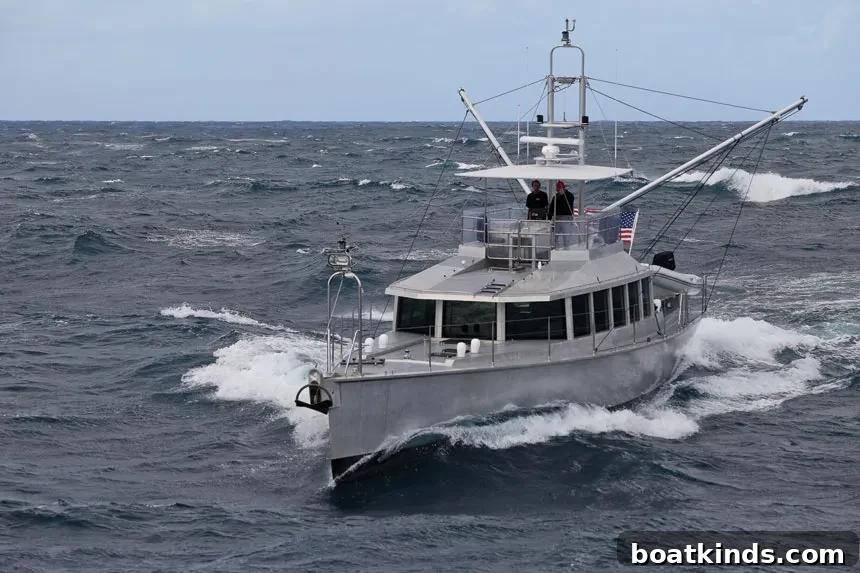
We have 25 to 30 knots of quartering breeze and seas of eight to ten feet, and Cochise is in her element. The twin diesels turn 1,600 rpm and our FPB 78 averages 11.5 knots, with surf pushes into the mid-teens. The motion is exhilarating yet controlled.
We stand close together in the galley, comfortable and familiar with the routines of life aboard. There is something different about this morning: an awareness that we are between chapters. Nostalgia for the past mixes with anticipation of what comes next.
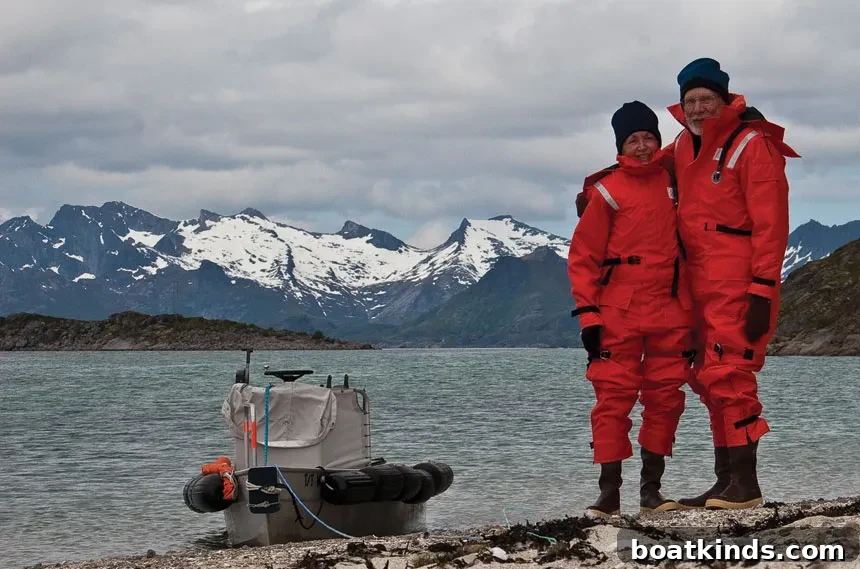
We’ve worked and sailed together for more than 50 years — first racing, then cruising for four decades. The sea is woven into our lives. We fell for each other on Catalina Island and, after starting a family and building a construction business, we poured our energies into designing, building and racing high-performance catamarans.
When we needed a change, we sold the construction business, accepted a five-year noncompete, and bought a 50-foot cruiser/racer. In November 1976 we left on what we thought would be a year-long sabbatical aboard the Bill Tripp CCA design Intermezzo. It was elegant but not built for long-distance voyaging. One year turned into three, then six.
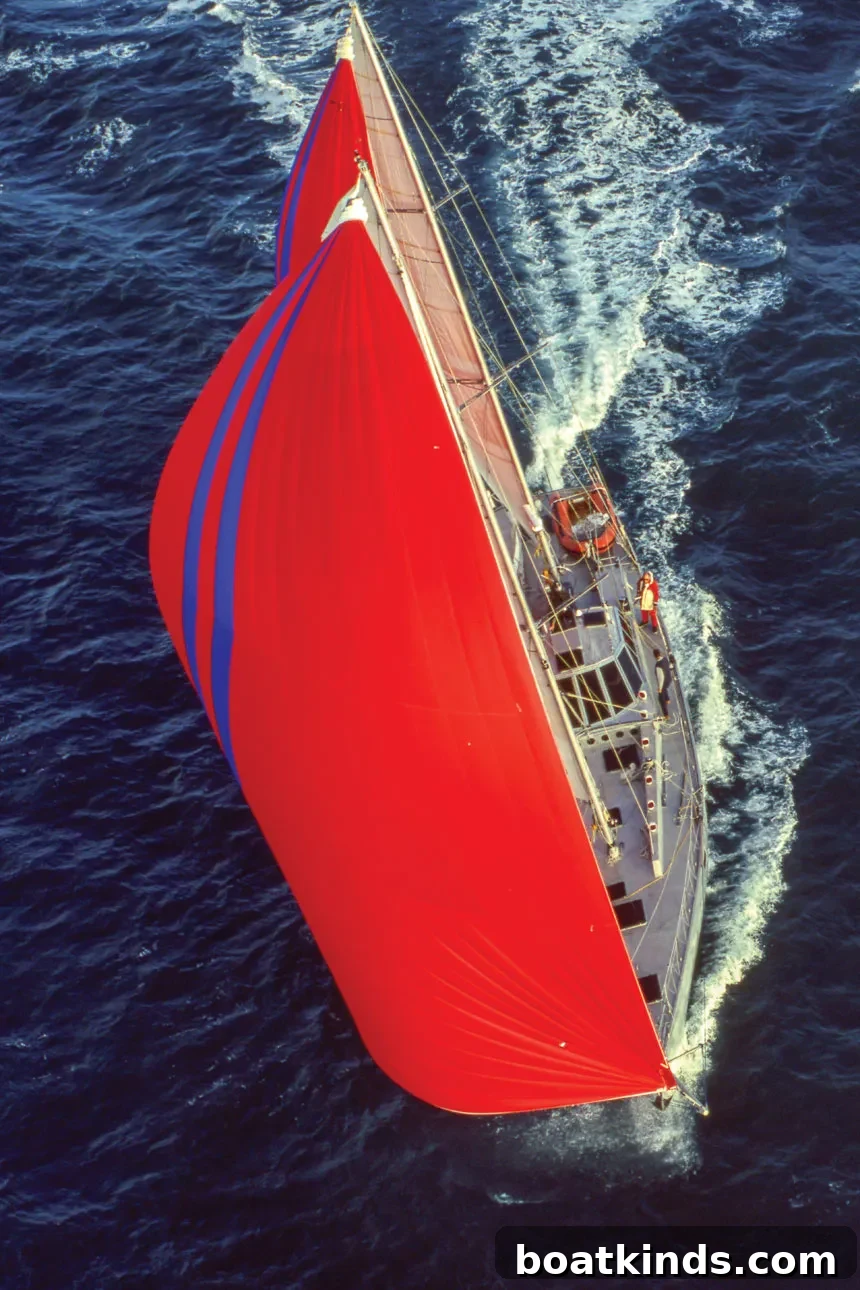
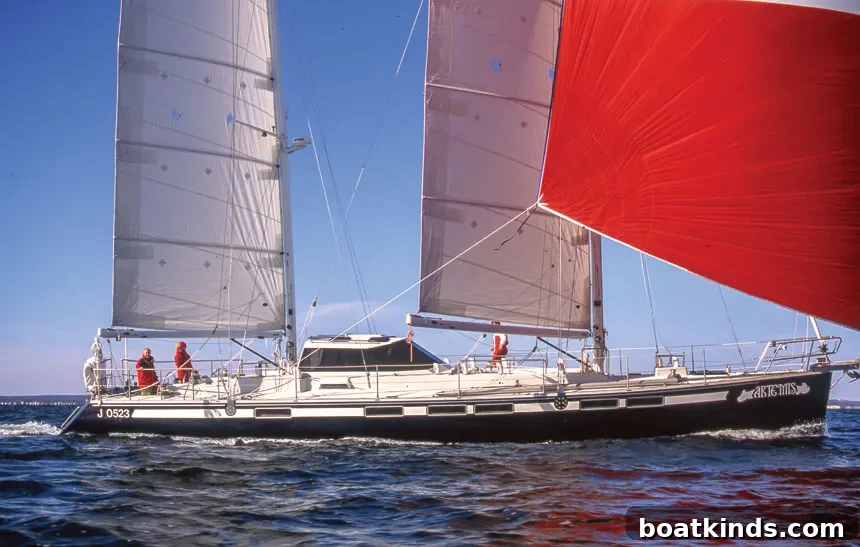
We are tinkerers by nature. Conversations about the “perfect” cruising yacht gradually became design projects. The result was the 62-foot, flush-deck cutter Intermezzo II: easy to handle, fast on passage and far more livable than our previous boat. Her short overhangs and high freeboard were bold choices for the early 1980s.
After completing our circumnavigation and returning to San Diego, we found friends and acquaintances interested in similar yachts. That demand propelled us into the boatbuilding and design world, and our lives shifted again: part-time cruisers, full-time designers and international yard visitors.
Linda ran the household and managed clients, vendors and finances, while I coordinated design and construction overseas. We were younger then, with energy and a willingness to push limits. Decades of alternating between land and sea followed, producing a line of cruising yachts built in South Africa, Denmark, Finland and New Zealand.
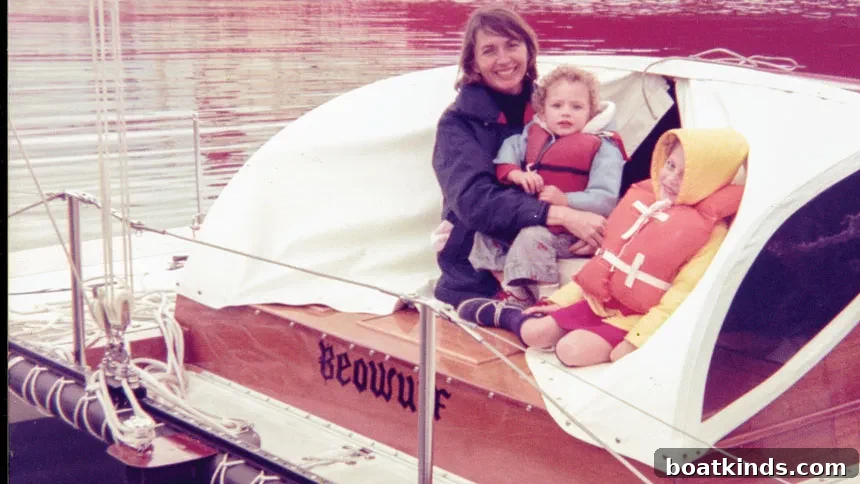
The New Zealand launch of our 68-foot ketch Sundeer closed the Deerfoot series. When our daughters left for college, returning to cruising made sense. Interest from prospective buyers led to a production run, and the Sundeer series kept us in the boat business longer than planned.
Perfectionism has its virtues: neatness, efficiency and livability became guiding principles in every design. By the time about 30 of those yachts were cruising, we realized it was time for a new personal project. We needed a boat of our own again.
Beowulf, a 78-foot water-ballasted ketch, answered that need. With as much as 6,000 square feet of sail and an aggressive sail plan, she was a high-performance machine — breathtaking when balanced and demanding in heavy weather. We loved the speed and challenge, but the intensity required constant vigilance and respect.
When Beowulf was unexpectedly sold, we felt adrift. Being without a boat pushed us back into design work, and after exploring the extremes of performance sailing we wanted something different: a capable, long-range, comfortable platform that two people could manage with less strain.
That boat became the 86-foot FPB Wind Horse, which made ocean crossings easier and added robust heavy-weather capability. She could be prepared for storage and leave us free to return to a land base within a day, making it practical to cruise in more adventurous locations than before. Over six years of part-time cruising we covered some 60,000 nautical miles.
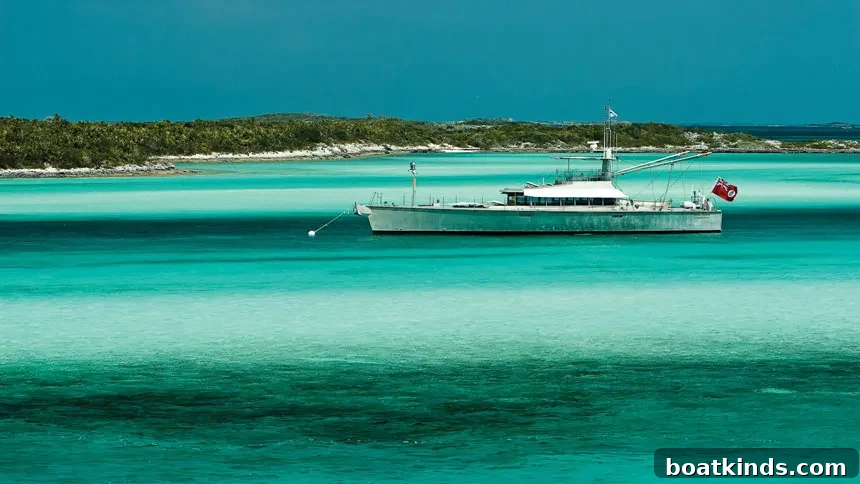
Wind Horse proved so successful that a small fleet developed: what began as sisterships grew into an 18-yacht series ranging from 69 to 110 feet. The project kept us tied to the business side of boatbuilding, and the pendulum swung back toward design and production once more.
Back aboard Cochise, Linda brings lattes and espresso to the great room table while I pass a toasted bagel. Friends Nancy and Michael Morrell, circumnavigators from Tucson, will come on watch soon. One goal for Cochise was to welcome extended visits from friends and family, with enough space for comfortable living together — so far it’s working well.
We monitor the surroundings visually and by radar and AIS, displayed on a vertical 55-inch monitor recessed into a locker face to keep our outside view unobstructed. Conversation turns, as it often does, to the future.
The FPB business model creates tension: these motor yachts are larger and more complex than our earlier sailboats, and achieving the standards we want requires enormous time and attention. That commitment leaves little room for cruising aboard Cochise or for other pursuits. Even while at sea, we remain in close contact with yards and owners.
Sitting close, we both understand the choice. We cannot continue building FPBs at the same level of involvement and also cruise in a meaningful way. The pendulum is swinging back. The three FPBs currently under construction will be the last we oversee directly; it’s time for us to go cruising again.
So ends this voyage, and another chapter of design and production begins to close as we prepare to spend more time at sea.
U.K.-based Berthon will work with Dashew Offshore in supporting the FPB fleet.
This article originally appeared in the February 2018 issue.