
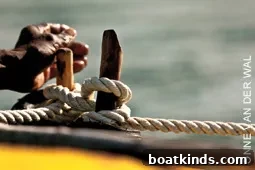
Photo by Onne Van Der Wal
Camera: Canon EOS-1Ds Mark III
Lens focal length: 300 mm
ISO: 200
Aperture: f/5.6
Shutter speed: 1/1,000 second
April 2013 issue
Onne Van Der Wal: Technical Notes and Insights from the April 2013 Image
This striking photograph by Onne Van Der Wal was published in the April 2013 issue. The image was captured with a Canon EOS-1Ds Mark III at a 300 mm focal length, using ISO 200, an aperture of f/5.6 and a shutter speed of 1/1,000 second. Those settings reveal deliberate technical choices aimed at achieving sharpness, subject separation and motion freeze—key priorities in high-quality marine and outdoor photography.
Why these camera settings work
Using a 300 mm lens compresses perspective and isolates details from a distance, which is ideal for capturing subjects on water or in open scenes where getting physically close is difficult. An aperture of f/5.6 offers a balance between a shallow enough depth of field to separate the subject from the background while maintaining sharpness across the subject. ISO 200 keeps noise low and preserves clean tonal transitions, especially useful in well-lit conditions. A fast shutter speed of 1/1,000 second freezes motion, whether it’s water spray, moving boats or the natural sway of a vessel.
Composition and visual intent
While the image itself speaks visually, the combination of telephoto compression and a fast shutter speed suggests an intention to highlight detail and texture while minimizing distracting elements. Framing with a long lens often leads to simplified backgrounds and stronger subject emphasis. Shooting wide open or near wide open can help separate elements, so f/5.6 here serves to keep the subject prominent without sacrificing too much depth.
Practical tips for reproducing a similar result
- Choose a stable platform. Telephoto focal lengths magnify camera motion, so a monopod or stabilized stance helps maintain tack-sharp images.
- Use continuous autofocus for moving subjects. If your subject is in motion, continuous AF mode increases the chance of capturing the moment in focus.
- Mind the light. ISO 200 indicates sufficient ambient light; in lower light conditions raise ISO as needed but be mindful of noise.
- Prioritize shutter speed for motion. To freeze fast action on water, aim for 1/1,000 second or faster, depending on subject speed and lens reach.
- Consider framing and compression. Move slowly to adjust composition—small position changes can alter background compression dramatically with a 300 mm lens.
Post-processing and finishing
In post-processing, focus on subtle adjustments that enhance clarity and color without overprocessing. Gently increase local contrast and clarity to reveal texture, but avoid excessive sharpening which can introduce artifacts, especially in areas with fine detail. White balance and highlights recovery can help restore natural tonality, particularly when shooting reflective surfaces like water.
Why the gear matters
The Canon EOS-1Ds Mark III is a professional-grade camera known for solid build quality and high-resolution output. Paired with a 300 mm focal length, it becomes a reliable combination for capturing distant subjects with detail and fidelity. The settings used here—low ISO, moderate aperture and high shutter speed—reflect a practical approach to achieving clean, dynamic images in outdoor conditions.
Final thoughts
This photograph demonstrates how intentional technical choices—focal length, aperture, shutter speed and ISO—combine to create a clear visual statement. Whether you are shooting maritime scenes, wildlife, or distant action, understanding how each setting contributes to the final image will help you craft photographs with similar impact and clarity. Credit to Onne Van Der Wal for this exemplary capture published in the April 2013 issue.