
John Salafia and Briana “Bri” Smith discovered a love for boating nearly a decade ago while living in Essex, Connecticut. Their apartment on Main Street was only a few blocks from the Connecticut River, and the proximity made getting on the water an irresistible option.
“We were so close to the boat launch, we just wanted a way to get on the water,” Bri recalls. She first encountered boating when she began working at Active Interest Media 10 years ago and today serves as design director for Soundings magazine.
John also started with little experience. Working at a nearby inn put him within sight of the river and sparked the same urge to go boating. A boss introduced him to offshore fishing and the hobby quickly took root.
Their first boat was a modest 1989 Boston Whaler 13 with a 25-hp outboard, trailered and launched from Main Street onto the Connecticut River. John fished from it and the couple explored nearby waterways on weekends. After John struck a rockpile and damaged the 25-hp engine, they upgraded to a 40-hp Black Max Mercury.
While the Whaler got them afloat, its size quickly became a limitation. “Being on a 13-foot boat on the Connecticut River was sometimes scary,” Bri says. They sold it after about 18 months and upgraded to a 2003 Trophy 1802 walkaround powered by its original 125-hp Mercury. That boat expanded their range to Long Island Sound, where John developed a growing appetite for saltwater fishing and wanted to go farther offshore.
The Trophy proved impractical for daily launching, so they rented a slip in Westbrook. From there John fished around Branford and Old Saybrook while the couple explored coastal points like Duck Island. In 2018 a job move took them to Newport, Rhode Island, but slips and moorings there were unaffordable, so they sold the Trophy and spent some time boatless.
A year later they bought a house in Wakefield, Rhode Island, and married. Owning a driveway made them rethink getting back on the water. When a friend bought a boat during the pandemic and John found himself on it constantly, the couple started hunting for another vessel of their own. COVID-era prices made the search difficult; Bri wanted to keep the budget under $25,000 while John considered larger options.
One roadside find changed course: John spotted a 1960 Kells 22 Brenton Reef Fisherman abandoned by the roadside and towed it home for essentially nothing. The classic Kells required extensive reconstruction—John stripped it to a bare hull and calculated he needed 57 gallons of resin for the rebuild. Overwhelmed, he contracted a local fabricator to glass in the transom and stringers, but progress stalled. Frustrated, John eventually had the boat hauled away and disposed of it, selling the trailer and engine and breaking even on the purchase.
With an appetite for offshore fishing but constrained by budget, John turned to pangas. Pangas are simple, open, outboard-driven skiffs widely used around the developing world—Central America, the Caribbean, Africa, the Middle East and Asia—often launched from beaches by local fishermen. The design’s hallmarks are a high bow, a narrow waterline beam and a delta-shaped running surface. Those features add buoyancy for hauling nets and enable efficient planing with modest outboard power, often achieving 35 knots or more when properly powered.
The origin of the panga is debated: Yamaha reportedly helped develop a low-cost beach skiff for Asian fishermen around 1970, while another account credits Mac Shroyer in La Paz, Mexico, circa 1969. Regardless of provenance, the World Bank supported the design’s dissemination to improve livelihoods by offering an economical, capable, and fuel-efficient workboat that could handle surf, long trips and heavy loads.
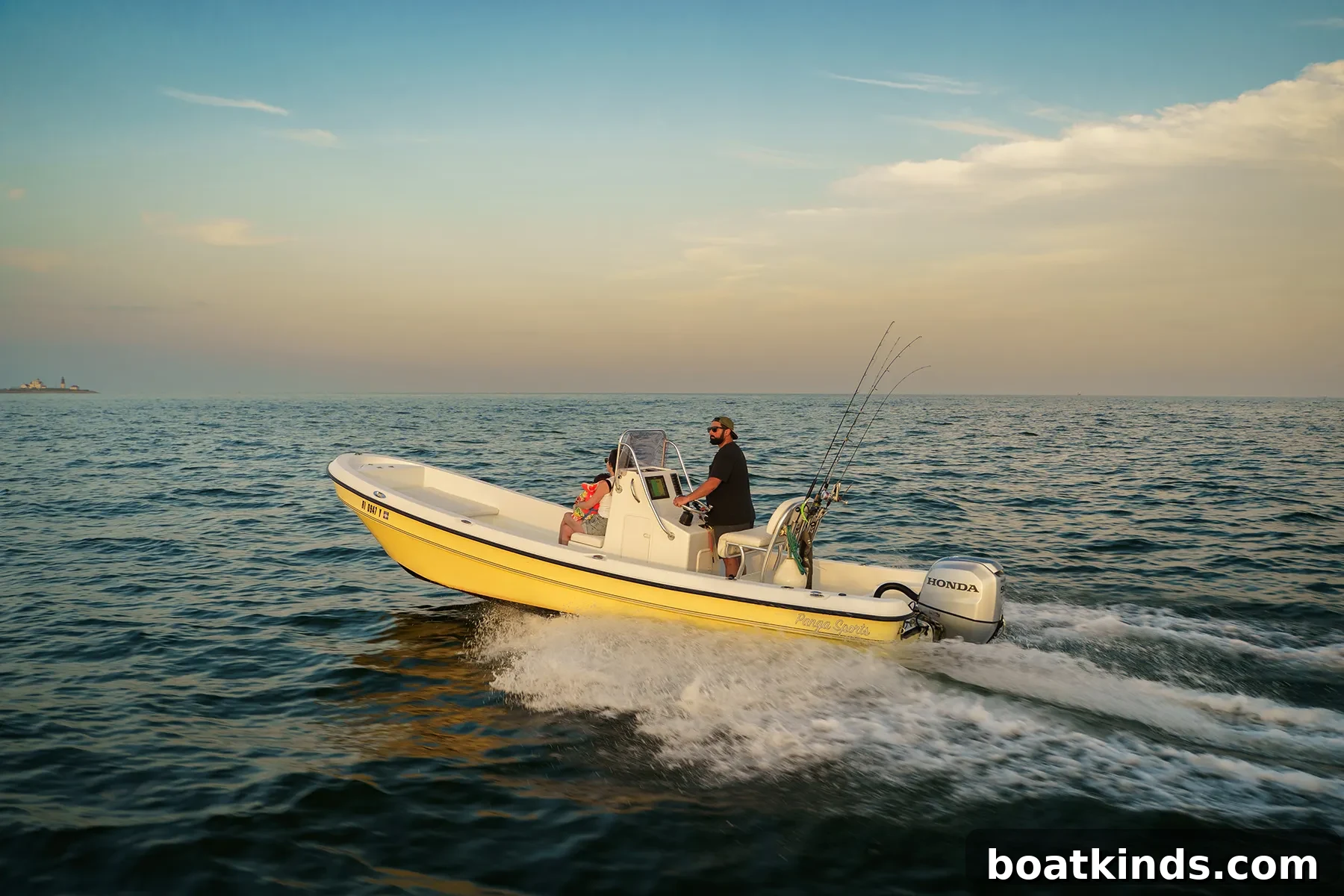
For John, the panga’s fuel economy, range, and offshore capability fit his needs. He found Panga Sports, a Tennessee builder offering a 22-foot model with a 90-hp Honda on a trailer for a mid-$30,000 price. After persistent conversations with owner Justin Davis—and despite Bri’s initial resistance to spending more than $25,000—they purchased the Panga Sports 22 sight unseen and had it shipped to Rhode Island in spring 2022.
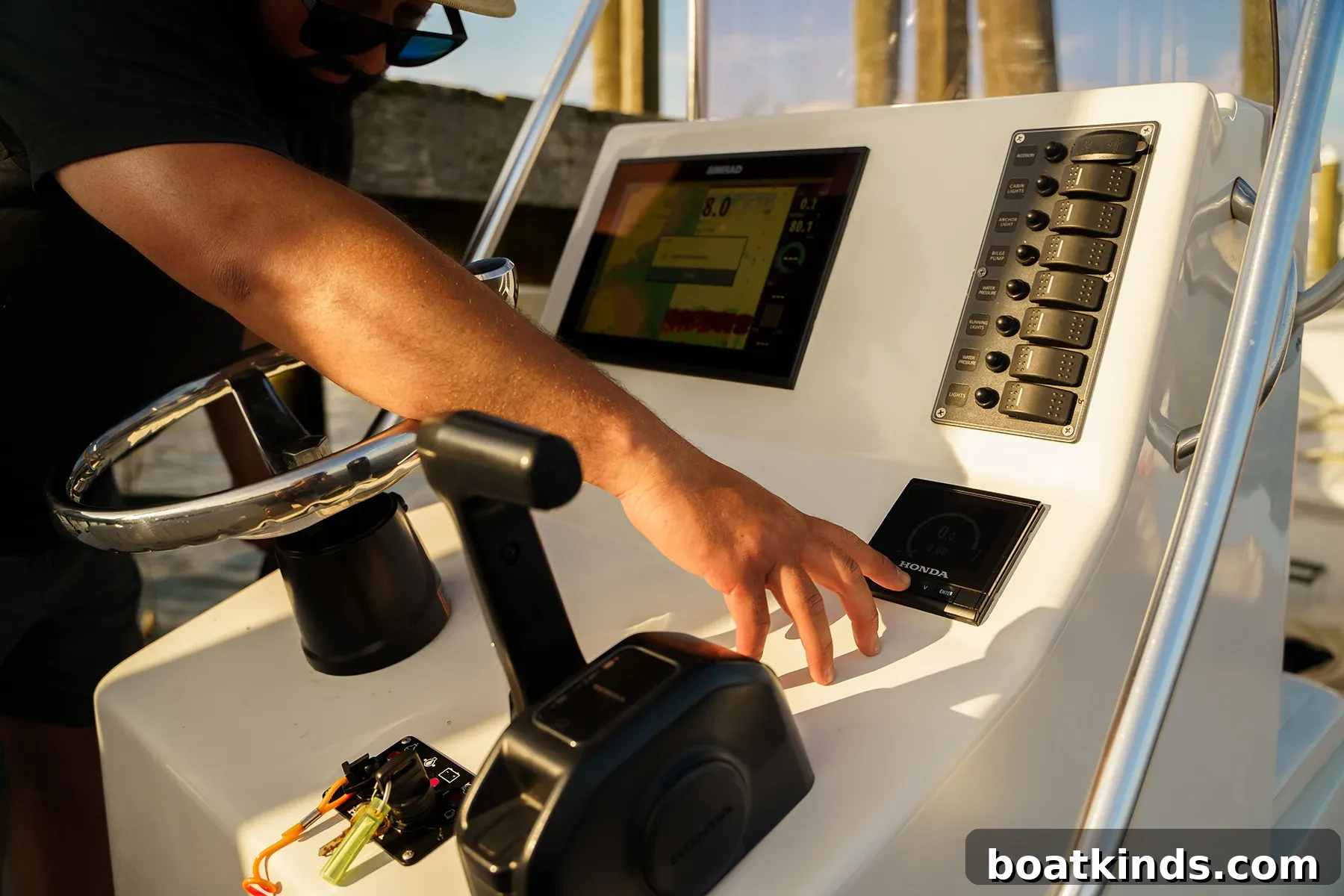
The boat arrived mostly ready; John added a multifunction display (upgraded from 9- to 12-inch), a thru-hull for the livewell, and a Fusion stereo with speakers. Aside from electronics, the boat required only minor tweaks before it became their go-to craft.
The Panga Sports 22 has proven nearly ideal for their boating lifestyle. Over two seasons they’ve run the boat across Rhode Island—to Jamestown, the Newport Folk Festival, far up Narragansett Bay and to Block Island. Kept at a friend’s slip in Jerusalem on Point Judith Pond, the boat is minutes from home and affordable compared with local marina rates. That convenience lets John fish in the early morning and still make it to work by 8 a.m.; trailering would have made weekday outings unlikely.
Fuel efficiency is a major advantage. Cruising around 26 knots, they average 5–6 miles per gallon. With a 40-gallon tank the boat’s practical range exceeds 200 miles, allowing long runs without constant refueling. John keeps the 90-hp Honda running while fishing for safety and appreciates the combination of economy and range.
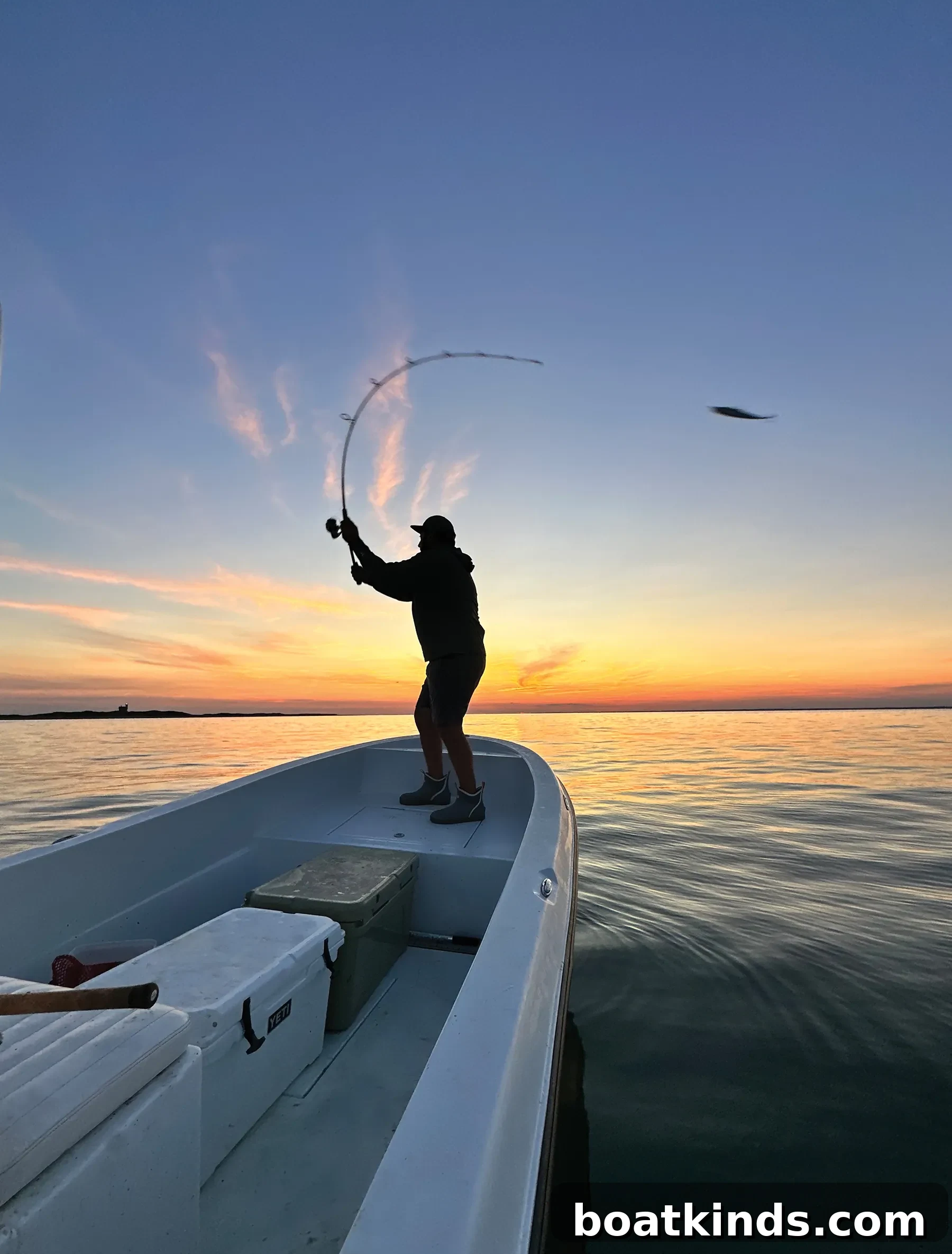
The Panga has also matched its offshore reputation. “It’s a lot more seaworthy than it looks,” John says. The hull blends a flat stern for stable drifting with a sharp bow that punches through chop. While it’s not a luxury ride—driving into a strong headwind across a chop can be uncomfortable—the boat excels in downwind and quartering conditions. On long runs John admits to some soreness after extensive days, but he feels the fuel savings and capability compensate for the trade-offs.
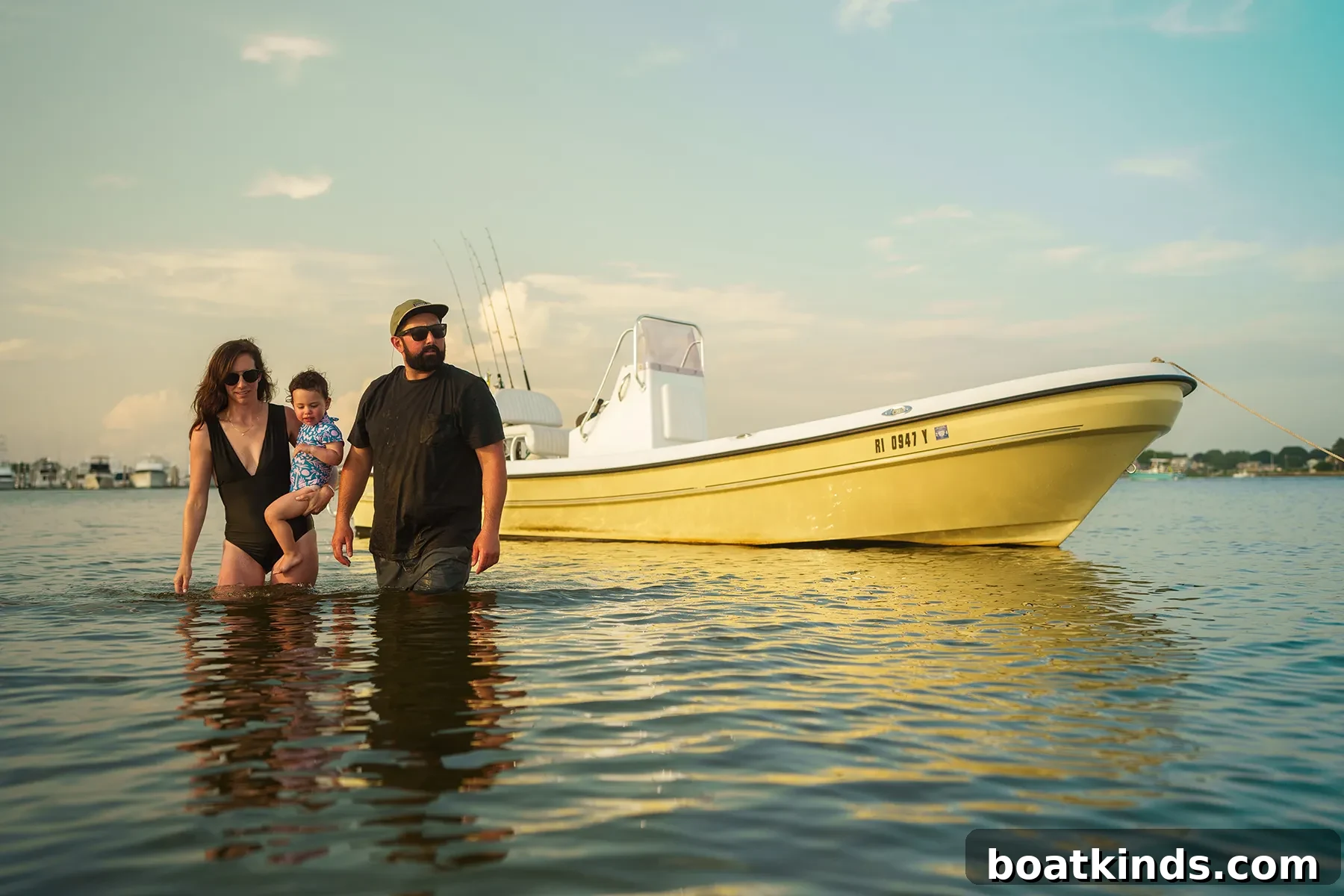
The shallow draft and versatility make the boat family-friendly, too. The couple now bring their 2-year-old daughter Nella to salt ponds where they can beach and gunkhole in as little as 18 inches of water. “It does all the things we want to do: beach up, anchor up, take the baby to the salt pond, go offshore fishing,” Bri says. Nella already loves the water and shows signs of inheriting her parents’ boating enthusiasm.
John reports heavy use with no structural issues—roughly 280 engine hours and about 2,500 miles over a season and a half—and he plans to keep pushing offshore boundaries. He has taken the Panga Sports 22 30-plus miles past the harbor out to Tuna Ridge and occasionally beyond to deeper marks, though his priorities have shifted with a young child aboard and he maintains strict weather and safety criteria before extended trips.
Even as the 22 continues to meet their needs, John is thinking about a larger panga for future outings—possibly a Panga 28 or models from original builders like Imemsa or Eduardono. Bri laughs at his tendency to obsess about boats and fishing, but they agree the Panga Sports 22 has been an excellent balance of affordability, offshore capability, fuel economy, and family utility.
Panga Sports 22
LOA: 22’3”
Beam: 6’2”
Draft: 0’11”
Base Power: (1) 90-hp Honda outboard
Fuel: 40 gals.
Dry weight: 2,000 lbs.
Base price: $38,995
This article was originally published in the October 2023 issue.