
Essential Offshore Medical Kit and Training for Boaters
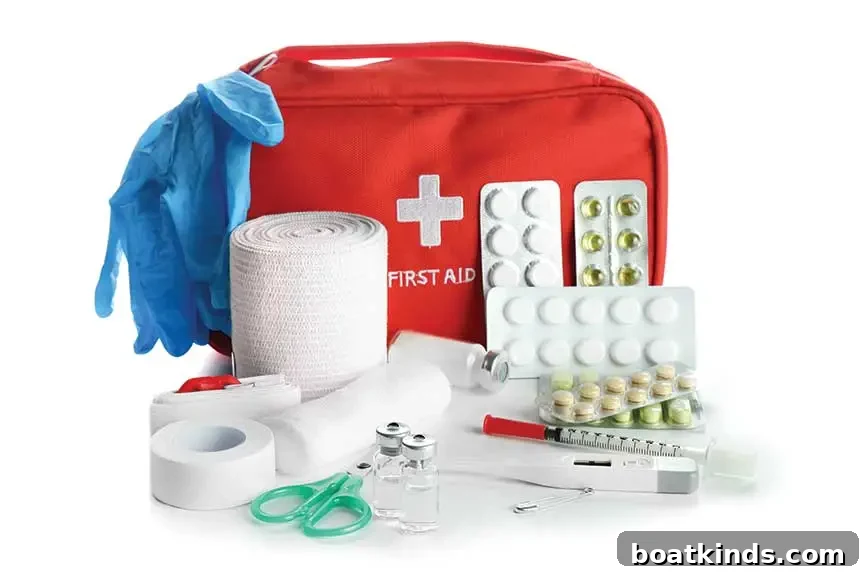
Picture this: you’re offshore, enjoying a day on the water, when a crewmate slips climbing to the flybridge and sustains a deep wound. Bone is exposed and blood is flowing. You reach for the inexpensive $29 “first aid kit” you keep on board and find only small gauze pads, bandages, and a tube of antiseptic ointment. That kit is fine for minor cuts, but it’s not built for true emergencies at sea.
Why a Proper Offshore Medical Kit Matters
On land, emergency medical services can often arrive within minutes. Offshore, distance equals time, and help can be delayed by thirty minutes or more. If you spend any significant time farther than a quick ride to shore, you need a medical kit designed for offshore emergencies and the training to use it. A well-stocked kit and basic skills can mean the difference between a manageable incident and a life-threatening situation.
Stop the Bleeding: Practical Tools and Techniques
Severe bleeding is one of the most critical problems you’ll encounter. A capable kit should include large rolls of gauze and trauma dressings—large absorbent pads that allow you to apply sustained, direct pressure to a wound. While commercial hemostatic products like QuickClot gauze are available and can be useful in certain situations, the most reliable techniques remain direct pressure and elevation. Don’t rely on a few two-inch gauze pads; have enough dressings to manage major bleeding.
Stabilizing Fractures and Joint Injuries
Boats are unstable platforms, and a broken bone or dislocated shoulder can worsen quickly if not immobilized. Your kit should include splinting materials and supplies to stabilize limbs and joints. Proper immobilization reduces pain and prevents further damage while you wait for professional care or return to shore. Having simple splints, elastic wraps, and padding can make a big difference.
Protect the Spine: Cervical Collars and Immobilization
Head trauma raises the risk of spinal injury. On land, EMTs immediately stabilize a patient’s head while applying a cervical collar. Offshore, the same principle applies: if someone has hit their head or shows signs of a serious injury, do not gamble on “hope.” A cervical collar keeps the neck immobilized until a proper evaluation (such as an X-ray) can be performed. Your medical kit should include collars in various sizes and you should train to apply them safely.
Airway Management, CPR, and AEDs
Maintaining an open airway is the first priority when treating a seriously injured or unconscious person. In addition to learning CPR, include airway adjuncts in your kit—nasopharyngeal airways (NPAs) and oropharyngeal airways (OPAs) are compact devices EMTs use to keep airways patent. Using them properly requires training, but they are far more effective than improvising.
Automated external defibrillators (AEDs) restore a viable heart rhythm in cases of ventricular fibrillation and are straightforward for trained lay rescuers to use. There’s no regulation that mandates an AED on small boats, but if you ever have to report a suspected heart attack to emergency services, one of the first questions you’ll be asked is whether an AED is on board. If the situation arises, you’ll be glad you invested in one.
Training Is as Important as Gear
Advanced tools only help if you know how to use them. I recommend taking a recognized course—at minimum, the American Red Cross Adult and Pediatric First Aid/CPR/AED class. This one-day course, typically costing between $70 and $120, teaches practical skills you can apply on the water. Get training before you purchase equipment: hands-on experience will clarify which items you actually need and how to use them effectively.
Prepare for Real Emergencies
If someone experiences a major injury or a true medical emergency on your boat, ordinary household bandages won’t be enough. Equip your vessel with supplies for bleeding control, splinting, spinal immobilization, and airway management, and invest in training so you can respond calmly and competently. Being prepared improves outcomes and gives you peace of mind when heading offshore.
This article originally appeared in the June 2020 issue.