
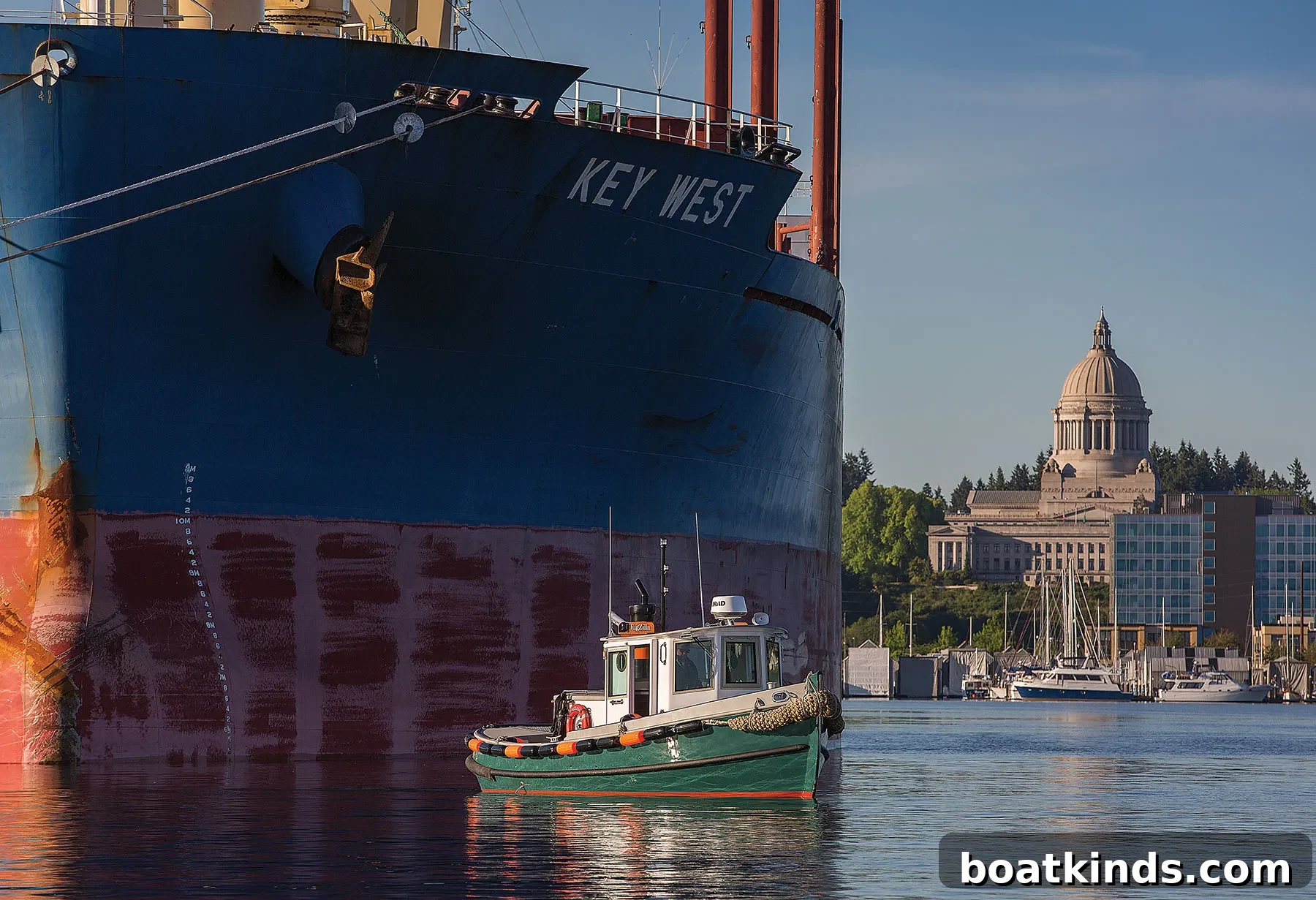
TugZilla 26: A Personal Working Tug Built by Sam Devlin
Many boat enthusiasts daydream about owning a commercial-style vessel, but few follow through and build one for themselves. Sam Devlin, principal of Devlin Designing Boatbuilders in Olympia, Washington, turned that dream into reality by designing and completing his own compact working tug, the TugZilla 26.
From Early Inspiration to a Working Design
Devlin’s interest in commercial craft goes back decades. While an undergraduate, he spent summers working on tugs in Alaska, an experience he credits with sparking a deep and lasting design inspiration. That fascination, combined with years of experience leading a shop known for stitch-and-glue construction, eventually led him to draw plans for a true harbor tug.
In 2010 Devlin formalized that idea on paper with plans for the TugZilla 26. The concept was to create a genuine workboat that captured the look and functionality of larger commercial tugs, but sized down to 26 feet. At that length the boat could be built to robust workboat standards while avoiding the regulatory requirements that apply to larger certified tugs, and it remains small enough to be trailered on a highway—appealing traits for an owner/operator who wants both capability and convenience.
Acquiring and Completing a Partially Built Hull
Plans for the TugZilla 26 were purchased by a customer who began building the boat themselves. When that builder set the project aside, Devlin purchased the partially completed hull and finished the build for his personal use. Although the hull was small, the completion process was extensive. Devlin and his team stripped much of the interior work the previous owner had roughed in and rebuilt systems to meet the design goals.
To maintain the boat’s original power characteristics, Devlin retained the 110-hp Yanmar engine that had been installed. Several purposeful modifications transformed the hull into a proper working tug: the aft deck was made flush to improve functionality, a large towing bitt was fitted for robust towing operations, a dry stack exhaust was added for cleaner exhaust routing, and the pilothouse was shortened to better suit the vessel’s proportions and intended use.
Finishing Details That Define a Tug
Devlin completed the TugZilla 26 with details traditionally associated with harbor tugs. Fenders were wrapped from the transom to amidships on both sides—a classic tugboat feature that protects the hull when pushing or working alongside other vessels. At the bow he fitted a pudding, often called a tugboat beard, to provide additional protection when making contacts during towing and docking maneuvers.
Those finishing touches are practical as well as aesthetic: they protect the boat during hard work and give it the authentic presence of a larger tug in a compact package. The overall result is a utilitarian, attractive workboat that operates confidently in the kinds of conditions common to the Pacific Northwest.
Practical Capability and Global Appeal
In its completed form, the TugZilla 26 demonstrates the marriage of commercial-style utility and small-boat practicality. The vessel’s styling reflects the same clean, purposeful design language seen in other Devlin cruisers, while its systems and deck layout emphasize functionality for towing and workboat tasks. Although conceived and built in Olympia and well suited to Pacific Northwest waters, the design has attracted international interest—one TugZilla 26 was recently launched in Turkey and another in Italy—showing the broad appeal of a compact, well-designed harbor tug.
The TugZilla 26 is an example of how careful design, traditional tug features, and modern construction techniques can be combined to create a small, trailable workboat that still looks and feels like the real thing. For owners who want a true working boat without the regulatory and logistical complications of a larger tug, this design provides a compelling option.
This article was originally published in the February 2021 issue.