
Johnny Savage Survives a 1998 Rogue Wave: A Fisherman’s Account of Survival at Sea
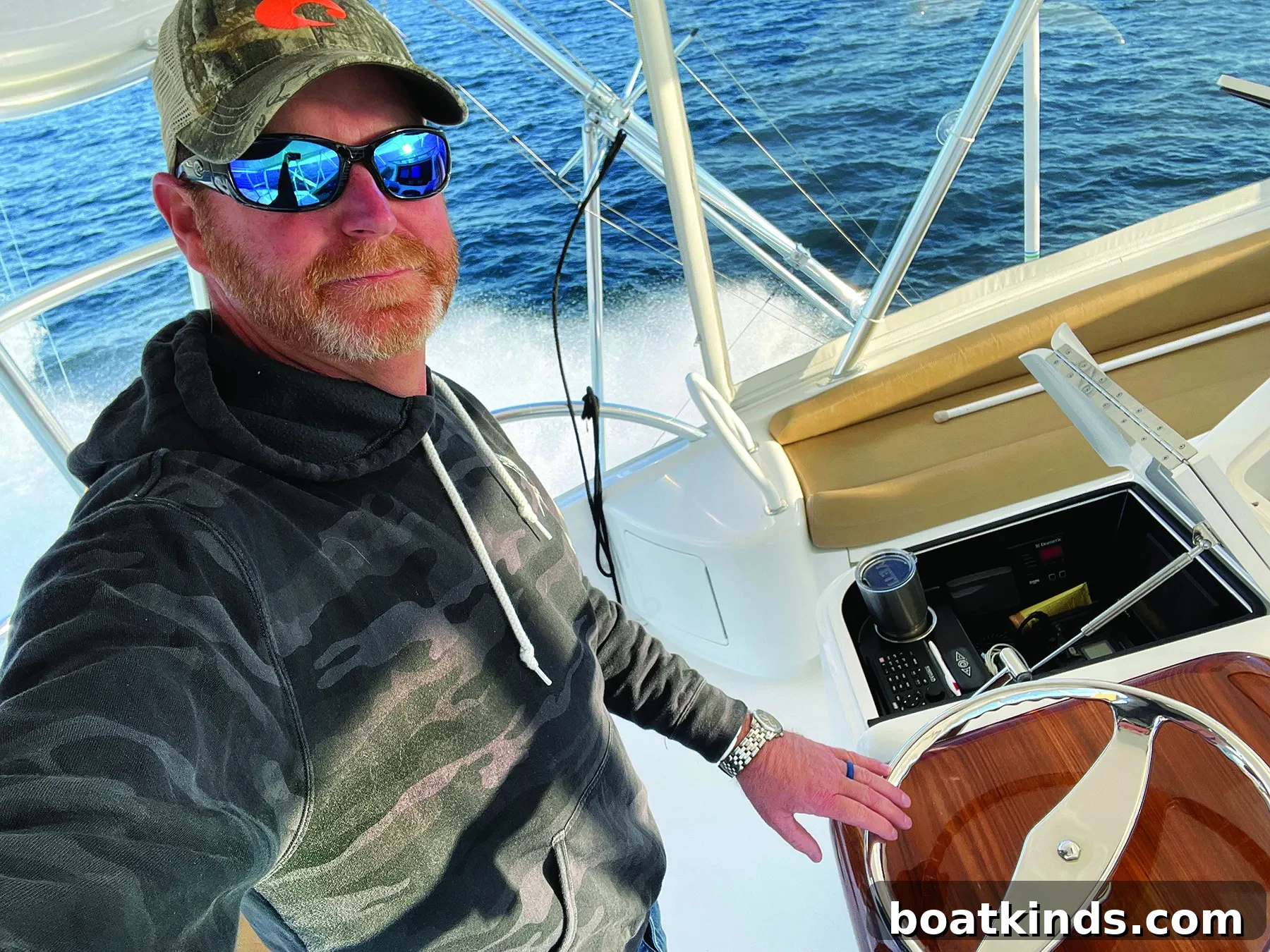
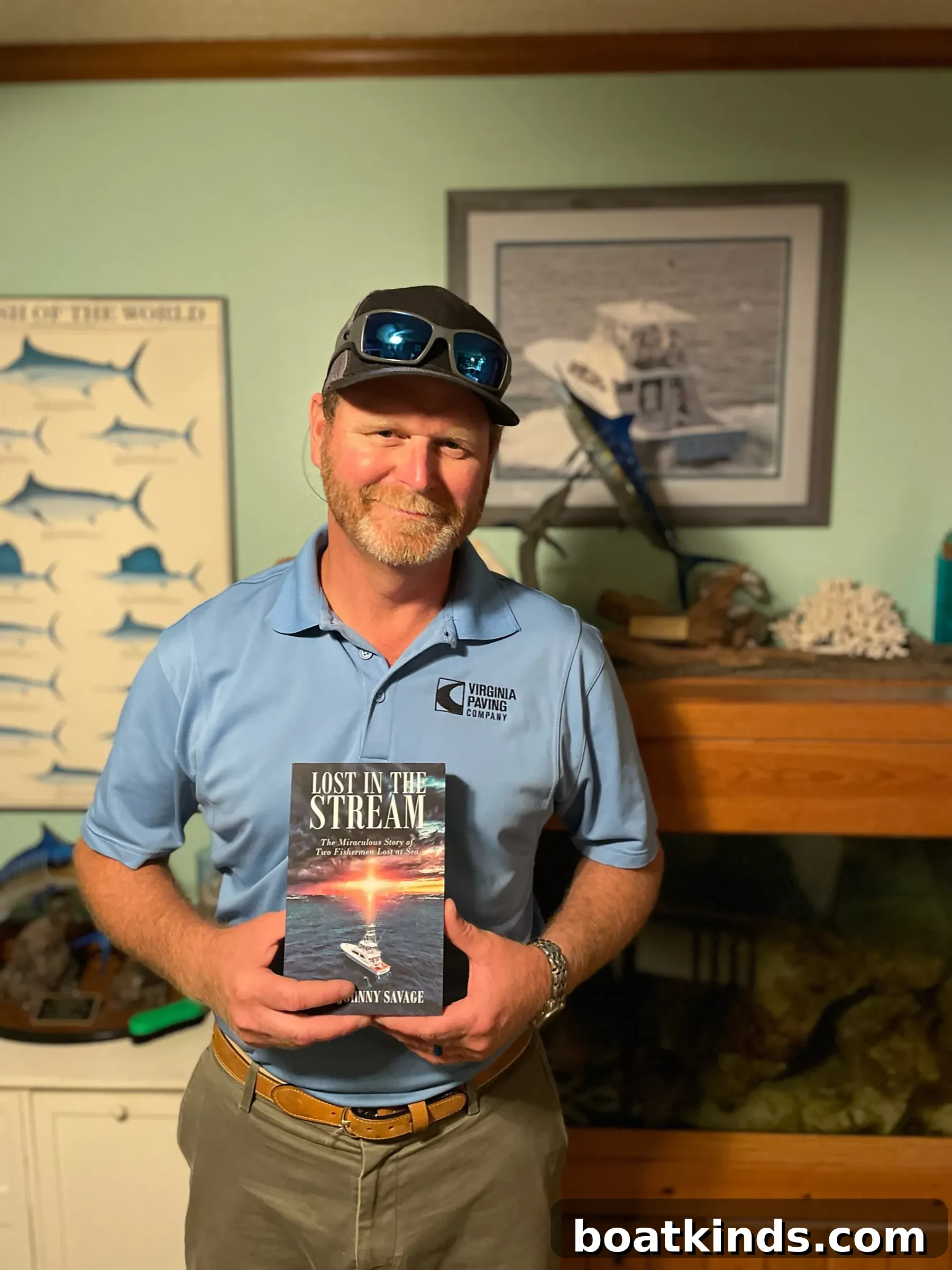
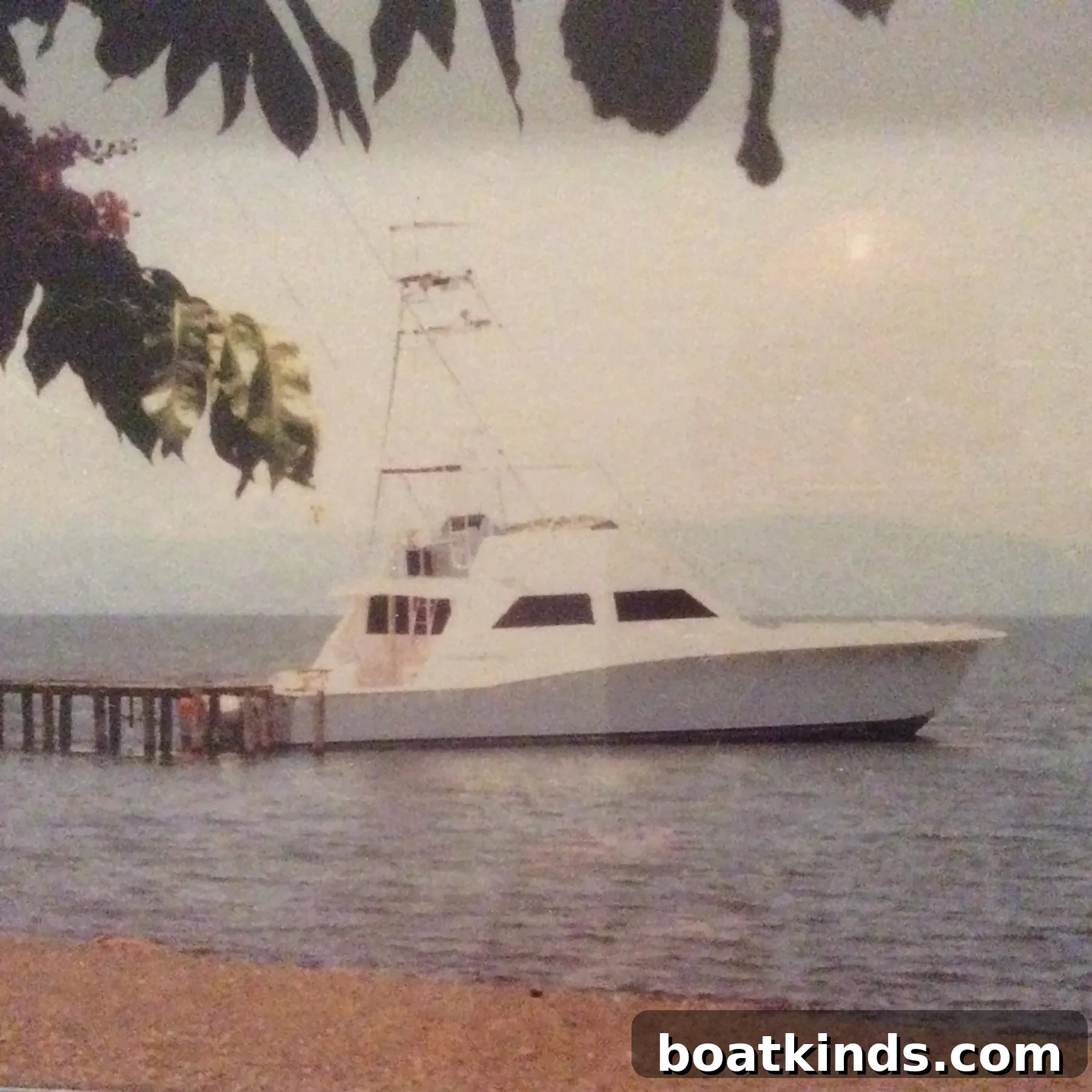
Johnny Savage will never forget 1998. That year he survived one of the earliest documented rogue waves, an ordeal he later chronicled in his book Lost in the Stream: The Miraculous Story of Two Fishermen Lost at Sea. Savage, a lifelong offshore fisherman from Virginia, was 26 and serving as mate on the 56-foot Jim Smith boat Anhinga with Captain Eric Bingham when they left Key West for a daytime 350‑mile crossing to Cancún. What began as a routine passage quickly became a desperate fight for survival.
We left just before dawn on April 13, 1998 to be fully underway at sunrise. Around 9 a.m., in 2- to 3-foot following seas, we ran into something I had never seen—a sudden, smooth hollow in the water like a hole in the ocean. The stern dropped and the boat simply fell into it. When we hit the void the structure failed with a terrible boom. I remember standing on the bridge next to Captain Eric and then falling forward as the hull slammed down. Bulkheads fractured, the bow deck popped up, and it felt as if the boat had broken its spine. Within minutes we were in the water with no distress call sent, no EPIRB or raft readily available—just the two of us and debris.
When the Anhinga came back to the surface she was upside down, only a small section of stern and the rudders breaking the horizon. Eric clung to the hull and managed to hold onto an engine hatch and a bridge cushion; those pieces were uncomfortable to hang on to, but they kept him from going under. I grabbed a floating surfboard that was in an old FCS board bag and tried to paddle. Before I reached it I swam through diesel fuel—stinging my eyes, mouth and ears—and I remember praying I wouldn’t vomit because I felt I needed the strength from breakfast to survive.
Eric made it to the hull and I finally reached the board. By then the boat had gone down for good. We alternated holding the board and the hatch cover, trading off to rest and to scan the horizon for rescue. Early on the sea conditions were deceptively calm—small groundswell, light wind—but a storm built that made everything much worse. We tried to collect floating supplies and keep our spirits up, saying the Lord’s Prayer when hope looked thin.
Eventually debris formed lines in the water that showed where the wreck had broken apart. One line trailed downsea and another ran diagonally across the swell. We decided we had to find the EPIRB, or our odds of rescue would be slim. I swam down the main debris line to the diagonal break and followed it to the end, searching for half an hour. The fear of getting separated from Eric was real; losing that visual reference in open ocean can be fatal. I found nothing and returned to him, where to my relief he had managed to recover life jackets and the twist-lock flare kits—items that floated up to him as if by chance.
We saw a plane early on and signaled with smoke flares, but the aircraft passed out of sight. Later a cruise ship steamed close enough that we thought thousands of passengers would spot us, but we were missed. That failure to be seen was crushing and pushed us into dark thoughts. When the waves climbed to 6 or 7 feet and the debris line began to break up, Eric admitted he was losing feeling in his legs and could no longer search. We faced the harsh truth: if we didn’t find an EPIRB or a life raft soon, we might die.
I left again to cover the diagonal debris line more thoroughly. By then the wind had risen to about 20 knots and the sea felt like a washing machine, wind blowing across the swell. I pushed farther than before and began to panic when I couldn’t see Eric. Cold set in—core temperature dropping—and the empty knowledge of limits and free-diving experience led me to a terrible thought: end it rather than be eaten by sharks. I prepared myself to drown, said the prayers I had held back, and at the last instant felt a sudden warmth and strength flood my body. Over my right shoulder I heard, “John, you spent a lot of time out here, pick your line and paddle it.”
That voice and the wave of faith changed everything. I turned back and found Eric holding my backpack, which contained wet suits. He hadn’t opened it until I returned. We donned the suits—Eric the thicker one to protect his core, I a shorty—and tied ourselves together with leashes from the surfboard bag so we would not separate again. The wind rose to 25 knots and seas to 8 feet, with caps breaking over us and Portuguese Man O’ War drifting among the debris. We were exhausted, cold and fighting to stay afloat.
At one point I spotted a stick flare about 50 yards away. I swam out and recovered it, then heard Eric screaming. For a terrifying moment I thought sharks had him, but he was shouting, “It’s a fish boat!” A rough-weather fishing vessel approached, struggling to make headway in the chop. I timed a last flare shot so the fireball would be visible above the spray. The boat spun and the crew dropped a tuna door; they reached us and hauled Eric and me aboard.
I felt guilty boarding ahead of my captain but scrambled back and helped pull Eric in. We were given dry clothes and water—no rum and Coke for us—and laid on the salon floor shivering and staring at the ceiling, stunned by what we had experienced. Eric was suffering from advanced hypothermia; had the boat not reached us when it did, his chances would have been slim.
Johnny Savage rarely told the full story for many years. A few magazine articles mentioned the incident, but Savage kept the details close. Since publishing his book and sharing his experiences, he has learned that his story has helped others in dark places find hope. Today he volunteers with Valhalla’s Mission Force, a nonprofit that honors fallen veterans and supports their families, using his survival story to bring encouragement to those grieving loss.
Editor’s Note: Today, Savage volunteers for Valhalla’s Mission Force, a nonprofit that honors deceased veterans and their families, where he uses his own story to give hope to those in grief over the loss of their fallen soldiers. Since the publication of his story, Savage has learned of several people who wanted to end their lives but who read his book and found the hope to carry on.
This article was originally published in the February 2024 issue.