
Bruce Kessler: Adventurer, Filmmaker and Pioneering Powerboater
Bruce Kessler, a lifelong adventurer whose career spanned winning professional auto racing, a prominent Hollywood directing career, and pioneering long-range motoryacht cruising, died on April 4. He had just celebrated his 88th birthday on March 23. Born in Seattle and long based in California, Bruce lived his final years in Marina del Rey, though he always felt most at home aboard his boats. Over a lifetime at sea he logged more than 100,000 nautical miles as captain of his own vessels.
Bruce’s first public career was as a race car driver. He began racing at 16 in Sports Car Club of America events, driving his mother’s Jaguar XK120. In 1958, at age 22, he raced for Ferrari in the 24 Hours of Le Mans and survived a night-time crash in heavy rain that left him seriously injured. After enduring two major crashes in two years, he retired from racing and turned to filmmaking.
His first film, a short titled The Sound of Speed, became the U.S. entry in its category at the 1962 Cannes International Film Festival and opened the door to Hollywood. He learned the craft under the mentorship of Howard Hawks and went on to direct feature films and numerous popular television episodes. His television credits include Mission: Impossible, The Rockford Files, MacGyver, Knight Rider, Hart to Hart, McCloud, Renegade and The Commish, among others.
Even as directing became his vocation, Bruce’s passion for boats remained constant. He grew up around docks and fishing, and his first boat—a 26-foot sport fisherman—came in 1960. As his desire to cruise farther grew, he moved to larger sportfishermen and then to trawlers for greater range and sea-keeping. Seeking a rugged, long-range cruising motoryacht, he worked with naval architect Steve Seaton and persuaded Delta Marine, a builder of commercial fishing vessels, to adapt Seaton’s design into a recreational motoryacht—despite initial reluctance from the company.
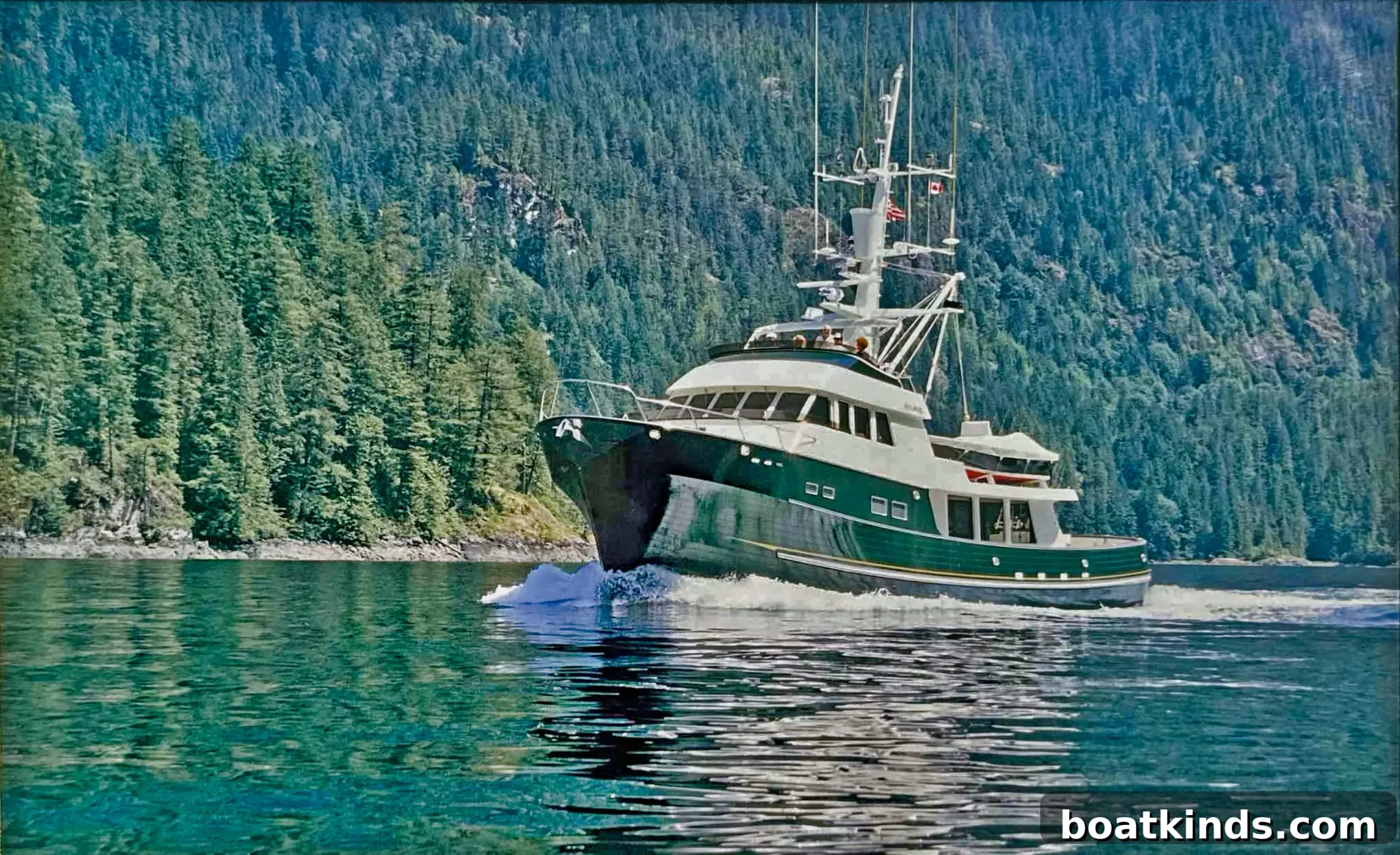
The result was a 70-foot motoryacht launched May 1, 1985. Painted deep British racing green, Bruce named her Zopilote after the black buzzards that scavenged the shores of Baja where he fished. Zopilote proved to be unique and influential: her design and capabilities helped shift Delta Marine’s focus from commercial fishing vessels to offshore recreational yachts. She became a landmark vessel in the development of long-range trawler yachts.
Bruce and his partner, actress Joan Freeman, put Zopilote to sea on many voyages—cruising from Seattle to Alaska, down the West Coast to Panama and through the canal, then along the U.S. East Coast and into the Caribbean before returning to Southern California. Their ambitions only grew: in 1990 they departed California for the South Pacific on a circumnavigation that would cover roughly 35,000 miles. When they completed the voyage in 1993, Zopilote became the sixth powerboat to circumnavigate the globe.
Zopilote’s circumnavigation made headlines in the yachting world and appeared twice on the cover of Yachting magazine during the journey. Until then, global cruising had largely been associated with sailing yachts; Zopilote helped legitimize long-distance cruising under power and inspired a new era of ocean-crossing powerboats. Bruce became a sought-after speaker and an influential advocate for offshore power cruising.
Bruce was modest and approachable, always willing to share experience and advice. He spoke at TrawlerFests, boat shows and yacht clubs, and helped organize and promote powerboat rallies such as the FUBAR Rally and the Nordhavn Atlantic Rally, which in 2004 saw 19 powerboats cross the Atlantic together. He never charged for appearances—he simply enjoyed the company of fellow cruisers and mentoring newcomers to long-range powerboating.
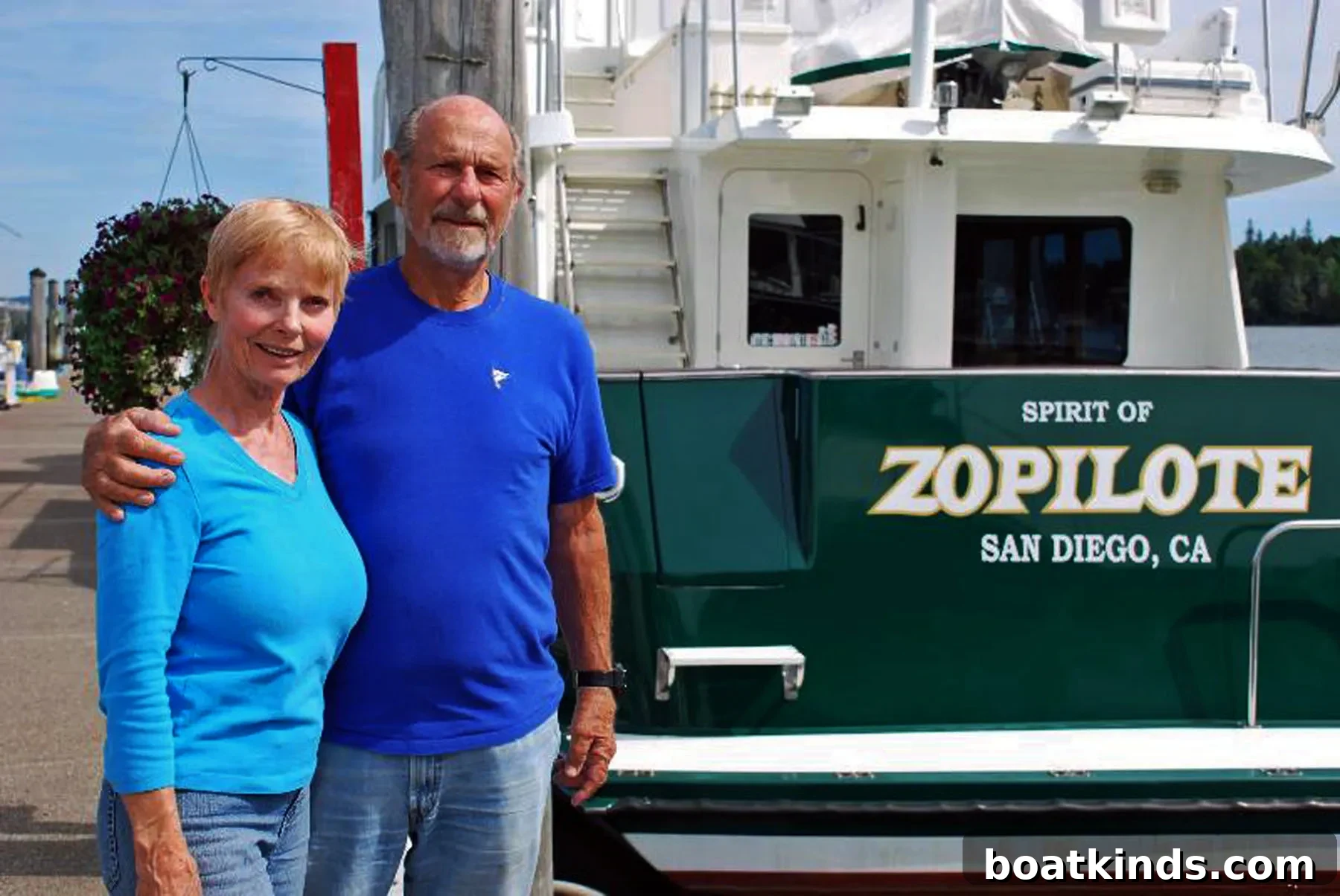
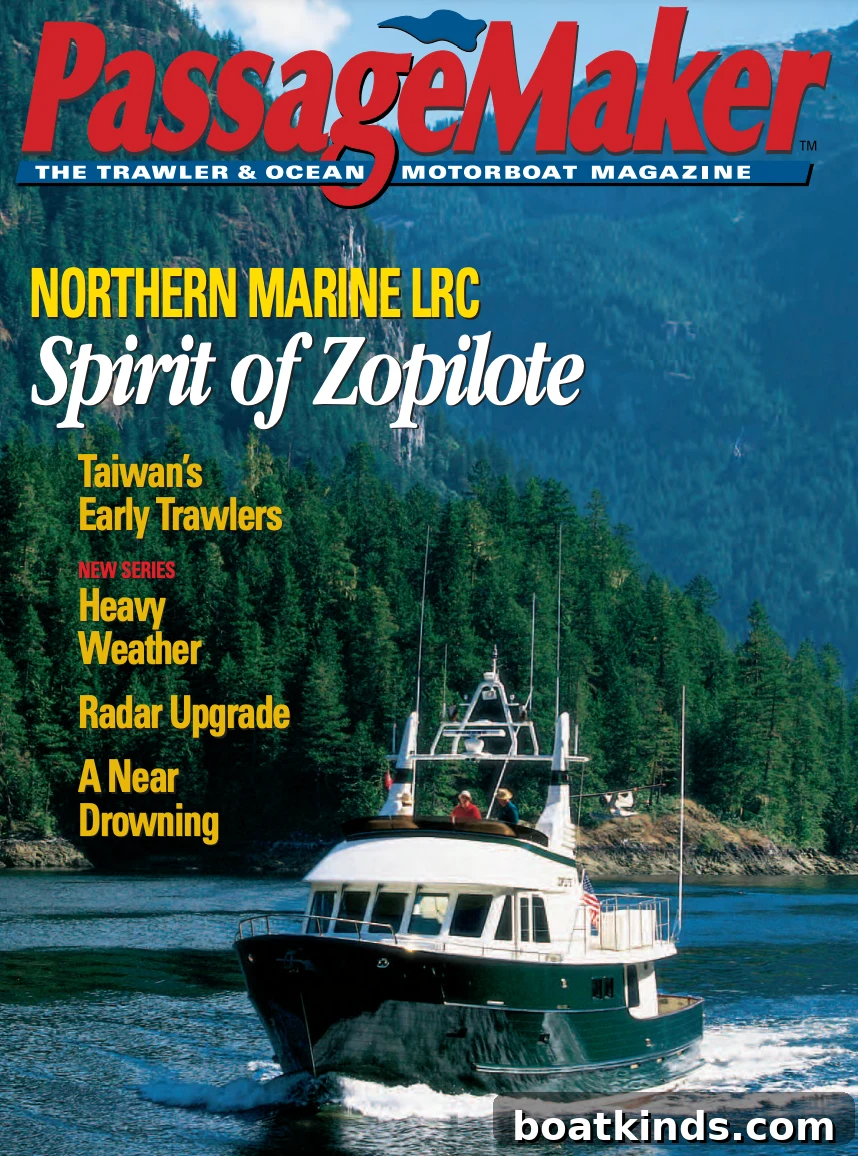
Tragedy struck in 1994 when Zopilote hit an uncharted underwater ledge in Alaska and sank within minutes. Bruce and his crew of four escaped into a liferaft with no injuries. Devastated by the loss, he soon rebuilt his cruising life and commissioned a new Seaton-designed passagemaker in the same style and color. Northern Marine built the 64-foot Spirit of Zopilote, delivered in 1997, which became Bruce and Joan’s home for the next decades.
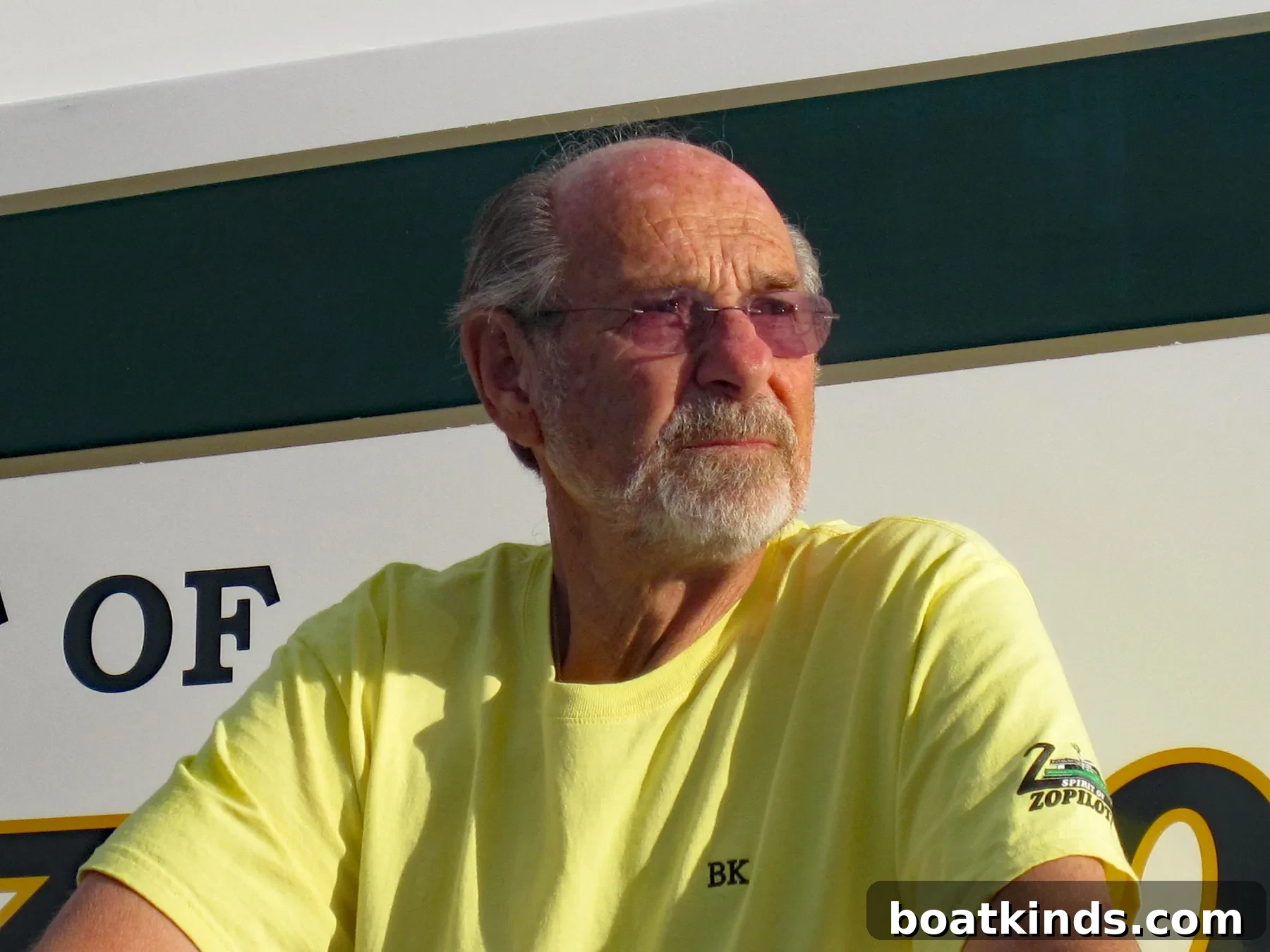
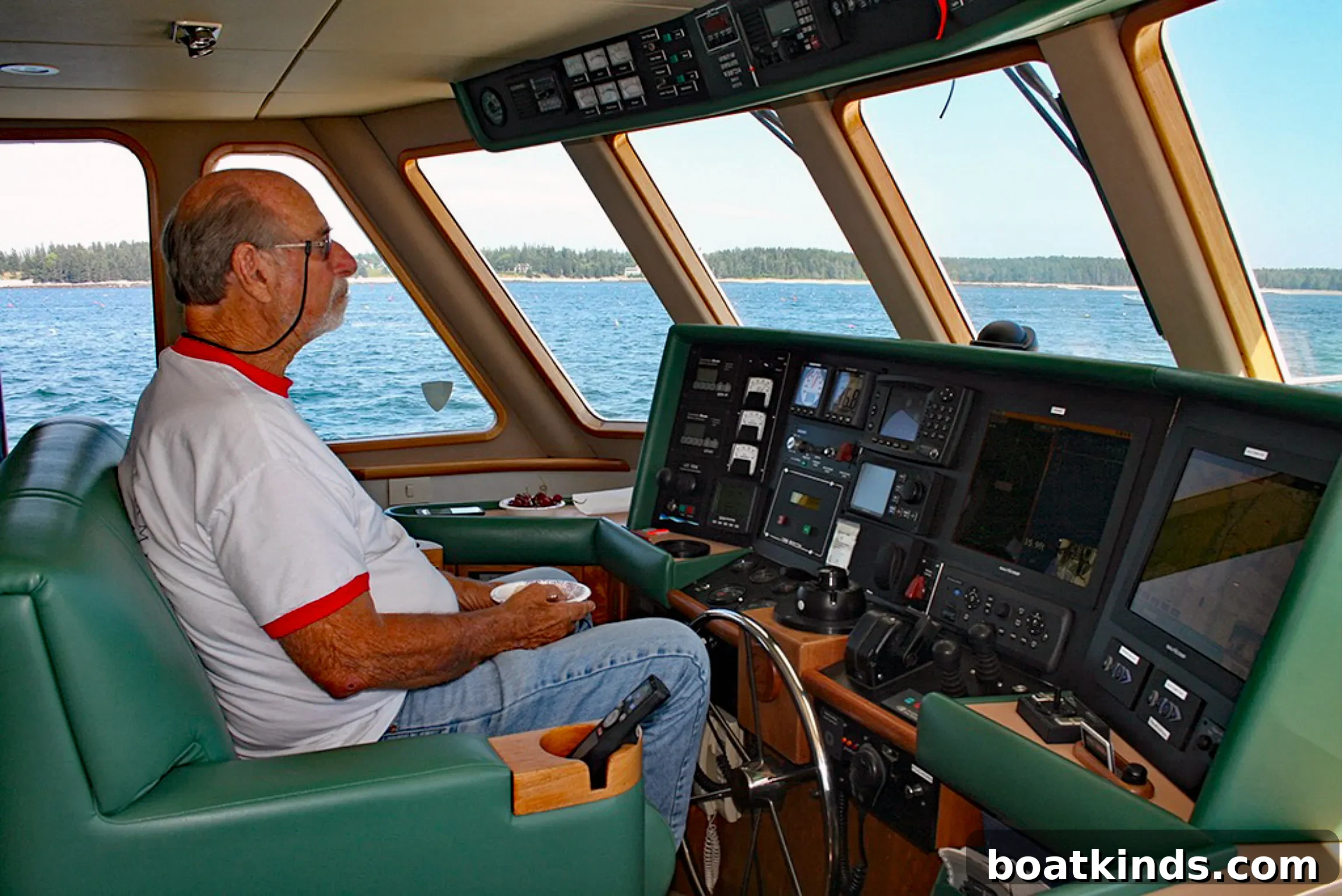
Over the next 27 years they cruised Spirit of Zopilote from Alaska through the Panama Canal, to Florida, the Bahamas and the Canadian Maritimes. They made Southwest Harbor, Maine—on Mount Desert Island—their summer homeport, and for many seasons Bruce was a familiar and welcoming presence at Dysart’s Great Harbor Marina, affectionately known as “the mayor of the dock.”
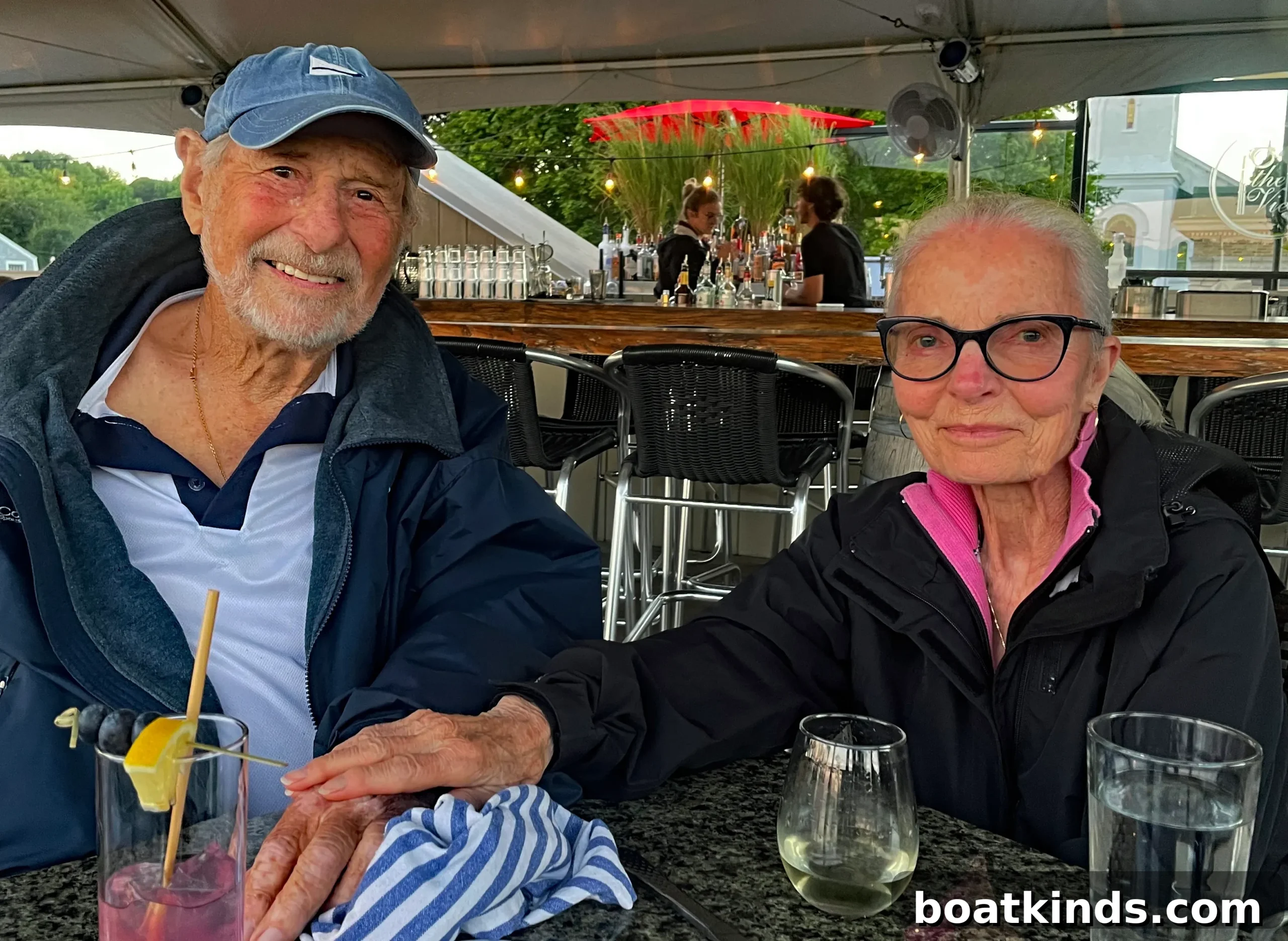
Bruce’s achievements were recognized across fields. He received the Motorsports Hall of Fame of America’s Spirit of Competition Award, a Lifetime Achievement Award from PassageMaker magazine, and was a member of the Directors Guild of America and the Academy of Motion Picture Arts and Sciences. In 2001 he became the first non-sailing powerboater elected to the Cruising Club of America. He also belonged to the Ocean Cruising Club, Del Rey Yacht Club, Southwestern Yacht Club (San Diego), the Marlin Club (San Diego), the Tuna Club (Avalon, Catalina Island), and served as an Honorary Commodore of the Seven Seas Cruising Association.
In 2007 Bruce founded the FUBAR (Fleet Underway to Baja Rally), a 980-mile flotilla from San Diego around the tip of Baja to La Paz, Mexico, created as a fundraiser for junior sailing at Del Rey Yacht Club and designed to offer powerboaters a supported, long-distance cruising experience. The rally—later renamed CUBAR (Cruise Underway to Baja Rally)—continues as a biannual event run by the San Diego Yacht Club, supporting youth sailing programs.
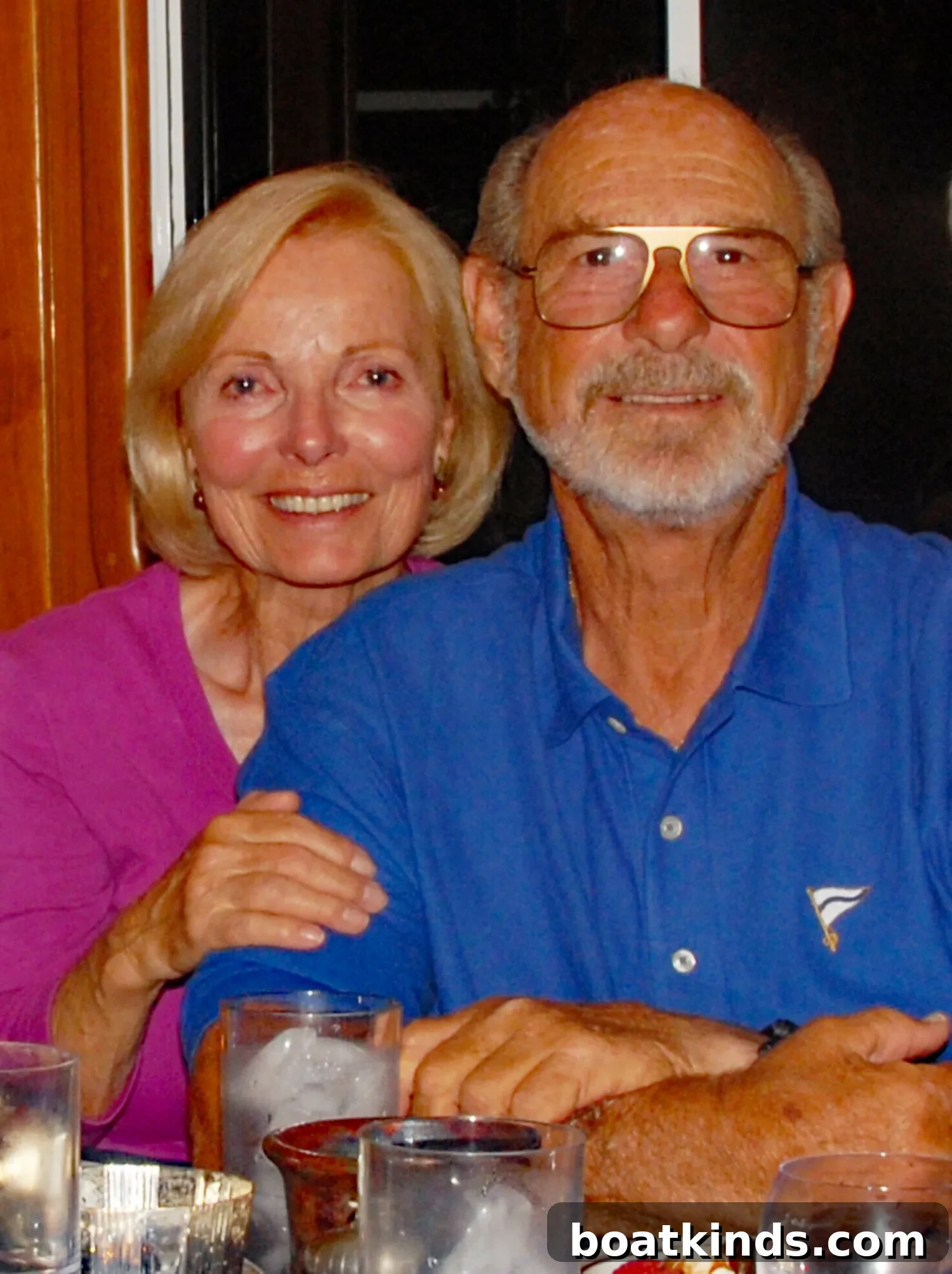
Bruce Kessler leaves a legacy as a daring racer, a skilled director, and a leader in powerboat cruising. In lieu of flowers, his family requests donations in his memory to Del Rey Yacht Club Youth Sailing, 13900 Palawan Way, Marina del Rey, CA 90292; to Mount Desert Island Community Sailing Center, 168 Clark Point Road, Southwest Harbor, ME 04679; or to any local yacht club youth sailing program. His life at sea and his advocacy for safe, adventurous cruising inspired many—and his influence on the world of offshore powerboating endures.