
Chesapeake Bay Watermen and the Workboats That Sustain Them
Braving wind, waves, and shifting tides, Chesapeake Bay watermen depend on rugged, purpose-built workboats to harvest and transport the region’s finfish and shellfish. These vessels — from buyboats to skipjacks, bugeyes to draketails — are more than tools; they are integral to a way of life shaped by the Bay’s rhythms, seasons, and markets.
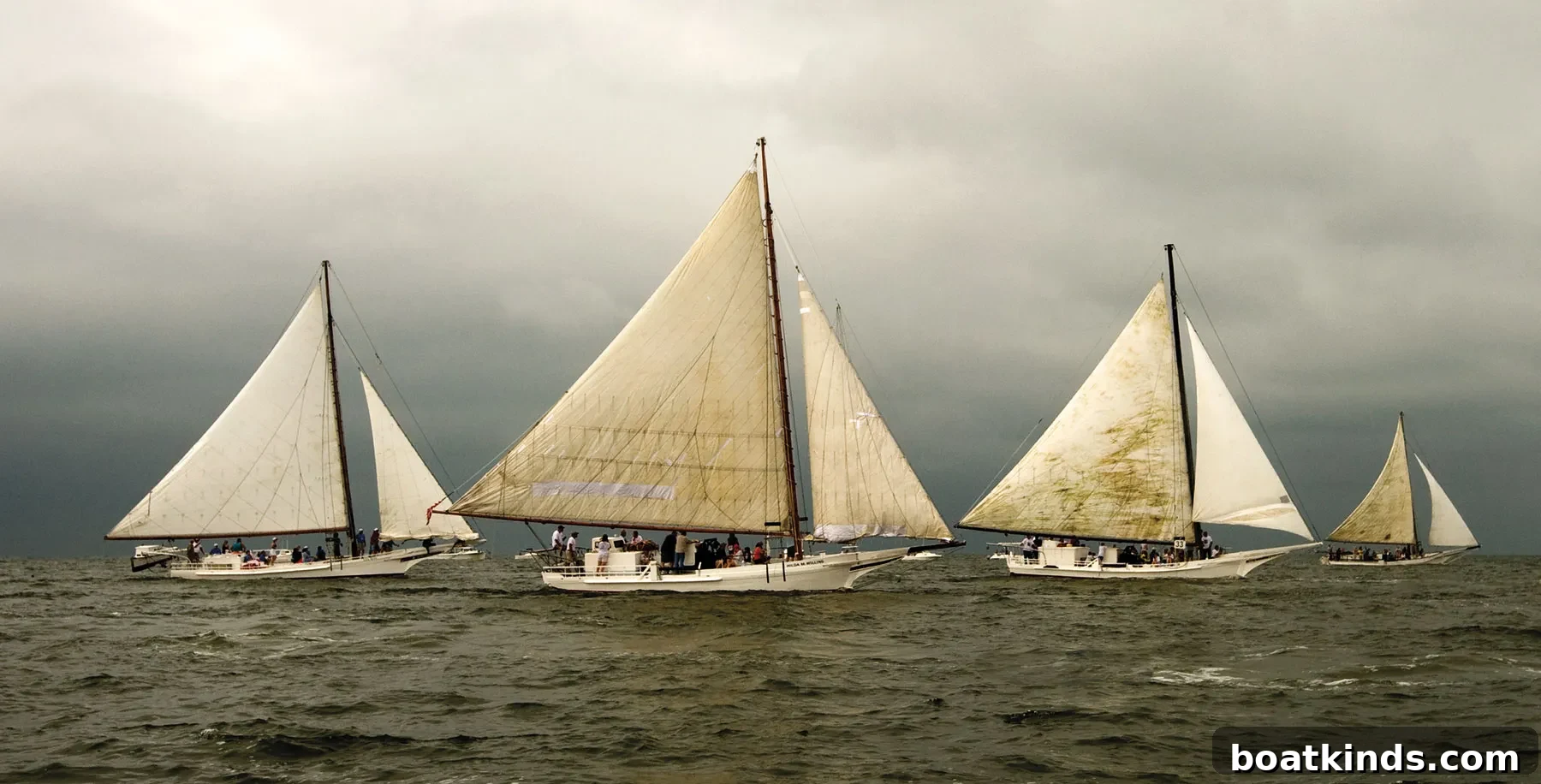
Workboats on the Chesapeake are designed for utility and endurance. Many types evolved locally to meet the unique demands of shallow waters, muddy shoals, and long days of hauling nets and dredges. Skipjacks and bugeyes, for example, are traditionally associated with oyster dredging and have hulls and sail plans tuned for stability and power. Buyboats serve a different, complementary purpose: they move catches from smaller inshore boats to shore-based dealers, enabling fishing crews to stay on the water longer and increasing efficiency across the fleet.
The Bay’s fleets bring a mix of seafood to market — oysters, crabs, clams, and a variety of finfish — each requiring different gear, timing, and handling. Watermen must be skilled at reading the weather and the water, knowing where and when to set gear, and tending to their boats and lines. Maintaining these workboats is a constant task: saltwater is corrosive, wood and metal wear quickly under heavy use, and even routine repairs can be challenging when operating on a tight schedule or in adverse conditions.
Life as a waterman is rarely glamorous, but it is rooted in tradition, practical knowledge, and a close relationship with the marine environment. The work can be physically demanding and economically uncertain, subject to environmental changes, seasonal fluctuations, harvest regulations, and market pressures. Still, many watermen embrace the autonomy and connection to the Bay that their profession provides. For families and coastal communities, the boats and the skills that sustain them are part of a cultural heritage passed between generations.
Photographers and journalists have long sought to document this lifestyle, capturing the grit and dignity of watermen at work. Photographer Jay Fleming’s feature in Soundings’ October 2017 issue offered a vivid look at the daily lives of Chesapeake Bay watermen and the vessels they depend on. Such visual storytelling helps preserve the memory of these working fleets and raises public awareness about the economic and ecological challenges facing the Bay.
Preserving the traditions of Chesapeake Bay workboats involves both maintaining the boats themselves and supporting the people who operate them. Efforts to document boat designs, restore classic hulls, and share knowledge about traditional seamanship all contribute to keeping these vessels active and relevant. At the same time, sustainable fisheries management and community-based initiatives are essential to ensuring the long-term viability of watermen’s livelihoods.
For visitors and residents alike, encountering these workboats — whether under sail at dawn, tied up at a local wharf, or slipping through a narrow channel — offers a direct connection to the Bay’s maritime culture. Each vessel tells a story of skillful adaptation to local conditions: shallow drafts for working near shore, open decks for handling gear, and compact cabins for long days and short rests. The design choices built into these boats reflect decades of practical experience and a focus on function over form.
Ultimately, Chesapeake Bay watermen and their workboats are emblematic of the region’s resilience. They remind us that fisheries are not just about commerce; they are about people, place, and continuity. Supporting the watermen who harvest the Bay’s bounty means supporting a living tradition — one that depends on durable boats, steady hands, and a deep understanding of the water they navigate every day.