
NTSB Finds Ripley Entertainment Responsible for 2018 Branson Duck Boat Tragedy; Highlights Longstanding Safety Gaps
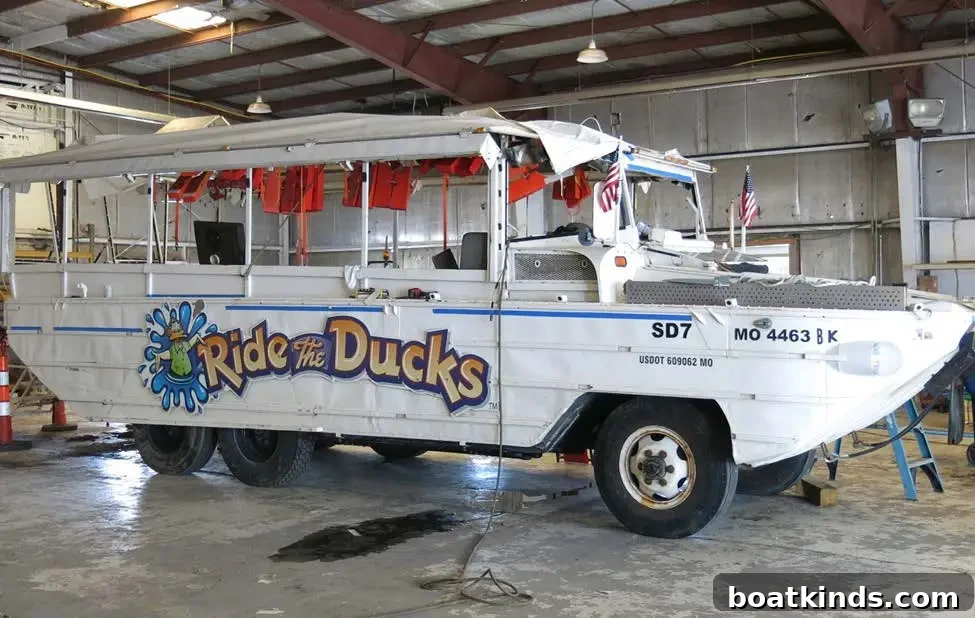
The National Transportation Safety Board (NTSB) has issued a formal determination blaming Ripley Entertainment, owner of the Ride the Ducks operation, for the 2018 duck boat accident on Table Rock Lake near Branson, Missouri, that resulted in the deaths of 17 people. The board concluded that the operator allowed the amphibious passenger vessel known as Stretch Duck 7 to enter the lake during severe weather, a decision the NTSB identified as the primary cause of the sinking.
Findings and Contributing Factors
In its report, the NTSB did more than assign primary responsibility to the operator. It also pointed to systemic weaknesses by noting that the United States Coast Guard (USCG) had failed to implement safety recommendations the NTSB originally issued after an earlier duck boat sinking in Arkansas in 1999, which killed 13 people. Those earlier recommendations included strengthening reserve buoyancy standards for such vessels and urging the removal of fixed canopies so passengers would have more accessible exits in the event of flooding or capsizing.
The NTSB’s analysis emphasizes that avoidable choices and missed regulatory follow-through combined to create the conditions for disaster. Allowing a vessel to operate in conditions the board characterized as high risk was a preventable error; the board also said that broader regulatory action could have lessened the likelihood of such a catastrophic outcome.
Coast Guard and Industry Responses
Following the NTSB’s most recent conclusions, the Coast Guard recommended that owners and operators of duck boats and similar amphibious passenger vessels remove canopies, side curtains, and associated overhead framing to improve passengers’ and crews’ ability to escape in an emergency. That recommendation aims to reduce the danger of entrapment when a vessel becomes submerged or partially submerged.
Not all operators have adopted that guidance. For example, Boston Duck Tours publicly stated that it considers its vessels safe and does not plan to remove canopies from its fleet. The company’s position underscores the ongoing debate in the industry about how best to balance passenger comfort, historical vehicle aesthetics, and the urgent need for improved safety measures.
Safety Recommendations and the Need for Continued Oversight
The NTSB’s report reiterates longstanding recommendations: increase reserve buoyancy requirements for amphibious passenger vessels, remove or redesign fixed overhead structures that can impede escape, and adopt clearer operational criteria that would prevent vessels from operating in hazardous weather. The board also highlighted the importance of regulators acting promptly on its findings so lessons from past tragedies are translated into safety upgrades that protect future passengers.
While the Coast Guard has moved to urge canopy removal and other changes, the NTSB’s report makes clear that fragmented adoption of safety measures—by individual operators rather than across the entire industry—leaves gaps that can cost lives. The 1999 Arkansas sinking and the 2018 Branson tragedy together illustrate how repeated warnings can be ineffective without consistent regulatory enforcement and industry-wide compliance.
What This Means for Passengers and Operators
Passengers who choose to ride amphibious tour vessels should be aware of the inherent risks and the ongoing safety debate around these boats. Operators are being advised to rethink vessel modifications, training, and weather-operational policies to prioritize emergency egress and buoyancy above aesthetics or convenience.
The NTSB’s findings reinforce the need for clearer standards and for operators to adopt available safety improvements without delay. For families, communities, and regulators alike, the report serves as a reminder that past recommendations must be taken seriously to prevent future tragedies.
Further Information
The NTSB report details its investigation and findings regarding the Branson accident and refers back to recommendations made after the 1999 Arkansas incident. Additional news coverage and official statements provide broader context on how duck boat safety recommendations have evolved and how they have been implemented—or not—over time. Those reports can be consulted for a fuller understanding of the sequence of recommendations, operator responses, and regulatory actions.