Pickup Towing Camper and Boat Loses Control on Interstate 4, Deposits Boat on Road
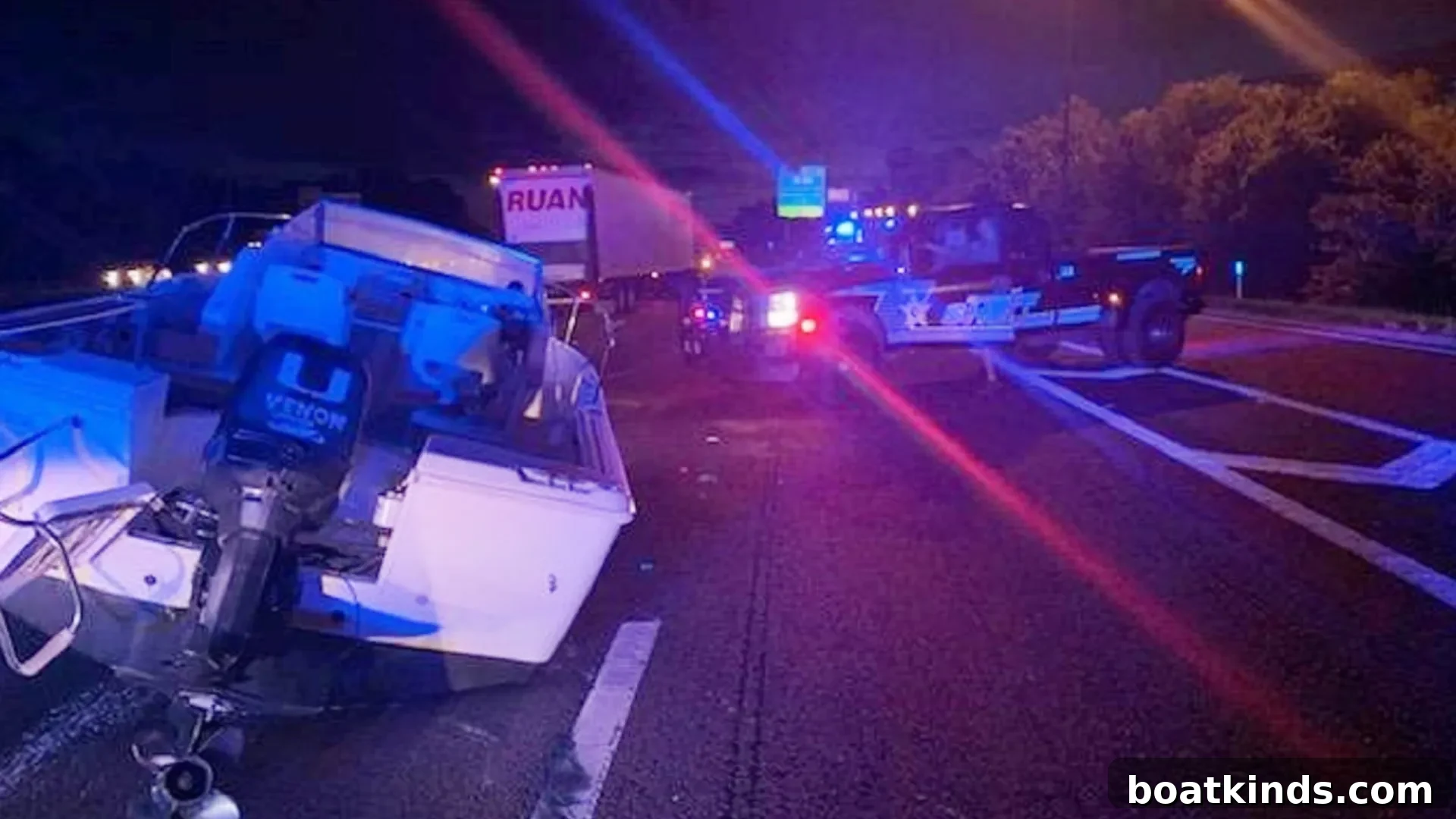
Don’t try this at home, or on the road. A recent incident on Interstate 4 illustrates how quickly towing multiple trailers can become dangerous. According to a Florida Highway Patrol report, a pickup truck pulling both a camper trailer and a boat trailer lost control, causing the camper to jackknife and the boat to be thrown onto the highway.
The crash serves as a reminder of how critical proper towing setup and attention to load limits are. While this particular event did not result in physical injuries to the vehicle occupants, it created a serious hazard on a busy interstate and led to citations issued by law enforcement.
What Happened
Last week, a driver towing two trailers — a camper trailer and a separate boat trailer — lost control of his pickup on Interstate 4. The Florida Highway Patrol’s preliminary report states that the camper trailer jackknifed, and the boat trailer separated or was otherwise deposited onto the roadway, scattering debris and creating an immediate danger to other motorists.
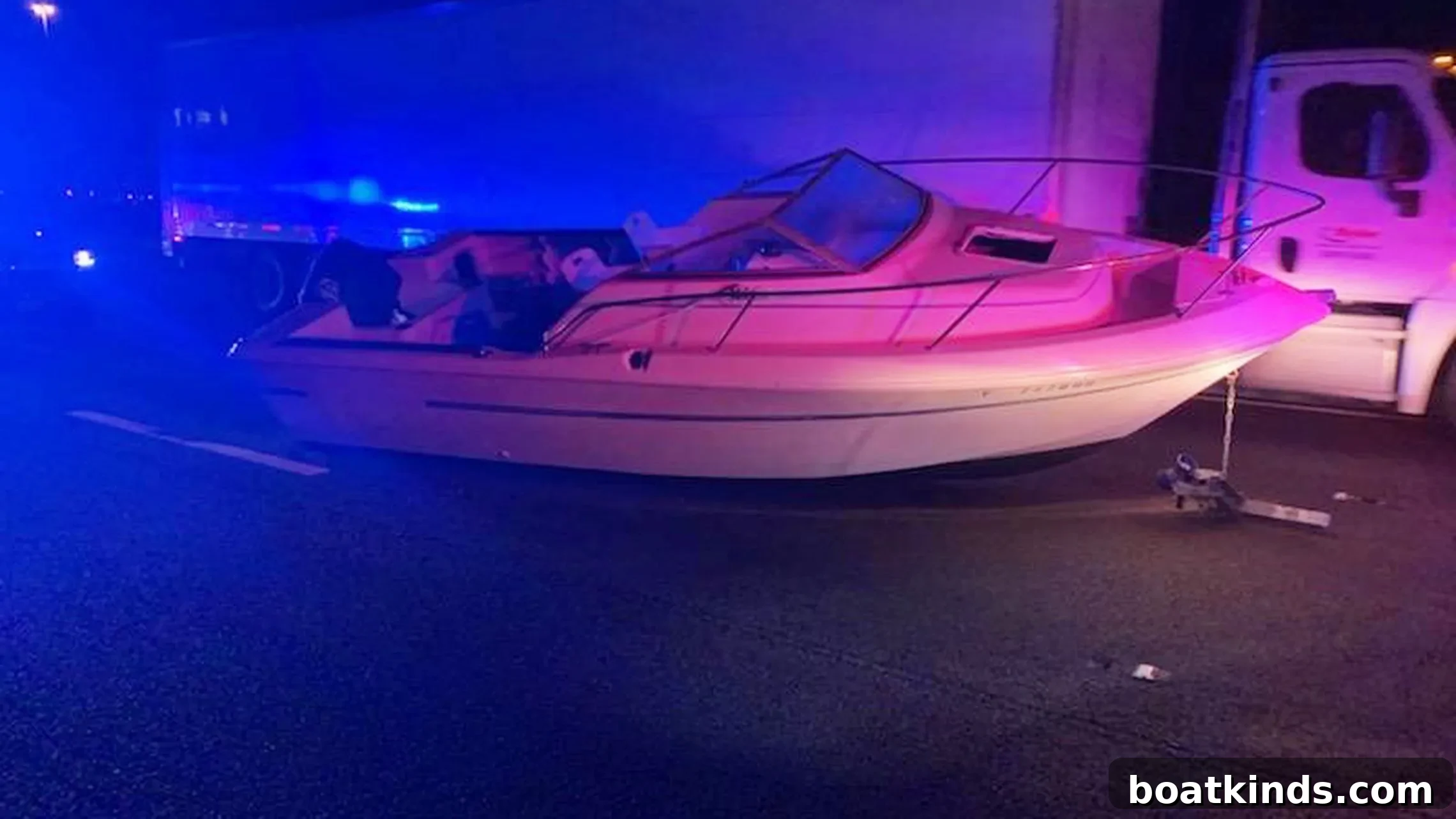
Neither the 30-year-old driver nor his 63-year-old passenger were injured in this crash. The driver was cited for careless driving and violations related to oversize load restrictions. The Florida Highway Patrol handled the scene and cleared the roadway after securing the trailers and removing the debris.
Why Jackknifing and Trailer Loss Happen
Jackknifing occurs when a towed trailer swings out to the side and forms an acute angle with the towing vehicle, often due to sudden braking, improper weight distribution, or trailer sway that is not corrected promptly. Towing two trailers at once compounds these risks, increasing instability and making it harder for the driver to maintain control.
Other common contributing factors include excessive speed for conditions, insufficient hitching or safety chains, uneven or improperly distributed load, and trailers that exceed towing capacity. Oversize or overweight trailers may require special permits, equipment, or routing to ensure safe transport — failure to meet those requirements can result in citations, as seen in this case.
Legal and Safety Considerations
Authorities treat incidents involving oversize loads and careless driving seriously. In this incident, the driver received citations for careless driving and for oversize load violations, reflecting both the manner of driving and regulatory compliance issues.
When towing any trailer, it’s essential to understand local and state laws governing axle loads, width limits, and required permits. Ignoring those rules not only raises the risk of crashes but can lead to fines, citations, and increased liability if a crash causes property damage or injuries.
Towing Safety Checklist
- Know your vehicle’s towing capacity and never exceed it.
- Use the proper hitch and attachment hardware rated for the combined weight of trailer(s) and cargo.
- Distribute weight evenly and keep a low center of gravity; secure loose items.
- Check brakes, lights, tires, and safety chains before departing and during long trips.
- Reduce speed, especially when towing multiple trailers or in adverse weather and heavy traffic.
- Consider using sway control devices and braking assist systems where appropriate.
- Obtain any required permits for oversize or overweight loads and plan permitted routes.
- Avoid towing more than what your vehicle and equipment are designed to handle.
Conclusion
The Interstate 4 incident underscores the hazards of towing dual trailers on busy roadways. Even when occupants walk away unharmed, the consequences can include roadway obstruction, property damage, legal citations, and severe risk to other motorists. Observing towing best practices, obeying load regulations, and preparing vehicles properly are essential steps to prevent similar accidents.