
Fifteen minutes after the ferry for Monhegan Island departs New Harbor, Maine, Capt. Chad Hanna asks passengers aboard the Hardy III to look to starboard. There, at the tip of the Pemaquid Peninsula, stands Pemaquid Point Light—the most photographed lighthouse in the state and the image on the Maine quarter. He doesn’t reveal, at least not yet, that one of his most famous ancestors once kept that light.
The one-hour run to Monhegan could easily be filled with family stories. Hanna’s maritime history stretches back more than two centuries and reaches from remote lighthouse rocks to wartime decks. As the Hardy III’s twin 350-hp Caterpillar diesels push the 60-foot ferry and its passengers across Muscongus Bay, Hanna and deckhand Kaden Pendleton call out landmarks and wildlife. Normally licensed for 113 passengers, the boat is running at less than half capacity because of Covid-19 restrictions.
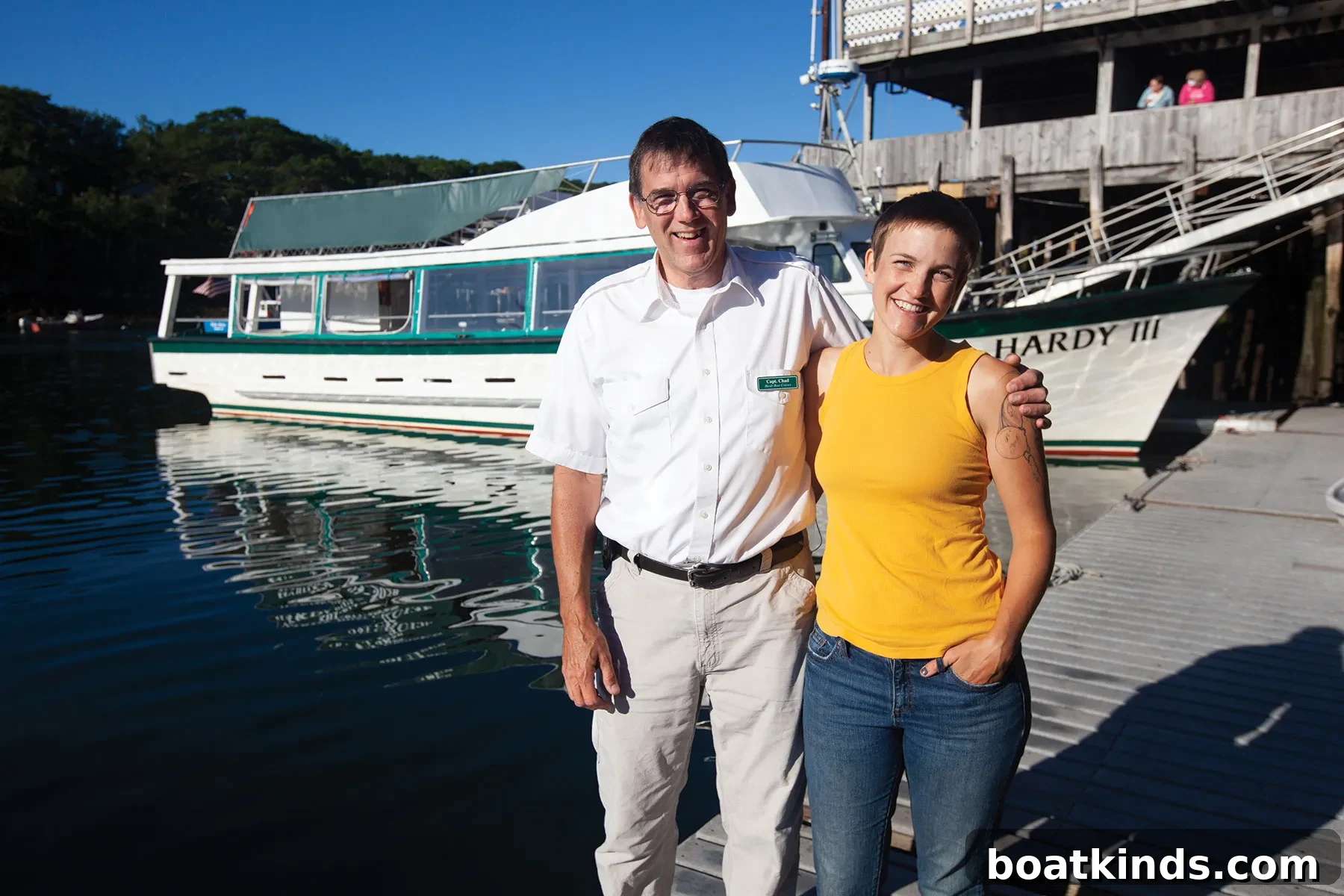
Hanna, 63, says rough days at sea can be demanding but most runs are routine. Today is ideal: blue skies, a 10-knot tailwind, two-foot seas and near-perfect visibility on the exposed 10-mile run to Monhegan. He remembers, though, a hair-raising trip not long after he first took command. A forecast had promised 15–25 knot winds, but the ocean delivered 10–12 foot seas, seas shearing off wave tops and spray washing over the bow. The Hardy III was built for offshore work, but many passengers became ill. “I’ve been in 35-foot seas during U.S. Navy sea trials,” he says, “but that was a wild ride.”
The Hanna family’s maritime roots in Maine go back to 1811, when Thomas Hanna emigrated from Aberdeen, Scotland, and became keeper of Boon Island Light. Boon Island was notorious—tiny, low and regularly slammed by storms. It’s little wonder the first keeper quit after a few months. Thomas and his wife Sophia lasted five years before the isolation drove them away. Long assignments and regular pay made lighthouse keeping an attractive if difficult livelihood in the 19th century.
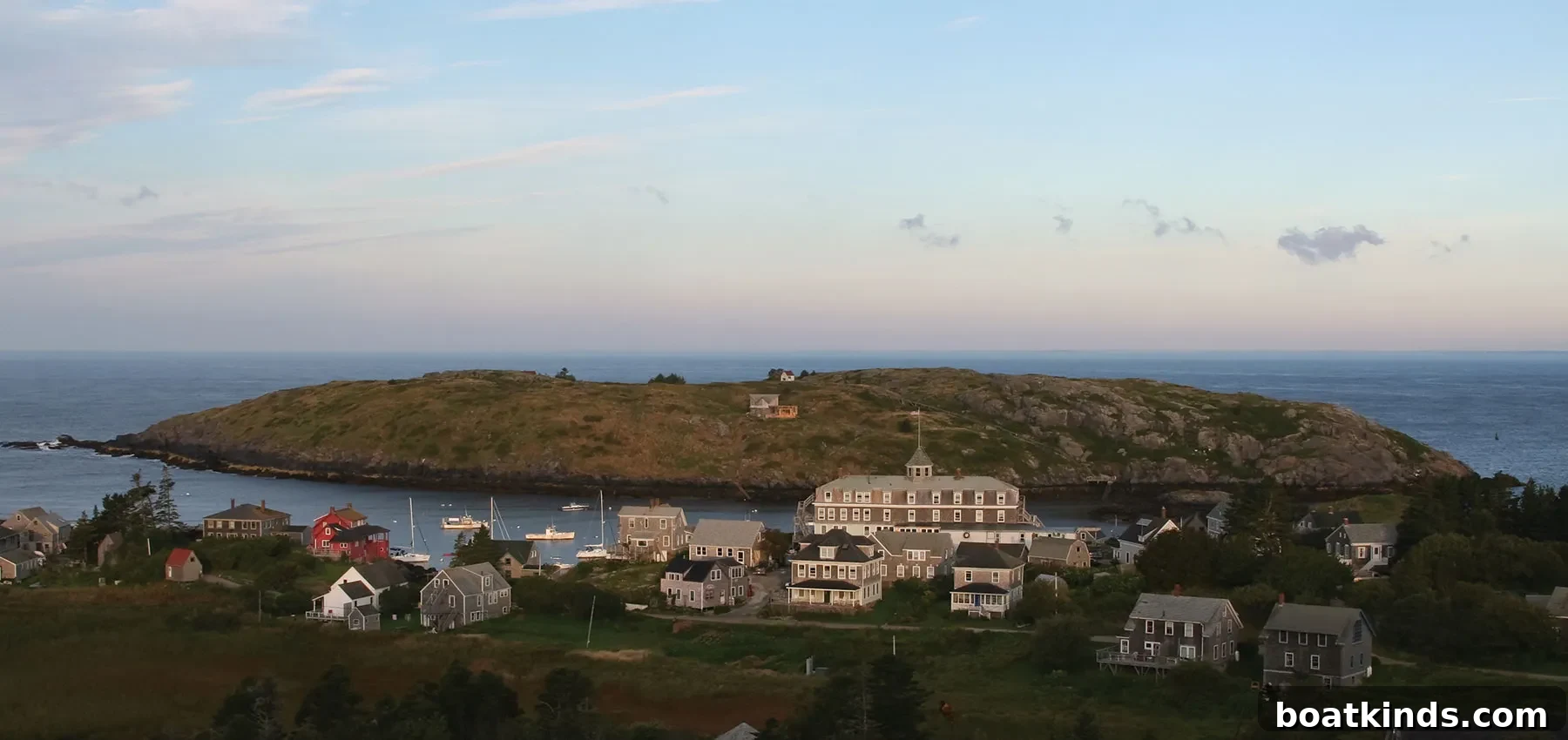
Later Thomas served as keeper at Franklin Island Light in Muscongus Bay, and the Hannas became fixtures in the region, working the sea and protecting mariners. Chad Hanna grew up in Round Pond—across the bay from Franklin Island—pulling lobster traps from a skiff. He spent 18 years at Bath Iron Works testing Navy frigates, destroyers and cruisers, then worked as a lobsterman until the labor wrecked his shoulders. He spent a decade as a machinist before returning to the water.
Maritime life is family business. Chad’s daughter, Kaitlin Hanna, started selling tickets at Hardy Boat Cruises at 17 and quickly moved up to deckhand. After teaching in Zanzibar and helping rebuild homes in New Orleans following Hurricane Katrina, Kaitlin earned her captain’s license and took command of the same ferry. She faced skepticism at first—“there was a lot of sexism,” she says—but perseverance and competence won respect. Watching her study for the exam inspired Chad to pursue his own captain’s license when Hardy Boat Cruises needed another deckhand.
From Mother’s Day to Columbus Day, Chad, Kaitlin and owner Al Crocetti would rotate as skippers on the Hardy III, running the ferry twice daily to Monhegan and offering wildlife and leaf-peeping trips around Muscongus Bay. This season, Covid-19 kept Kaitlin home with her daughter while Chad and Al kept the ferry schedule.
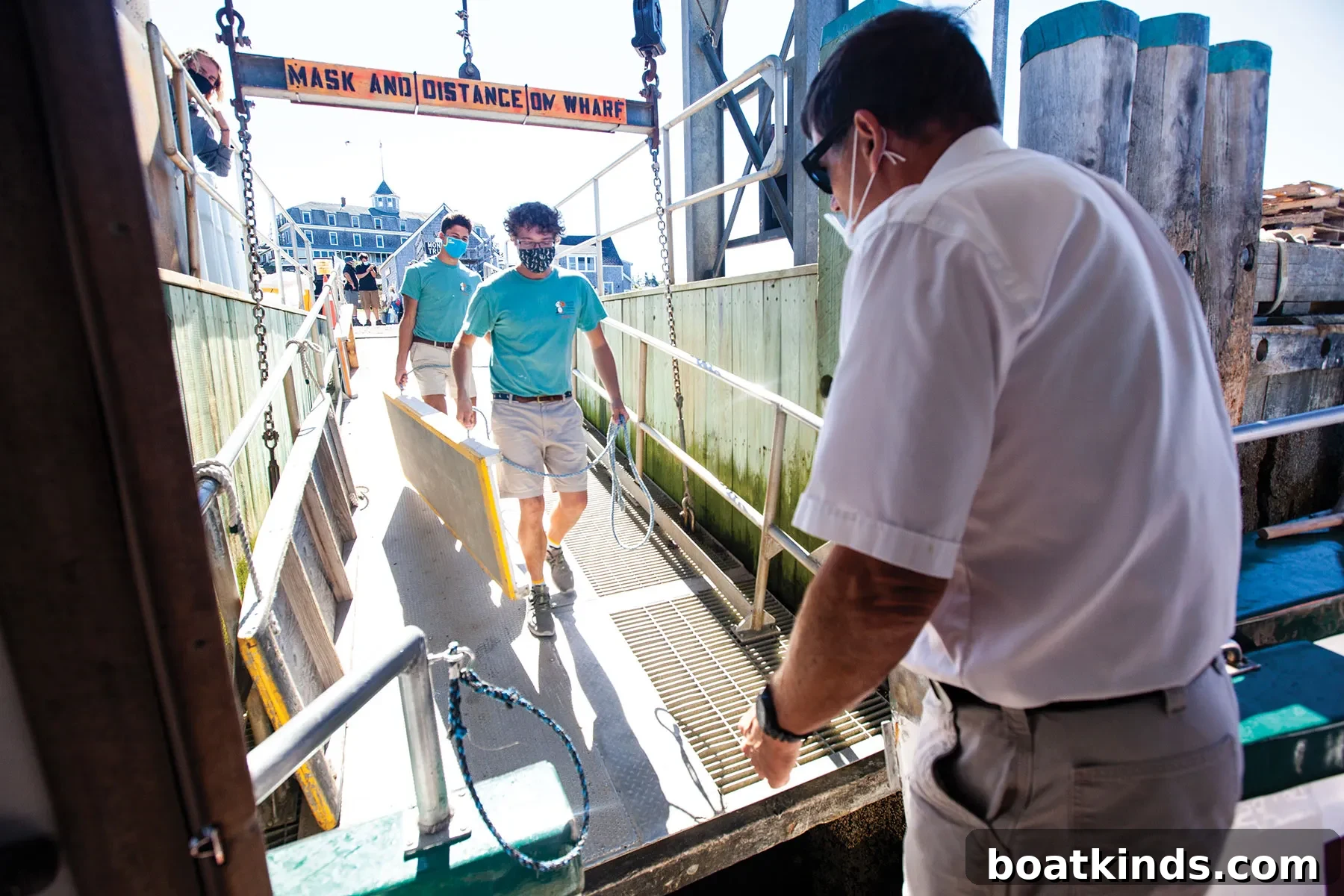
When they dock at Monhegan, deckhands unload luggage—everything from suitcases and provisions for a wedding party to a kayak lashed forward. Monhegan has no airport and no car ferry; freight comes in on seasonal boats and the year-round Port Clyde ferry that carries the mail. In spring and fall the Hardy III also ferries a herd of goats to Manana Island. Over the years the boat has carried chickens, a giant wooden toothbrush and a bronze goat statue—a testament to island life’s practical and quirky needs.
Monhegan is tiny—1.7 miles long and less than a mile wide—but two-thirds of it is protected as a nature preserve with roughly twelve miles of trails leading to dramatic coastal cliffs. The island has long drawn artists (including three generations of the Wyeth family), birders who spot nearly 200 species, fishermen after tuna, and quiet-seeking tourists. About 60 people live there year-round. The island supports a strong creative community, a small brewery known for its ginger beer and a handful of eateries serving both day visitors and overnight guests.
Only a dozen passengers return to New Harbor on this trip, and all take the upper deck. Midway across the bay a feeding frenzy breaks out: a pod of Atlantic white-sided dolphins cavorts and springs clear of the water. It’s a rare thrill—“that only happens once or twice a year for us,” Pendleton says—and everyone on board watches spellbound.
Off to starboard, Franklin Island Light signals another link in the Hanna story. Thomas Hanna’s son, James Tolman Hanna, took over that light in 1841. One of James’s sons, Marcus Aurelius Hanna, left a remarkable legacy. He went to sea as a boy, served in the Civil War and later became a lighthouse keeper. During the siege of Port Hudson he braved enemy fire to fetch water for his comrades, an act of valor that earned him the Congressional Medal of Honor decades later. In 1885, as keeper at Two Lights near Portland, he rescued two sailors from a wreck during a winter blizzard and received the Gold Lifesaving Medal. He remains the only person awarded both honors.
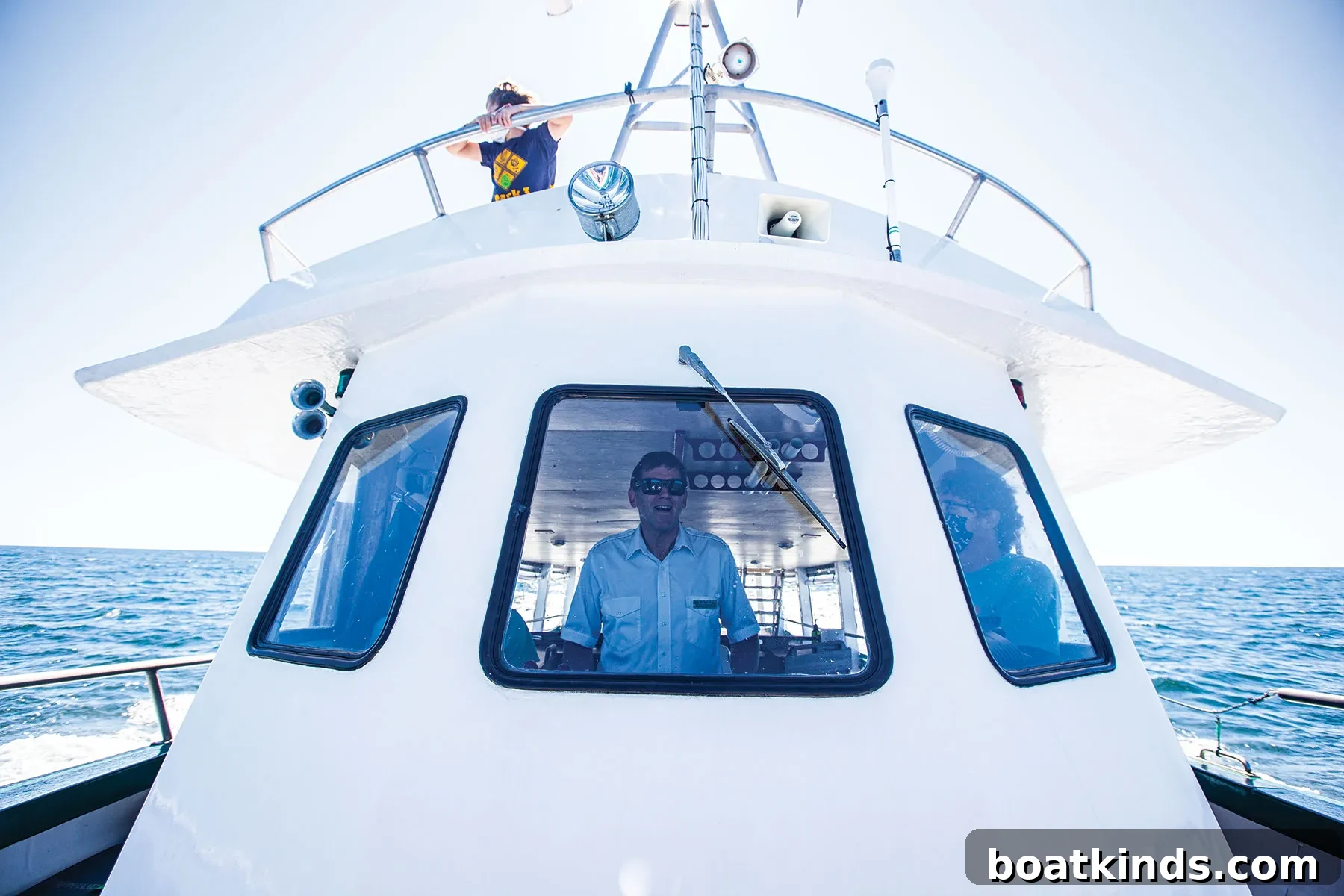
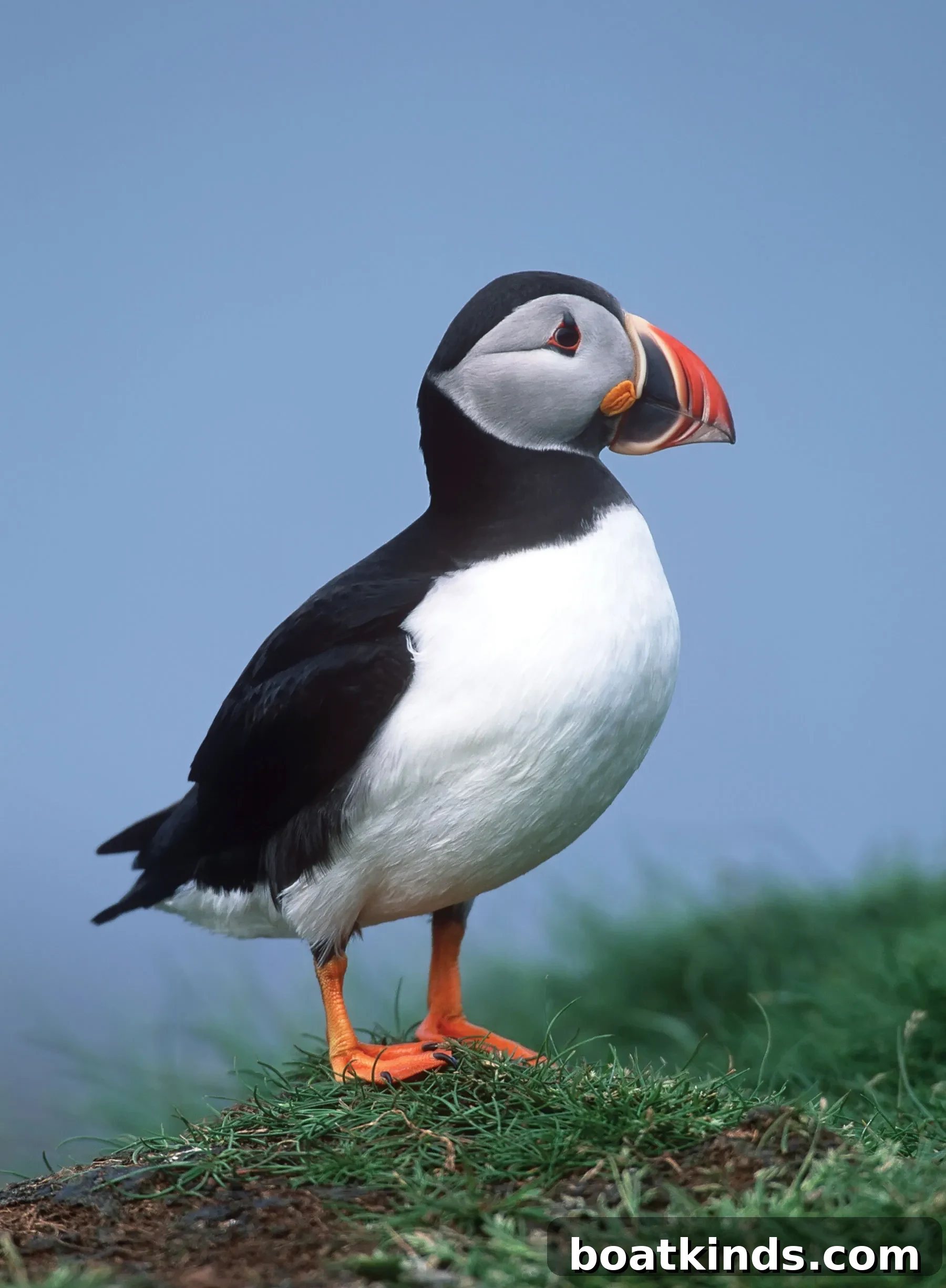
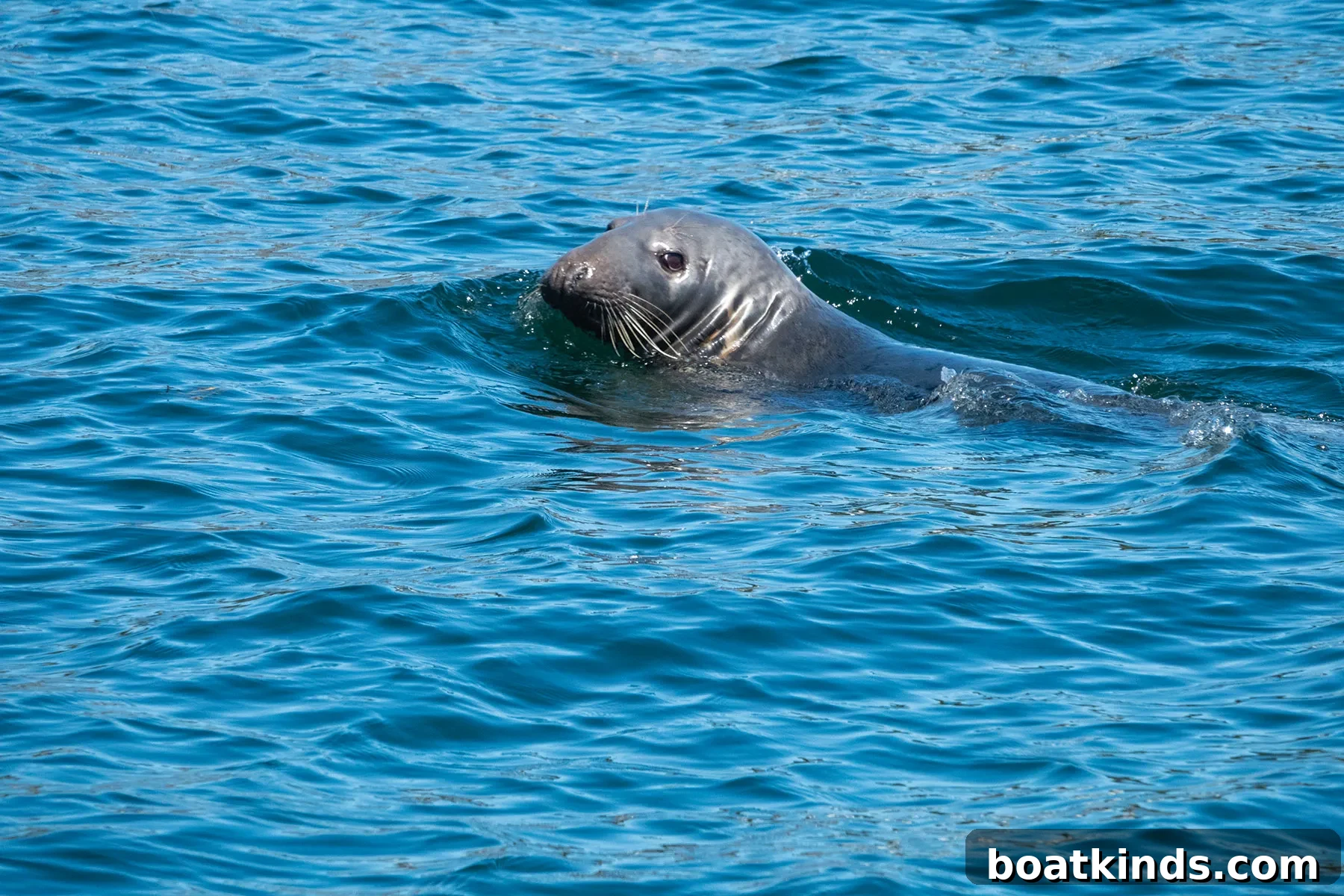
After resupplying with fuel in New Harbor, the Hardy III heads out again for a noon puffin run to Eastern Egg Rock. Inside the harbor, steering the boat requires physical effort—ten turns of the wheel take it from hard right to hard left—and careful navigation among mooring balls and lobster boats. A gray seal cruises lazily across the ferry’s wake as Pendleton points out seabirds: guillemots, laughing gulls, cormorants and, when they’re lucky, Atlantic puffins. Puffins are startlingly fast on the water and in flight; this season Pendleton spots a few, paddling and diving before lifting off.
The Hanna family story includes distant seas and wartime service. Chad’s grandfather Morrill Tolman Hanna worked as a steamship engineer out of New Orleans, then returned home and built boats to keep the family tied to the water. Chad’s father, George Harland “Harney” Hanna, served aboard the USS Achernar during World War II and survived a kamikaze attack at Okinawa that killed and wounded crew members but did not sink the ship. After the war Harney ran Seabird Lines, giving fishing and bay tours and doing whatever work the family needed to make a living.
As the Hardy III turns back toward New Harbor, the automated light on Franklin Island blinks over Hanna’s shoulder. “The start of my family is on Franklin Island,” he says. Kaitlin, standing on the dock, points around the harbor and smiles: “We’ve been here a long time. It’s special to have such a connection to this place.”
This article was originally published in the November 2020 issue.