
Running a Boat Through Rough Seas: A Montauk to Brielle Passage
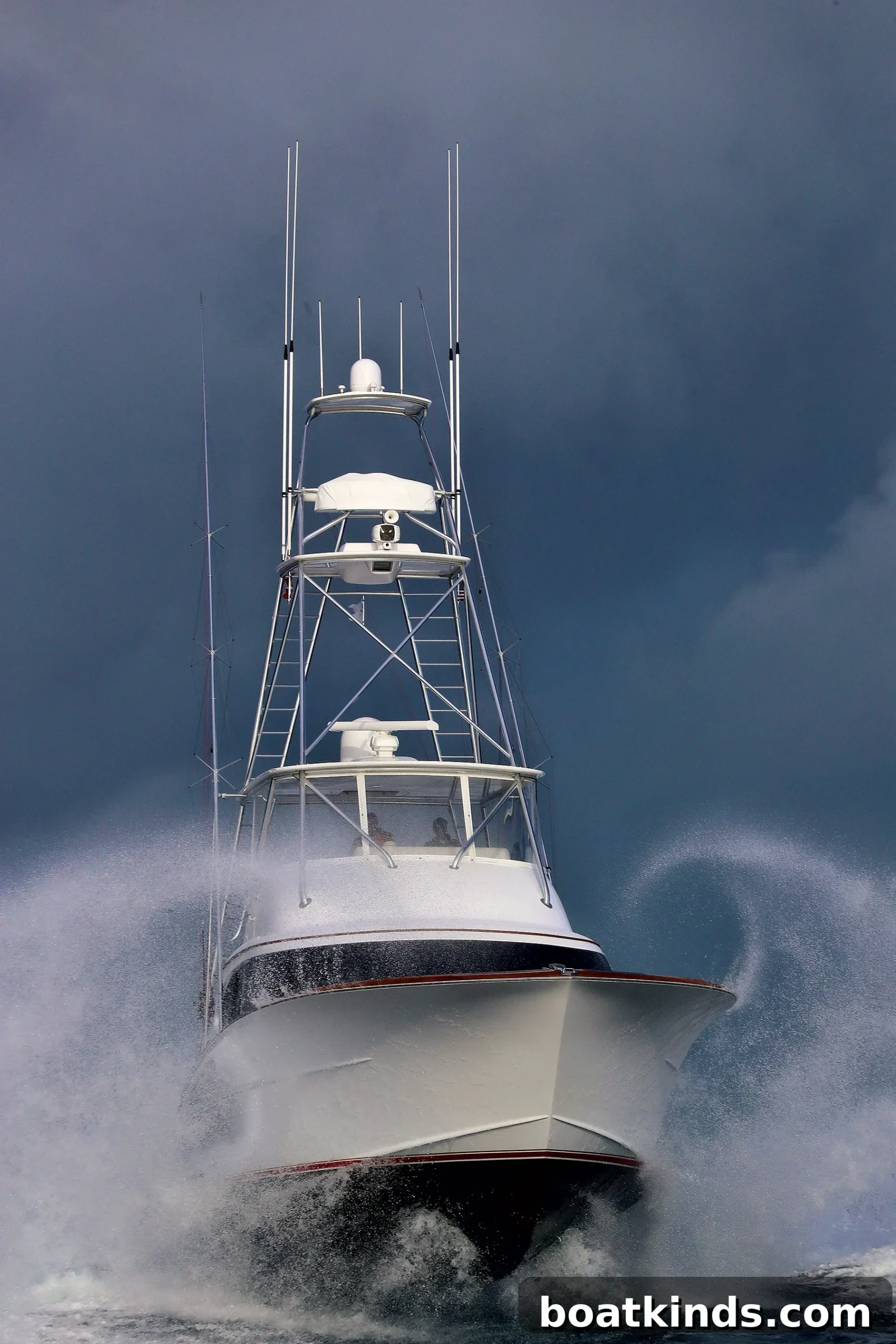
After several weeks of giant tuna fishing out of Gloucester, Massachusetts aboard my 42-foot sportfisher, I was ready for the two-day steam back to my homeport in Brielle, New Jersey. The first leg, from Gloucester to Montauk, turned into a passage I won’t soon forget. What should have been a routine transit felt like being in a saltwater washing machine — relentless, wet, and unpredictable.
We knew conditions could be sporty when the southwest wind increased dramatically as we exited the Cape Cod Canal and passed Cleveland East Ledge Light. Rhode Island Sound was a carpet of tall green swells and deep hollows, with whitecaps and wind-driven spray that swept over the tuna tower and drenched the open flybridge. Five-gallon buckets in the cockpit repeatedly filled and rolled on the teak covering boards. Every 30 minutes my mate went below to inspect the salon, checking windows, hatches, drawers, lockers, cabinets and doors to ensure everything remained secure.
Midway through the run we dropped hard behind a large wave. A loud bang and rattling rose above the wind — I thought a folding seat in the tower had broken free. I throttled back to a predictable heading and idled until the motion became manageable enough to climb the tower safely. Clinging to wet rungs and timing my steps to the roll of the boat, I reached the chair and found the lock had failed and the hardware was gone. I extended the seat leg to stop the rattle and provide support, then returned to the flybridge, took the wheel from my mate and eased the engines up to about 15 knots, following my compass course to Montauk.
When we tied up a few hours later, the dockmaster was surprised we had come from Gloucester given the conditions — especially with the reservation I’d made the day before. Forecasts had predicted 10 to 15 knots, but the wind was clearly stronger. Hosing off the topsides, I found the metal pieces from the tower seat in the cockpit and noticed the topcoat on the forward deckhouse had been abraded away by spray, exposing primer beneath.
That run was a vivid reminder that a mariner must always be prepared for changing conditions before leaving the dock. A forecast that calls for 10 to 15 knots can easily end up higher, and a forecasted 2 to 4-foot sea state can build into more substantial waves offshore. When you’re a mile from shore the ride feels different than it does 20 or 30 miles out. A half-hour passage in sloppy conditions is far more tolerable than eight hours of heavy seas and constant spray.
There will be times when rough weather surprises you, and when that happens the captain is responsible for ensuring the vessel is prepared and equipped to handle what’s ahead. In our case we reached Montauk safely because I had a competent mate aboard and because I had filed a float plan so others knew our intended route and arrival time. Those simple precautions make a real difference when conditions deteriorate.
These practical housekeeping duties apply regardless of boat size — from small craft on Barnegat Bay to motoryachts on Long Island Sound. Know your boat’s capabilities and your own experience level. Some of the most memorable days on the water aren’t the calm, sunny ones; they’re the days defined by soaked charts, heavy salt and lessons learned in rough seas.
Practice and frequent use of your vessel build confidence across a range of conditions. You’ll learn to interpret forecasts, understand how an outgoing tide colliding with onshore wind can create a confused sea, and recognize how a slight change in heading can dramatically improve the ride, even if it adds a few miles to your route. You’ll discover that slowing down reduces pounding in head seas and that proactive maintenance — like changing fuel filters before a trip — can prevent engine issues when the boat is being tossed about.
Operating in less-than-ideal weather tests a skipper’s judgment. The decision to go or stay ashore is yours, but every outing is different. Preparation, a competent crew, and prudent seamanship are what get you through the worst stretches.
The morning after that wild ride, we left Montauk at first light. A thin fog lifted as we rounded the point, and the run from there to Brielle felt serene — the five-gallon buckets in the cockpit stayed dry and the engines purred. It was a reminder that conditions can change quickly and that good preparation pays off in safety and comfort.
This article was originally published in the March 2021 issue.