Discovery of the U.S. Navy Submarine R-8 by Atlantic Wreck Salvage
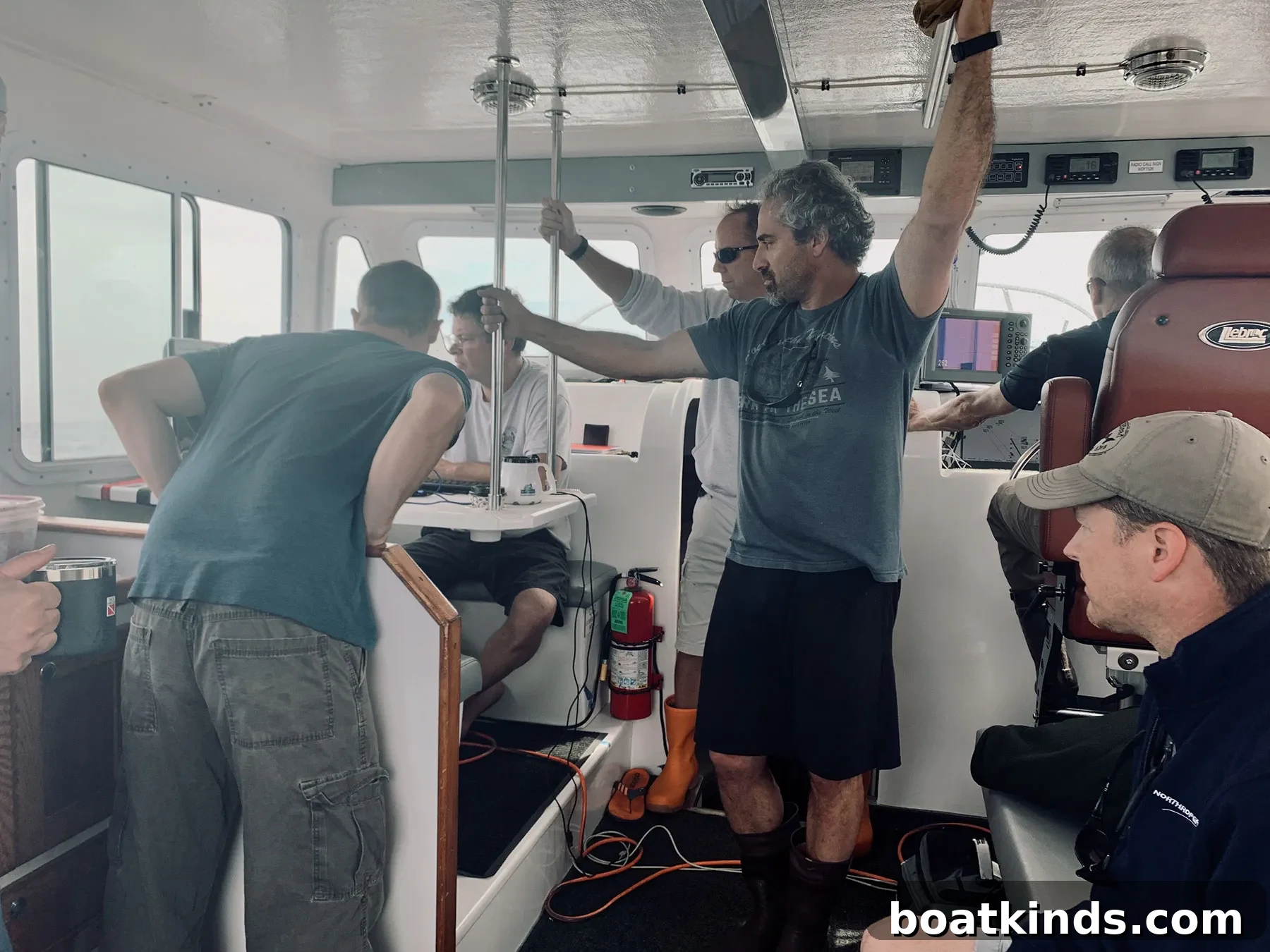
Sitting across from the helm aboard the 45-foot Tenacious, Joseph St. Amand first noticed the seafloor change on his sonar monitor. For roughly 30 to 50 seconds the images shifted dramatically from the surrounding bottom, and he could tell it was something different. “We’ve got something big,” he recalls saying.
Capt. Joe Mazraani, who watched his own monitor at the helm, remembers that same instant. They both understood they had a promising contact, even if the exact identity wasn’t yet certain. It would take further analysis to confirm the target.
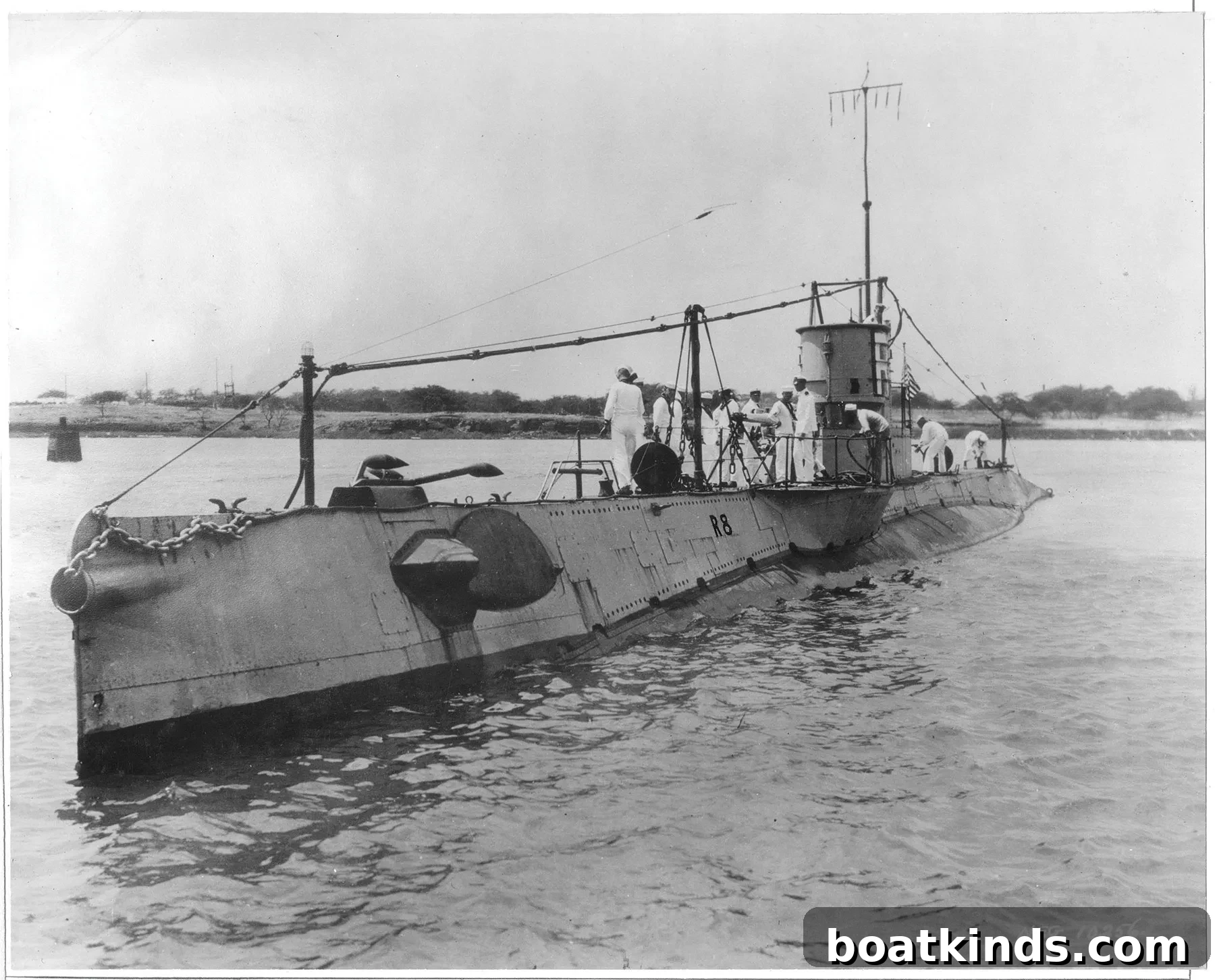
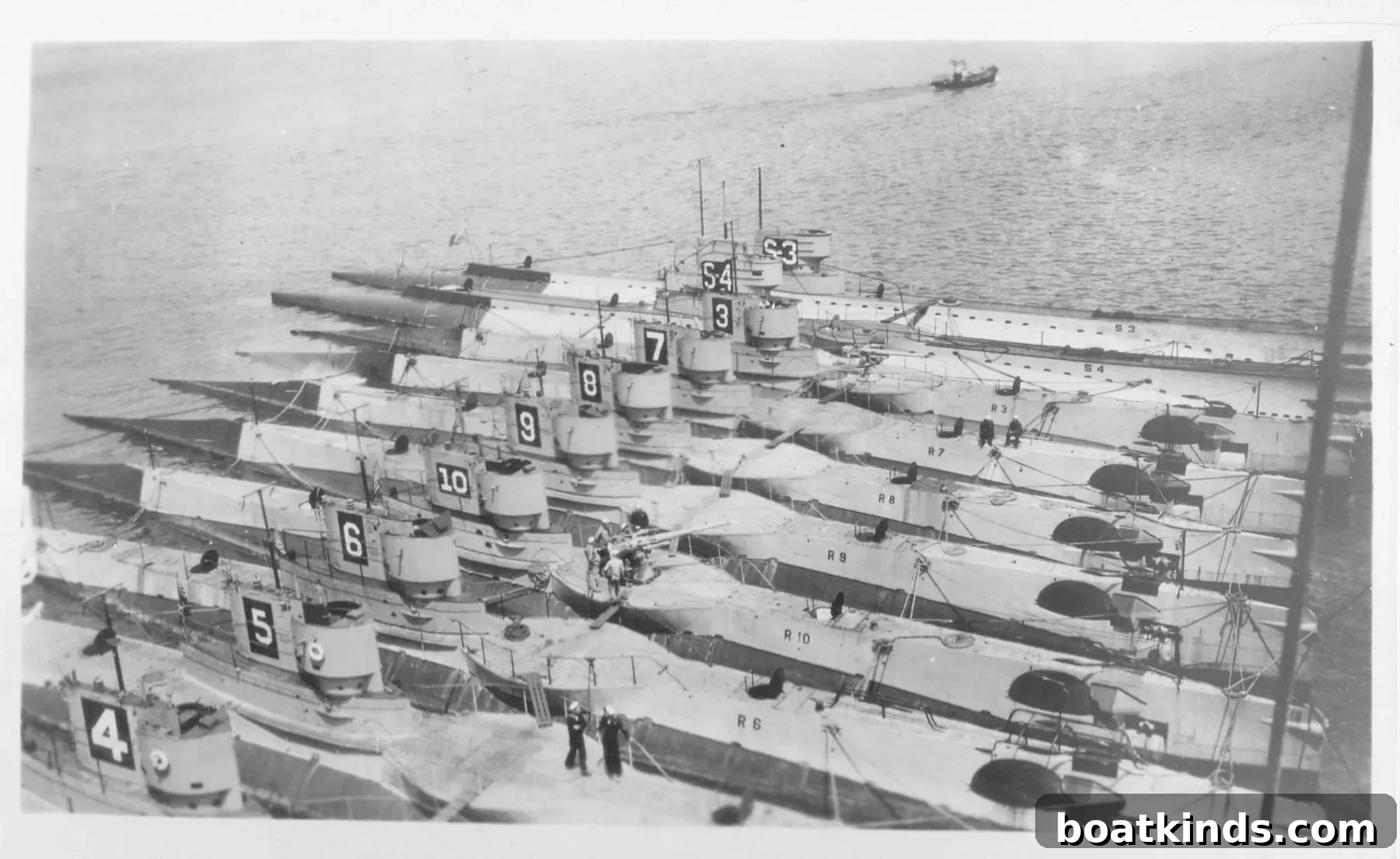
The object they were tracking turned out to be the 186-foot R-8, one of 27 R-class submarines the U.S. Navy commissioned during World War I. Built at Fore River shipyard in Quincy, Massachusetts, in 1918, the R-8 served with the Pacific Fleet after transiting the Panama Canal and later returned to the East Coast. After sinking in the yard in 1936, the Navy raised and used her in an aerial bombing test. The munitions carried the R-8 to a final resting spot off the Maryland coast that had remained unconfirmed until the moment the team aboard Tenacious saw the unmistakable sonar signatures.
How Mazraani, his crew and Tenacious located the long-missing submarine is a story that stretches back more than a decade, beginning with Mazraani taking on a boat that needed extensive refurbishment and converting it into a serious working dive and salvage platform.
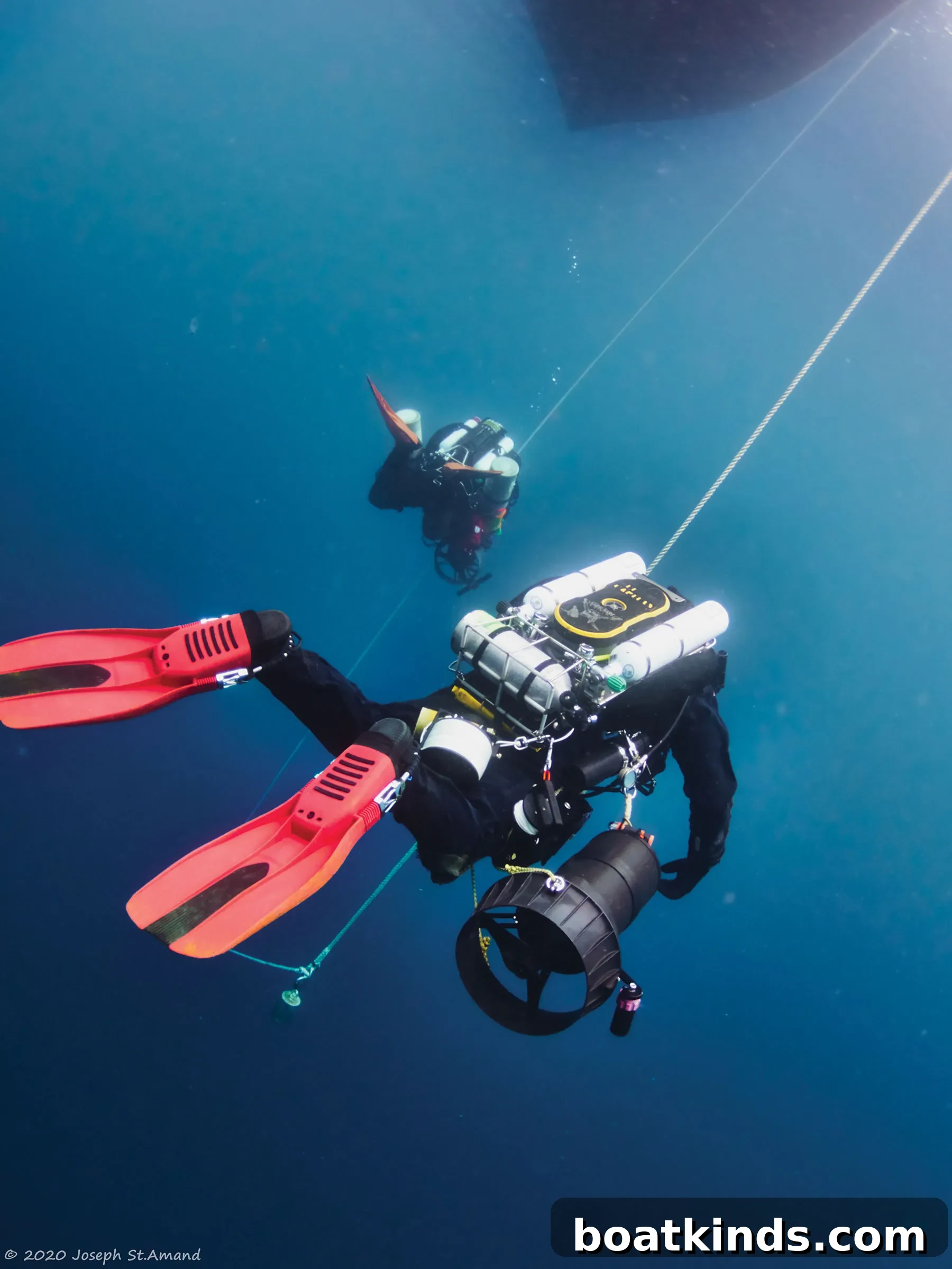
Mazraani, a criminal defense attorney from New Jersey, has explored wrecks for many years as a recreational diver. He transitioned from sport diving to salvage operations and formed Atlantic Wreck Salvage, which funds both commercial work and the pursuit of historically significant wrecks.
In 2010 a broker presented Mazraani with a Novi—a Downeast-style fishing boat frequently seen around Nova Scotia. Built in 2003, she offered generous deck space ideal for salvage gear. Mazraani recalls that the vessel was “on her way to becoming another dilapidated fishing boat” and decided it was the right time to refit her for a new life.
Over the next decade the boat, renamed Tenacious, underwent a methodical restoration tailored to the demands of long-range dive and salvage missions. Belowdecks, four bunks were replaced with six new berths and a foldout bench abaft the helm created additional sleeping space. The head was relocated outdoors to free up interior room for gear. Mazraani upgraded the captain’s chair, added a non-slip rubber sole to interior fiberglass decking, repainted the vessel, and rebuilt the hydraulics to handle a two-thousand-pound lift.
“The idea was to build a serious working dive boat, a serious salvage-dive boat,” Mazraani explains. “We wanted the range to reach far from shore and to do it safely with the right equipment.”
The investment paid off in 2012 when Mazraani and his team discovered U-550, the last German U-boat believed to remain in diveable North Atlantic waters. That achievement, and the lessons learned, led the team and Mazraani’s mentor, Eric Takakjian, to set ambitions on finding the R-8, thought to be the last missing American submarine in accessible North Atlantic diving depths.
Another major equipment upgrade proved decisive. In August 2020 Mazraani and St. Amand picked up large crates at Newark Liberty International Airport and spent two days assembling the Klein System 3000 on Tenacious. While not cutting-edge by military standards—it’s been in use since 2002—the Klein system is specialized, expensive gear often beyond the reach of hobbyist salvage teams.
The System 3000 comprises a processing unit and computer interface linked by a cable to the towed device known as “the fish,” a 4- to 5-foot side-scan sonar unit that images the seafloor. The system requires a two-person crew: one to steer the boat so the fish remains about 50 feet above the bottom and another to monitor and adjust the sonar’s scan range and settings.
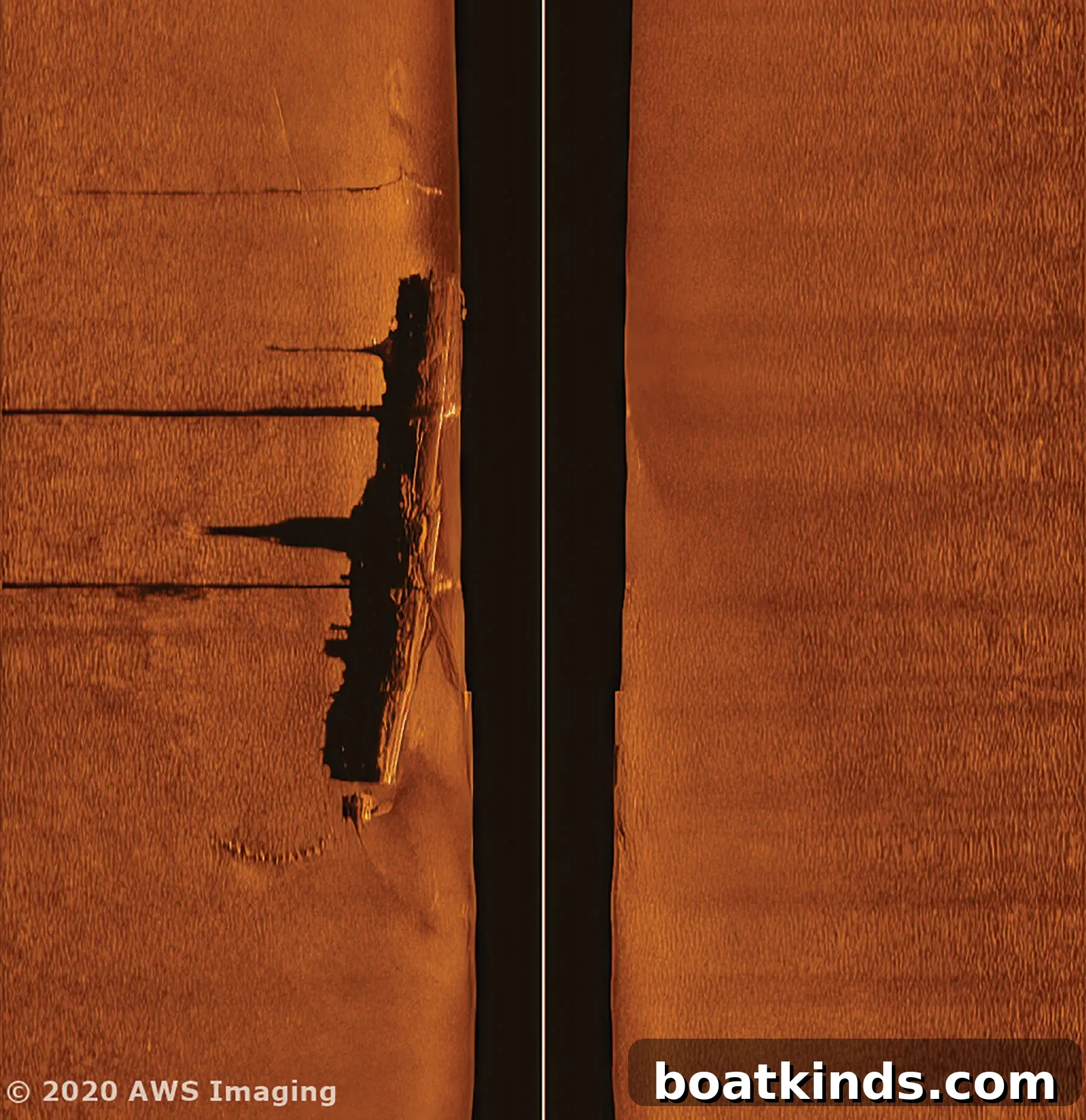
Search operations begin by “mowing the lawn”—laying out a search grid based on historical research and sweeping that area at 3 to 4 knots. Initial passes turn up potential contacts that merit slower, more detailed runs at about 3 knots to collect higher-resolution data. During their R-8 search the team ran this pattern for three days without a major find. On the first day of a follow-up trip they finally saw the large, unusual signature that would become their target.
Even then, confirmation required post-processing. St. Amand uses SonarWiz to reduce noise and enhance sonar imagery, much like cleaning up a photograph in editing software. The team compares sonar features to historical photographs and consults experts. In the case of R-8, distinctive spray rails on the conning tower matched archival images and helped secure the identification.
For now the team is keeping the exact coordinates private until they can make a visual dive during the June–July weather window to verify the wreck firsthand. In the meantime Mazraani and his crew are planning future searches and considering further upgrades to Tenacious, including replacing the current 400-hp Cummins inboard with a 700-hp unit to reduce transit times to remote sites.
Mazraani accepts that a boat owner’s upgrades are never truly finished, but after a decade of steady work and incremental improvements, he says he has reached the level he envisioned. “I’ve always had the vision of getting to this point,” he reflects. “It just takes a while to get to that level.”
This article was originally published in the March 2021 issue.