
After years of patient searching for a shipwreck believed lost to history, American treasure hunter Mel Fisher famously located the Nuestra Señora de Atocha off the Florida Keys in 1985 and recovered cargo later valued at roughly $400 million. While Fisher’s name is most commonly associated with the Atocha, the success of that and other recoveries was the result of a team effort that included skilled salvors such as John Brandon.
Brandon’s career includes some remarkable individual discoveries. In an interview with Treasure Net he recalled finding “a two-and-half-foot gold belt at the Atocha that Christie’s appraised at $1.2 million.” The belt, he said, contained diamonds, rubies and pearls—one of the most spectacular personal finds of his career and a vivid example of the high value and historical importance of artifacts recovered from Spanish galleons.
His entry into the world of professional salvage began early. Fisher hired Brandon when he was just 16 years old, and the young recruit was thrilled to join the crew, earning $65 a week. Fisher’s operation used a seniority system, and Brandon noted that it was only after he turned 17 that he qualified to claim a percentage of recovered treasure. That progression from deckhand to stakeholding team member illustrates the apprenticeship nature of professional salvage work, where practical experience, trust and time aboard a vessel build the foundation for a career.
Today, Brandon continues working as a salvor focusing on the wrecks of the 1715 Spanish fleet, lost in a hurricane off the coasts of Fort Pierce and Vero Beach, Florida. He has located vessels in surprisingly shallow conditions—sometimes in less than 20 feet of water—which serves as a reminder that significant shipwrecks can lie close to shore and yet remain difficult to locate. Speaking about the destructive power of grounding, Brandon has said, “Whether you’re the Exxon Valdez or a Spanish galleon, when you hit the rocks, you’re going to sink and come apart. It doesn’t matter if you’re 21st or 18th century.” His remark underscores the universal vulnerability of ships to catastrophic hull breaches and structural break-up when they strike hazards below the waves.
Brandon attributes much of his technical knowledge and broader understanding of maritime recovery to his years working with Mel Fisher. “History. Archaeology. Geology. Electronics. You name it,” he has said, listing the subjects and disciplines that became part of his toolkit while on Fisher’s crew. Those combined skills—historical research, archaeological methods, geological awareness of seabed conditions, and the practical use of electronics and diving equipment—are central to modern shipwreck salvage and responsible artifact recovery.
Because of his long contributions to maritime salvage and his role in major discoveries, Brandon received the Treasures annual Lifetime Achievement award in 2016. The recognition reflects both his field accomplishments and his continuing work in the region’s ongoing recovery efforts.
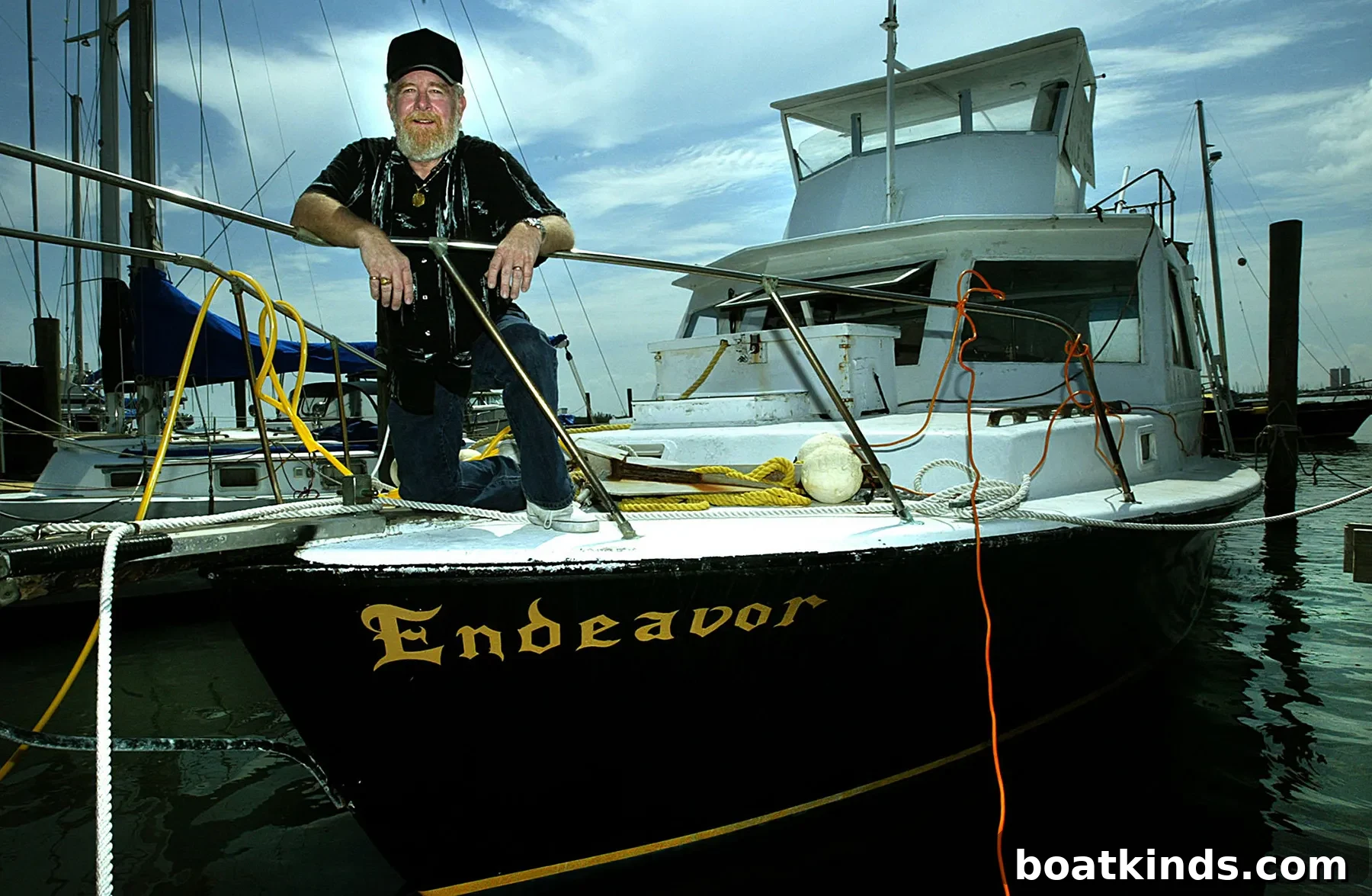
Brandon still searches for wreckage aboard his own vessel, the Endeavor. He believes that a substantial amount of material remains undiscovered from the 1715 fleet. According to Brandon, “There are still at least 40 to 50 tons of silver coins that are missing out there.” Although salvage and archaeological work in that area has been ongoing for more than 40 years, he expects significant finds will continue to surface for many years to come, long after his own time at sea.
For Brandon, the work is about more than monetary reward. In an interview with Indian River Magazine he reflected on the experience of searching the ocean: “Even if you don’t bring anything up, it’s a good day. What’s the saying, a bad day at fishing is better than a good day at the office? It’s like that. It’s being out in the ocean and trying to take back what it took away, so long ago.” That sentiment captures the blend of adventure, historical stewardship and patient optimism that drives many who dedicate their lives to shipwreck salvage and maritime archaeology.
—Lidia Goldberg
This article was originally published in the May 2023 issue.