
Lessons from a Crowded Summer: Boating Safety and Seamanship for New Owners
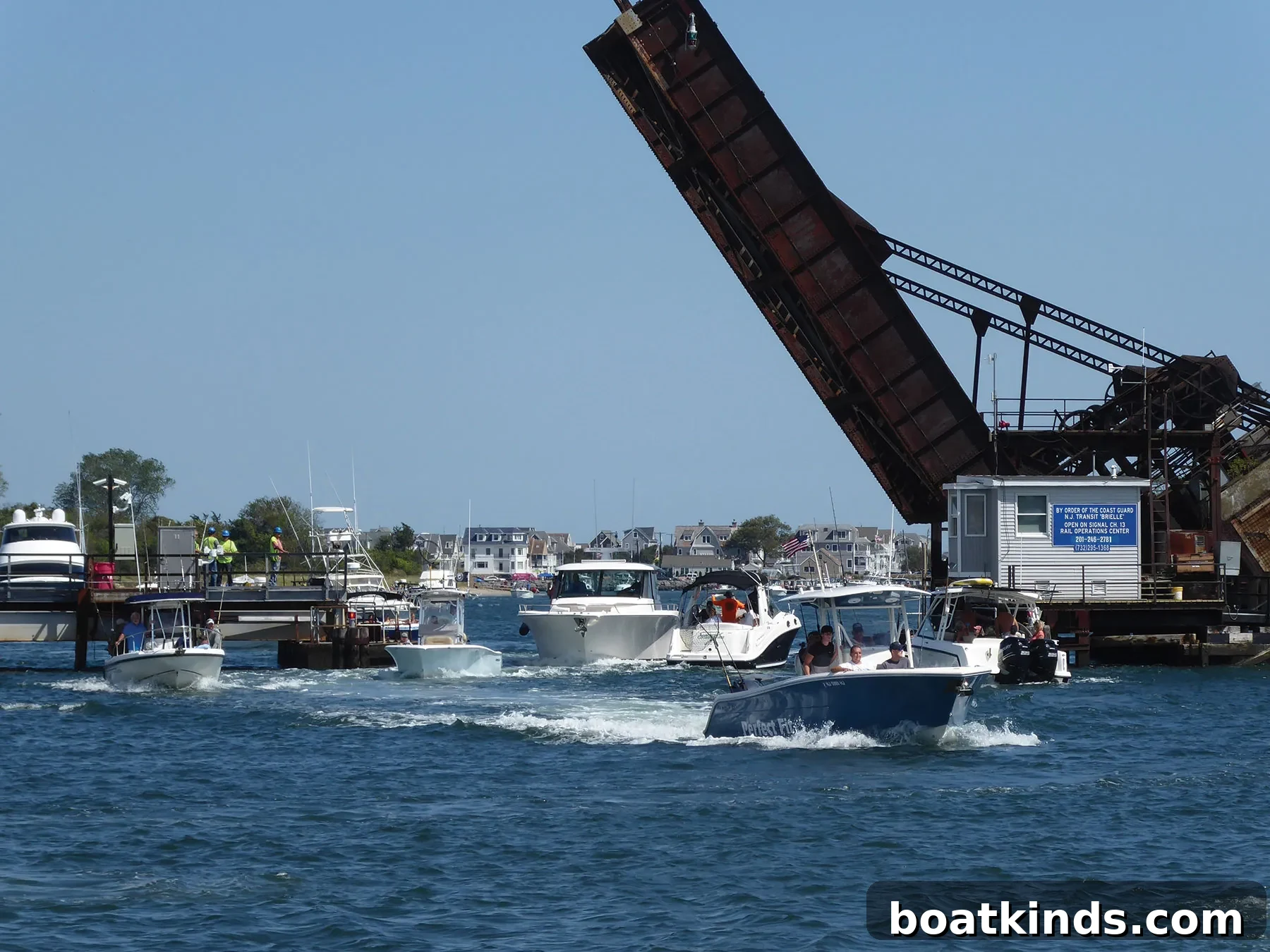
This past summer I saw more new boaters than ever before. With pandemic-driven lifestyle changes, many people traded vacation plans for time on the water, and boat sales surged. Unfortunately, enthusiasm alone does not equal experience, and the result was crowded waterways, avoidable close calls, and a reminder that basic seamanship and situational awareness matter.
Crowded Waters and Inattention
On more than one morning I found familiar, usually quiet channels filled with paddleboarders, kayakers, and inexperienced powerboat operators. One early outing became difficult when a dozen people on paddleboards were spread across the fairway of my slip. They had every right to be there, but it took several blasts of my horn to get them to move. That scene illustrated how quickly small distractions and lack of attention can create hazards for both powered and non-powered craft.
Damage to day markers and navigational aids in secondary channels also increased last season, likely a symptom of boaters not paying attention to their route. Inexperienced operators sometimes fail to learn the essentials—how to read markers, understand currents and tidal flow, and recognize hazards—yet these basics are essential to prevent collisions and groundings.
Accidents and Close Calls
Reports from around the region included collisions in narrow channels, incidents in fog, and personal watercraft accidents after reckless maneuvers. In one tragic case a recreational vessel, reportedly operating at too high a speed in limited visibility, struck a commercial fishing boat. In another incident, a person using a PWC was thrown and fatally injured while cutting across wakes. And a fisherman was nearly run over by a large ferry when he failed to maintain awareness of his surroundings. I share these examples not to sensationalize but to stress how critical constant focus and respect for other water users are.
Situational Awareness and Boat Trim
BoatU.S. notes that a large proportion of boating accidents stem from a lack of situational awareness—operators and passengers not recognizing sea conditions, their vessel’s limits, or even where they are. I observed frequent examples on popular bowrider and center-console boats: passengers crowded forward, unaware that their collective weight reduces the boat’s bow freeboard. When a vessel cannot rise over an oncoming wake or swell because it’s overloaded forward, water can pour into the cockpit in large amounts, instantly compromising stability and control.
I once watched a leisure cruise where ten people occupied the bow. It made me question whether the skipper had sufficient, accessible personal flotation devices. Responsible operators understand that safe capacity is determined by the boat’s certified weight limit—not merely the number of seats. Allowing passengers to dangle feet in the water from a moving bow or sprawl across the foredeck near the windshield is asking for disaster; seconds of inattention can quickly turn into a life-threatening situation.
Speed, Wake Responsibility, and Operating at a Safe Speed
Many boaters, regardless of experience, push their vessels faster than conditions safely allow. A boat’s top speed is not an invitation to travel that speed in all situations. The Coast Guard expects operators to maintain a safe speed—one that allows enough time and distance to take effective action to avoid collisions. Determining safe speed requires judgment: consider visibility, traffic density, weather, wind, sea state, and current.
If you’re moving in a procession through a narrow channel, don’t surge past other vessels at high speed. Be mindful of No-Wake Zones and of the risk your wake poses to kayaks, paddleboards, and small craft. You are responsible for the wake your boat creates; if it overturns or injures someone, you could face liability and enforcement action.
Use the Off-Season to Improve Your Skills
For many of us, the season ends and boats go into winter storage. That downtime is an excellent opportunity to build competence. Take a safe-boating course from recognized organizations such as the U.S. Power Squadrons or the Coast Guard Auxiliary, or complete reputable online safety training. Study authoritative references like Chapman Piloting & Seamanship and the USCG Navigation Rules and Regulations Handbook. Read your boat’s owner’s manual thoroughly and practice maneuvers in calm conditions before venturing into busier or more challenging waters.
Becoming a skilled, confident skipper takes time and intention. Learn navigation, boat trim, anchor handling, collision avoidance, and emergency procedures. Refresh your safety gear knowledge—where life jackets are stored and how to access them quickly—and ensure maintenance and inspection routines are followed.
Use the off-season to prepare so that when spring returns you’ll be ready to enjoy the water safely and responsibly.
This article was originally published in the November 2020 issue.