
Defensive Boating: How Experienced Boaters Can Reduce Risk on Crowded Waterways
In many states drivers can earn insurance discounts by taking a defensive driving course; boaters should apply the same mindset on the water. Recent U.S. Coast Guard data shows a troubling rise in boating accidents, injuries and deaths during 2020 — the year that also brought a surge in boat sales and a wave of new owners. That combination has made defensive-style handling at the helm more important than ever.
Pandemic surge and rising accidents
The Coast Guard reported that in 2020 the number of boating accidents increased 26.3 percent to 5,265, nonfatal injuries rose 24.7 percent to 3,191, and fatalities climbed 25.1 percent to 767. The agency noted that boating activity increased significantly during the pandemic, and with that increased exposure came a greater risk of deaths, injuries and accidents.
Causes that are often preventable
Many of these incidents stemmed from avoidable mistakes: impairment from alcohol, inattention, poor lookouts and excessive speed. The Coast Guard found that about three-quarters of fatal boating victims drowned and most were not wearing life jackets. At least 80 percent of deaths occurred on vessels whose operators had not received boating-safety instruction. These patterns point to a clear opportunity: experienced boaters can reduce personal risk by adopting defensive habits and helping others learn safer practices.
Practical defensive strategies for experienced boaters
Chris Edmonston, president of the BoatUS Foundation for Boating Safety and Clean Water, urges seasoned boaters to change how they operate while traffic and inexperience are high. He sees risky situations frequently and, as an on-the-water instructor, emphasizes small but effective changes that make trips safer.
1. Move away from crowded hotspots
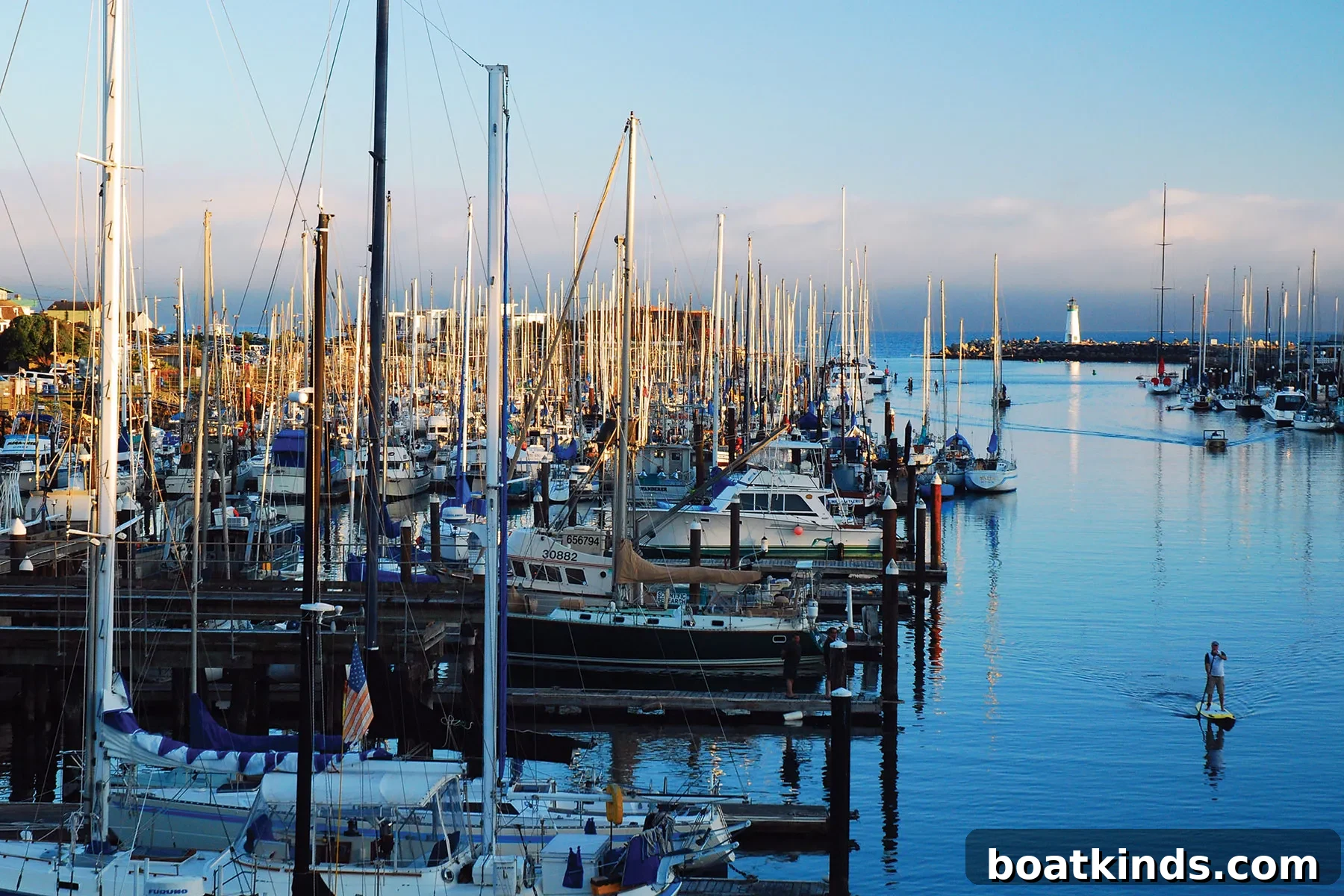
New boaters tend to cluster near popular ramps, sandbars and raft-up spots. Experienced operators can avoid the densest concentrations of boats by cruising to lightly used coves, side channels and less obvious access points. Staying off the busiest routes reduces encounters with inexperienced operators and lowers collision risk.
2. Choose times when novices stay ashore
Many new boaters limit themselves to calm, daylight conditions. If you are comfortable and skilled, consider heading out during times others might avoid — for example, later in the evening or when there is a bit more wind. These conditions allow experienced boaters to practice handling while reducing the chance of sharing narrow areas with inexperienced crews.
3. Slow down and keep a safe approach
In crowded harbors and channels, reduce speed and approach corners or docks slowly so you can stop or evade quickly. Paddleboarders and kayakers can appear suddenly behind piers or in blind spots. Keeping speed down gives you time to react and minimizes wake and stern-to-bow hazards.
4. Avoid sun glare and poor sightlines
Sun glare can hide small craft or paddlers until you are very close. Change your approach angle relative to the sun to reduce glare and preserve visibility. You should never be heading directly into the sun when navigating busy stretches.
5. Position yourself behind less experienced boaters
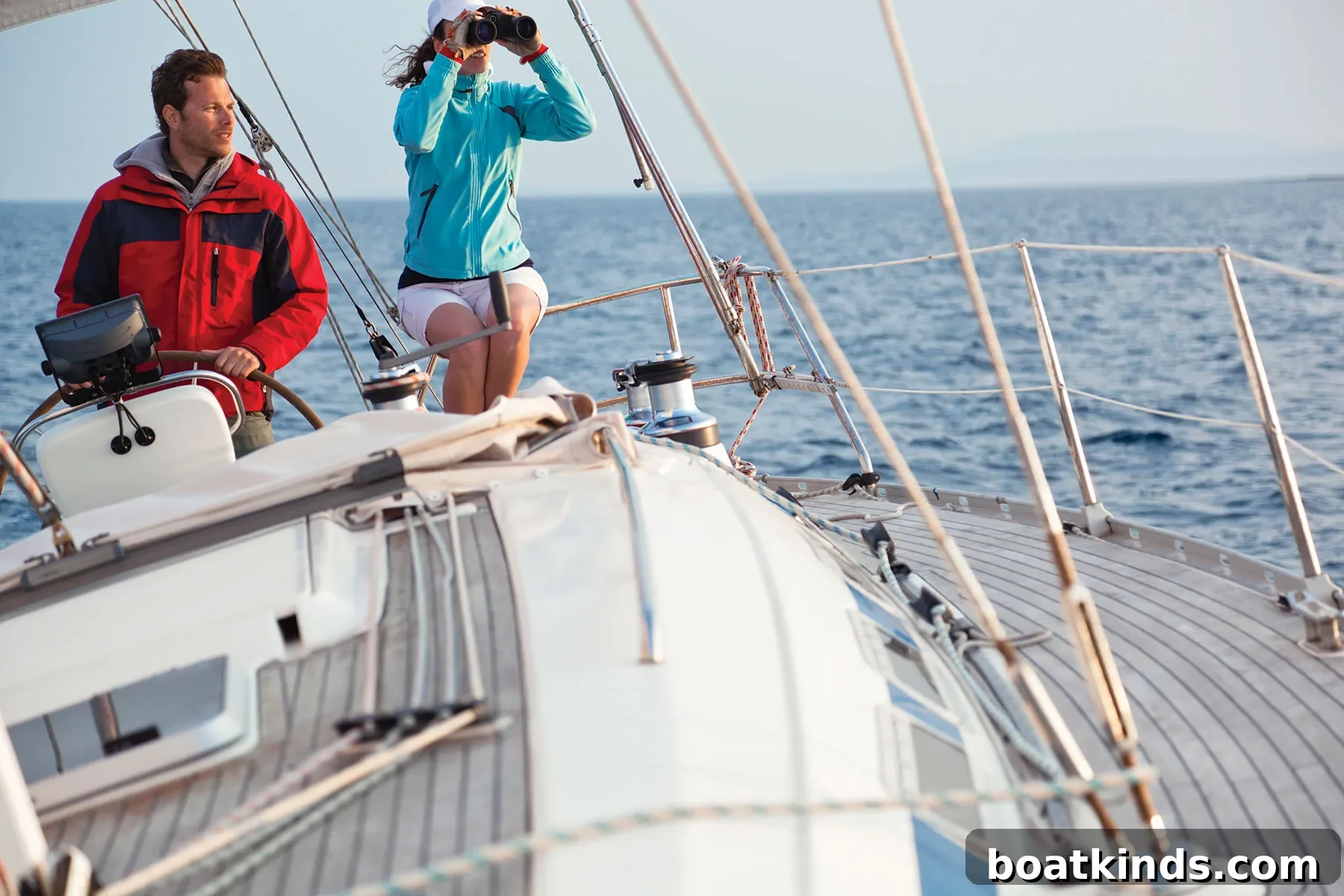
If you must share a corridor with an inexperienced operator, stay behind them rather than beside or ahead. That gives you time to observe their behavior and react if they make abrupt maneuvers. When you can see what the boat in front is doing, you remove uncertainty from your immediate operating decisions.
6. Use the full width of the waterway
Many boaters cluster in the center of channels thinking it’s safer. Slowing down and using the edges where traffic is lighter often provides a safer margin and fewer surprises. Choose lanes with predictable traffic flow and give yourself space to maneuver.
Support education and share knowledge
Edmonston stresses that the long-term solution is better boater education, and experienced recreational boaters can help close the gap. Take a few minutes to introduce yourself to new boaters at the dock and share simple safety tips while tied up. Encourage marinas and dealers to host on-the-water or classroom seminars, and let legislators know you support state-approved safety courses. According to Edmonston, the foundation saw record growth in online boating safety course enrollments and in on-the-water instruction during the same period — signs that when education is accessible, people participate.
For now, defensive thinking at the helm is the best immediate defense. Experienced boaters are in the strongest position to protect themselves by adjusting routes, timing, speed and positioning until incident rates return to normal. Small habit changes can make outings safer while still allowing you to enjoy time on the water.
This article was originally published in the November 2021 issue.