
It doesn’t matter which dock you walk down—Fort Lauderdale, Florida; Port Townsend, Washington; Newport, Rhode Island; or anywhere in between. Every boat you see—the styling cues, hull shapes, sheer lines—started as a concept in a designer’s studio. Over the past six decades, certain naval architects and yacht designers shaped the look, performance and culture of recreational boating. In compiling a list of 12 influential designers since Soundings began publishing in the early 1960s, we focused on individuals whose work achieved both excellence and lasting influence.
We began with a long list of more than 50 designers and narrowed it to a dozen whose designs left clear legacies. If you think someone important was left out, please share your suggestions at [email protected].
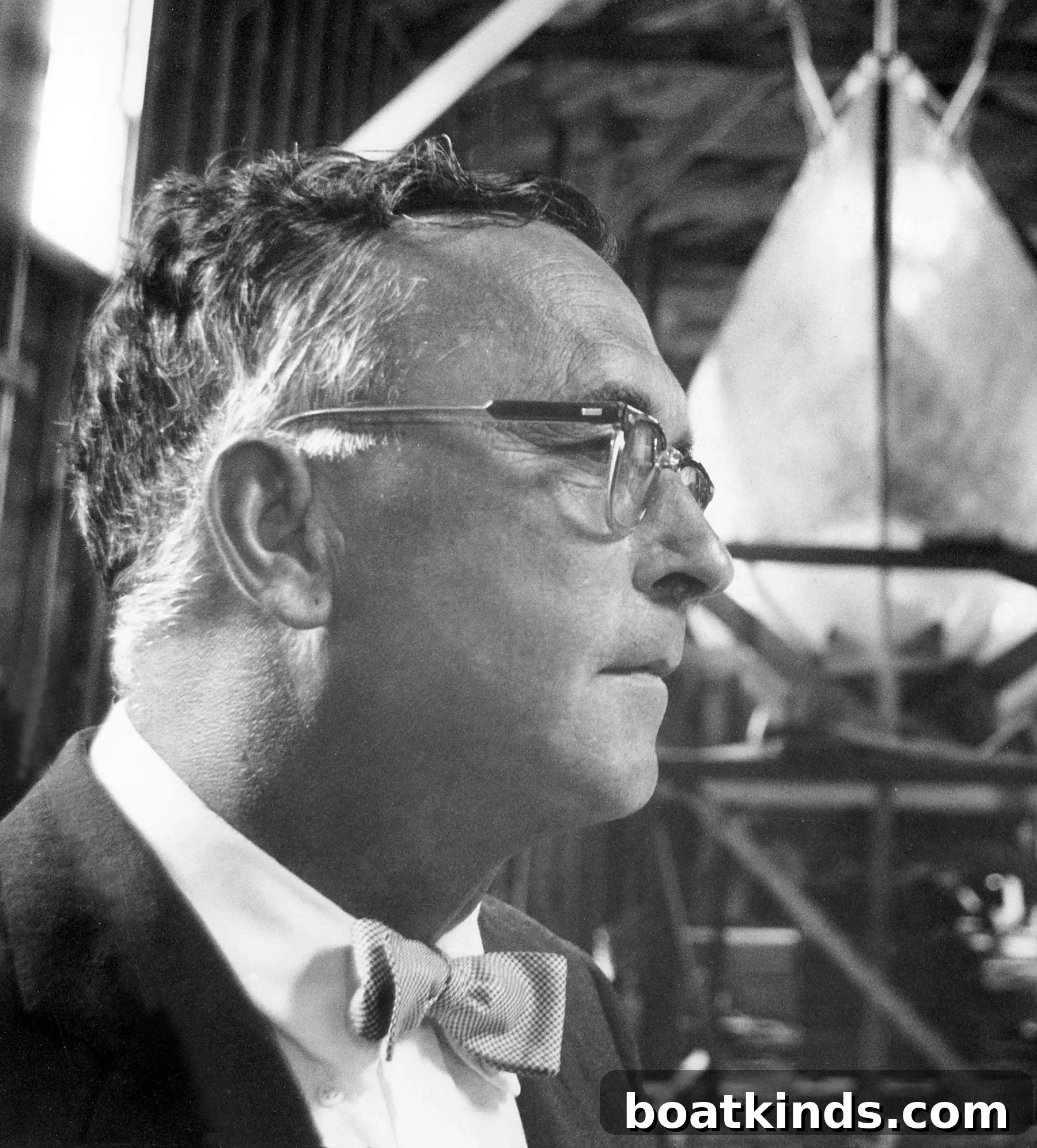
C. Raymond Hunt
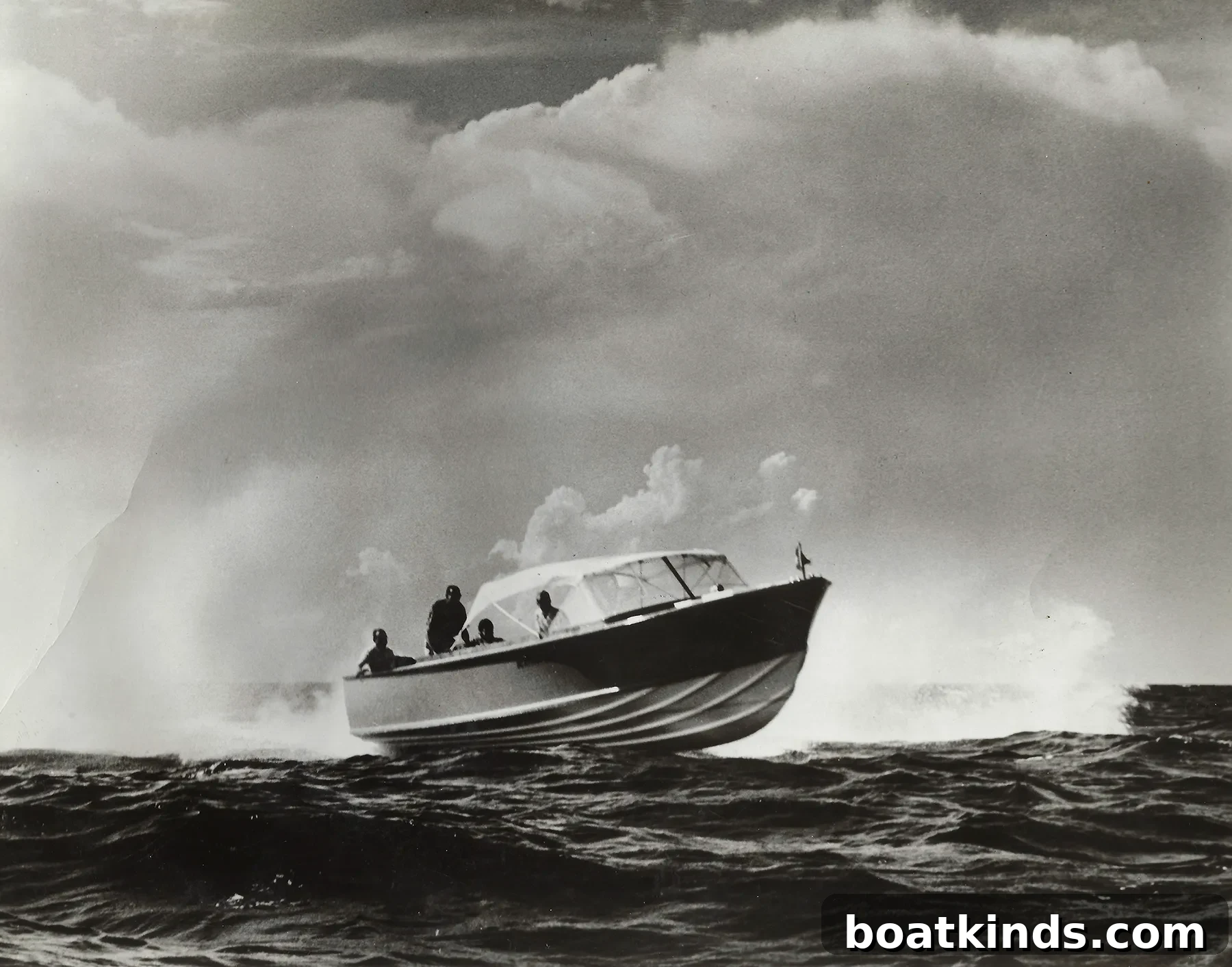
C. Raymond Hunt’s development and patenting of the deep-V hull in the late 1950s and early 1960s transformed powerboat design. The deep-V hull delivers a safer, more comfortable ride in rough water at speed—a fact proven when Hunt’s 31-foot wooden Moppie, built for Richard Bertram, won the 1960 Miami–Nassau Race. Hunt had earlier gained notice for designing Concordia yawls and boats for the America’s Cup and the Olympics. Today the deep-V is ubiquitous: manufacturers from Grady-White to Boston Whaler and Viking cite V-bottom advantages in their marketing and models.
Hunt founded his design firm in 1966 and, though he died in 1978, Ray Hunt Design lives on. The deep-V remains a standard in modern powerboat architecture, reflecting Hunt’s lasting impact on hull geometry and seakeeping.
Bob Dougherty
Nicknamed “Mr. Unsinkable,” Bob Dougherty led design and engineering at Boston Whaler from the 1960s through the 1980s and later launched EdgeWater and Everglades. His most enduring contribution was refining closed-cell foam flotation in production boats. Dougherty developed the Rapid Molded Core Assembly Process, which fills the space between hull and deck with foam to create unsinkability while reducing noise and vibration. That construction method remains a hallmark of many small recreational boats today.
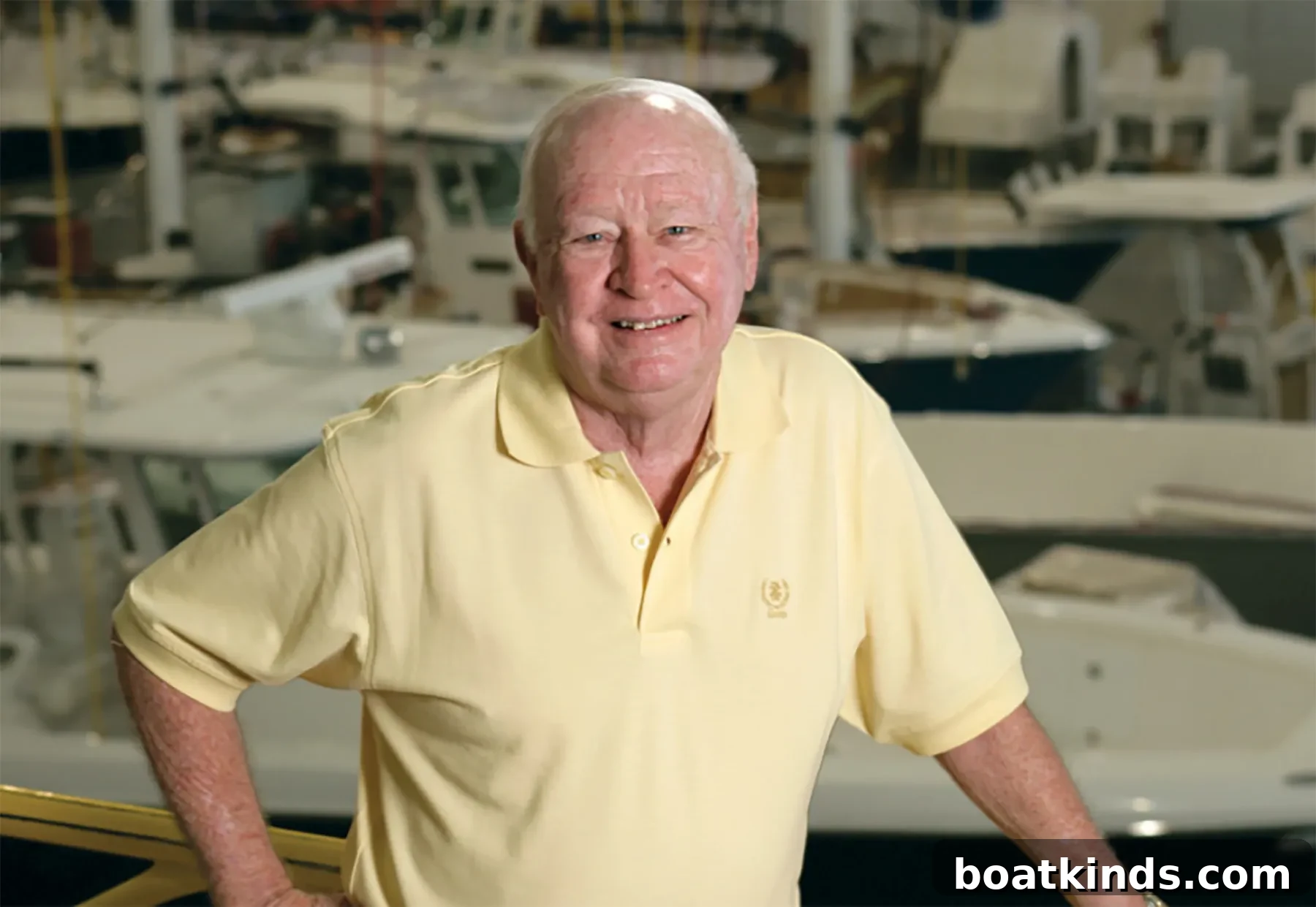
William Garden
William Garden was extraordinarily prolific: thousands of vessels were built to his designs. Mystic Seaport’s William Garden Collection documents hundreds of his plans, spanning workboats, schooners, cutters, motorsailers, sportfishermen, express cruisers and motoryachts. An expert draftsman with a flair for practical comfort, Garden helped popularize trawler-style cruisers optimized for family use. His 1961 Willard Vega 36 anticipated the low-speed recreational trawler trend, and many of his designs—comfortable, seaworthy and elegant—remain influential.
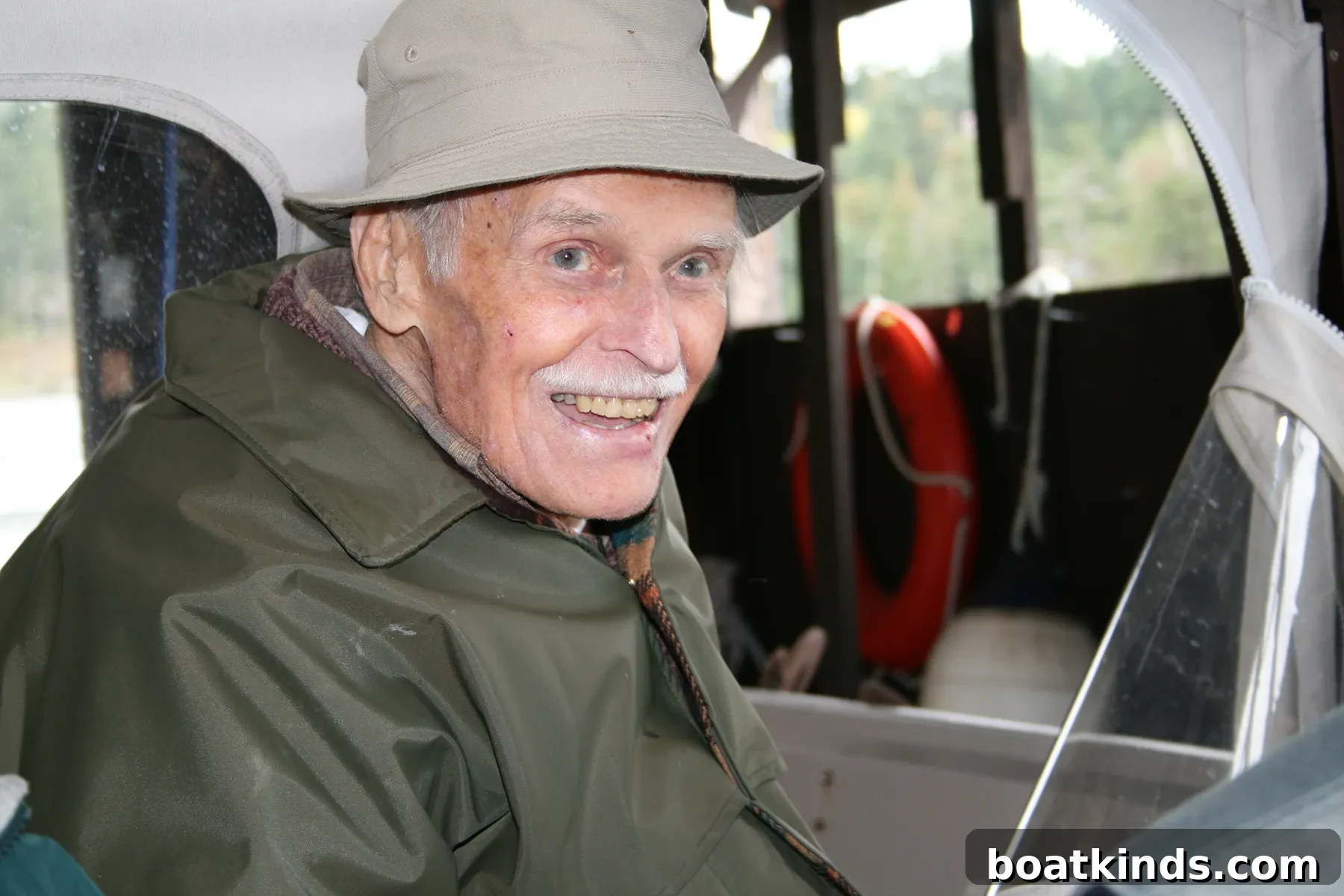
Bruce King
Bruce King blended classic aesthetics with modern systems to create enduring designs. His Hinckley Picnic Boat, introduced in the mid-1990s, defined a popular Down East–style dayboat: timeless lines married to JetStick controls and water-jet propulsion for accessible handling. King’s work ranges from fiberglass racers and cruisers for Ericson to large sailing superyachts, always emphasizing beauty as a timeless quality that justifies preservation.
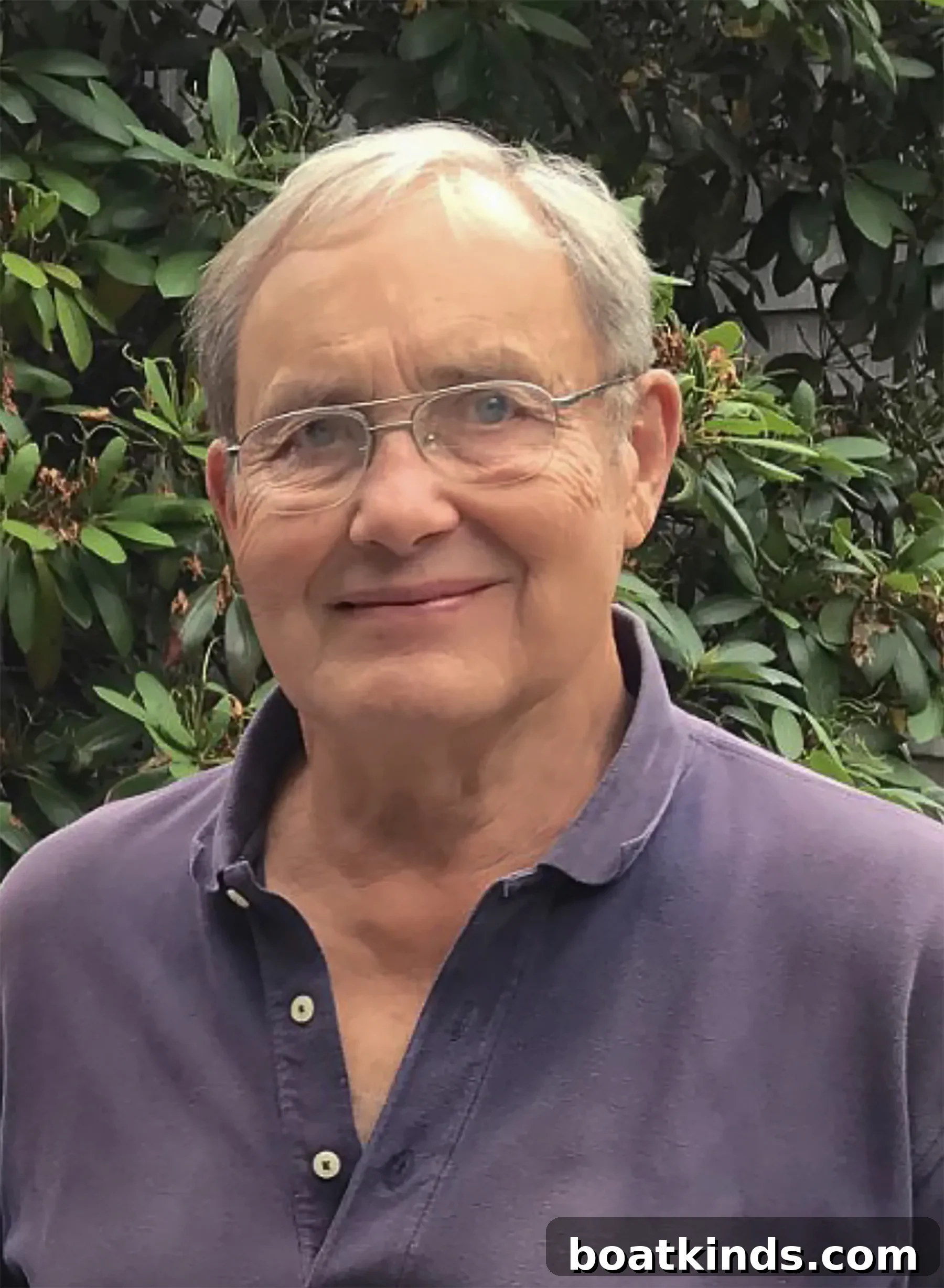
Don Aronow
Don Aronow is synonymous with high-performance powerboat racing and speed-oriented production boats. He founded Formula, Magnum Marine, Donzi and Cigarette Racing Team in the 1960s; his boats won hundreds of offshore races and multiple world and U.S. championships. Aronow’s success popularized higher-speed power cruising, inspiring recreational boaters to seek performance. Today many manufacturers still market models capable of 50 mph and beyond, a legacy of Aronow’s influence.
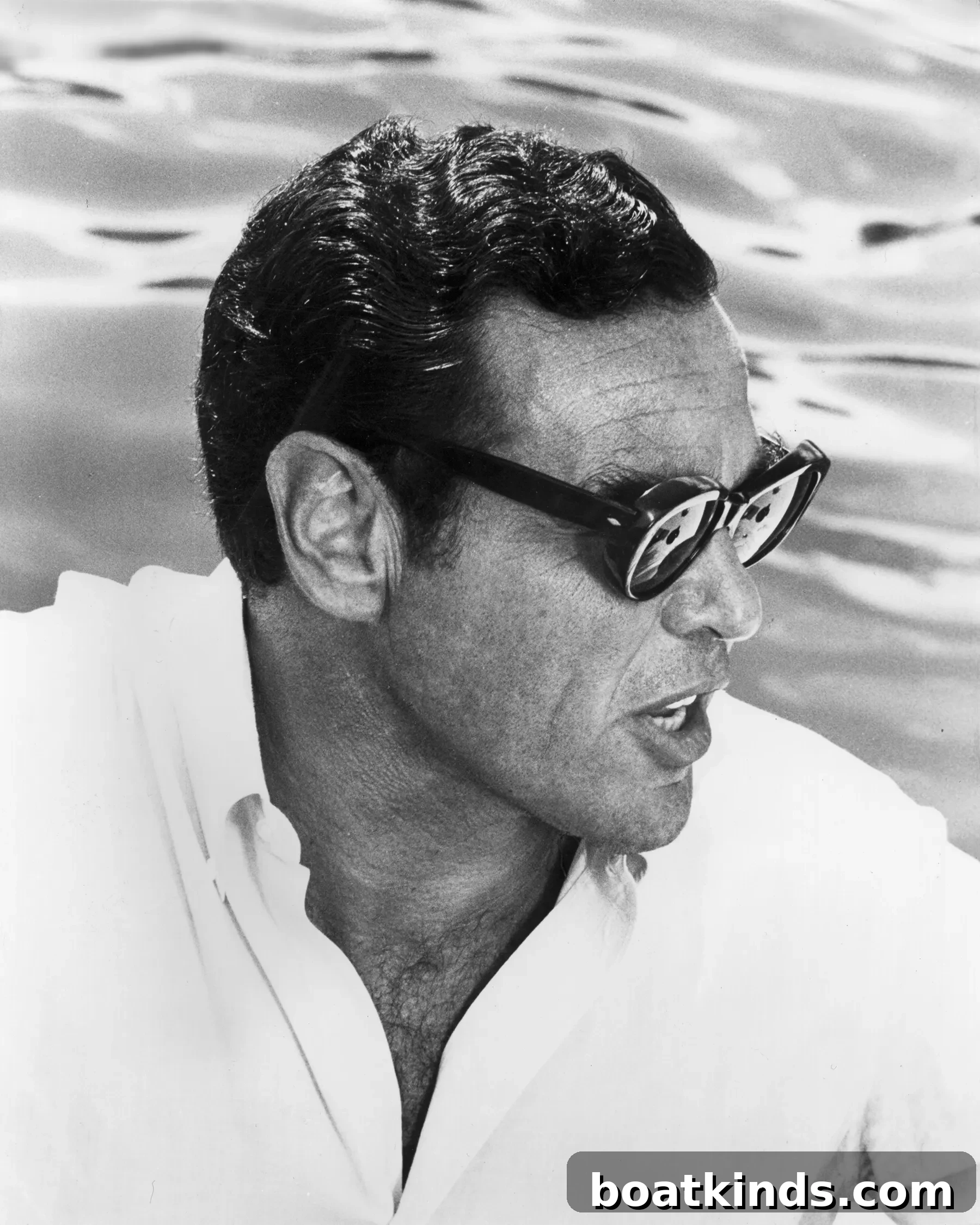
Doug Zurn
Doug Zurn founded Zurn Yacht Design in 1993 and has produced more than 450 sail and powerboat models. His firm has supported brands such as Lyman-Morse, Hylas, MJM Yachts and Sunreef. Zurn gained public attention with the 2004 Shelter Island Commuter, a collaboration that captured the spirit of classic Long Island Sound commuter launches. He also designed the 57-foot Vendetta for Billy Joel, targeting high-speed commuter performance while retaining elegant, retro styling.
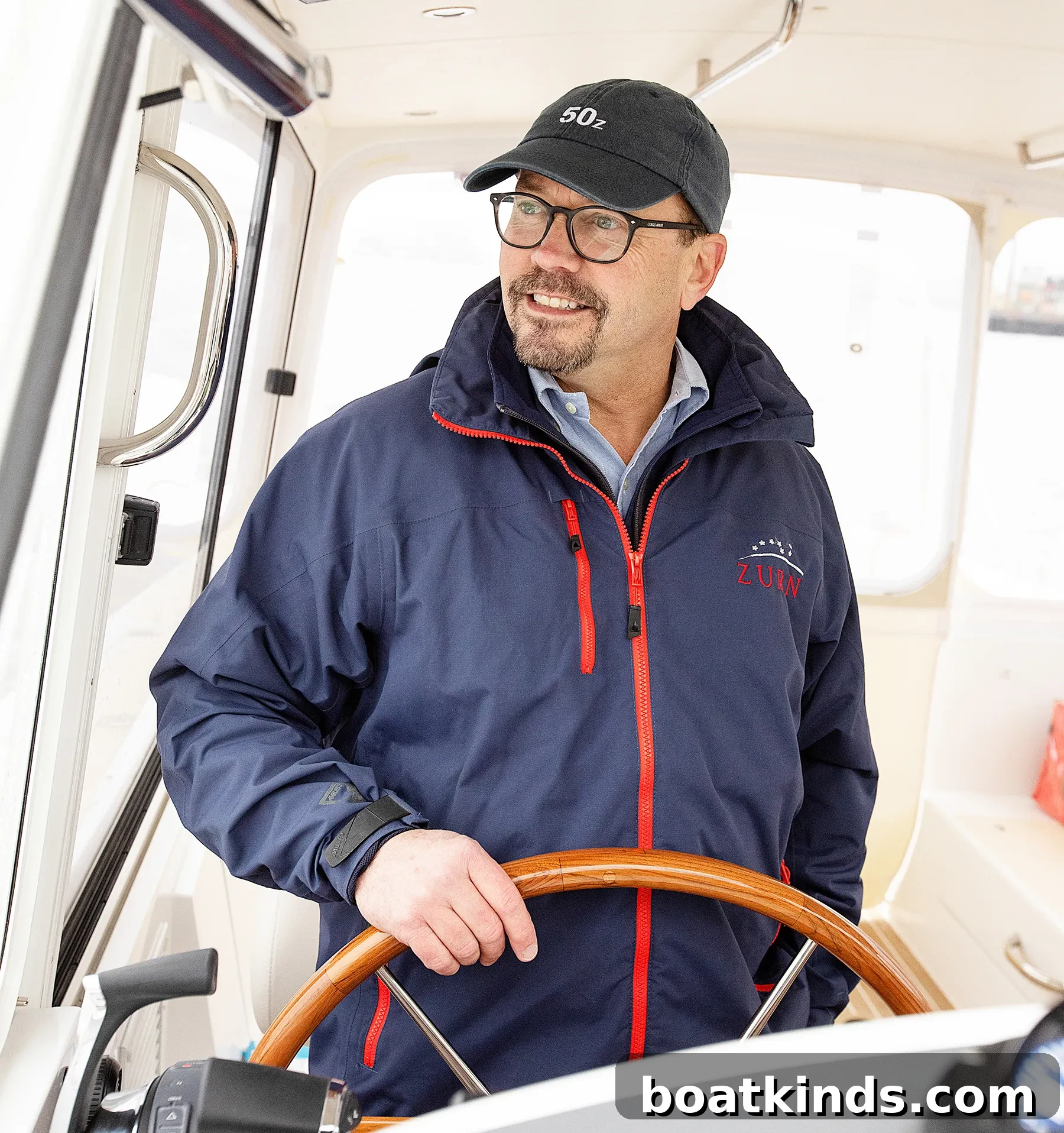
Rod Johnstone
Rod Johnstone co-founded J/Boats in 1977 and helped build the company into a global sailboat brand with roughly 10,000 boats produced. Johnstone’s first boat, Ragtime, built in his garage, evolved into the wildly popular J/24—the most popular recreational offshore keelboat ever produced. Johnstone designed boats that appealed to both racers and casual sailors, believing a well-designed boat should give any owner the same thrill he found in sailing.
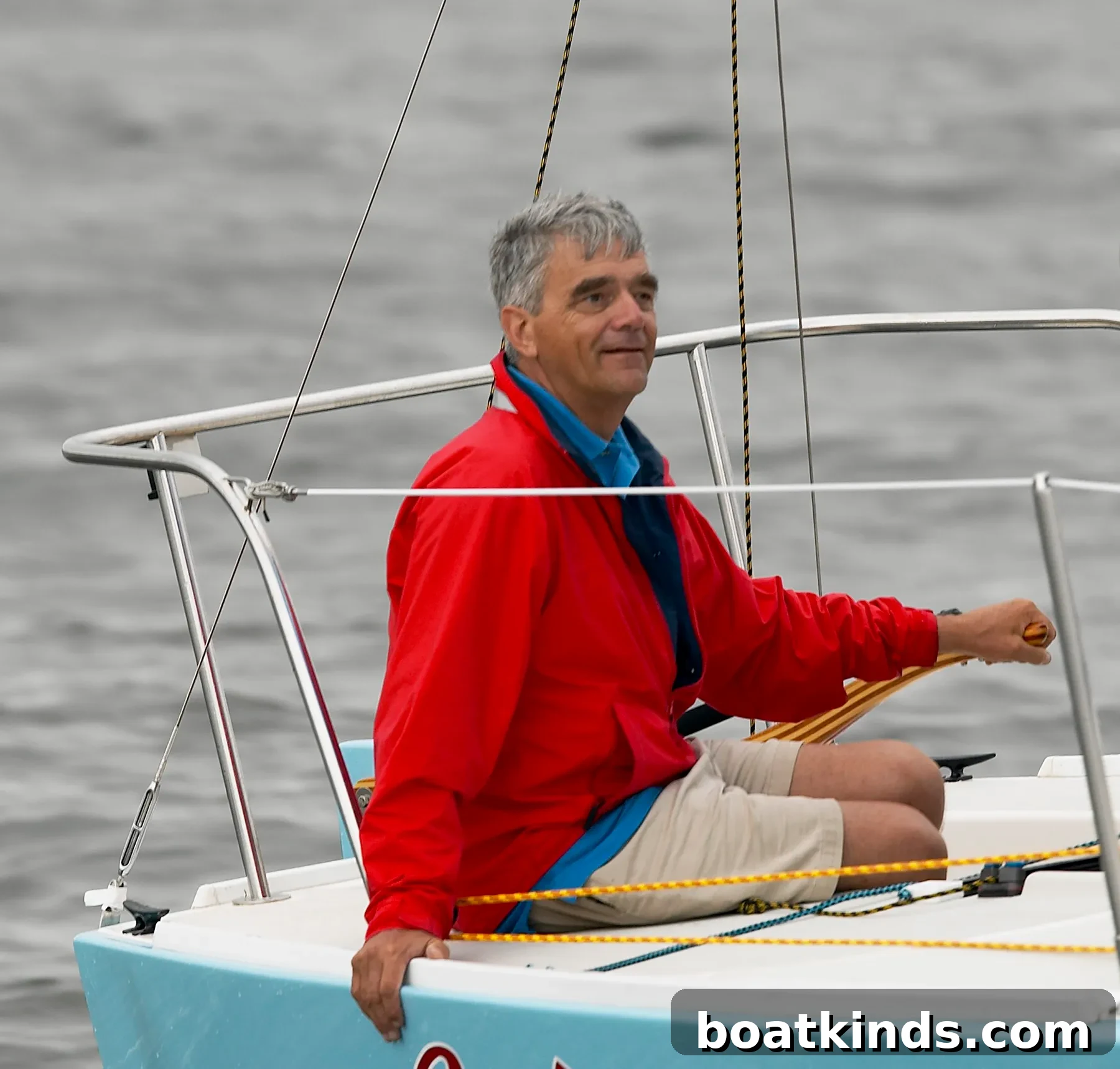
Jack Hargrave
Jack Hargrave helped usher fiberglass into larger production yachts. Commissioned to design a rugged offshore hull for North Carolina conditions, Hargrave produced the 41-foot Knit Wits for Willis Slane—the first production boat over 30 feet built in fiberglass—paving the way for larger fiberglass production yachts. Hargrave’s firm later became Hargrave Custom Yachts and he is remembered for bringing American production yachtbuilding forward while pairing handsome lines with solid performance.
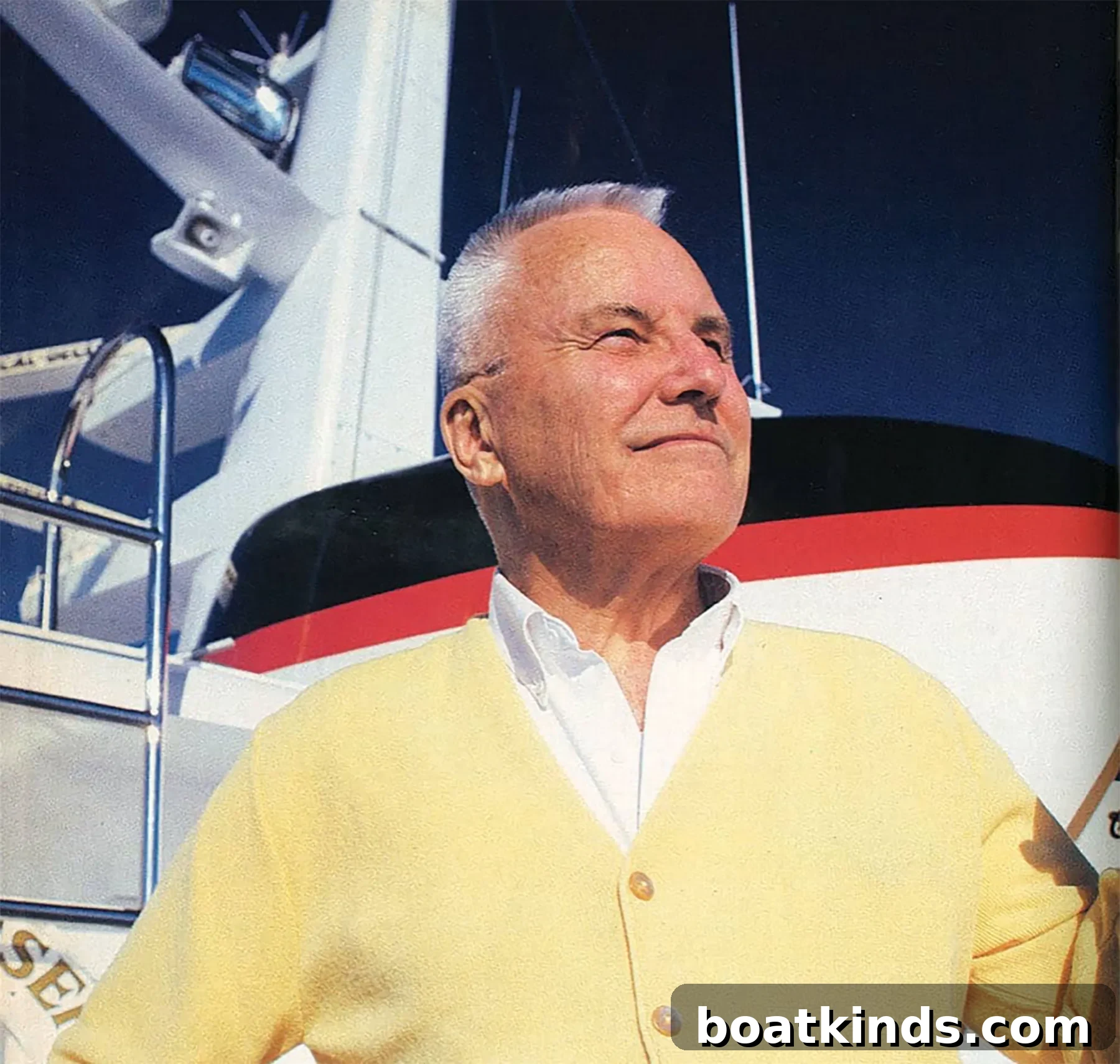
John H. Deknatel
John Deknatel trained at Harvard’s School of Design and worked with Philip L. Rhodes before joining Ray Hunt’s firm in 1963. He took leadership in 1969 and dedicated decades to refining the deep-V hull. Deknatel is known for tailoring hull shapes to their intended missions—optimizing seakeeping and efficiency for everything from working pilot boats to pleasure craft. One design he cites with pride is the Eastbay 38, a model that demonstrates his skill at blending performance and comfort.
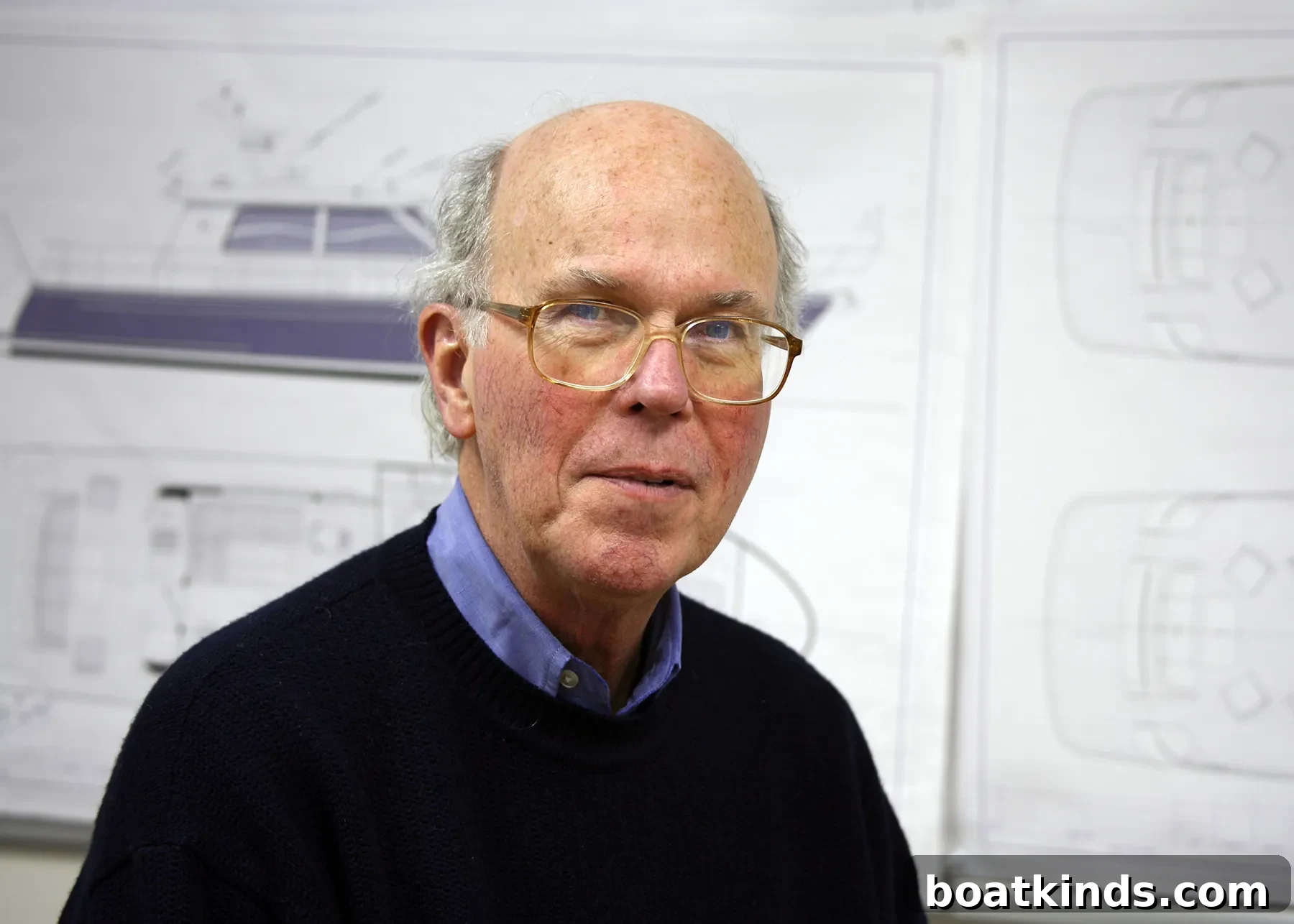
Michael Peters
Since the 1970s Michael Peters and his firm have produced more than 500 boat designs for builders such as Azimut, Bertram, Chris-Craft, Hinckley and Valhalla Boatworks. Peters advanced the use of stepped hulls—an approach that reduces wetted surface and drag by introducing aireation under the hull to generate lift and improve performance. When properly executed, stepped hulls deliver efficient, high-speed handling and have been adopted for offshore center consoles, military craft and special operations boats.
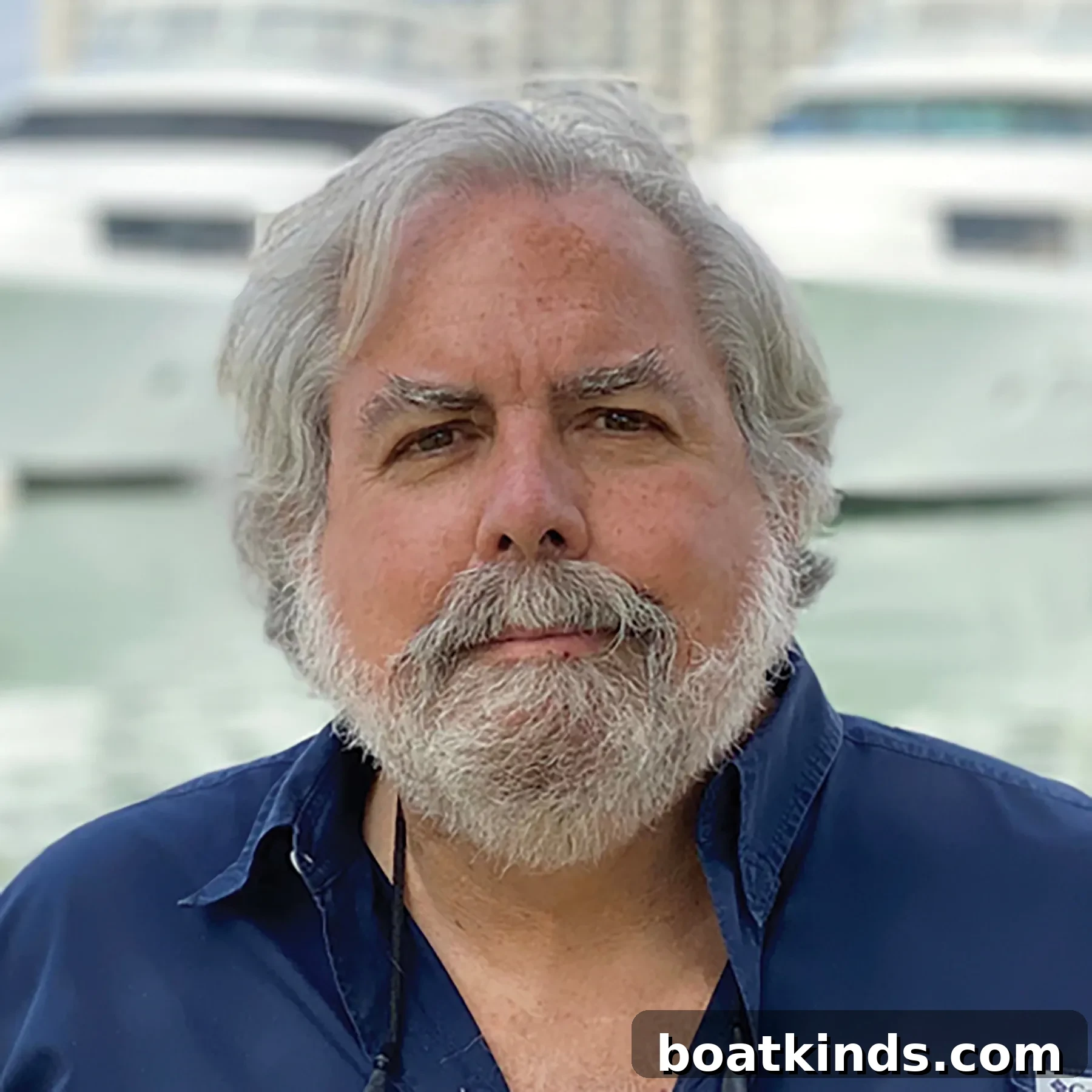
Ted Hood
Ted Hood combined competitive success, sailmaking expertise and yachtbuilding to create a lasting legacy. He skippered Courageous to victory in the 1974 America’s Cup, developed advanced sails and founded Hood Yacht Systems. Hood also built Little Harbor Marine, producing Whisperjet express cruisers that paired speed with traditional aesthetics. Later he established the Ted Hood Marine Complex and Ted Hood Yachts, continuing to influence both sail and powerboat design.
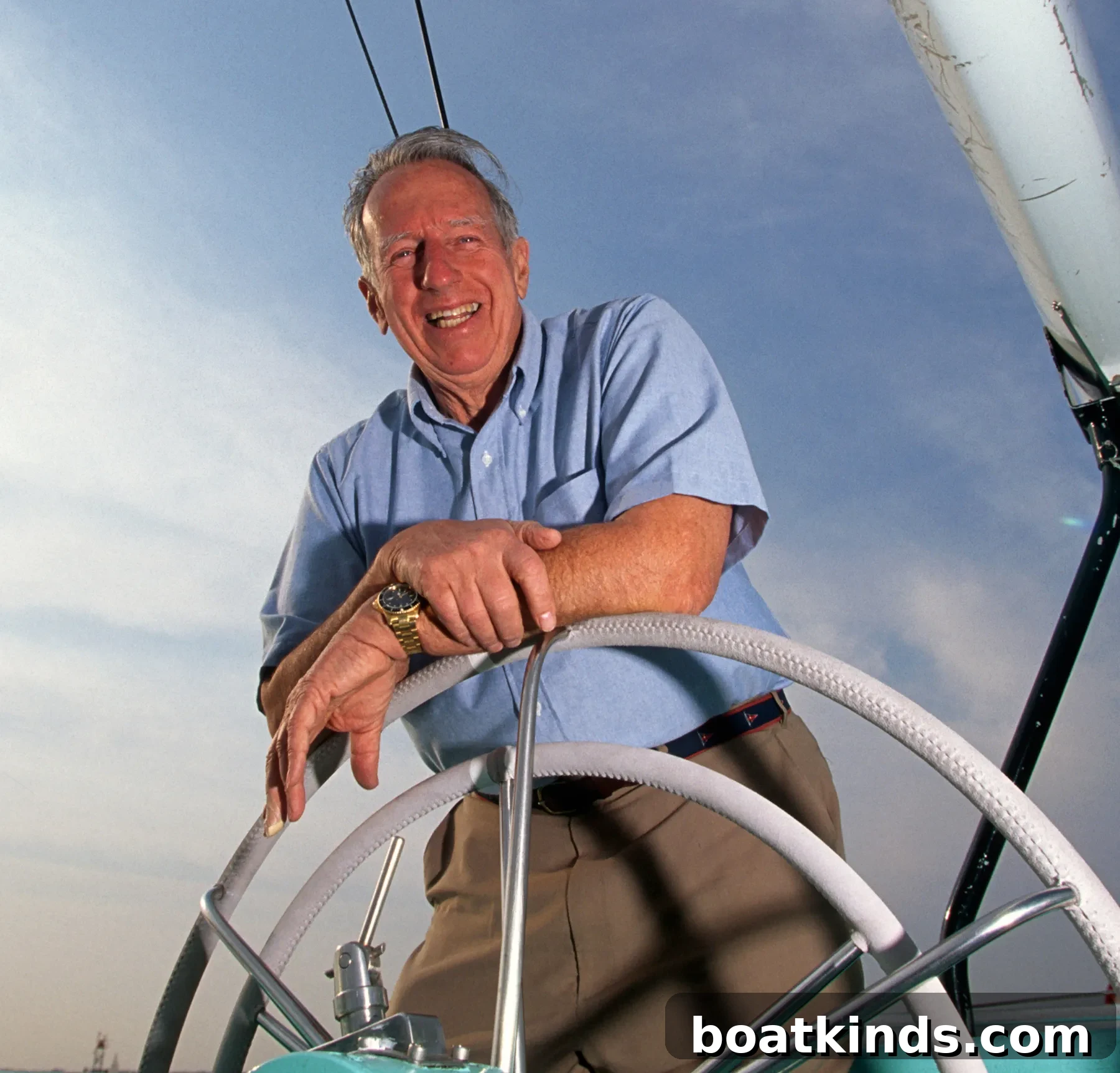
Tom Fexas
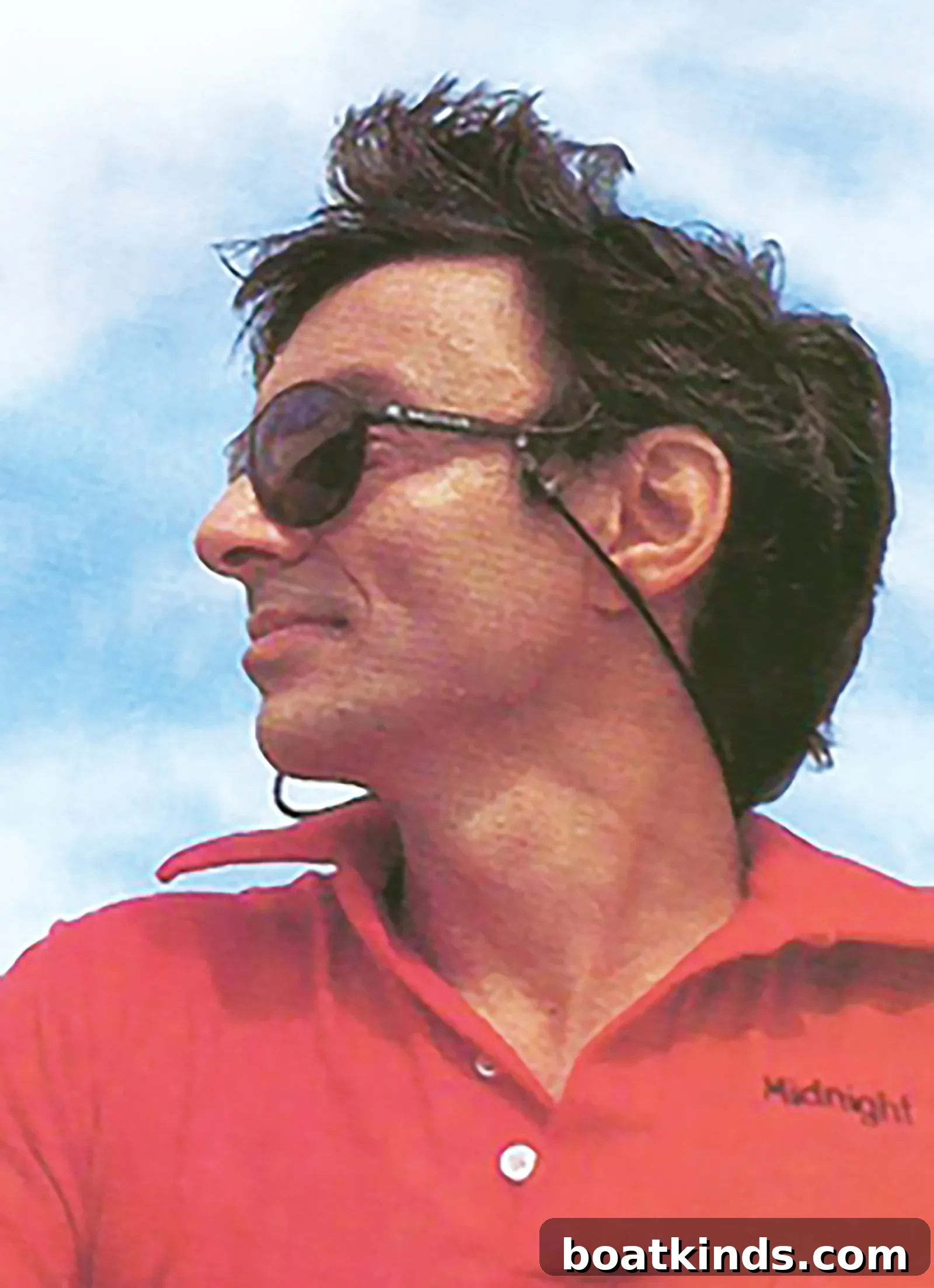
Tom Fexas burst onto the scene at the 1978 Fort Lauderdale International Boat Show with Midnight Lace 44—an elegant, long, black-hulled motoryacht that contrasted sharply with the prevailing white cruisers. Midnight Lace became an icon, and its styling helped launch Fexas’s career, which included designs for Palmer & Johnson, Grand Banks, Abeking & Rasmussen and Cheoy Lee. Fexas favored bold, sculpted profiles over generic shapes; his work influenced a retro motoryacht aesthetic sometimes called Italian Style and remains celebrated for its distinct, purposeful looks.
These designers represent a broad cross-section of innovation: hull forms that improved seakeeping, construction methods that enhanced safety and durability, performance breakthroughs that pushed speed, and timeless aesthetics that continue to inspire boatbuilders and owners. Their collective impact can be seen in marinas and harbors worldwide, where each hull, sheerline and silhouette reflects a designer’s vision.
This article was originally published in the January 2024 issue.