
Solo Sailor Bert ter Hart Completes 267-Day Non-Stop Circumnavigation Using Only Celestial Navigation
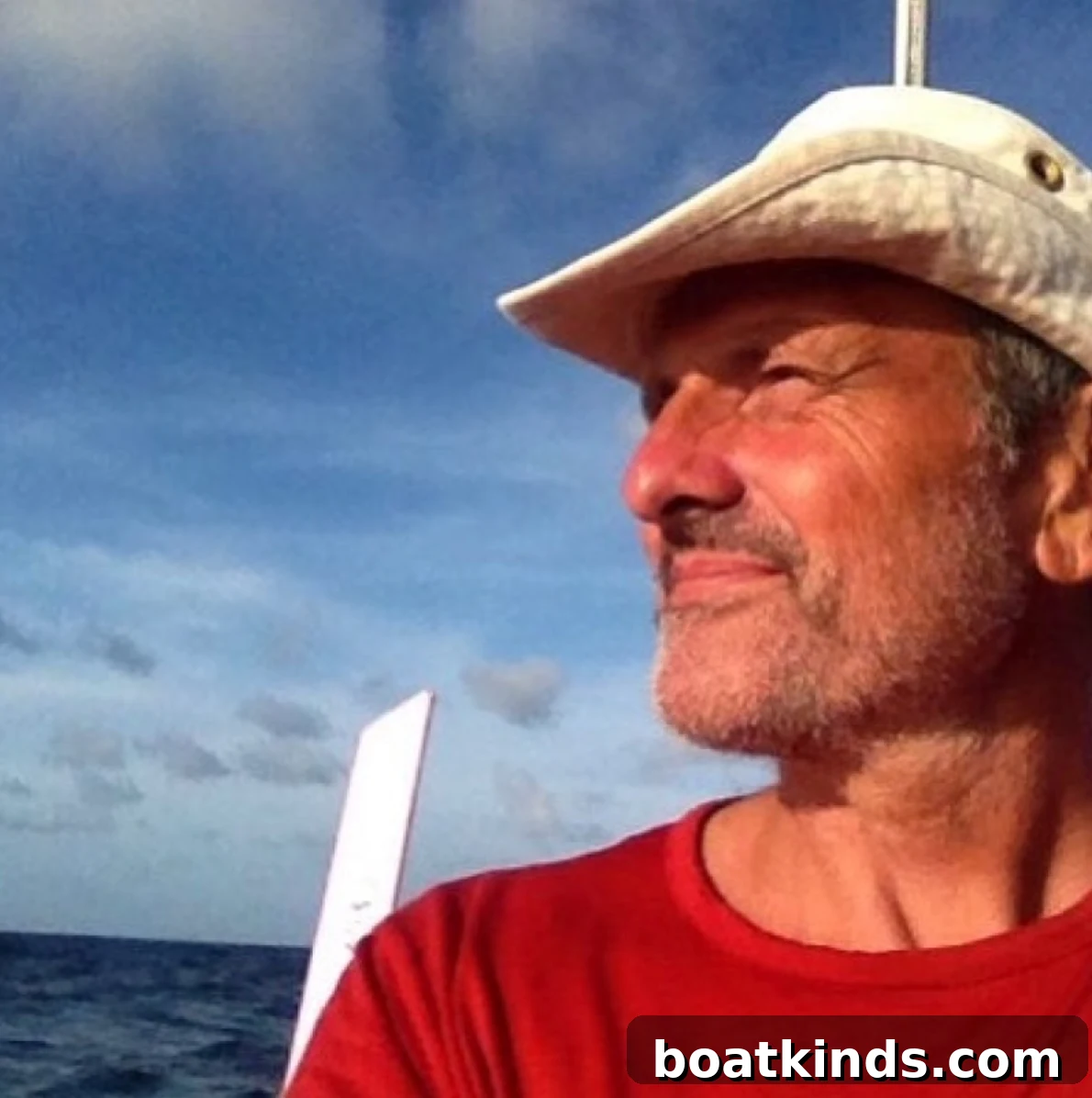
Bert ter Hart, a 62-year-old sailor from Gabriola, British Columbia, has completed a remarkable 267-day nonstop circumnavigation of the globe aboard his 43-foot sailboat. What makes his voyage especially notable is that he navigated entirely by celestial methods — using a sextant, a sailor’s almanac, navigation tables, and pen and paper — without relying on GPS or electronic positioning systems. Ter Hart is reported to be the first North American to complete a solo nonstop circumnavigation using only celestial navigation, and among a very small number of people worldwide to achieve this level of traditional-navigation endurance.
The journey tested every aspect of long-distance solo sailing. Ter Hart faced gale-force winds of 50 to 60 knots and waves that at times matched the height of his mast. He anchored only once during the whole voyage, seeking shelter when a hurricane passed near the Falkland Islands. To stay safe on deck in such extreme conditions he adhered strictly to the rule of keeping three points of contact with the vessel; this meant moving and working cautiously and minimizing risk. Below deck, sleep was broken into short shifts — never longer than about two hours at a stretch — and he strapped himself into his bunk with a seat belt to avoid being tossed around while the boat pitched and rolled relentlessly.
Life at sea for nine months required constant vigilance and careful resource management. At the start of the voyage ter Hart consumed as much as 3,000 calories a day to sustain himself through heavy activity and cold nights. As the trip wore on and supplies dwindled, he reduced his daily intake significantly, rationing food down to roughly 800 calories per day by May. The global pandemic added logistical complications; many ports were closed and international travel restrictions made resupply difficult. Ter Hart’s family coordinated to help mitigate those obstacles. His sister arranged a food drop via a local fishing charter, a plan that involved gaining clearance from the Cook Islands government so the delivery could be made without compromising local pandemic protocols.
Coping with isolation and the physical toll of constant motion required strict routines. Meals were often eaten standing up for safety; any time below deck demanded securing oneself to avoid injury. With limited sleep and no shore leave, ter Hart had no close human contact for months and depended entirely on his own seamanship, planning, and resilience. The mental challenge of maintaining focus, performing maintenance, and navigating by celestial sights at sea also underscored the voyage’s difficulty — taking sun and star sights with a sextant, consulting the almanac and time tables, and working through the calculations by hand is slow and exacting work, especially when the platform beneath you is moving unpredictably.
When he finally arrived in Victoria after the nine-month passage, a final administrative hurdle remained: mandatory quarantine rules in place due to the pandemic. Because ter Hart had not set foot ashore or had personal contact with anyone during his voyage, his family petitioned the provincial authorities to waive the customary two-week quarantine. Officials agreed, and ter Hart was allowed to reunite immediately with his loved ones. On arrival he was greeted by his four children, his grandson and his 92-year-old father, along with other family members and friends, many of whom described him as “the safest man on the planet” because of the extreme isolation he maintained during the pandemic.
Ter Hart’s voyage stands as a modern testament to traditional seamanship: meticulous planning, mastery of celestial navigation, and the stamina required for prolonged solitude at sea. His achievement is notable not only for its physical challenges but also for preserving and demonstrating a navigation skill set that has guided mariners for centuries. For readers interested in more detailed accounts, his voyage has been covered by news outlets and by ter Hart himself through his sailing blog, where he documents the daily realities, navigational notes, and personal reflections from this extraordinary single-handed circumnavigation.