
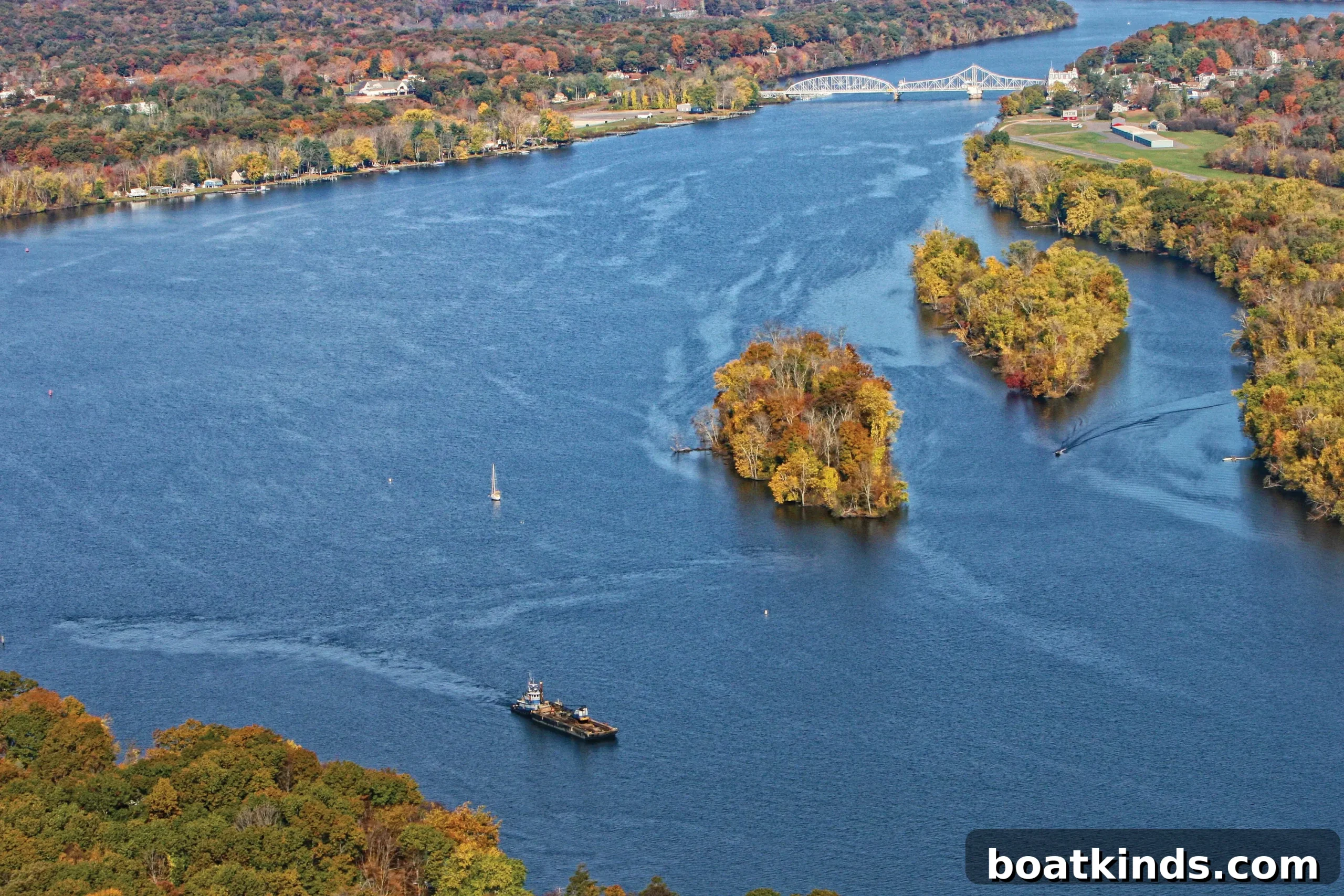
Emmett Lyman remembers growing up along the Connecticut River in the 1950s and ’60s, when the waterway was far from inviting. As a boy he wanted to boat and play there, but his mother discouraged it.
“It was an absolute sewer,” he recalls.
Today Lyman serves as first selectman in East Haddam, Connecticut, and is an active member of the Connecticut River Gateway Commission, a conservation organization that has played a major role in restoring the river. He describes the dramatic changes over the last four decades: cleaner water, returning fish populations and renewed sightings of bald eagles and ospreys.
“The river is now pristine all the way up into Suffield and above,” Lyman says. “The fish are coming back, along with the eagles and ospreys. That makes the river a very special place.”
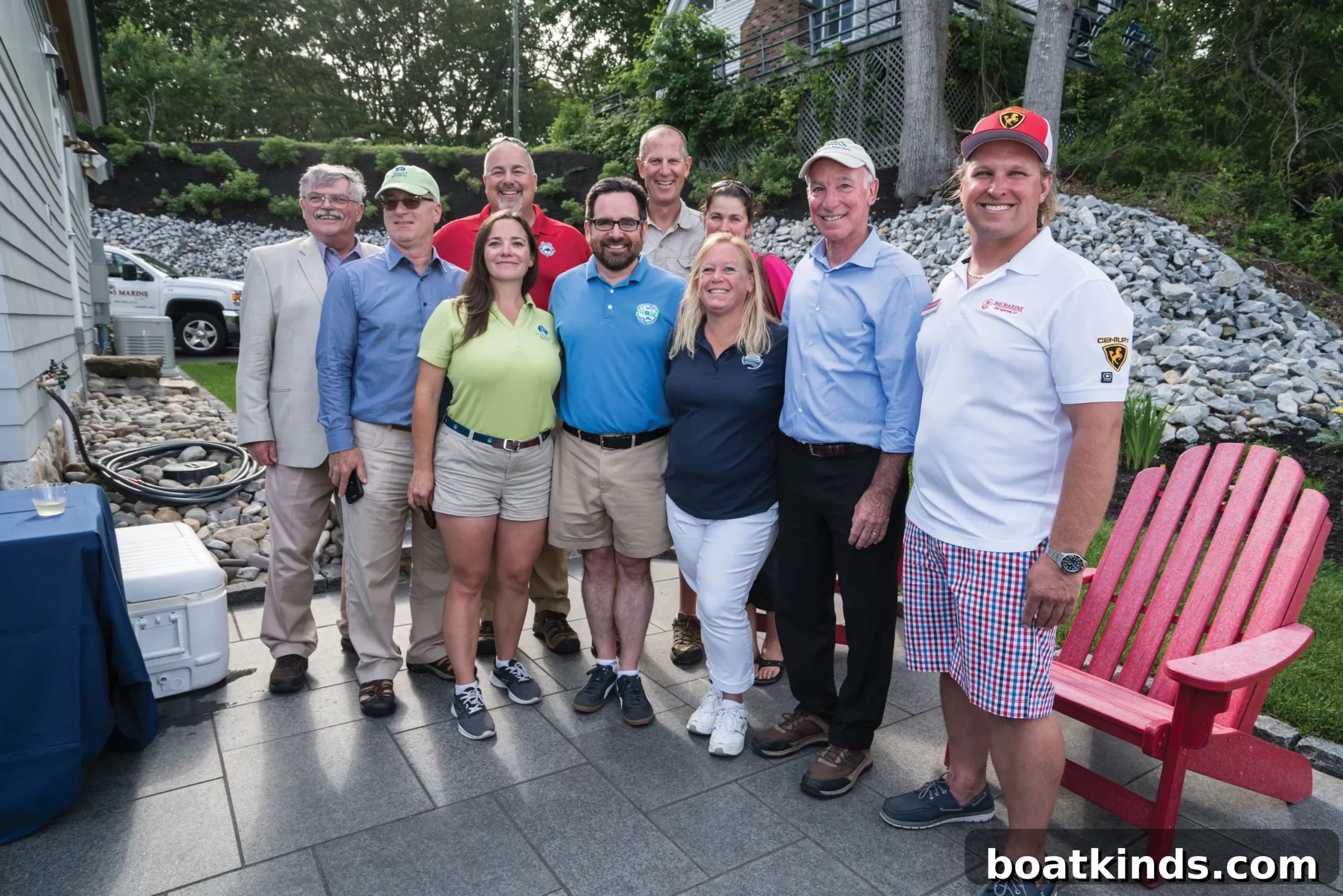
With improved water quality and wildlife recovery, local leaders and business owners are focusing on making the Connecticut River more accessible to boaters. In mid-June Lyman joined U.S. Representative Joe Courtney (D-CT) and Rob Klee, commissioner of Connecticut’s Department of Energy and Environmental Protection, to mark a series of new and planned improvements funded through the Boating Infrastructure Grant (BIG) program administered by the U.S. Fish and Wildlife Service.
The BIG program is designed to expand transient access for larger vessels—boats 26 feet and longer—by funding docks, slips, moorings and supporting shore-side services. Grants are available to municipalities, public agencies and private facilities, and are financed through excise taxes on recreational fishing equipment, trolling motors and related items. The initiative aims to boost marine tourism by creating welcoming, short-term docking options along the river.
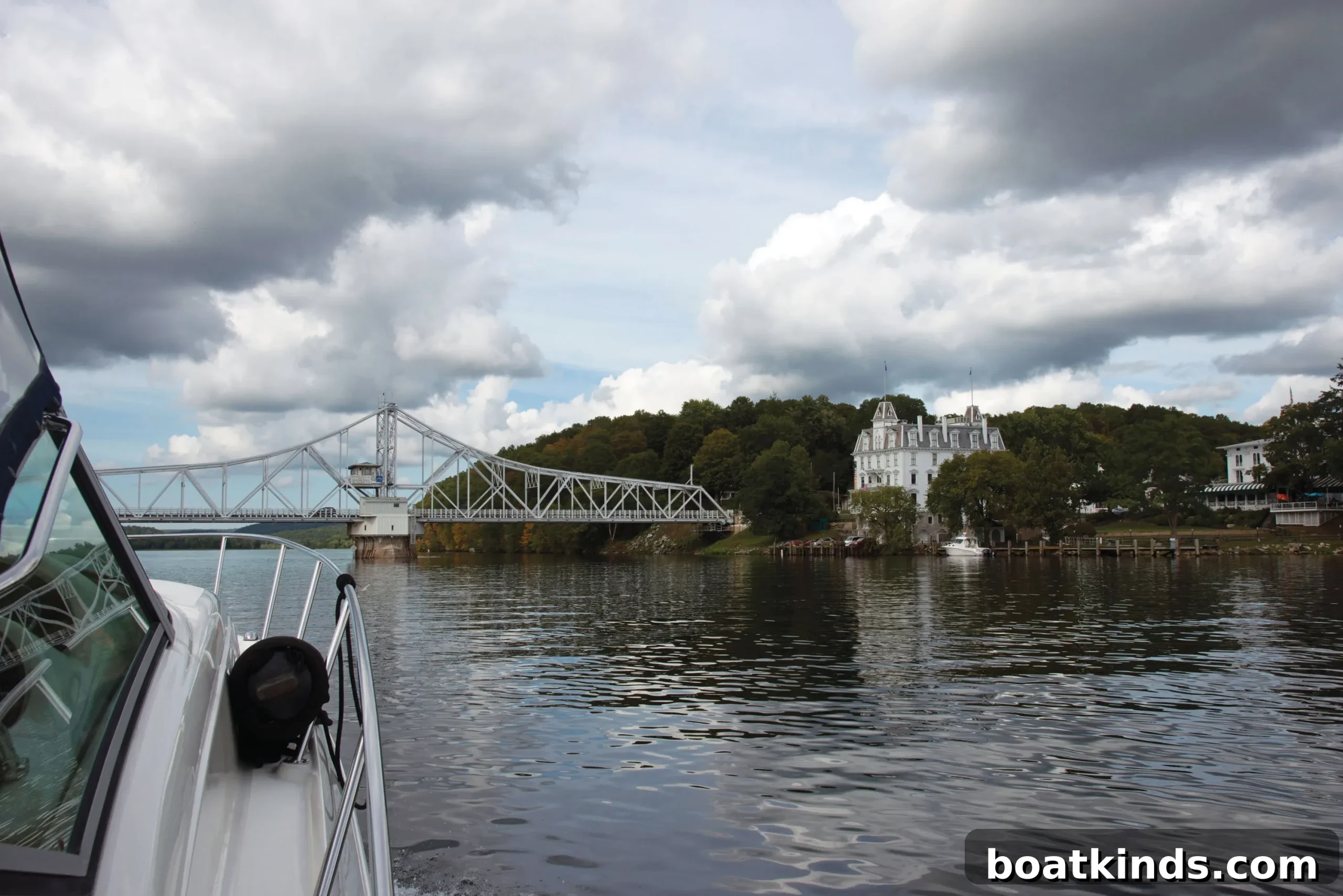
East Haddam is one of the towns benefiting from BIG funding. The community used a $45,000 award to install a floating dock of roughly 60 feet, a metal ramp and a landing. The facility—open from May through October—sits beside a small-craft launch for kayaks and canoes and is integrated into a waterfront park with picnic areas near the historic Goodspeed Opera House, the Gelston House restaurant, Main Street shops and other 19th-century buildings.
Local leaders hope the dock will encourage more boaters to visit East Haddam, especially during the popular autumn foliage season. “This part of the river is one of the last great natural places,” Lyman says. He notes that the river was historically a primary travel route in Colonial times, which helped establish a string of historic towns spaced roughly a day’s journey apart—places that have retained much of their character because the river corridor avoided heavy development.
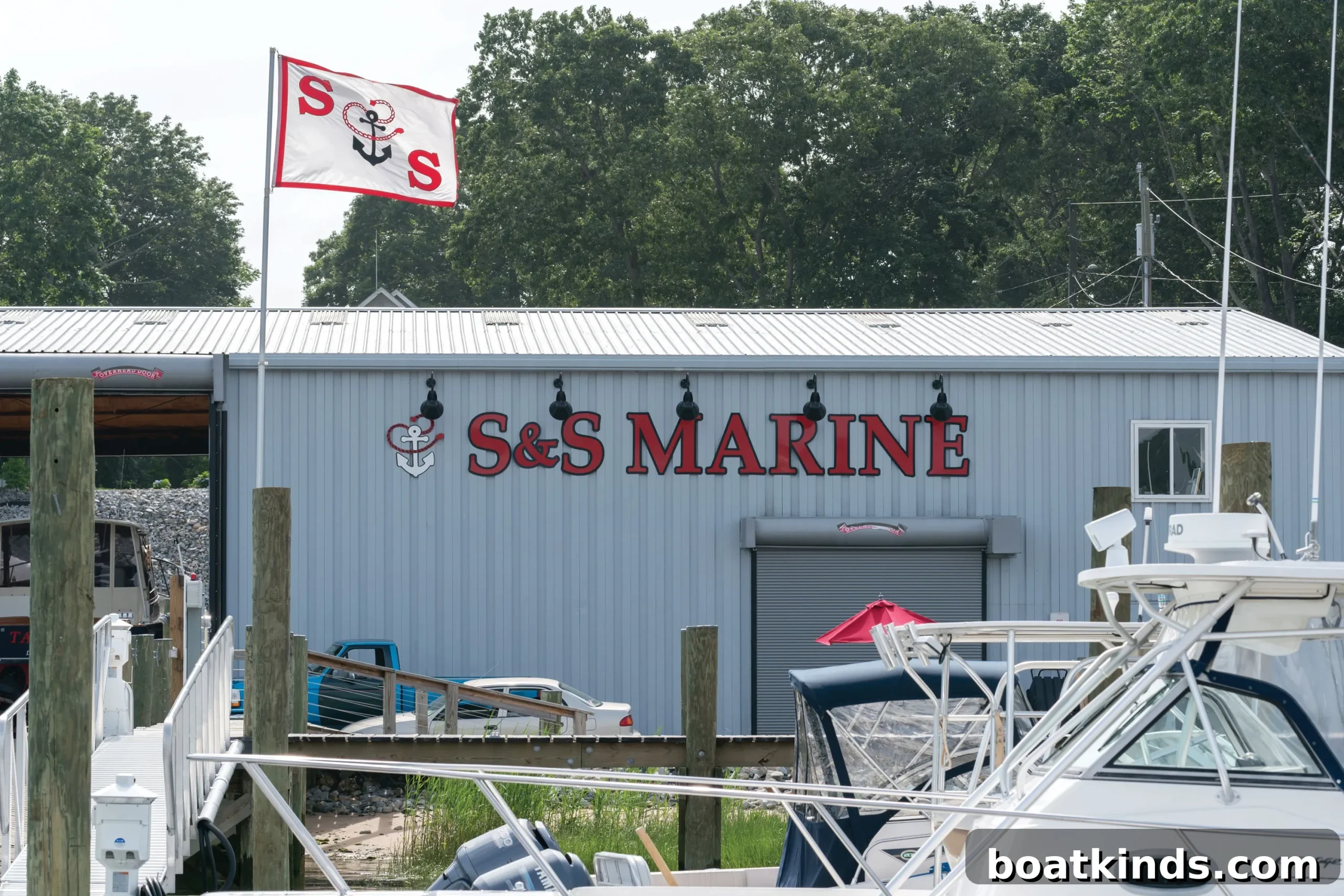
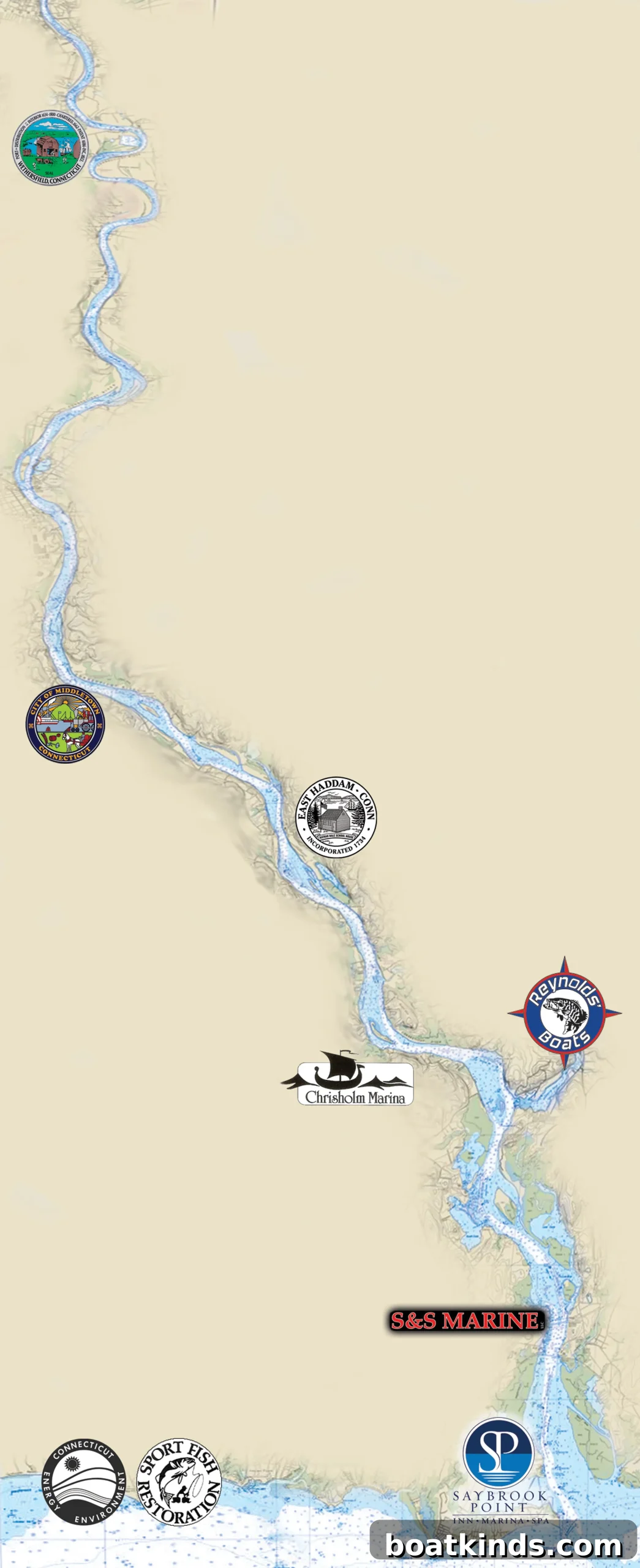
At the mouth of the river in Old Saybrook, S&S Marine invested an $89,968 grant to add eight transient slips and upgrade land-based amenities. Owner Scott Sundholm explains that the improvements were aimed at attracting visiting boaters, offering them better overnight options and access to local services.
“Visiting boaters can come over for the day, and now, we’ve made it nicer for them to maybe spend the night, use our services and enjoy what the area has to offer,” Sundholm says. Boats tied up at S&S Marine typically give visitors access to regional attractions such as Lynde Point Light, where fall swallow migrations can be observed, and nearby cultural venues including the Katharine Hepburn Cultural Arts Center and the Connecticut River Museum in Essex.
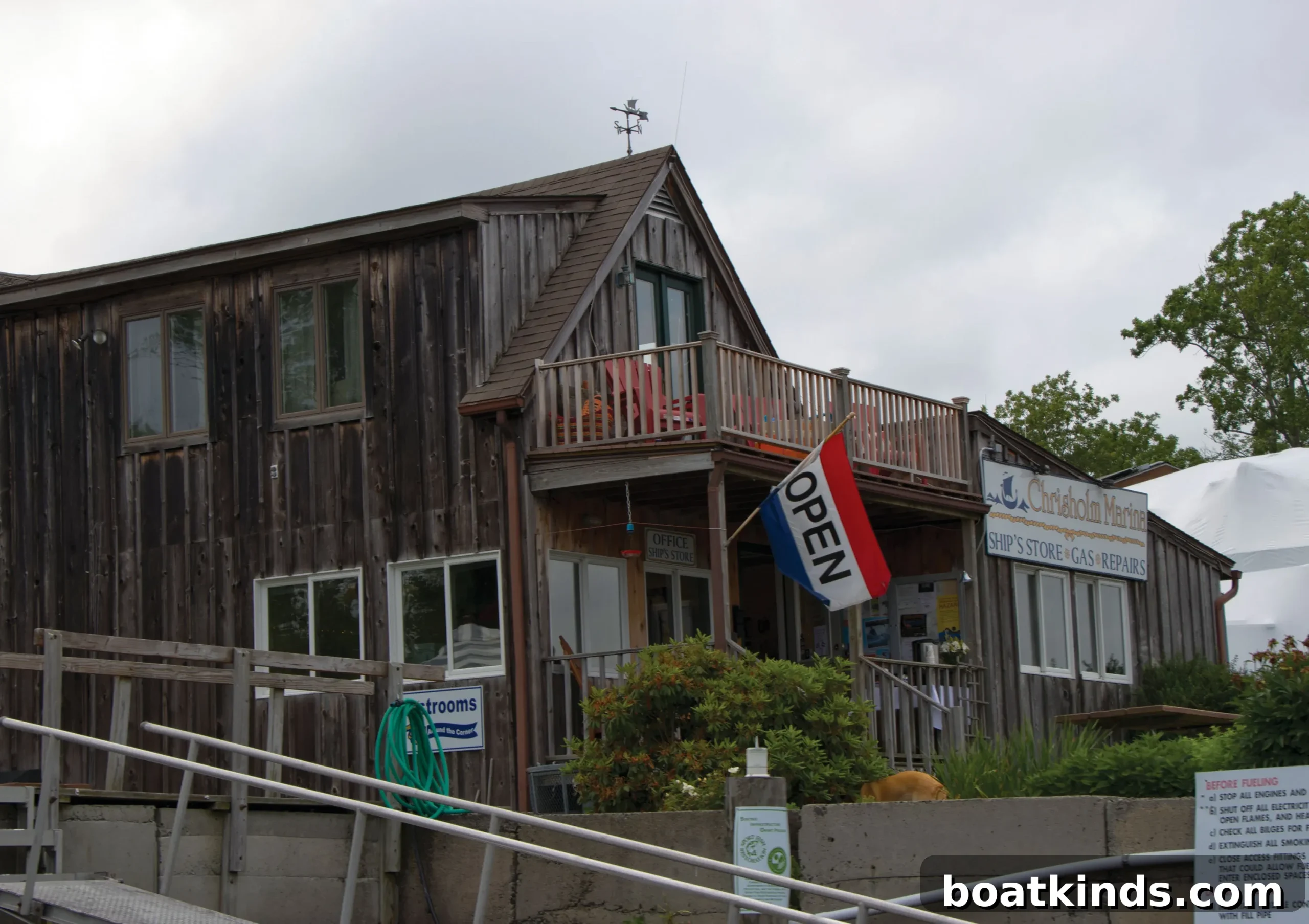
Mid-river, Chrisholm Marina used a $30,000 BIG grant to add six transient slips. Those berths provide boaters with an easy outlet for visiting Gillette Castle State Park, riding the Chester-Hadlyme ferry or exploring Chester’s galleries and riverside restaurants. Other recipients along the Connecticut River corridor have included Reynolds’ Garage and Marine on Hamburg Cove, which added a dock and bulkhead; Saybrook Point Marina, which installed underground fuel storage and four additional slips; and the town of Wethersfield, south of Hartford, which added 51 moorings and seven slips for visiting vessels.
Cities are also planning or building new transient facilities. Middletown has proposals to increase dockage along its riverfront, and New London—positioned on Long Island Sound—has moved forward with plans to build 54 new transient slips, creating more options for coastal and river-based visitors to tie up and explore on land.
Rob Klee emphasized the broader economic value of these investments: “These facilities are critical for economic growth in Connecticut. We hope that boaters take the opportunity to enjoy these transient boater destinations and all that Connecticut and the river have to offer.”
The combination of environmental recovery and targeted infrastructure improvements aims to strengthen the Connecticut River as both a natural treasure and a driver of local tourism and business. By expanding transient access—through docks, slips, moorings and shore-side amenities—communities along the river can welcome more visitors who contribute to local economies while enjoying recreation, history and wildlife viewing.
This article originally appeared in the September 2017 issue.