
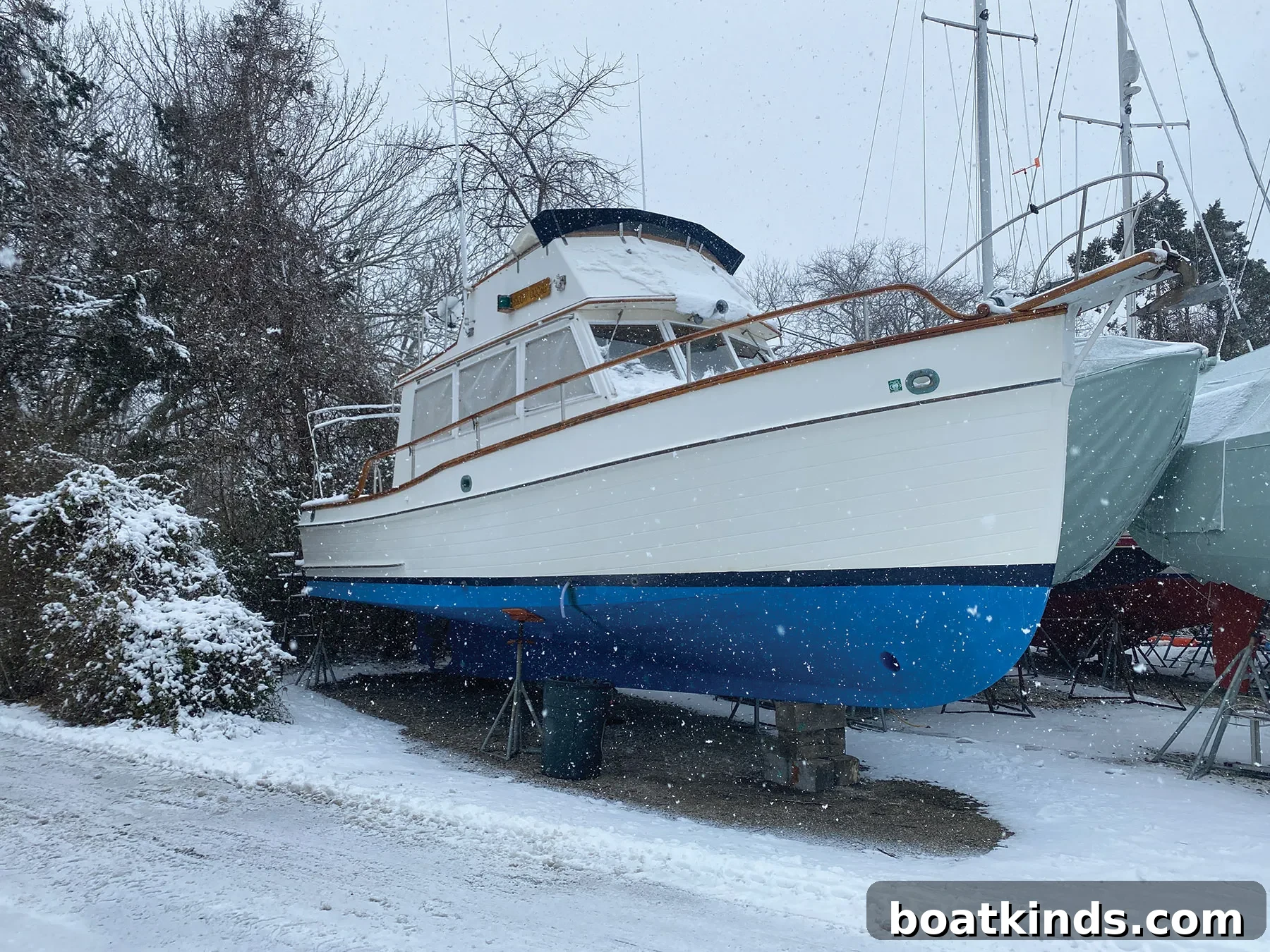
Refitting a 1986 Grand Banks 32: Practical Upgrades on Snow Goose
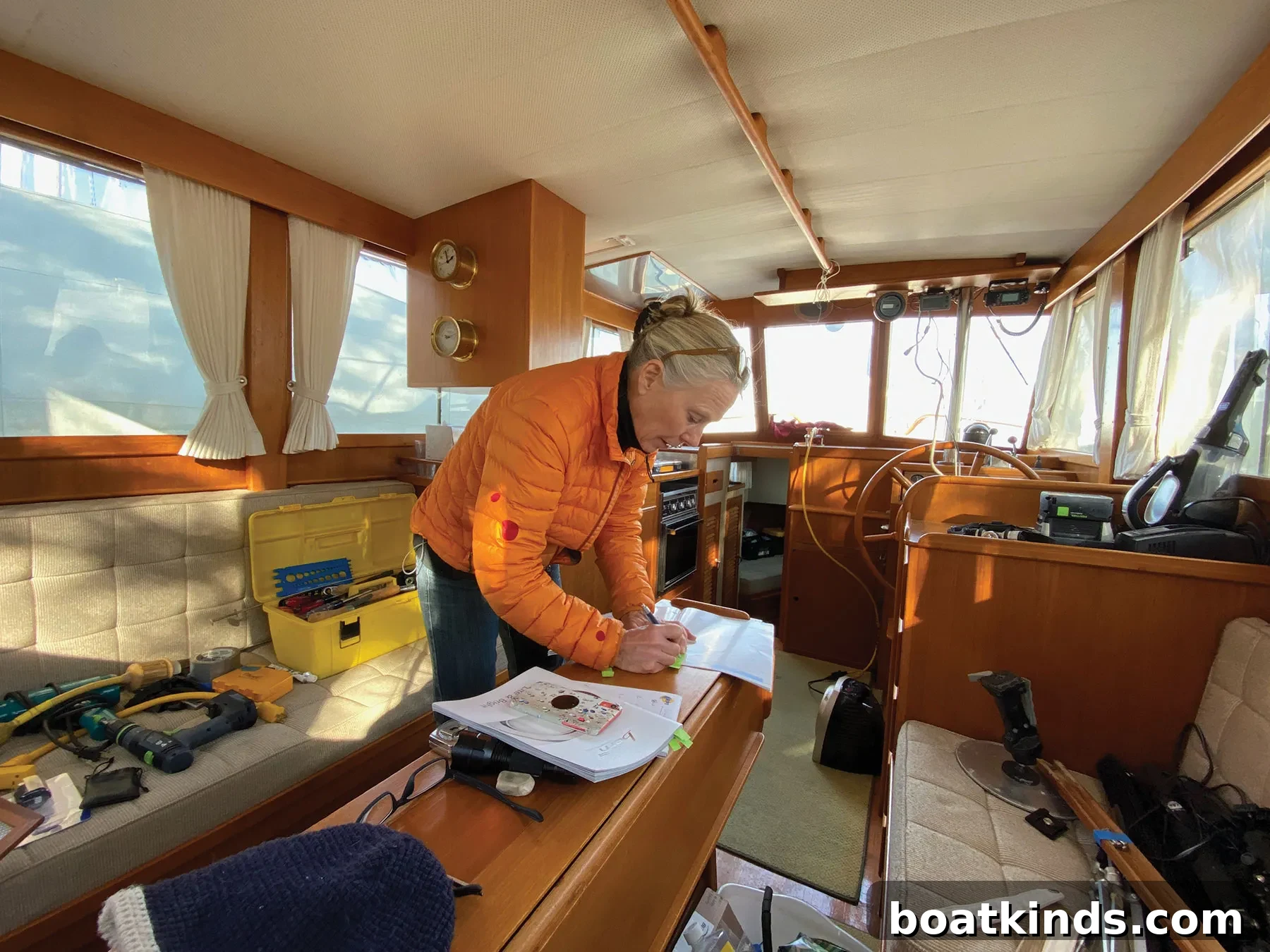
Onne and Tenley van der Wal moved quickly after buying their 1986 Grand Banks 32. Their first tasks were practical: clear out years of accumulated gear, bring tools aboard and get the boat clean and functional. Onne started where every refit often begins — with the bilge and the head — tackling the dirtiest, least glamorous jobs first to make the boat livable and safe for further work.
The head presented an early decision point. The original toilet was a vintage Wilcox Crittenden Skipper, a well-known marine fixture that commands strong opinions and high resale values. Onne initially planned to refurbish that classic, ordering replacement parts and preparing to rebuild the old unit. Once he began disassembly, however, he found the assembly bolts and fasteners so corroded they would not budge. Rather than risk damage or an unsafe repair, he chose to install a modern replacement.
Removing the Skipper meant relocating plumbing and filling the old mounting holes. Onne made a cardboard template to mark the new footprint, then built a cover plate to conceal the old holes and provide a clean mounting surface for the new head. The new toilet was installed on top of that cover, preserving the surrounding finish and giving the head a tidy, functional update without cutting into the boat’s structure unnecessarily.
Comfort aboard during cold evenings was another priority. Onne likes to listen to NPR and classical music while working, so audio quality mattered. A previous project on their 1972 Pearson 36, Snoek, had taught him what works and what doesn’t. He’d tried a traditional car-style stereo with decent speakers and found the result disappointing. The solution was to simplify and modernize: replace a dedicated marine stereo stack with portable, high-quality Bluetooth speakers.
On Snoek he installed Bose Soundlink Revolve+ speakers on custom aluminum and wood brackets he fabricated in his shop. To power them from the boat’s 12-volt system, he repurposed speaker wiring with USB connectors, allowing the portable speakers to run without a separate AC power source. Audio came from an iPhone via Bluetooth; he used the Bose app to wake and control the speakers, then streamed Spotify or a live classical station. Happy with the result on Snoek, he replicated the same approach on Snow Goose. The outcome was a surprisingly immersive soundstage — more like a concert hall than the cramped, tinny sound you often get from conventional marine stereos.
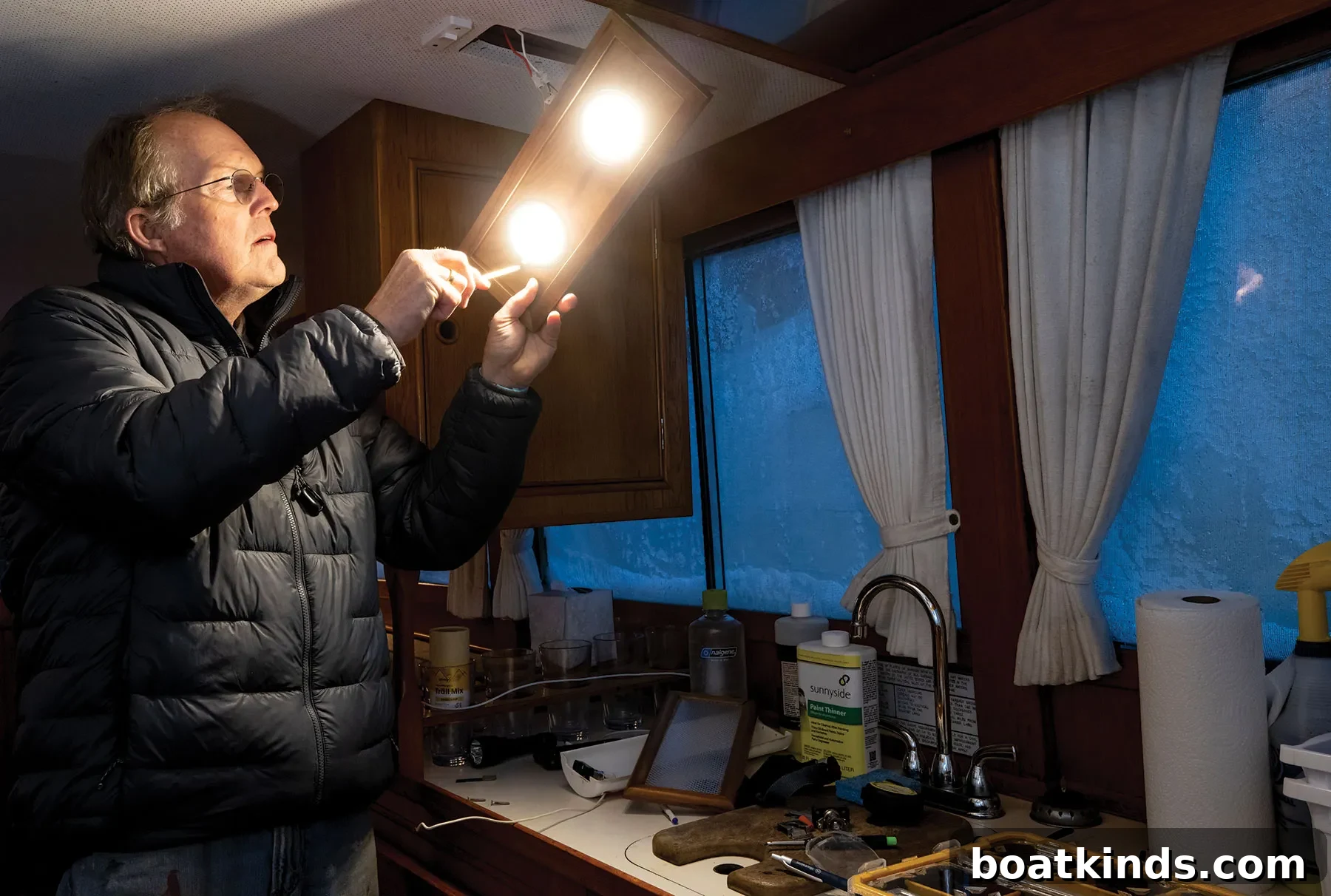
Lighting was another major upgrade. Snow Goose left the factory with incandescent fixtures typical of 1986, but Onne and Tenley wanted brighter, more energy-efficient lighting. They chose Imtra Orlando 85 LED fixtures for the cabin because of their slim profile, even wide flood beam and user-friendly spring-loaded retainer arms that simplify installation and maintenance. The Orlando 85s deliver an even wash of light and consume roughly one-tenth of the power of comparable incandescent lamps — a critical advantage on a vessel limited to battery power.
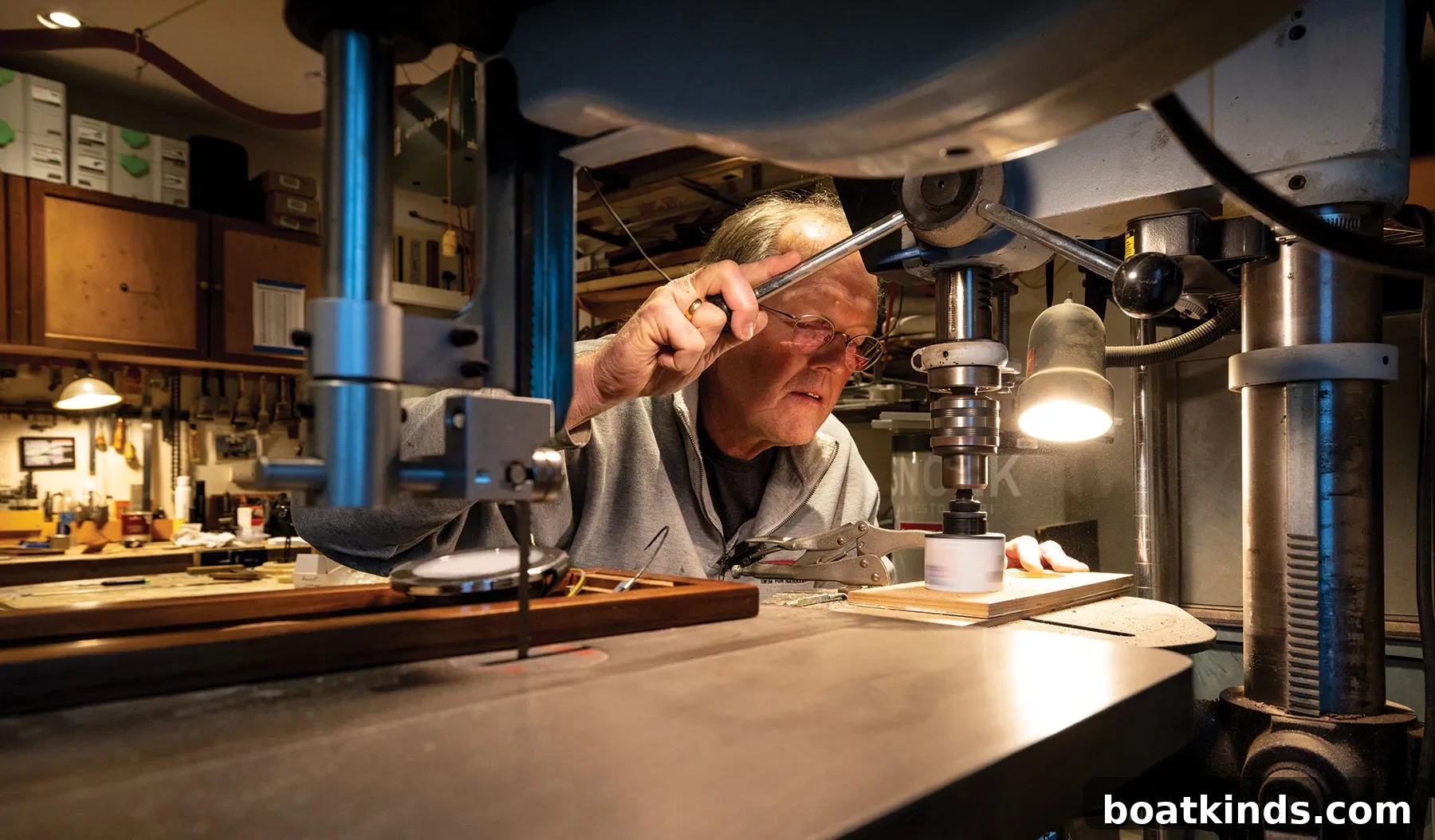
Installing the new cabin lights wasn’t a simple swap. Onne built custom housings from teak and plywood for each fixture, which required milling, drilling, trimming, gluing and careful varnishing of every component. For the final finish he used TotalBoat Halcyon Clear water-based varnish to protect the wood and match the boat’s original teak tone. It was meticulous, time-consuming work, but the result is a clean, warm interior with contemporary lighting that significantly improves visibility and onboard comfort.
He extended the lighting improvements to the engine room. Snow Goose is equipped with the original 1986 Ford Lehman 130-hp diesel, showing roughly 3,000 hours. Even if the engine is mechanically sound, routine tasks like oil checks, filter changes and strainer cleanings require dependable, safe lighting. Onne selected Imtra’s German-made Frensch LED fixtures for that space because they are compact, bright and designed for safe use in engine compartments where spark-free operation is an important consideration. The transformation was dramatic: what had been a dim, shadowy space became well-lit and practical, making maintenance tasks safer and quicker.
Altogether, these early refit choices — replacing the head rather than fighting corroded fasteners, choosing efficient LED lighting with thoughtful housings, and adopting a modern Bluetooth audio solution powered from the boat’s DC system — demonstrate a practical, prioritized approach to bringing an older Grand Banks into comfortable, modern use. The work required patience and craftsmanship, but the results are a boat that’s easier to live on and maintain, with upgrades that respect the vessel’s classic lines while improving daily life aboard.
This article was originally published in the April 2021 issue.