
Grand Craft Boats: Reviving Mahogany Boat Tradition on Lake Geneva
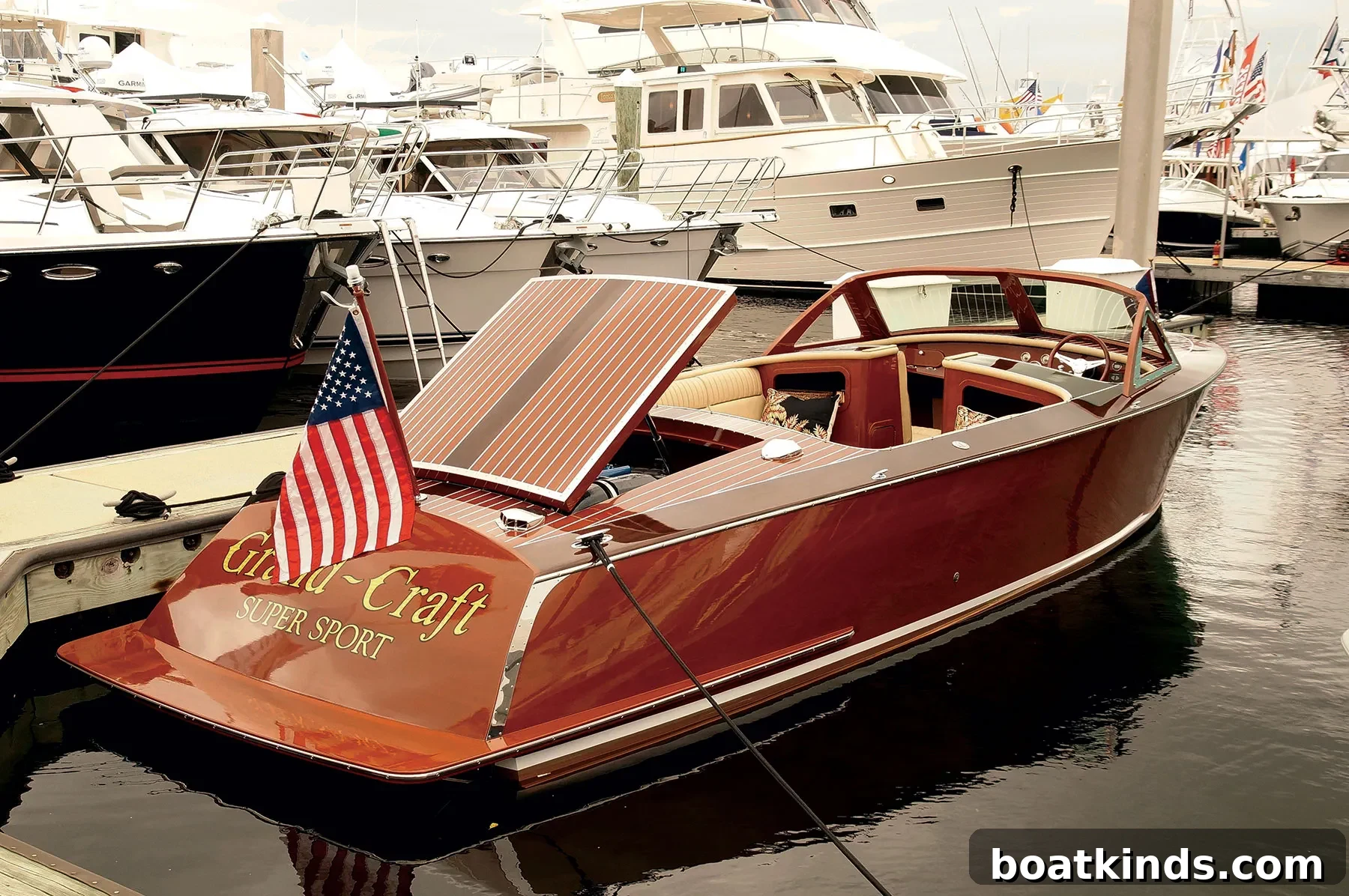
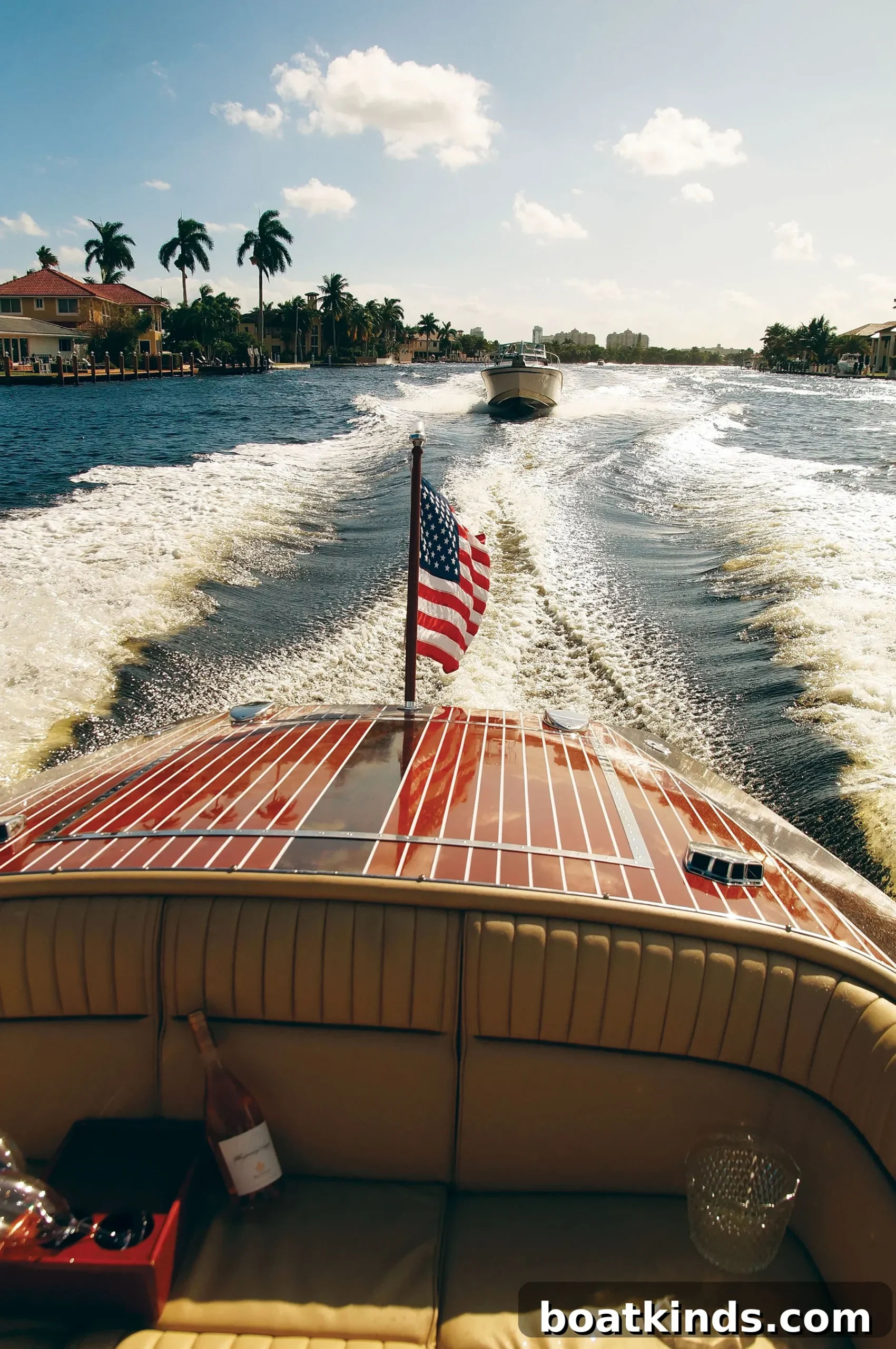
For Patrick Gallagher, the wooden-boat culture of Lake Geneva carries a powerful nostalgia. As a child visiting the lake with his family, he remembers seeing a single dominant style: the Streblow. Over the decades the lake’s landscape of runabouts has shifted toward modern brands such as Cobalt and Chris-Craft, but those early memories of varnished mahogany and handcrafted lines remained with him.
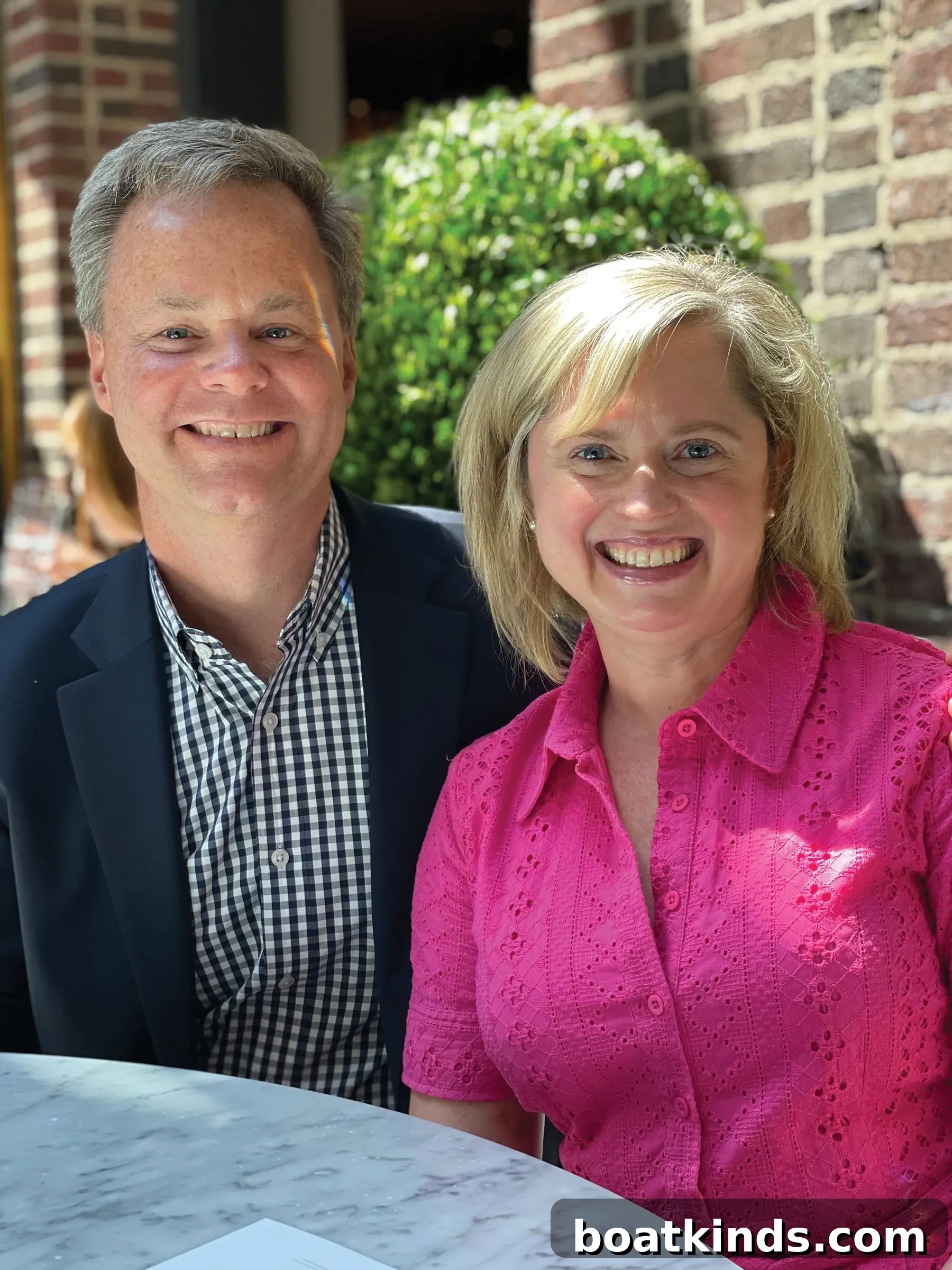
That nostalgia helped shape a major life change after the Covid-19 pandemic. Approaching his 50th birthday and after two decades as a co-owner in his family’s highway-paving business, Gallagher wanted a new direction. His wife, Rose, also sought a career change after 14 years practicing law. In early 2021 they used proceeds from Patrick’s sale of his shares to acquire Grand Craft Boats, a boutique wooden-boat builder founded in 1979 in Holland, Michigan.
Patrick assumed the role of CEO and Rose became executive vice president. They relocated Grand Craft to Genoa City, Wisconsin, near Lake Geneva, with a clear goal: preserve the mahogany-boat aesthetic and craftsmanship that drew them to the brand while applying modern management and production techniques to improve efficiency and quality.
Grand Craft, co-founded by Steve Northuis and Chris Smith (grandson of Chris-Craft’s founder), has a storied but uneven history. The company has attracted celebrity clients over the years, yet production has fluctuated—reportedly around 18 boats per year in 2007, shuttered during the Great Recession, restarted under new ownership in 2010, and more recently producing only a very small number of 20-foot boats annually.
Under the Gallaghers’ stewardship, the company is pursuing a measurable ramp-up. Their target is to build 20 hulls per year by 2024, with each boat completed in about four months. Early signs show progress: the first boat under the new ownership took roughly eight months, the second about six, and the team expects the third to take about four months as production processes are refined.
To meet those goals, Grand Craft has introduced computer-aided design (CAD) for models and started using CNC machinery to pre-cut framing components. That transition reduces labor on repetitive structural tasks, freeing skilled craftsmen to concentrate on high-value, visible work—planking, fairing, staining, varnishing and detailed finishing—where traditional craftsmanship matters most.
“The craftsmen welcomed the change,” Patrick says. “They want to spend their time on the parts of the boat that define its beauty and quality, not on repetitive internal framing that can be precisely pre-cut.”
Grand Craft currently offers five models plus custom builds. The company is emphasizing the Burnham, a modernized 26-foot 4-inch model that features U-shaped cockpit seating, a 430-hp engine option and a bow thruster. Priced around $350,000, the Burnham reflects a shift toward contemporary layouts—less utilitarian and more focused on social seating and comfort—while retaining classic wooden styling.
Beyond the Burnham, Grand Craft is expanding its capabilities. The company is building a 36-foot Winchester commuter for a Florida resort, replacing two long-serving Grand Craft water taxis that operated in salt water for more than two decades. For that project the hull will be fiberglass while the deckhouse, teak soles and exterior finishes will remain mahogany, blending durability with traditional aesthetics. Once the fiberglass hull is completed by a partner manufacturer, it will be shipped to Genoa City for final assembly and joinery.
A fiberglass variant of the Burnham is also under consideration and could be introduced later in the year if opportunities arise. Regardless of construction method, the company remains committed to the styling and finish that define classic wooden boats.
For Gallagher, preserving the heritage of mahogany boats goes hand in hand with evolving the business. He emphasizes that modernization and craftsmanship aren’t mutually exclusive: better processes can deliver shorter build times and higher-quality results. The craftsmen on his team take pride in that work; as one told him, “This is my boat until somebody buys it,” meaning each hull is treated like a flawless work of art until it leaves the shop.
Under the Gallaghers’ leadership, Grand Craft aims to blend time-honored wooden-boat traditions with efficient, modern production—bringing handcrafted mahogany runabouts back into wider circulation on Lake Geneva and beyond.
This article was originally published in the March 2022 issue.