
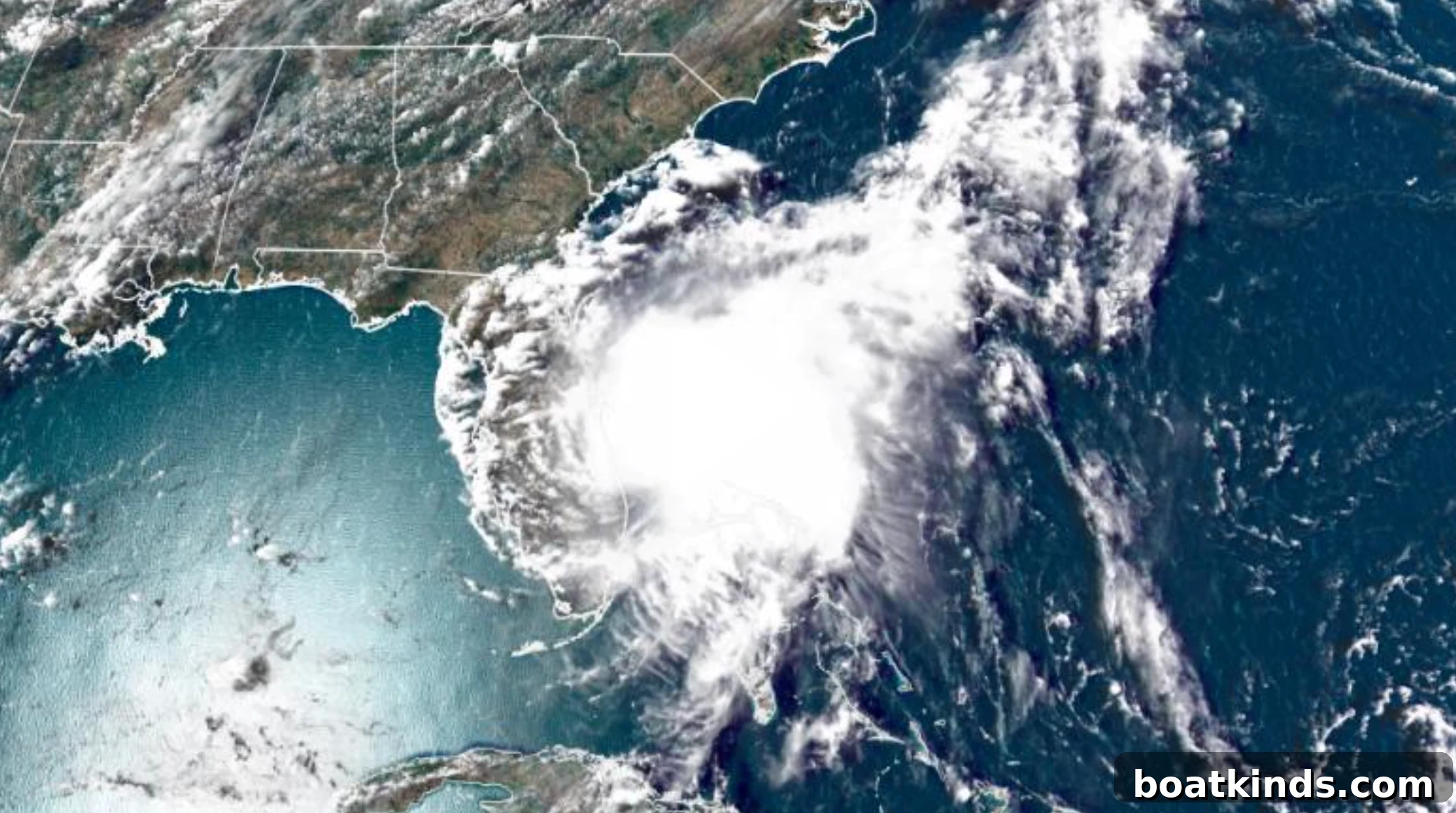
Isaias Expected to Become a Hurricane Before Reaching the Carolinas, Officials Warn
As Tropical Storm Isaias moved away from the Florida coast on Monday morning, forecasters warned it was likely to strengthen into a hurricane before making landfall along the Carolinas later that day. The U.S. National Hurricane Center issued an 8 a.m. advisory placing a stretch of coastline from the South Santee River in South Carolina up to Surf City, North Carolina, under a hurricane warning.
Current Conditions and Forecast
At the time of the advisory, Tropical Storm Isaias had maximum sustained winds near 70 mph and was expected to intensify. A Category 1 hurricane is defined by sustained winds between 74 and 95 mph, meaning the storm was close to that threshold and could meet it before reaching shore. Forecasters emphasized that strengthening was likely later in the day.
Senior hurricane specialist Daniel Brown noted that forecasts showed the system becoming a hurricane before it reached the coast. Officials also warned of a potentially dangerous storm surge, estimating water rise of roughly 3 to 5 feet in portions of North and South Carolina. That combination of wind, surge, and heavy rain increases the risk to coastal communities, marinas, and vessels at anchor or tied to docks.
Guidance for Boaters and Marina Operators
Leading maritime organizations and boating safety groups recommend that boat owners and marina operators take decisive action well before local conditions deteriorate. Key precautions include:
- Secure or remove small craft: If possible, haul smaller boats out of the water and store them in a safe, inland location. For larger vessels that must remain afloat, relocate to a more sheltered harbor or a designated safe harbor if time and conditions permit.
- Reinforce moorings and dock lines: Add extra dock lines and ensure they are in good condition. Use chafe protection where lines contact rough surfaces and consider using spring lines to limit fore-and-aft movement.
- Prepare for heavy rain and flooding: Make sure bilge pumps are working and batteries are fully charged. Clear scuppers and deck drains so water can drain freely, and secure hatches and ports.
- Remove unsecured items: Take loose gear, canvas covers, cushions, and electronics off the boat and store them safely ashore to prevent them from becoming airborne hazards.
- Reduce sail and rig stress: For sailboats that remain in the water, lower sails, secure halyards, and consider removing masts if long-term storage ashore is planned and feasible.
- Check safety and emergency equipment: Verify life jackets, signaling devices, flashlights, and first-aid supplies are accessible and in good condition. Keep a handheld VHF radio or other means of receiving weather updates close at hand.
- Document and inventory: Take photographs of the vessel’s condition and note registration and insurance information. Contact your insurance provider to understand coverage and claims procedures after the storm.
Regional Preparedness and Northeast Outlook
While the immediate threat was focused on the Carolinas, the storm’s track and potential impacts further north were still being monitored. Officials noted that it was not yet clear how New England would be affected, but state authorities in New Hampshire and other northeastern coastal states urged boaters and coastal residents to remain vigilant and to prepare for the possibility of high winds and heavy rainfall.
Coastal interests from the Mid-Atlantic through New England should monitor official forecasts and local advisories closely and be ready to act. Even if the core of the storm passes to the south, tropical systems can produce dangerous coastal flooding, strong gusts, and rapid changes in sea state that can threaten vessels not properly secured.
Staying Informed and Acting Early
Timely information and early action are critical when facing a tropical storm or hurricane. Boaters and coastal residents should pay attention to updates from the National Hurricane Center and local emergency management offices, follow evacuation orders if issued, and avoid making decisions based on assumptions about where the storm will go. Preparation should focus on protecting life first, then property.
If you operate a marina or manage waterfront property, coordinate with customers and staff to implement your severe-weather plan, set priorities for vessel relocation or securing, and ensure personnel safety. For individual boat owners, err on the side of caution: relocating a boat to a safer position or hauling it when advised can prevent much greater damage and reduce post-storm recovery work.
As conditions evolve, continue to check official forecasts and heed guidance from local authorities. Taking prudent, timely steps now can reduce the risk to people and property when a tropical storm intensifies to hurricane strength.