
TerreStar Genus: A Dual-Mode Cell and Satellite Phone Built for Boaters and Outdoor Enthusiasts
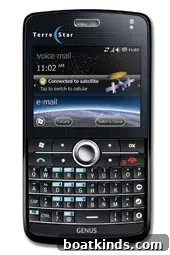
The TerreStar Genus combines cellular and satellite communications in a single handheld device, delivering a unique option for boaters, skiers, hikers and other outdoor enthusiasts who need reliable voice and data connectivity beyond traditional coverage areas. Slightly larger than a BlackBerry, the Genus offers the convenience of one phone with two modes of operation: standard AT&T cellular service when in range, and TerreStar satellite connectivity when outside the cellular footprint.
How it works and coverage
Within AT&T’s network, the Genus functions as a regular smartphone. When cellular service is unavailable, the user can switch to the integrated satellite mode, which uses TerreStar’s geostationary satellite to provide coverage across the continental United States, Hawaii, Puerto Rico, the U.S. Virgin Islands and parts of Alaska, including service up to 200 miles offshore. Because the satellite connection requires an unobstructed view of the southern sky, the satellite function does not operate indoors or underground. TerreStar recommends an external antenna for reliable reception in U.S. territories and Hawaii, and requires an external antenna for use in Alaska.
Single number, multiple capabilities
The Genus simplifies communications by using a single phone number for both cellular and satellite calls, eliminating the need to carry separate devices. Beyond voice calling, the device supports text messaging, data, and a range of smartphone features. It weighs approximately 4.6 ounces and measures 4.7 by 2.5 by 0.8 inches, running the Windows Mobile 6.5 operating system.
Features and connectivity
The Genus is equipped with a touch screen and a QWERTY keyboard, plus Bluetooth, Wi‑Fi, GPS and USB connectivity. It includes 100 megabytes of internal memory, Windows Mobile Media Player, a 2.0‑megapixel camera and camcorder functions, along with audio and video playback and digital voice recording. Productivity applications shipped with the phone include Microsoft Word, Excel, Outlook and PowerPoint, as well as PDF support.
Availability and pricing
When marketed for consumer use, the Genus was offered through AT&T and authorized resellers. Pricing varied depending on new or existing AT&T accounts: the phone was available to new AT&T customers at a stated price of $1,149, and at $1,500 for existing AT&T subscribers. AT&T previously introduced an identical device to serve government, energy, transportation, commercial maritime sectors and public-safety organizations, where the hardware price at launch was reported at $800.
Service plans and costs
In addition to the standard AT&T cellular plan (typical examples cited include about $60 per month for plans with rollover minutes), satellite service through AT&T for TerreStar connectivity carried an additional monthly fee and usage charges. Published rates included a $24.99 monthly satellite service fee, plus per-minute and per-message rates: approximately $0.65 per minute for voice calls, $0.40 per text message up to 160 characters, and data at $5 per megabyte. These charges reflect the additional cost of satellite-based usage compared with conventional cellular service.
Limitations and practical considerations
The Genus is not waterproof, though aftermarket waterproof cases are available to protect the device in marine and wet environments. Users relying on the satellite mode must ensure a clear line of sight to the southern sky, and expect limited performance indoors or in obstructed locations. The requirement for an external antenna in certain regions should be factored into planning for extended or remote operations, particularly in Alaska.
Company context
At the time of the consumer launch, TerreStar Networks had filed for Chapter 11 bankruptcy reorganization, indicating efforts to restructure debt while continuing product rollout. The company reported securing a loan from its largest secured creditor to support ongoing operations during restructuring.
Related stories
- Night vision – What’s out there?
- Infrared and a man‑overboard scenario
- Should rescue beacons be mandatory?
This article originally appeared in the February 2011 issue.