
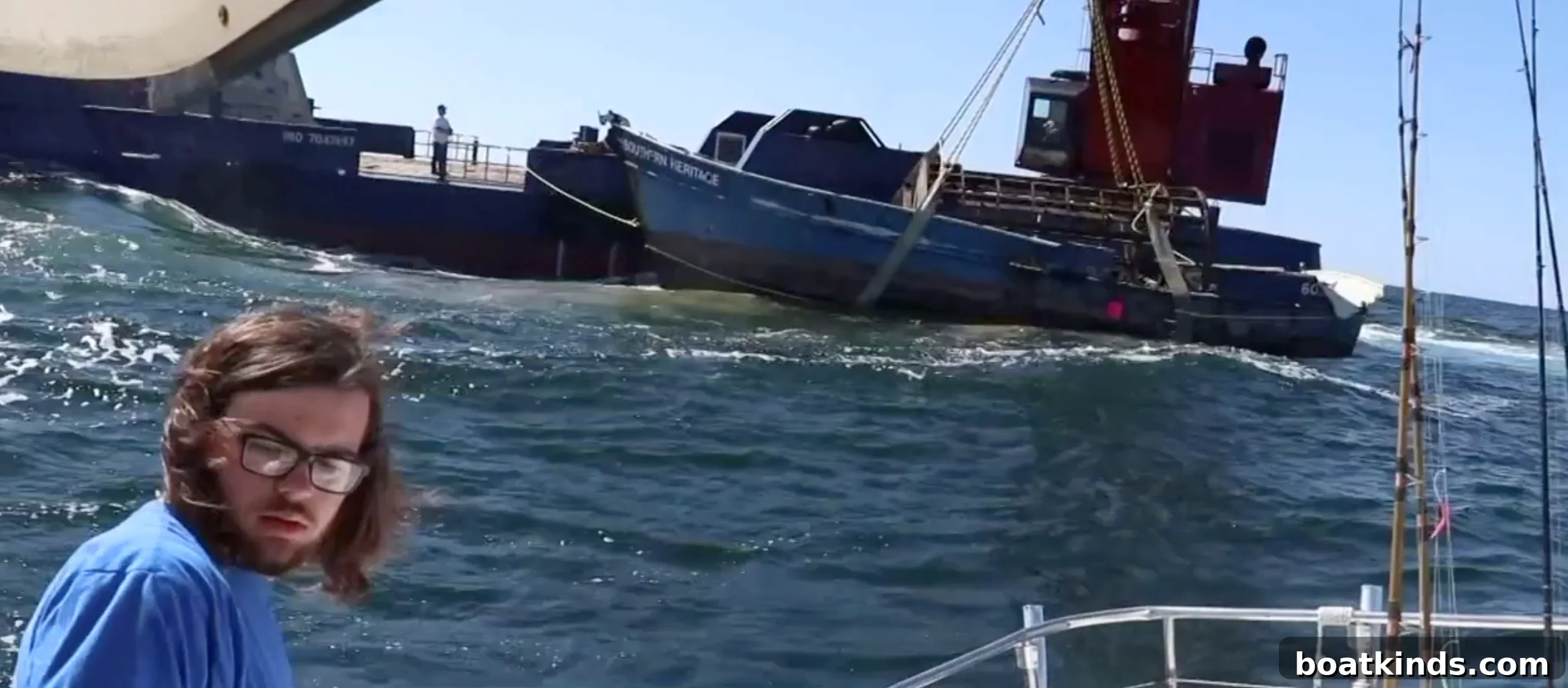
Eagle Scout Creates Memorial Artificial Reef in the Gulf of Mexico
Becoming an Eagle Scout requires planning and completing a meaningful community service project. While many Eagle projects are modest in scale and budget, some young leaders choose ambitious undertakings that leave a long-lasting legacy. One such project came from Garrett Ard of Orange Beach, Alabama, who combined personal tribute, environmental awareness and community collaboration to create a memorial artificial reef.
Garrett set out to honor his late grandfather, Captain Gloyice Ard, a respected Orange Beach charter fisherman who passed away in 2009. Rather than a traditional memorial, Garrett chose to purchase and prepare an old 50-foot steel shrimper, raise funds to cover the costs, and arrange for the vessel to be placed intentionally on the seabed as an artificial reef. The project required fundraising, permits, coordination with local organizations, and the logistical work of converting an old commercial vessel into a safe, environmentally sound reef structure.
Over several years Garrett raised approximately $25,000 to cover purchase, preparation and deployment costs. The effort drew support from the City of Orange Beach, the Gulf Coast Reef Foundation and a family friend who works as a commercial fisherman, among others. Their contributions helped fund the vessel’s cleaning and preparation, transport offshore, and the formal sinking event that established the new reef.
On May 7, 2020, the 50-foot shrimper, named Southern Heritage, was sunk 13 miles offshore into about 90 feet of water. Witnesses described the moment the vessel slipped beneath the surface and settled on the seabed. The sinking was carried out with attention to safety and regulatory requirements, and the event served as both a culmination of Garrett’s Eagle Scout project and a public commemoration of Captain Ard’s legacy.
Creating an artificial reef from an old vessel is a multi-step process that typically follows strict environmental and safety guidelines. Before a ship is sunk for reefing, hazardous materials such as fuel, oils, and potential contaminants are removed, and structures are prepared to ensure the vessel will sink safely and provide stable habitat. Permits from state and federal agencies and coordination with local reef foundations or reef programs are usually required. These steps are intended to protect marine ecosystems while maximizing the habitat benefits a reef can provide.
Artificial reefs built from decommissioned boats and barges serve several ecological and economic purposes. They provide hard structure in otherwise featureless seabeds, offering shelter, feeding grounds and breeding habitat for a variety of marine species. Over time, algae, corals and sponges can colonize the structure, attracting fish and invertebrates and contributing to local biodiversity. For coastal communities, artificial reefs can also support recreational fishing and diving, providing opportunities for tourism and outdoor recreation while relieving pressure on natural reefs.
For Garrett, the project was an exercise in leadership, planning and community engagement—core elements of an Eagle Scout service project. Fundraising required outreach and persistence, while the coordination of agencies and organizations demanded clear communication and logistical planning. The result was both a heartfelt tribute to a family member and a tangible contribution to the marine environment off the Alabama coast.
Community-based reef projects like this one often rely on partnerships between volunteers, municipal governments and nonprofit reef organizations. Groups such as reef foundations can offer expertise on site selection, permitting and long-term monitoring, while local officials help ensure compliance with regulations and public safety standards. Commercial fishermen and marine contractors can provide hands-on experience for vessel preparation and sinking operations, making these projects valuable learning opportunities for everyone involved.
While artificial reefs are not a substitute for protecting natural coral and reef systems, they complement broader conservation efforts by enhancing habitat complexity and supporting local fisheries. The memorial reef created in honor of Captain Gloyice Ard stands as an example of how a youth-led initiative can bridge personal remembrance, environmental stewardship and community service.
Video and news coverage captured the reef deployment and the community response. For a report on the sinking and the project, see the Fox 10 TV coverage.