
When Sir Ernest Shackleton and his 27-man crew put the stout wooden ship Endurance into the Weddell Sea in December 1914, they knew they would face brutal conditions: subzero temperatures, hurricane-force winds, uncharted waters and, above all, the relentless pack ice. Even with modern technology—reinforced steel hulls, satellite ice charts, drift models and ubiquitous communications—the defining challenge of Antarctica remains the ice itself.
Captain Freddie Lightelm, an experienced ice pilot and the standby captain aboard the 440-foot South African polar vessel S.A. Agulhas II during the Endurance22 expedition, captures that reality: “The sea ice is astonishing to encounter. Ocean mariners coming into it for the first time are often in disbelief. Antarctica is a hostile environment—sea ice, freezing temperatures and iceberg hazards are compounded by poor visibility from snow, fog, sea smoke, low cloud and whiteout conditions. The force of moving ice is something you must respect.”
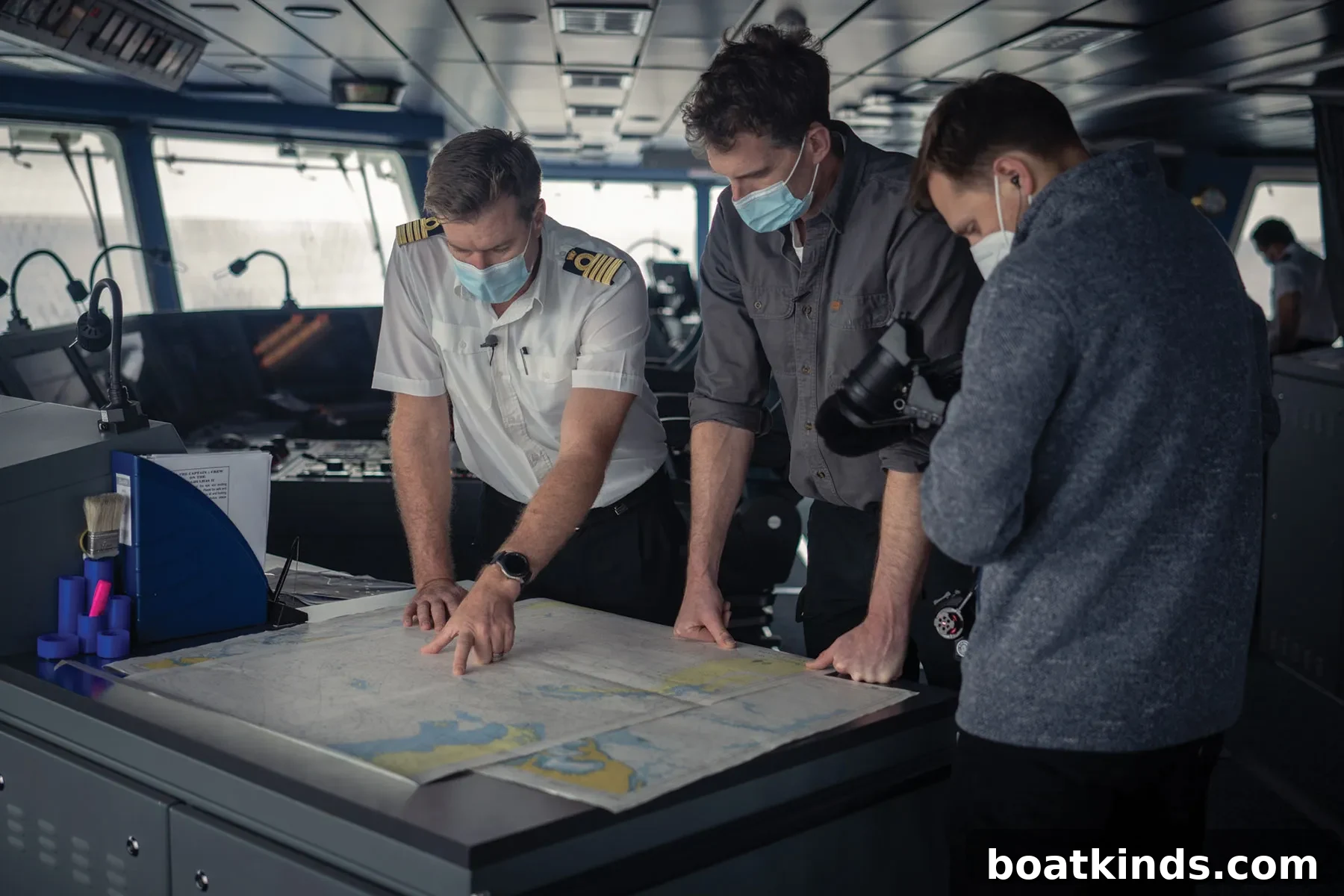
Understanding ice—its makeup, behavior and how to navigate it safely—is the core of an ice pilot’s work. Lightelm explains that the term “ice pilot” typically denotes a mariner with specific sea-ice experience in a given region. Under SOLAS (Safety of Life At Sea) rules, any ship operating south of 60°S must carry an ice pilot. Those pilots are commonly master mariners who have completed basic and advanced polar training and logged substantial watch time in polar waters.
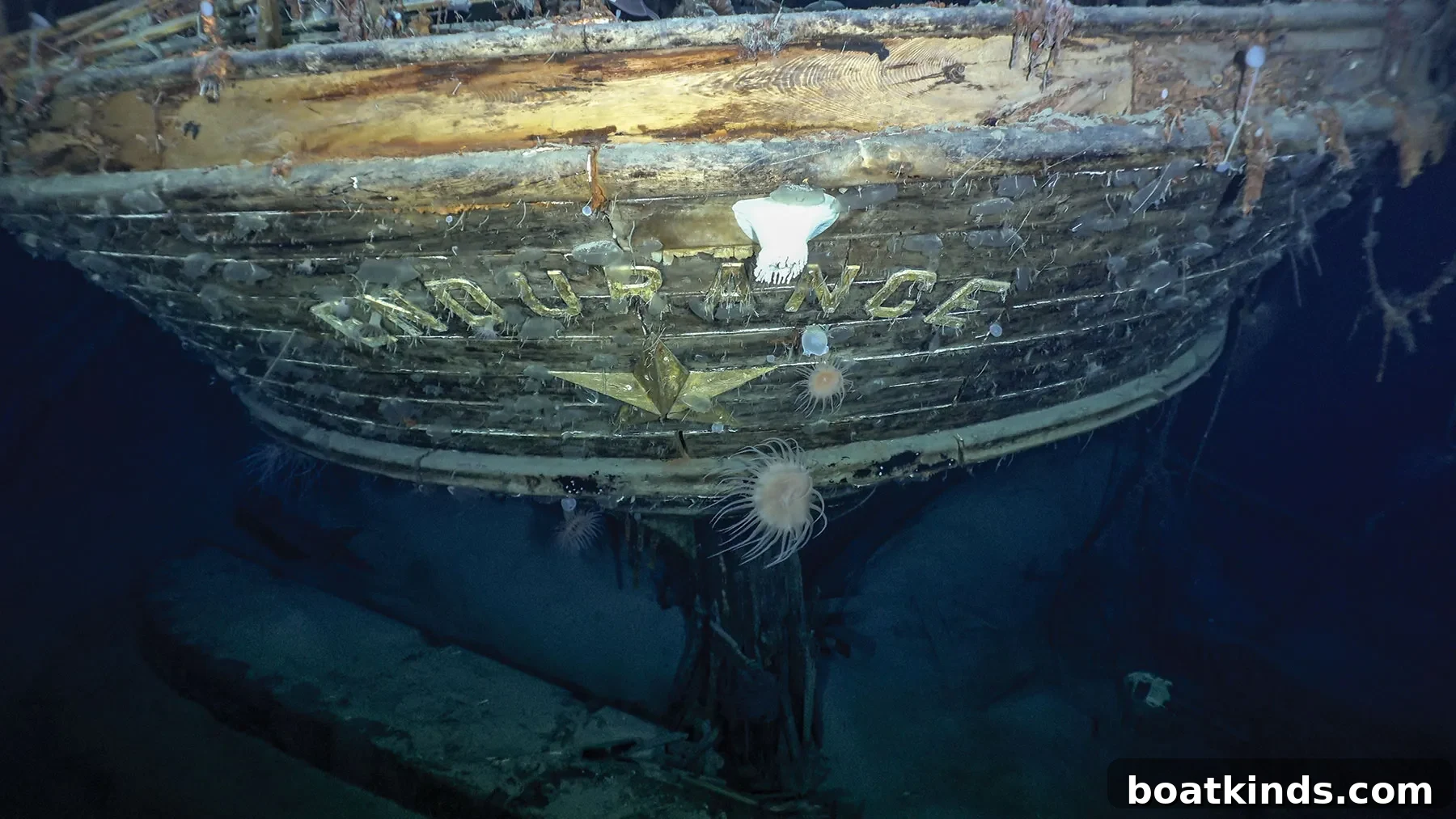
Lightelm, who shared a six-on, six-off watch with S.A. Agulhas II’s master, Captain Knowledge Bengu, was on duty on March 5 when the Falklands Maritime Heritage Trust located the wreck of Endurance in some 10,000 feet of water beneath the Weddell Sea ice pack. The wreck lies only about four miles south of the position recorded by Endurance’s navigator, Frank Worsley. Worsley later helmed the remarkable open-boat crossing—roughly 800 Southern Ocean miles from Elephant Island to South Georgia—that allowed Shackleton and four companions to summon help and organize the rescue of the men left behind on Elephant Island.
The wreck itself is haunting: upright on the seafloor, preserved in the cold, lightless waters since the ice crushed the ship on Nov. 21, 1915. In those temperatures, the usual wood-eating marine organisms are essentially absent, leaving the wooden hull in an extraordinary state of preservation.
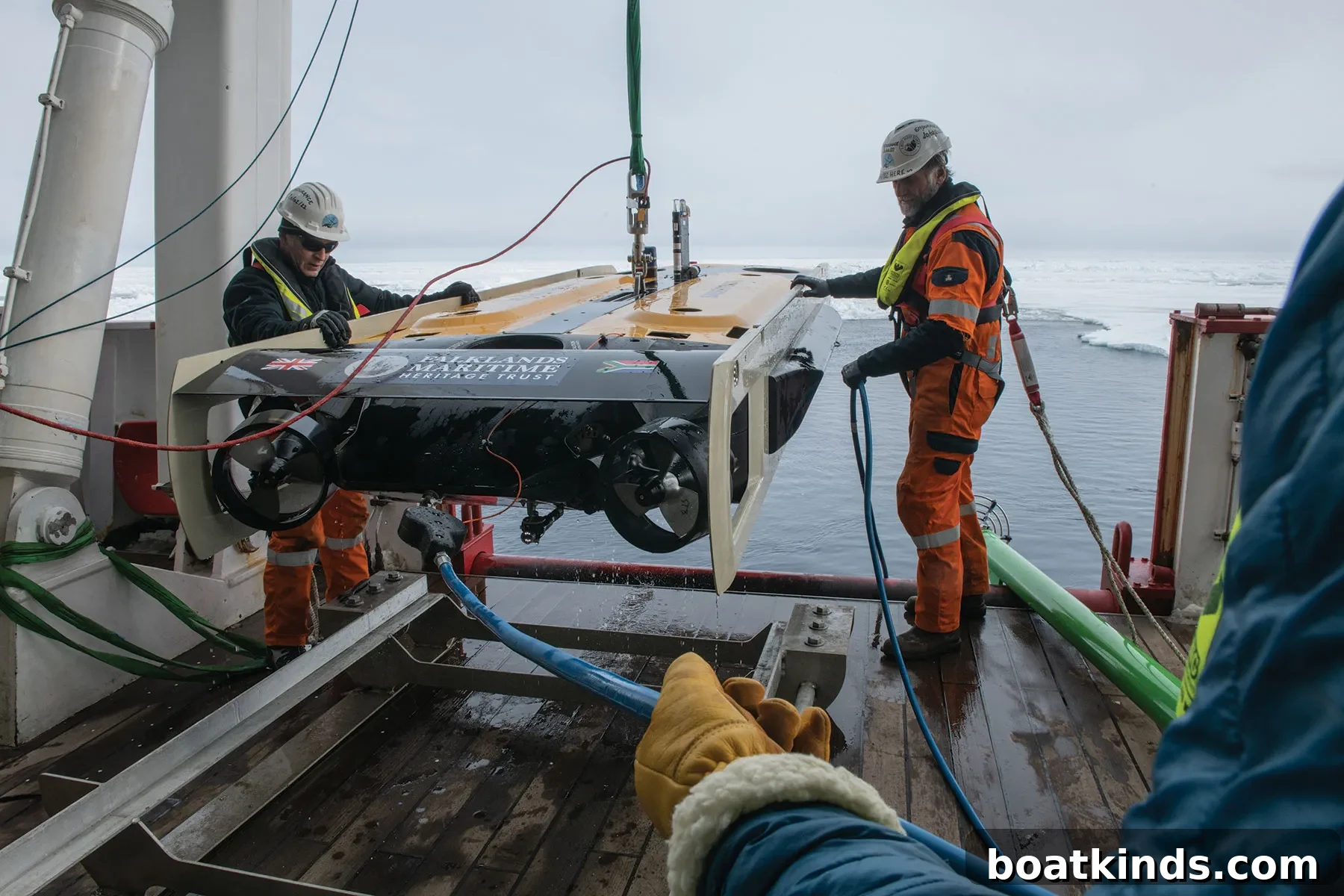
Shackleton described the crushing power of the pack ice in his account South: “No ship ever built by man could ever live, if taken fairly in the grip of the floes and prevented from rising to the surface of the grinding ice… It was a sickening sensation to feel the decks breaking up under one’s feet, the great heavy beams bending and then snapping with a noise like heavy gun-fire.” Those words help modern polar mariners imagine what happened to Endurance and why respect for ice dynamics is essential to survival in Antarctic waters.
Lightelm has been working in Antarctic waters since his first voyage there in 2002 and has served as ship master and ice pilot on multiple research, logistics and expedition vessels since 2008. He was part of the 2019 Weddell Sea Expedition aboard S.A. Agulhas II, which had to be abandoned after the loss of a multimillion-dollar autonomous underwater vehicle and deteriorating weather. That mission reached the general wreck area but faced heavier, older multiyear ice and higher concentrations of floes—conditions that can trap and compress a vessel.
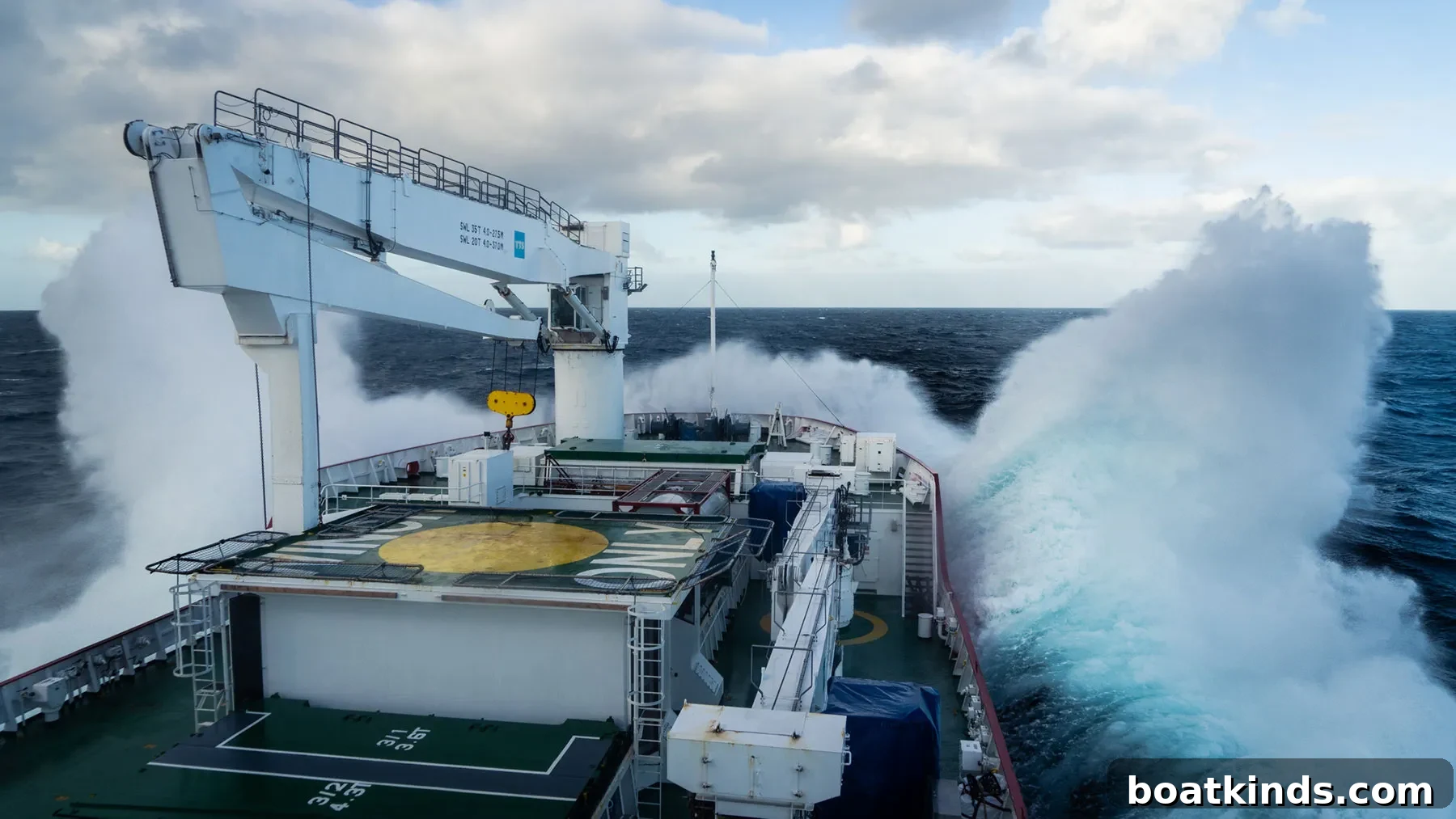
“We were nipped between two massive floes for about 10 hours,” Lightelm recalls. “At the point where they pinched together I felt vibration as the hull was squeezed. I could imagine how Endurance was crushed. Fortunately, our ship is heavily strengthened, and we were safe. But in the Weddell Sea my greatest fear is mechanical failure—there are no nearby vessels capable of assisting in those conditions.”
Conditions had improved for the Endurance22 expedition. The ice had retreated, concentrations were lower, and first-year ice—typically around one meter (3.2 feet) thick—dominated the pack. First-year ice is far easier to navigate than multiyear ice, which can develop layers and ridges through cycles of melting and refreezing and reach thicknesses of up to three meters (about 9.8 feet).
S.A. Agulhas II is a Polar Class 5 ship, built to sustain about five knots through first-year ice. That capability allowed the vessel to maintain steady progress in 2022, rather than relying on backing and ramming tactics used in heavier ice. Lightelm contributed to the ship’s design specifications and was the delivery master when the vessel sailed from Finland to Cape Town after her 2012 launch.
Lightelm is an avid Shackleton admirer who has visited the explorer’s grave on South Georgia several times. After the discovery of Endurance, S.A. Agulhas II steamed to South Georgia to pay tribute to the leader whom his crew called “the boss.” Finding the wreck brought a profound sense of relief and awe. “We were all gobsmacked; it felt incredible,” he says. The discovery carried added meaning because it was led by a South African team aboard a South African ship, a point of pride for Lightelm and the crew.
This discovery reconnects modern polar navigation and technology with an epic early 20th-century survival story. While instruments, satellites and reinforced hulls have transformed Antarctic operations, the ice remains the ultimate arbiter of safety, access and fate in the Weddell Sea. For ice pilots like Lightelm, that reality guides every decision, and for historians and explorers alike, the preserved remains of Endurance offer a powerful reminder of nature’s force and human endurance.
This article was originally published in the May 2022 issue.