
Stranded Newlyweds Hitch Ride Home on Fishing Vessel After Pandemic Cancels Honeymoon
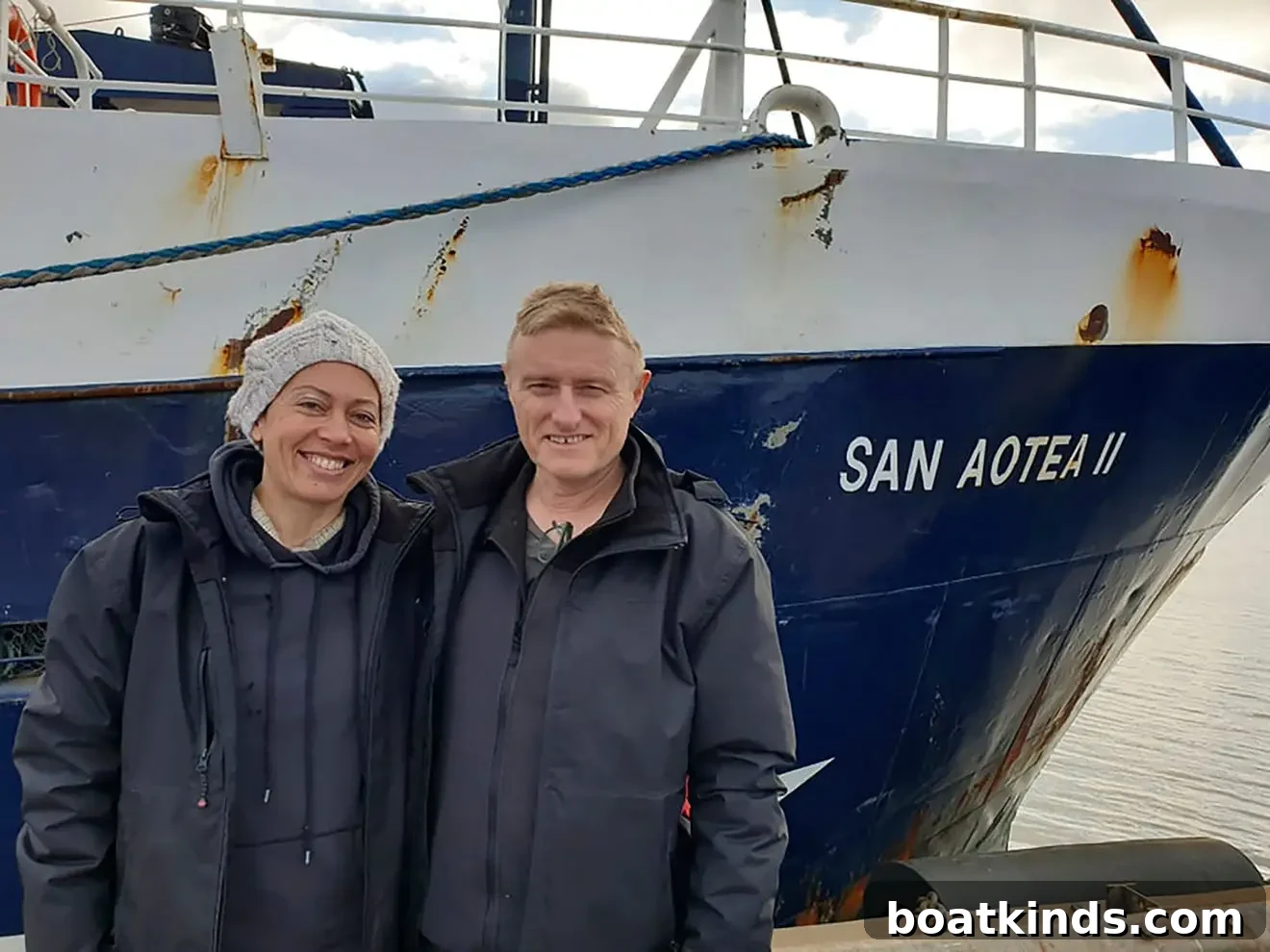
What was meant to be a memorable honeymoon turned into an unexpected adventure for Feeonaa Clifton of Auckland, New Zealand, and her husband, Neville. The couple had planned an extended trip that began with two weeks in the Falkland Islands — where Neville was born — followed by a month in South America before returning home to New Zealand. Their itinerary changed dramatically when the global pandemic struck and flights were cancelled.
Instead of the two-week visit they anticipated, Feeonaa and Neville found themselves staying in the Falklands for 12 weeks under lockdown. During that time they lived with an elderly aunt and adapted to a much slower pace, trading planned sightseeing and city visits for long walks and local exploration. To pass time and stay active, the couple hiked every hill they could see, discovering remote views and the quiet, rugged beauty of the islands.
The extended stay and limited travel options made returning home a challenge. Commercial flights were no longer available on their schedule, and strict border restrictions complicated even the most straightforward routes. After weighing options, the couple accepted an unconventional solution: a ride aboard a New Zealand fishing vessel bound for home. The skipper agreed to take them on his 125-foot boat, and the couple prepared for a difficult crossing of the Southern Ocean during the winter months.
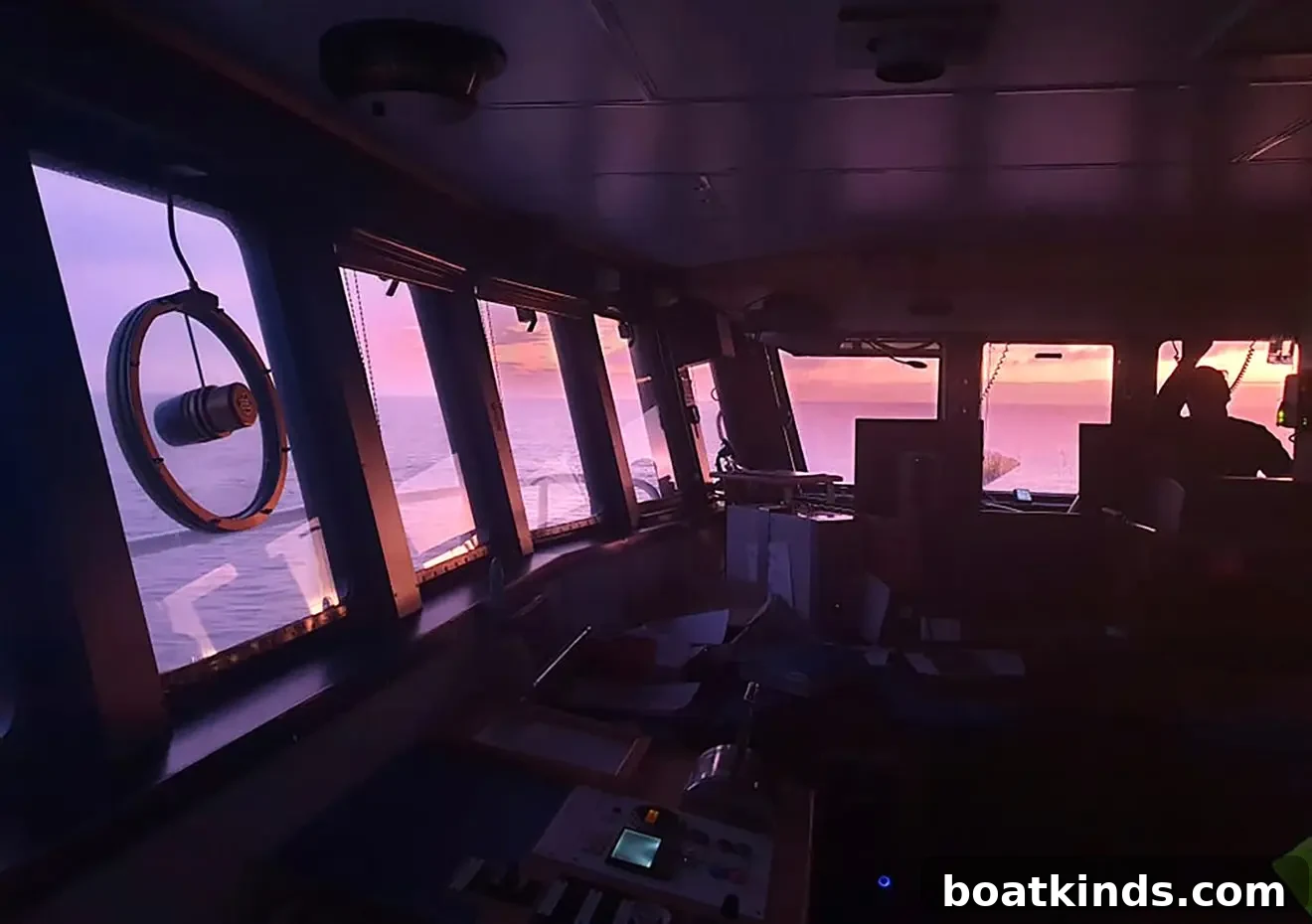
For Feeonaa, the voyage was a first: she had never slept on a boat before. The ocean crossing lasted about a month, and it included some of the most challenging stretches of water on the planet. The captain was described as being nervous about the passage — particularly the segment around Cape Horn and another region he referred to as “Middle Earth” — yet he agreed to bring the newlyweds on board to help them get back to New Zealand.
The experience combined elements of hardship and wonder. Long hours at sea, rolling decks, and the close quarters of a working fishing vessel contrasted with breathtaking sea views, enormous skies, and a shared sense of relief at being en route home. The couple’s months-long detour and the subsequent ocean crossing transformed what had been planned as a honeymoon into a story of resilience and improvisation in the face of global disruption.
Throughout the ordeal, Feeonaa and Neville relied on one another and on the kindness of family and the captain who provided passage. Their story illustrates how travel plans during the pandemic were upended for many people around the world and highlights the practical and emotional challenges of finding a way home when regular transport options disappear.
Journalists later reported the couple’s experience. The account was covered by the Associated Press and published on USA Today, documenting how a planned celebration of marriage became an extended stay in a remote community followed by a daring ocean crossing. The coverage emphasized not only the logistical hurdles but also the human side of the tale: adaptation, courage, and small acts of generosity that made their eventual return possible.
Today, Feeonaa and Neville look back on their unconventional honeymoon with a mix of irony and gratitude. They did not get the itinerary they expected — no planned tours in South America and no immediate return to New Zealand — but they came away with an extraordinary story and memories of a landscape and an ocean few travelers experience. Their journey is a reminder that travel can be unpredictable, and that sometimes the path home involves unexpected companions and routes.
For travellers and couples planning trips, their experience underscores the value of flexibility and contingency planning. In times of sudden change, creative solutions such as a ride on a local vessel can make the difference between being stranded and finding a route home. More broadly, the Clifton story captures a moment in recent history when ordinary plans were disrupted worldwide and people adapted in real, personal ways to navigate the uncertainty.