
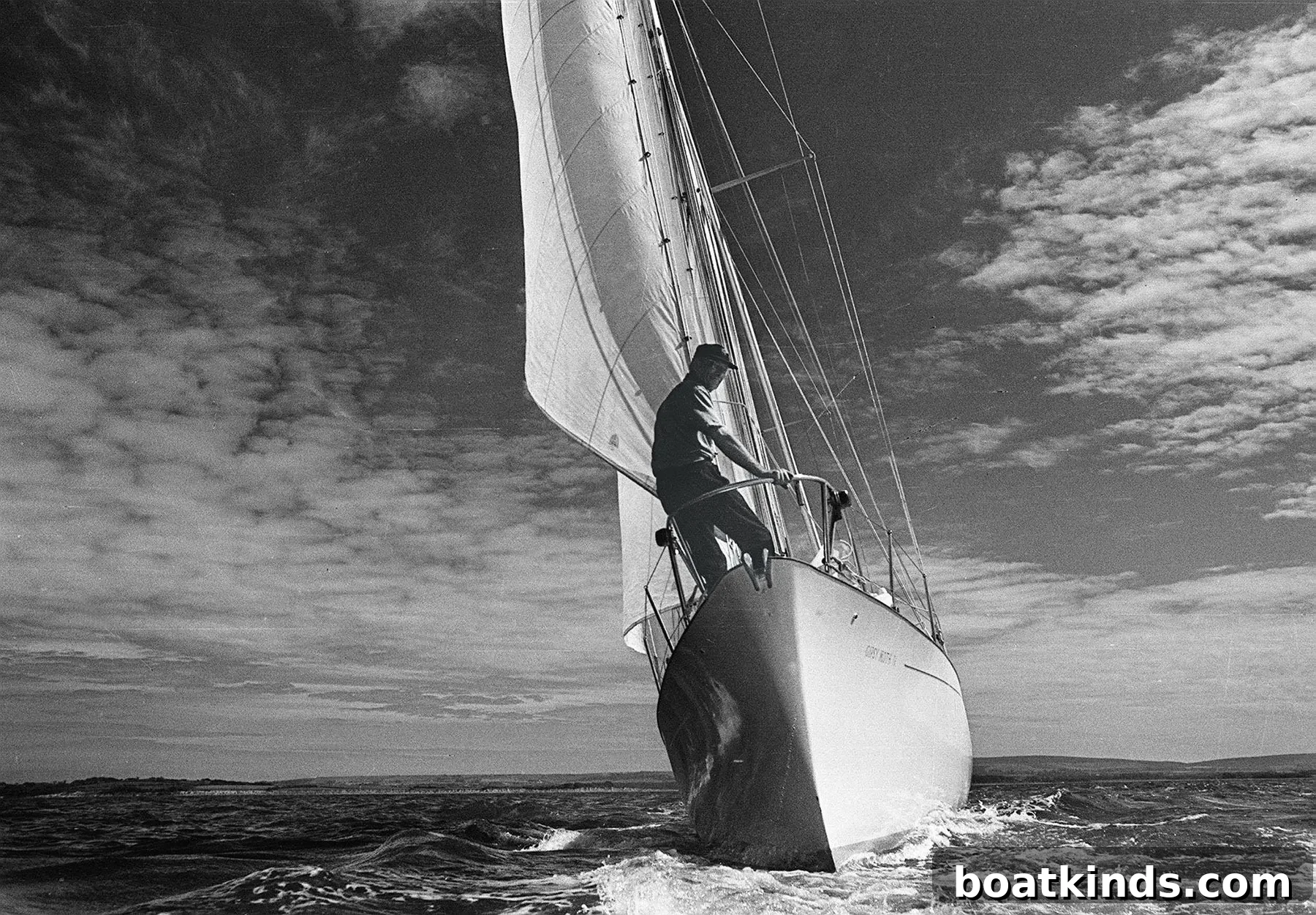
For an asking price of about $230,000, a significant piece of sailing history is on the market: Gipsy Moth IV, the 53-foot ketch Sir Francis Chichester commissioned in 1966 to sail single-handed around the world in 1966–67. That voyage captured global attention—a lone sailor in a comparatively small yacht accomplishing what much larger clipper ships had long done, all while Chichester was 65 years old.
When he completed the circumnavigation, the homecoming in Plymouth became legendary. The BBC reported that a quarter of a million people gathered at Plymouth Hoe to greet Gipsy Moth IV, while thousands of small boats escorted her into Plymouth Sound. The Royal Artillery fired a 10-gun salute, and Chichester’s wife and son joined him on deck, bringing champagne for the celebration. The return was televised internationally, making Gipsy Moth IV a symbol of the achievement; an image of the yacht even appears inside British passports as a tribute to that milestone.
Current photographs and the listing for the yacht are available through Sandeman Yacht Company in the United Kingdom. Sandeman is acting as the listing agent for the Gipsy Moth Trust, which owns the yacht. Trustee Pete Rollason told Soundings that the trust hopes to find an owner willing to take Gipsy Moth IV on “the next leg of her journey” so she can continue to prosper.
The Gipsy Moth Trust acquired the yacht in 2010. Prior to that, the vessel endured decades of varied use and long periods ashore. After Chichester’s famous voyage, the yacht spent 37 years in dry dock on public display. Rollason explains that being out of the water for that long affected the boat: it was visible to many but not consistently maintained in that period, and long-term storage ashore is rarely beneficial for wooden yachts.
In 2005 a campaign was launched to return Gipsy Moth IV to the sea. The yacht was restored and sailed around the world again in 2006–07. After that circumnavigation, the owners offered her for sale, and there was international interest. Ultimately the Gipsy Moth Trust formed and took ownership, returning the yacht to public life as a regular participant at festivals, regattas and educational events across the UK and Europe.
Under trust ownership, Gipsy Moth IV became a familiar sight at sailing events. She offered half- and full-day sails, attended races in France, Ireland and the Netherlands, and served as a platform for onboard sailing schools. Those activities generated strong demand until the Covid-19 pandemic forced a halt to public bookings. Rollason says the entire 2020 season was canceled after the trust had already invested in significant maintenance, leaving the organization in a difficult financial position and prompting the decision to sell.
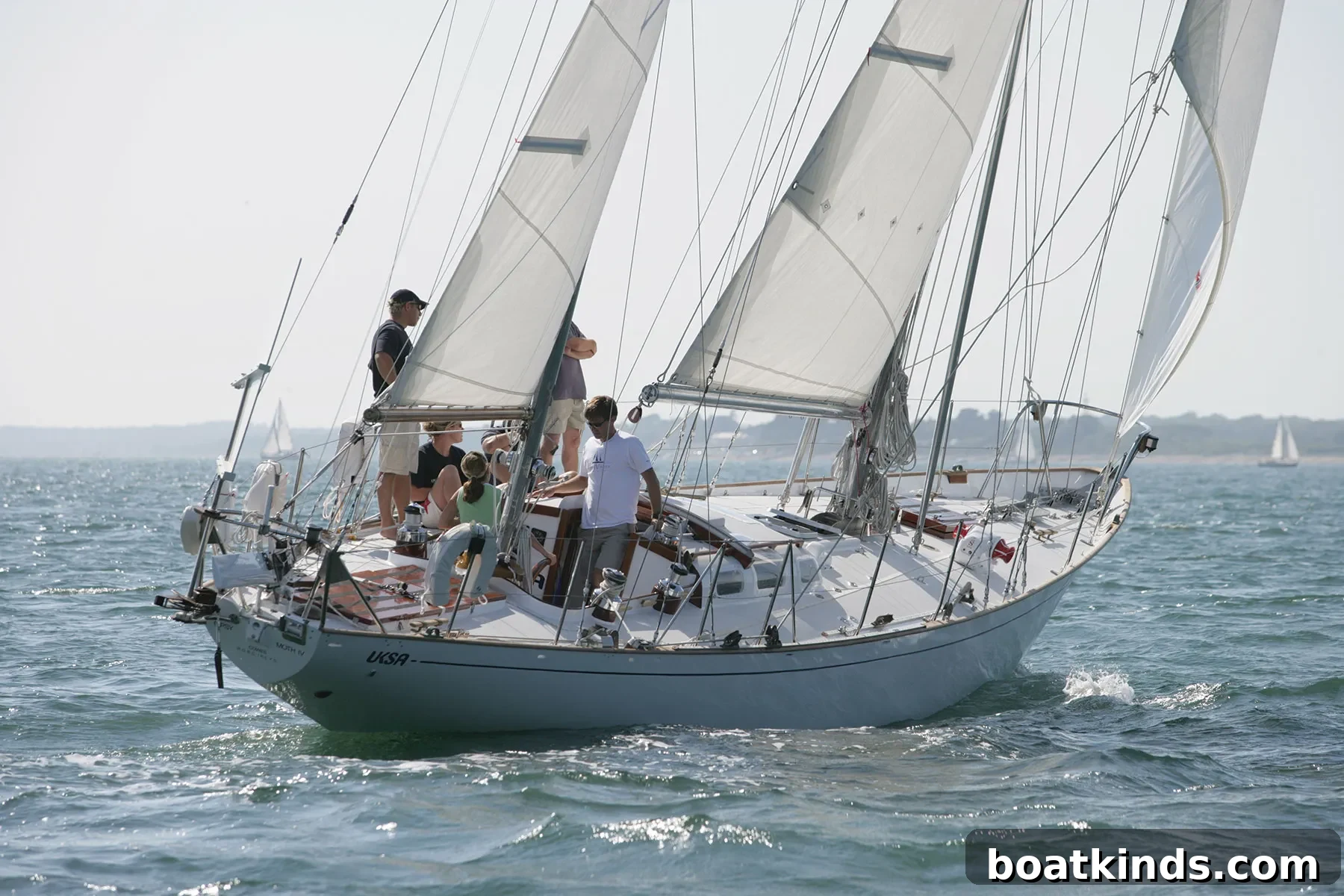
The yacht being offered today has been carefully prepared. Her original mast has been removed and fully reconditioned. She received a new suit of sails, modern helm electronics and up-to-date instrumentation, all installed in a manner that preserves the vessel’s historic appearance. Rollason notes that the saloon retains the original instrumentation visually, while modern electronics are discreetly installed behind those panels so the interior still feels much like it did in 1967.
Gipsy Moth IV is berthed at Buckler’s Hard, in the same river mooring area Chichester used, and Rollason emphasizes that she is ready to sail. Beyond routine cosmetic work—varnishing and painting when weather allows—the yacht is structurally sound. “I would take her sailing around the world tomorrow,” he said, underscoring both her seaworthiness and the trust’s hope that a new owner will continue her active life at sea.
Whoever acquires Gipsy Moth IV will own not only a restored classic yacht but a living piece of maritime history, one that helped redefine single-handed ocean voyaging and remains an enduring symbol of determination and seamanship. The trust and listing agent are seeking a custodian who will care for her legacy and keep her sailing for future generations to appreciate.
This article was originally published in the May 2021 issue.