Peter Warner: Sailor, Rescuer, and the Man Who Found Six Shipwrecked Boys
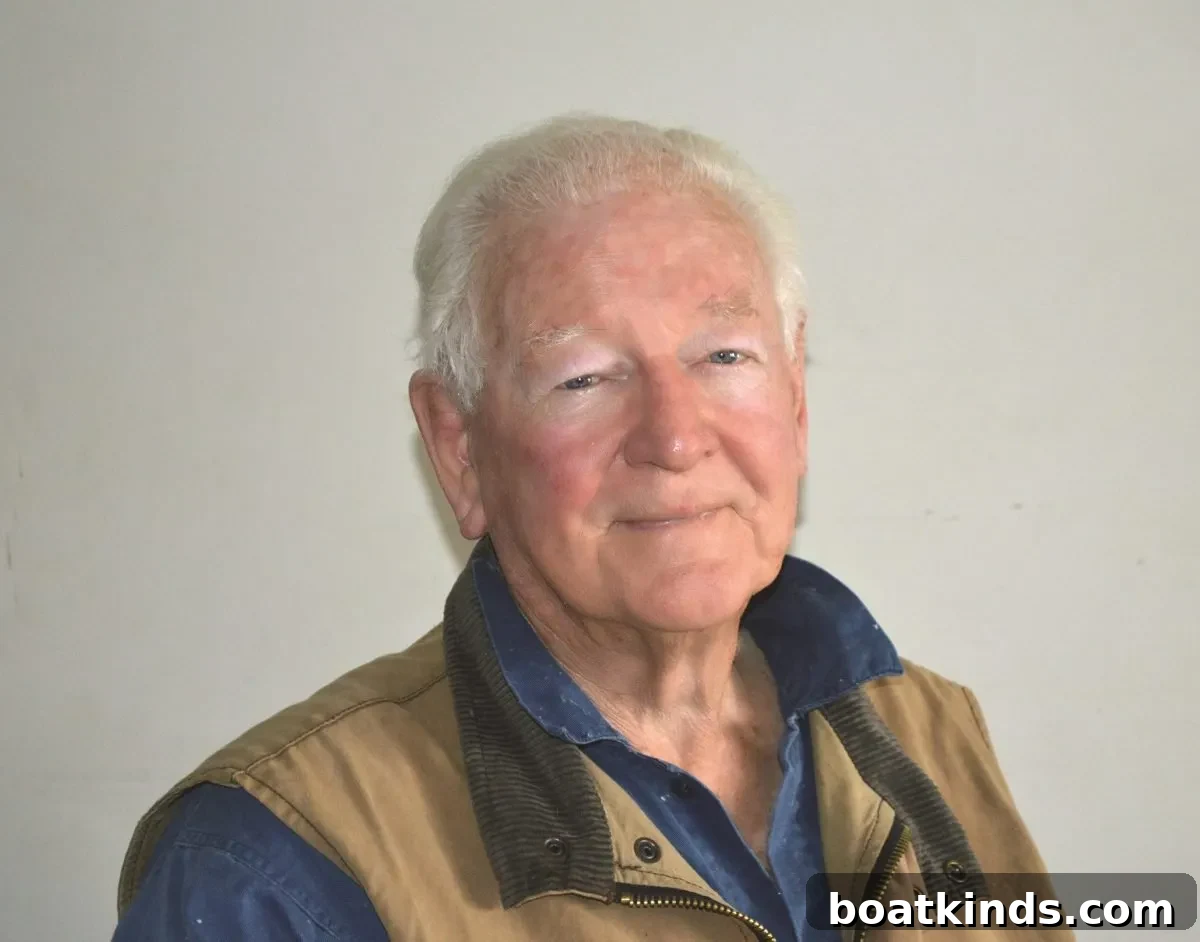
Peter Warner, the Australian sailor best known for discovering six shipwrecked Tongan boys, died on April 13 after being swept overboard by a rogue wave while sailing near the mouth of the Richmond River in Ballina, New South Wales. A companion who was also washed into the water managed to pull Mr. Warner ashore, but attempts to revive him were unsuccessful.
Warner gained international attention in 1966 when he and his crew stumbled upon six teenage boys who had been presumed dead after disappearing more than a year earlier. The boys, students from a boarding school in Tonga, had taken a small boat for a joyride, encountered a storm, and been cast ashore on an uninhabited island. They survived for 15 months through ingenuity, discipline and resourcefulness until Warner spotted them by chance.
While scanning an uninhabited island about one hundred miles south of Tonga, Warner noticed a distinctive burnt patch with his binoculars. Curious, he and his crew approached to investigate. As the boat drew near, six naked teenagers suddenly rushed into the surf and swam out toward them. The boys had spent more than a year signaling passing ships and building makeshift shelters; their survival depended on determination, luck and the discovery of the remnants of earlier habitation on the island.
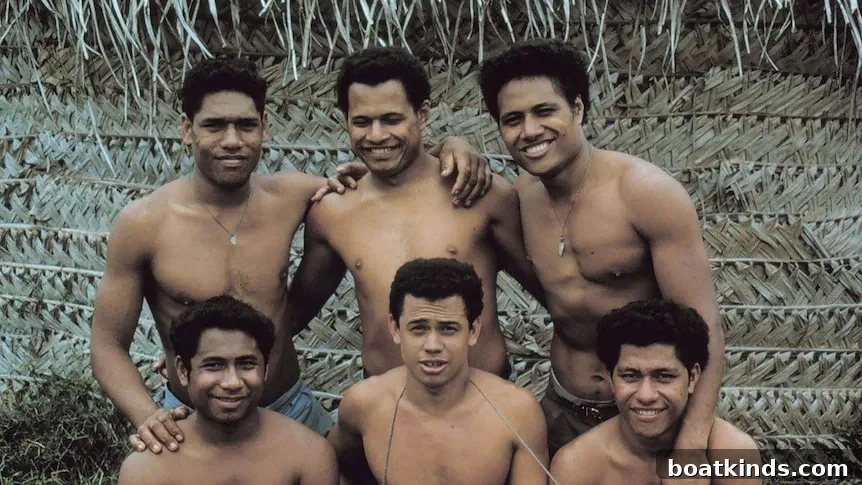
The island the boys had found once hosted a small settlement, and the remains proved vital to their survival. They located an abandoned village and salvaged tools and provisions — including a machete, domesticated plants and a flock of chickens — which helped them secure food and shelter until rescue arrived. Warner returned the boys to Tonga, where his actions made him a celebrated figure both in Tonga and in Australia.
Following the rescue, Warner moved to Tonga with his family and lived there for three decades. He continued to work at sea and employed the six boys as crew on his fishing boat, maintaining ties with the young men he had helped save. Warner’s reputation as a skilled sailor was reinforced in later years: he won line honors three times in the prestigious Sydney to Hobart Yacht Race, an achievement that underscored his seamanship and competitive skill.
The rescue of the six boys was not Warner’s only notable maritime salvage. Eight years after that first discovery, Warner and a group of Tongan seafarers spotted four marooned sailors on a small island about 300 miles east of Australia. Those men had been stranded for 46 days before Warner’s party located and rescued them, further cementing his legacy as someone who responded to danger at sea with courage and practical ability.
Throughout his life Warner spent most of his time on the water, navigating remote islands and coastlines and taking part in ocean races as well as practical fishing and transport work. His career blended adventure, rescue, and a close relationship with the communities of the South Pacific. The story of the six Tongan boys — an extraordinary testament to youth, survival and human resilience — remained the defining episode of his life for many observers.
Warner’s death while sailing is a stark reminder of the sea’s power and unpredictability, even for experienced mariners. He was swept overboard by a sudden rogue wave near the Richmond River entrance in Ballina, an area known for shifting seas and strong currents. The loss has been felt by family members, former crew and the wider maritime community who respected his lifelong dedication to sailing and to helping others at sea.
Today, Peter Warner is remembered for his seamanship, his role in one of the most remarkable rescues of the 20th century, and the decades he spent living and working in the South Pacific. His life combined adventure, compassion and a commitment to life on the ocean, leaving a lasting legacy among those he rescued and the sailors who followed his example.