
Miami Sea Wall Proposal: A Six-Mile, $6 Billion Plan to Protect Biscayne Bay from Storm Surge
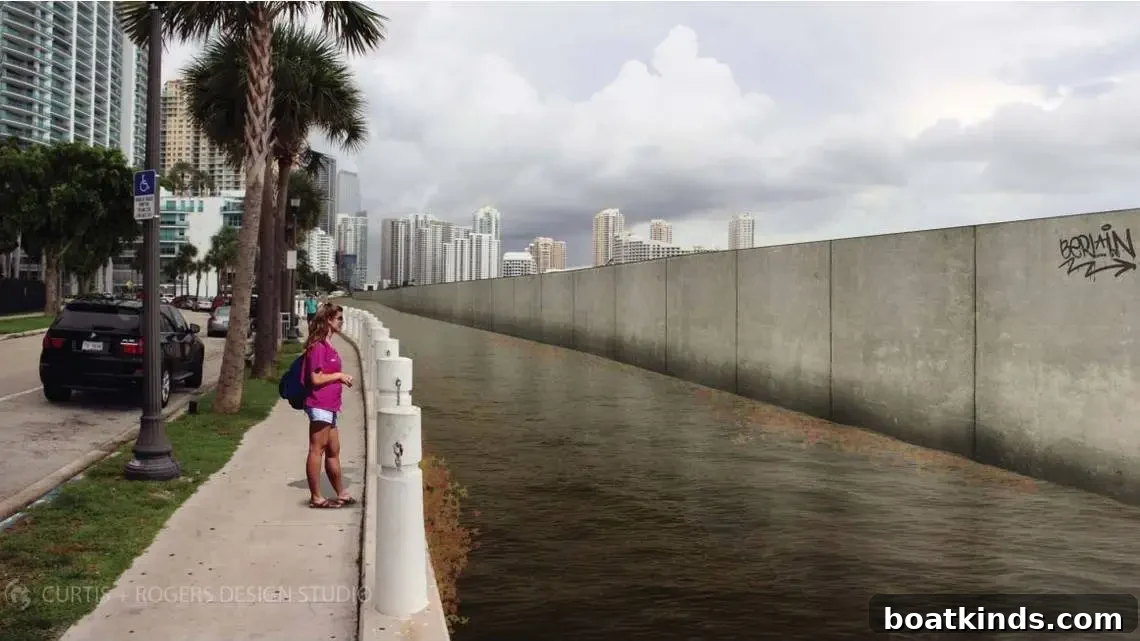
The U.S. Army Corps of Engineers has released a preliminary proposal to shield Miami from rising storm surge risks: a six-mile-long sea wall running across Biscayne Bay. Estimated at roughly $6 billion and reaching up to 20 feet high in some sections, the proposed infrastructure project aims to block storm surge and protect the densely populated coastal region.
Why the Proposal Is Controversial
The idea of a towering barrier slicing through Biscayne Bay has provoked strong reactions from residents, elected officials and business owners. While few dispute that Miami faces intensifying hurricane activity, coastal flooding, and escalating costs for flood insurance, many argue the physical and visual impacts of a sea wall would be drastic. Concerns include obstructed waterfront views, potential decline in property values, and long-term consequences for public access to the bay.
Not Just Hurricanes: Multiple Flooding Threats
South Florida’s vulnerability goes beyond storm surges. The region’s flat topography and porous limestone substrate allow seawater to move inland not only during storms but also during high tides and sunny-day flooding events. On many clear days, streets in low-lying neighborhoods routinely collect water. Saltwater intrusion is increasingly threatening underground freshwater aquifers that supply drinking water, while aging sewer infrastructure and septic systems are at higher risk of failure as groundwater levels rise.
Tradeoffs and Alternatives
City and county leaders, environmental groups, and developers are already debating alternatives to a single, continuous 20-foot wall across the bay. Options under consideration include: elevated roadways and flood-resistant building retrofits, gated or segmented barriers that preserve certain sightlines, natural defenses such as restored mangroves and oyster reefs to dampen wave energy, and combinations of hard infrastructure with nature-based solutions. Each choice carries tradeoffs in cost, effectiveness, environmental impact and social equity.
Community and Economic Concerns
Residents worry about the long-term effect on neighborhoods that depend on waterfront access and scenic value. Business owners, particularly in tourism and real estate, warn that obstructive infrastructure could change the character of coastal communities and influence investment trends. At the same time, homeowners and renters grappling with rising insurance premiums and persistent flooding want decisive action to protect property and public safety.
Engineering, Ecology and Equity
Designing resilience for Miami must bring together engineering expertise, ecological science and community input. Hard barriers can reduce storm surge risk but may also alter tidal flows, sediment transport and marine habitats in Biscayne Bay. Nature-based approaches can provide multiple ecosystem services, yet they may require more space, long-term maintenance and complementary hard infrastructure. Ensuring solutions are equitable is critical: low-income communities often face the greatest exposure to flooding and the fewest resources to relocate or retrofit.
Path Forward
The Corps’ draft represents an early step in a long decision-making process. Public feedback, environmental reviews and detailed engineering studies will shape whatever plan moves forward. Local officials and stakeholders must weigh immediate protections against long-term consequences for the bay’s ecology, public access, and the region’s economy. What is clear is that in Miami, where sea levels and storm intensity are rising, choosing the right mix of defenses is both urgent and complex.
Context and Coverage
Media coverage and local reporting have highlighted the many challenges South Florida faces as ocean levels and extreme weather put pressure on infrastructure, housing and natural systems. A recent news article examined the Corps’ proposal and the broader debate over how best to protect coastal communities while preserving the environment and quality of life that make Miami unique.