Cape Cod Volunteer Network Aims to Prevent Shark Encounters by Recruiting Boaters and Anglers
Heather Doyle is organizing a volunteer network to reduce the risk of shark encounters in Massachusetts waters, and her next target group is recreational boaters and anglers. Doyle co-founded the nonprofit Cape Cod Ocean Community in spring 2019 after a string of high-profile incidents raised public concern.
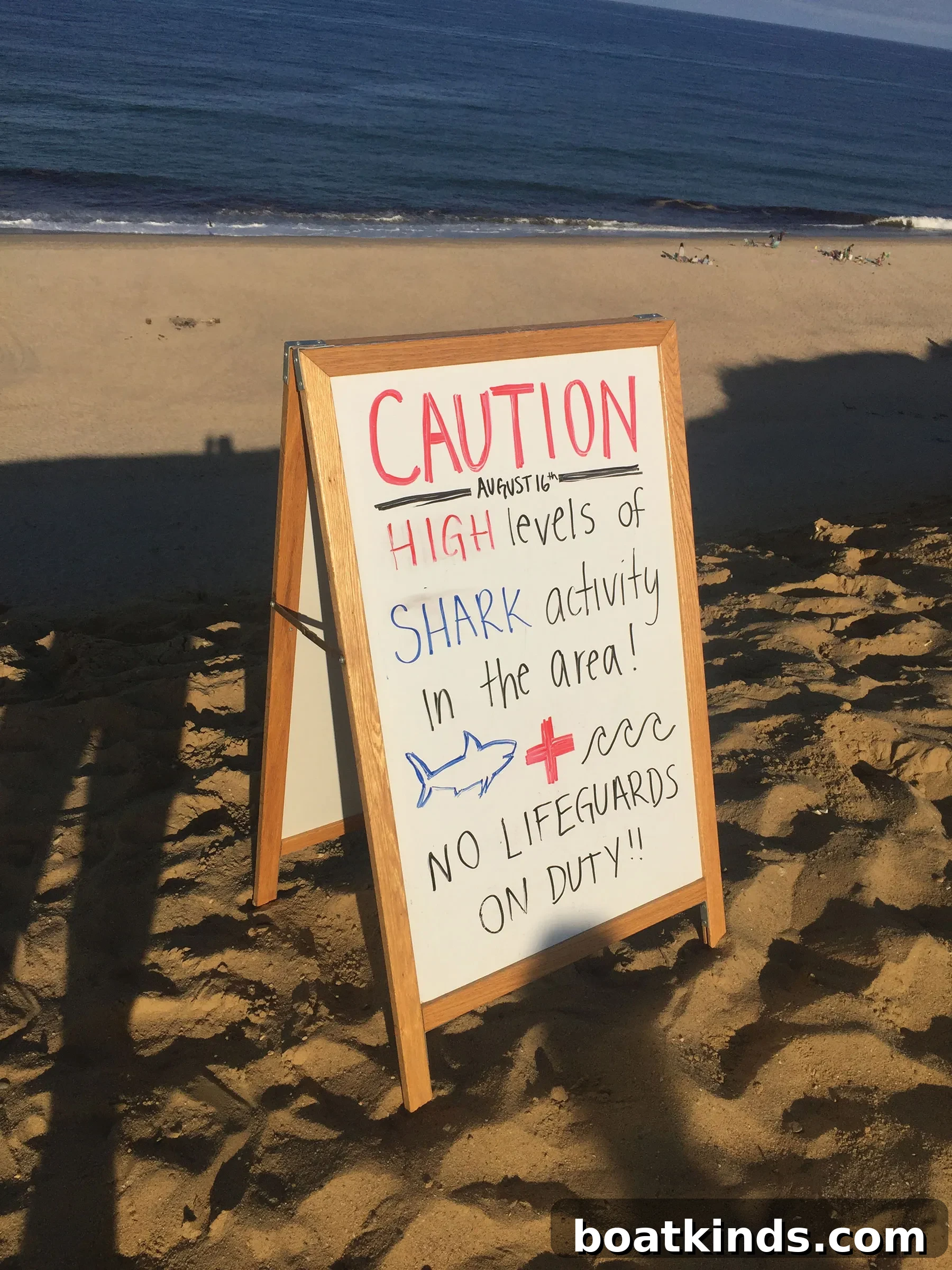
“We don’t need reports every time someone spots a shark offshore, but we do want reliable reports when sharks are close to shore,” Doyle says. “Boaters in this area already know there are a lot of sharks out there.”
Several events in recent years have elevated worry around Cape Cod: a great white attacked two kayakers in 2014, a shark bit a paddleboard in 2017, and in 2018, 26-year-old boogie boarder Arthur Medici was fatally mauled — the first fatal shark attack in Massachusetts waters since 1936. Such incidents are rare worldwide, but the cluster of encounters on the Cape pushed residents and researchers to look for better ways to monitor and reduce shark-human conflict.
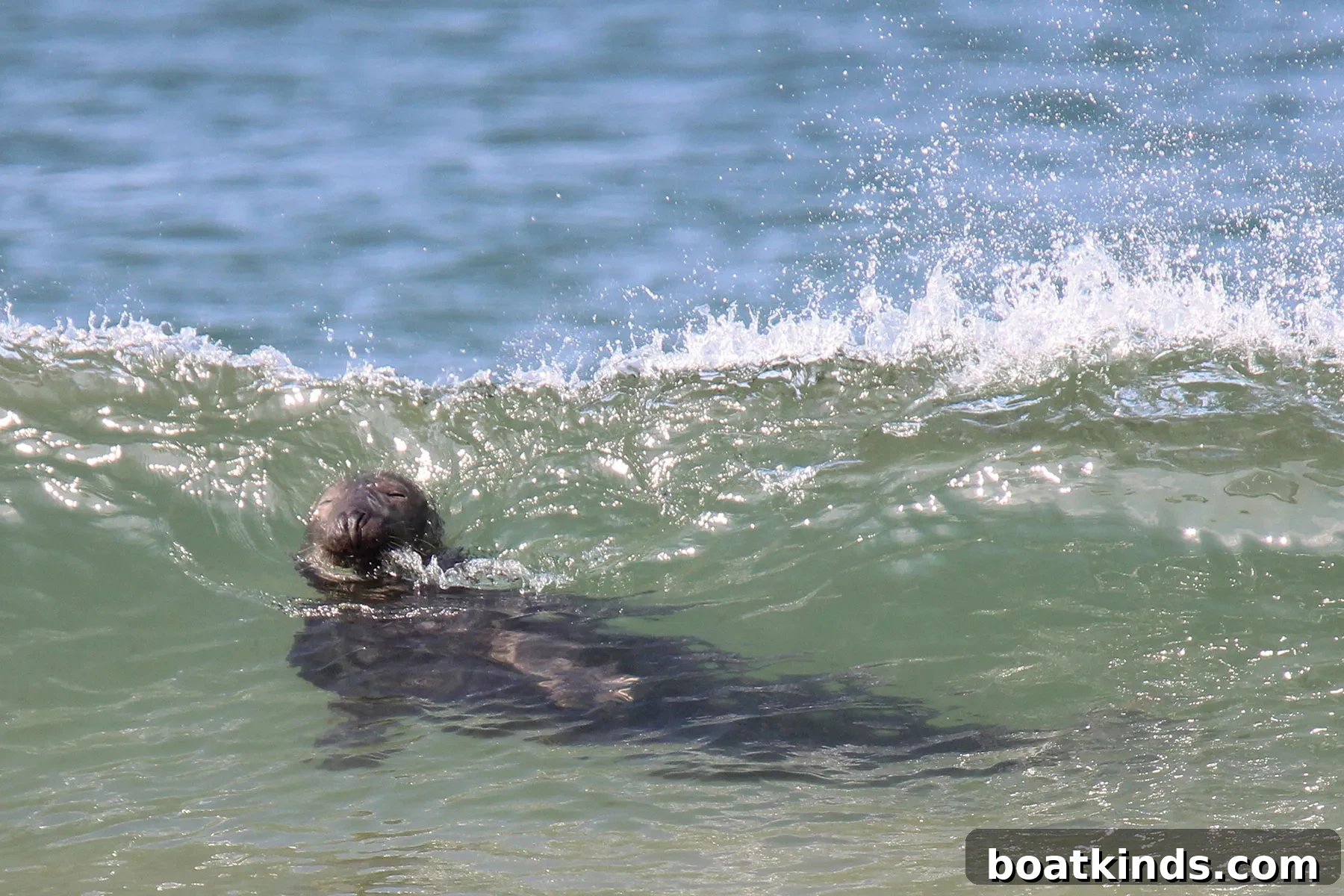
According to the International Shark Attack File, unprovoked fatal shark attacks are uncommon; for example, only 10 occurred globally in 2020. Still, 2020 stood out as an unusually deadly year compared with the long-term annual average. Locally, the Massachusetts Division of Marine Fisheries points to growing gray seal populations — and the resulting attraction for great white sharks — as a contributing factor, noting that both seals and shark numbers have increased since hunting and fishing limits were enacted.
The summer months — especially June through August — are peak season for sharks along Cape Cod and down parts of the East Coast. That coincides with the busiest time for boaters, surfers and swimmers, creating recurring opportunities for interaction between people and sharks. Researchers have been studying how many sharks visit Massachusetts waters since at least 2009, when tagging and tracking efforts began. A more focused study launched in 2014 to estimate seasonal abundance, and since 2019 research has placed greater emphasis on public safety and understanding predatory behavior close to shore. The Atlantic White Shark Conservancy has supported much of that research, which is expected to continue through 2024.
While scientists collect and analyze data, local groups are taking practical steps to increase safety. Doyle, who became a permanent Cape Cod resident in 2018 after years of summer visits, says the spate of incidents motivated her and neighbors to act. A personal connection sharpened the urgency: the year before the Medici tragedy, Doyle’s friend Cleve Bigelow, a surfer, survived an encounter with an 11-foot shark. “People were standing on their porches and in the streets asking, ‘What’s happening here? Somebody should do something,’” she recalls.
With that community concern in mind, Cape Cod Ocean Community formed to evaluate surveillance, detection and deterrent technologies that could improve beach and nearshore safety. This summer — assuming pandemic-related supply-chain delays ease — the organization plans to trial a “virtual shark net” made with Boat01 Buoy devices. Produced by Australia-based Ocean Guardian, each buoy creates an electrical field roughly 26 feet deep and 19 feet wide, designed to deter sharks without harming marine life.
Although the Boat01 Buoy is typically mounted off the stern of a boat, Doyle’s group intends to deploy multiple units from shore and link them together to form a larger protective zone. During the tests they will use airborne spotters and drones to verify whether sharks penetrate the electronic field.
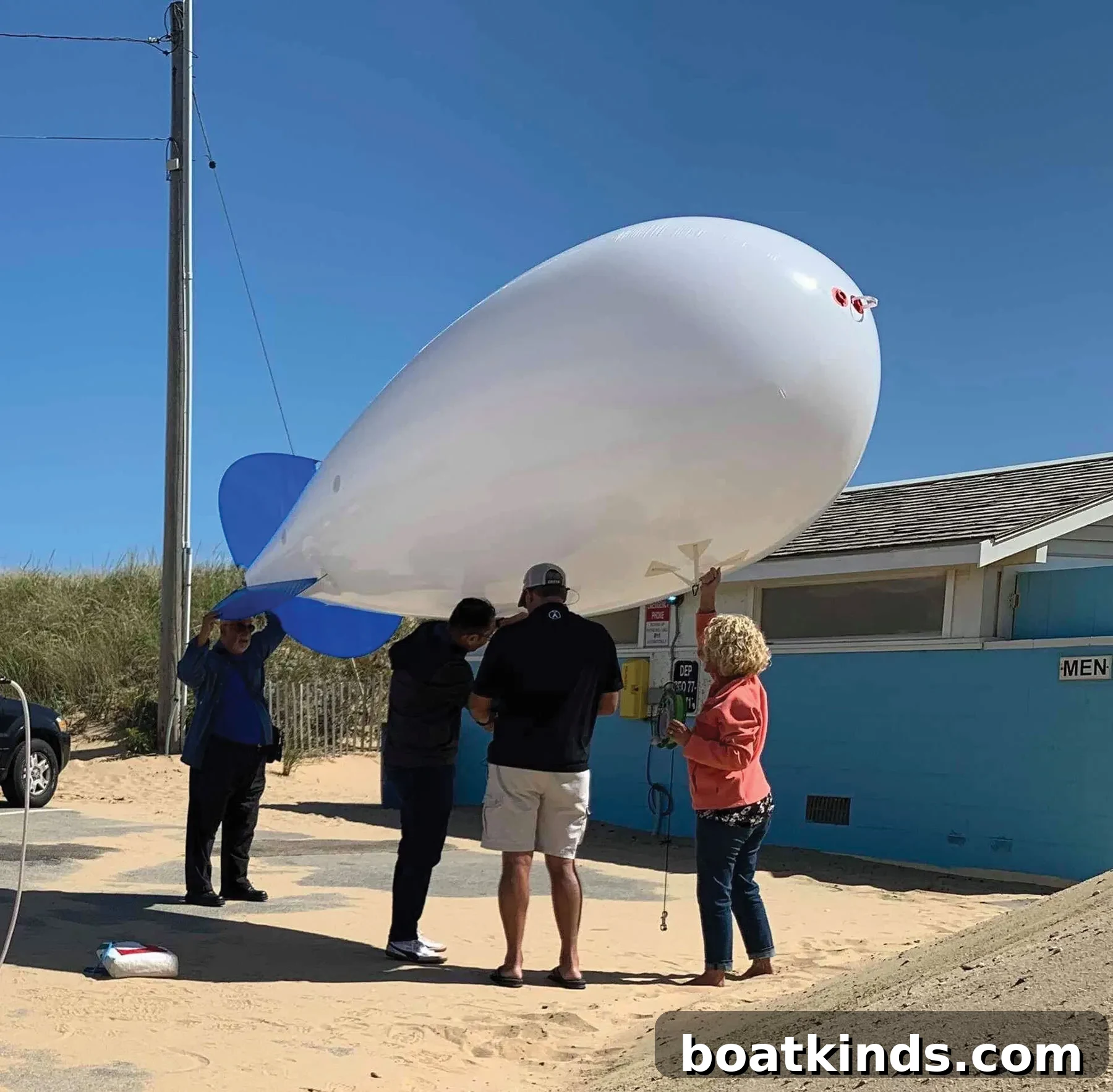
The volunteers who fly as airborne spotters helped inspire the next phase of Doyle’s outreach: recruiting recreational boaters and anglers as nearshore observers. At a pre-pandemic fundraiser at Hog Island Beer Company in Orleans, pilots from Chatham Municipal Airport told Doyle they frequently saw sharks close to shore but didn’t have a clear way to report sightings to local authorities. That conversation grew into a volunteer pilot network spanning 53 municipal airports across Massachusetts, with pilots alerting beach volunteers via handheld airband radios when they observed sharks.
Beach volunteers who heard those radio reports would notify lifeguards and beachgoers, creating an informal but effective early-warning system. Doyle says her group purchased radios to distribute, and interest spread quickly — locals began buying their own radios, and the initiative began to scale organically.
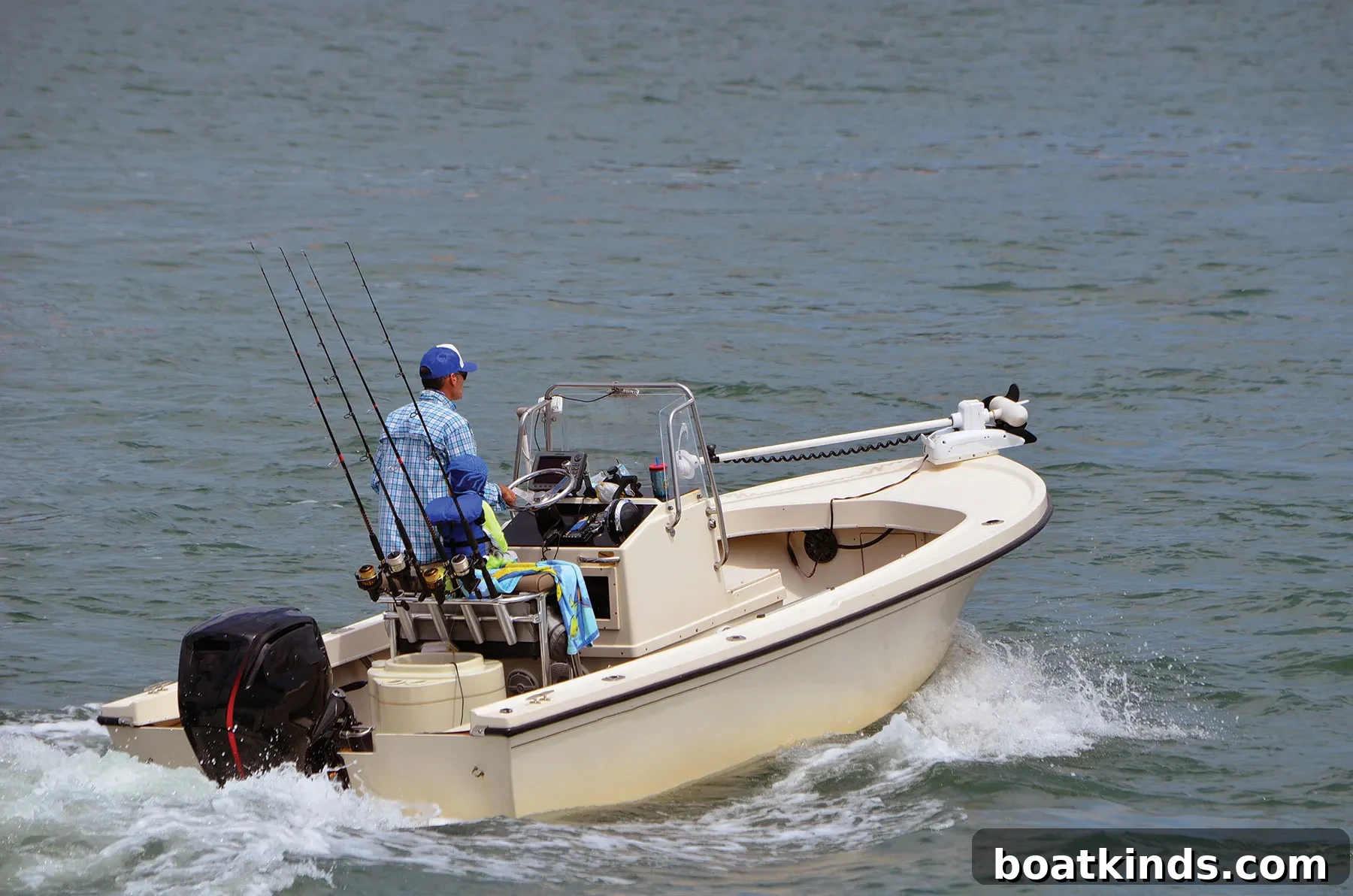
The COVID-19 pandemic slowed some of the group’s momentum in 2020, but as vaccination rates rose the nonprofit resumed its outreach. A member of the Cape Cod Ocean Community board is now developing plans to expand the airplane-spotter model to include volunteer boaters. The idea is straightforward: when a boater or angler spots a nearshore shark, they report it over onboard radio just as someone would call 911 for a medical emergency. Those routine sightings, shared quickly and reliably, would help lifeguards, officials and beachgoers make better decisions about water safety.
Doyle envisions a future where calling in a shark sighting is a normalized, community-driven safety practice — a simple, proactive step boaters and anglers can take to protect themselves and others. “We want this to become standard behavior,” she says. “It’s about building a community response so people feel safer and better informed when they go on the water.”
This article was originally published in the July 2021 issue.