
What We’re Watching
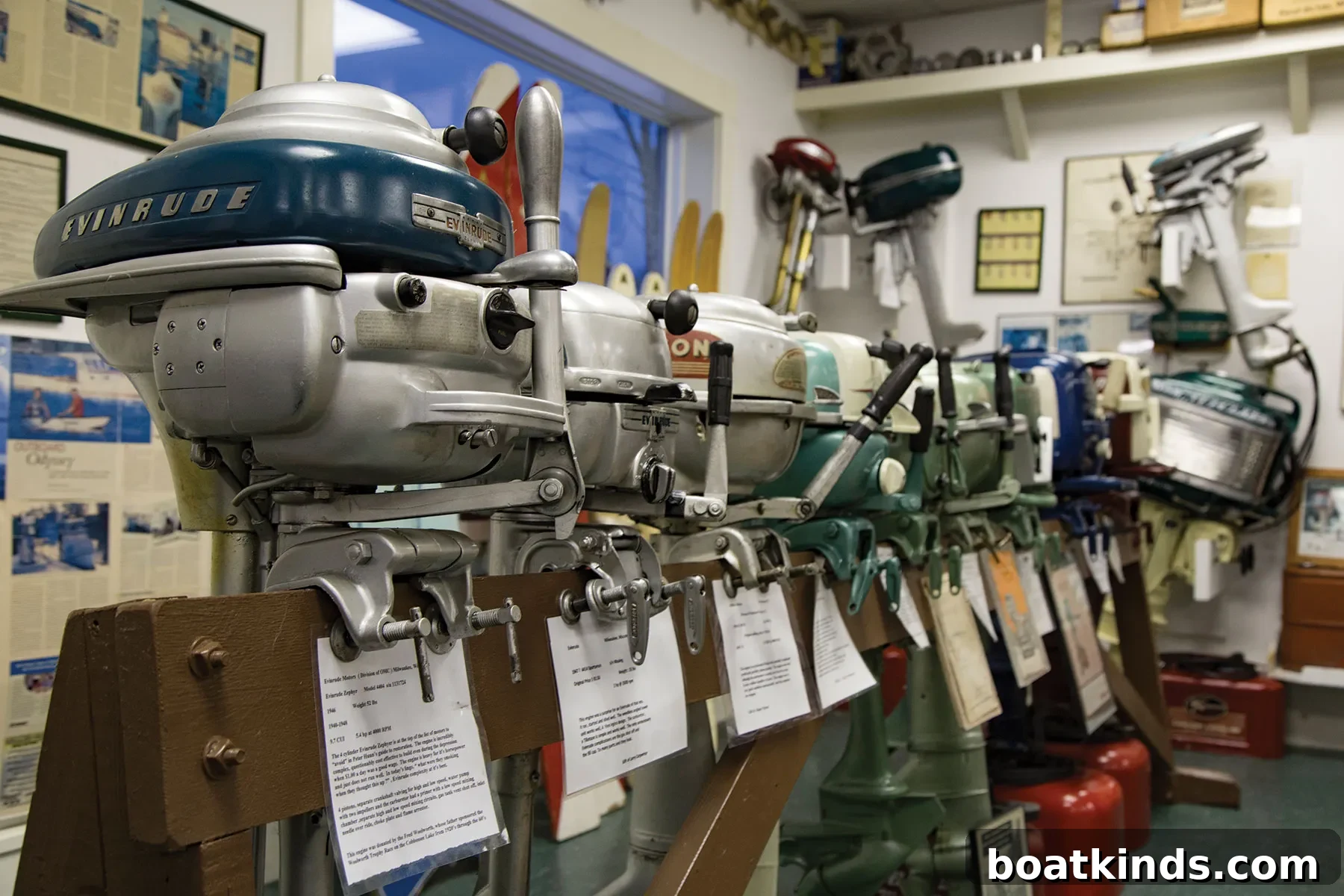
VINTAGE MOTORS
The Pine Tree Chapter of the Antique Outboard Club of America brings together a lively group of collectors, restorers and tinkerers—mostly from Maine—who share a passion for antique outboard motors. Many of these engines are rare, historically significant and in some cases more than a century old. Members collect, restore and run these classic motors at local meetups and shows, preserving mechanical heritage and the hands-on skills required to keep them running.
The group’s YouTube channel, PineTree Boating Club, offers practical how-to content and event coverage geared to vintage outboard enthusiasts. Videos range from step-by-step restoration demonstrations to troubleshooting common problems, sourcing vintage parts, and demonstrating maintenance techniques for carburetors, ignition systems and lubrication. The channel aims to serve everyone from curious beginners and weekend DIYers to experienced restorers, with clear, visual explanations of the tools and techniques needed to return a clunky antique motor to working order or to preserve it as a showpiece.
Watching these restorations highlights not only mechanical skill but also the broader culture of antique outboard collecting—stories of rare finds, tips on preservation, and the camaraderie of club meetups and vintage motor runs. For anyone interested in classic marine engines, wooden-boat culture or mechanical restoration, the Pine Tree Chapter’s content is a valuable resource that blends history, technical instruction and community-driven enthusiasm.
More salty reads
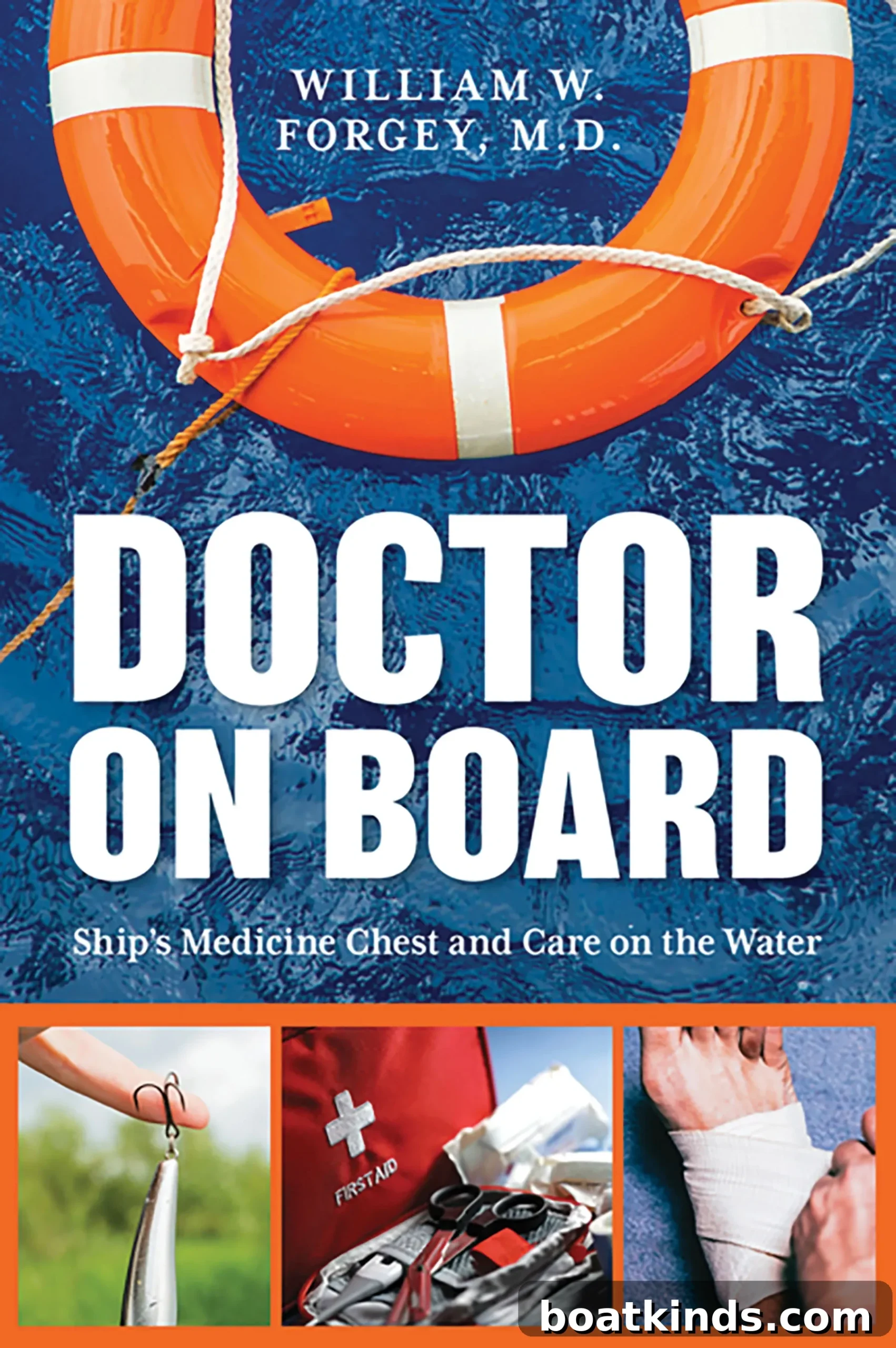
FIRST AID
Boating is enjoyable and often safe, but situations arise when a crewmember needs anything from basic first aid to urgent medical intervention. Good seamanship includes being prepared to recognize and respond to injuries and medical emergencies on the water. Doctor On Board: Ship’s Medicine Chest and Care on the Water by Dr. William W. Forgey—a clinical professor of family medicine—serves as a practical guide for boaters of all experience levels.
This book covers common conditions you may encounter at sea, such as seasickness, minor cuts and scrapes, sprains and fractures, along with more serious events like head trauma, respiratory distress and cardiac emergencies. It provides guidance on how to stock an effective medical kit for a range of outings, from day sails to extended cruises, and explains how to triage injuries, stabilize patients and decide when professional evacuation or radio medical advice is required. The emphasis is on practical, evidence-based care that nonmedical boaters can perform safely until advanced help is available.
Whether you cruise lakes, coastal waters or offshore, having clear procedures and an appropriate first aid kit on board improves safety and confidence. This title is a useful reference for skippers, crew members and anyone responsible for safety at sea, helping readers recognize warning signs, treat common injuries and understand when to call for emergency assistance.
DEEP FAKE
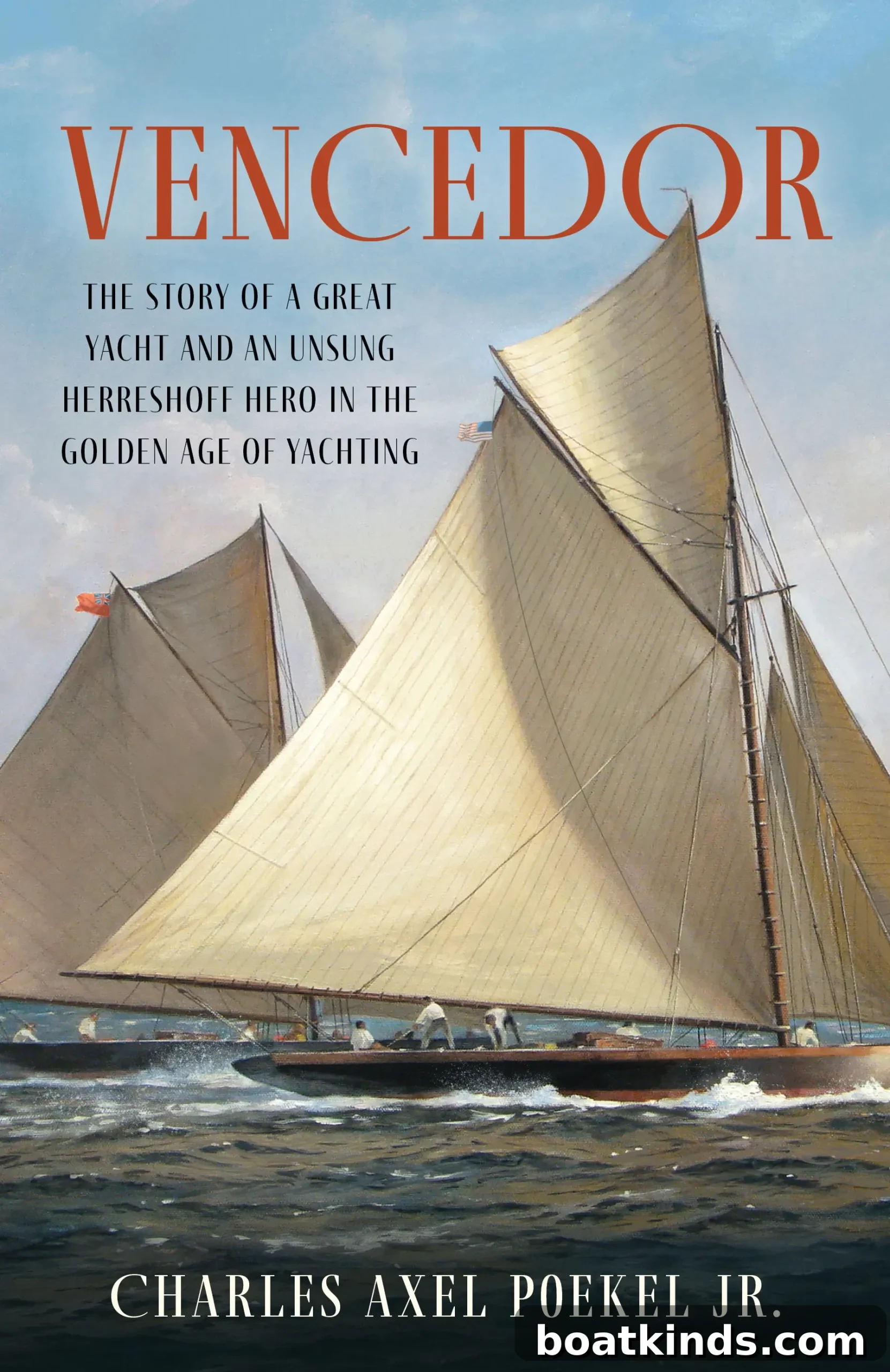
Vencedor was a celebrated 63-foot cutter built by the Racine Boat Manufacturing Company in Wisconsin and raced on the Great Lakes in international matches. The yacht’s creation has ties to two notable names in naval architecture: Thorvald S. Poekel, a naval engineer and designer who worked as lead draftsman at the Herreshoff Manufacturing Company, and the Herreshoff firm itself, which historically signed many design plans produced under its name.
Charles Axel Poekel, grandson of Thorvald S. Poekel, explores the contested authorship and legacy surrounding several turn-of-the-century racing yachts in his book, The Vencedor: The Story of a Great Yacht and of an Unsung Herreshoff Hero in the Golden Age of Yachting. The book examines archival evidence and family history to shed light on Poekel’s contributions to yachts that carried the Herreshoff imprimatur but may have been largely shaped by his hand. For readers interested in classic yacht design, maritime history and the nuances of attribution in a major boatbuilding era, this study offers a thoughtful, well-documented perspective.
WHAT WE’RE LISTENING TO
WOOD WORKS
Down at the Boat House is a new podcast produced by the Center for Wooden Boats in Seattle. It features community-led conversations focused on wooden-boat culture, covering historical subjects, contemporary preservation efforts, boatbuilding techniques and local maritime initiatives. Early episodes explore topics such as the founding and mission of the Center for Wooden Boats, the history and craft of Pacific Northwest rowboats, and community projects that expand public access to the water.
The show is designed for listeners who love wooden boats—builders, restorers, historians and anyone curious about marine heritage. Episodes include interviews with volunteers, museum staff and local boatbuilders, offering both technical detail and broader context about why wooden-boat preservation matters. Episode summaries and listening options are available through the Center for Wooden Boats’ official channels and their public listings.
These selections—video channels devoted to antique outboards, practical medical guidance for time at sea, a deep dive into yacht design history, and a community podcast about wooden boats—offer a combination of instruction, history and inspiration for boaters. Whether your interest is mechanical restoration, onboard safety, maritime scholarship or wooden-boat culture, there is fresh, accessible material to inform and entertain any sailor, restorer or waterfront enthusiast.