
What we’re reading
Remote and Remarkable
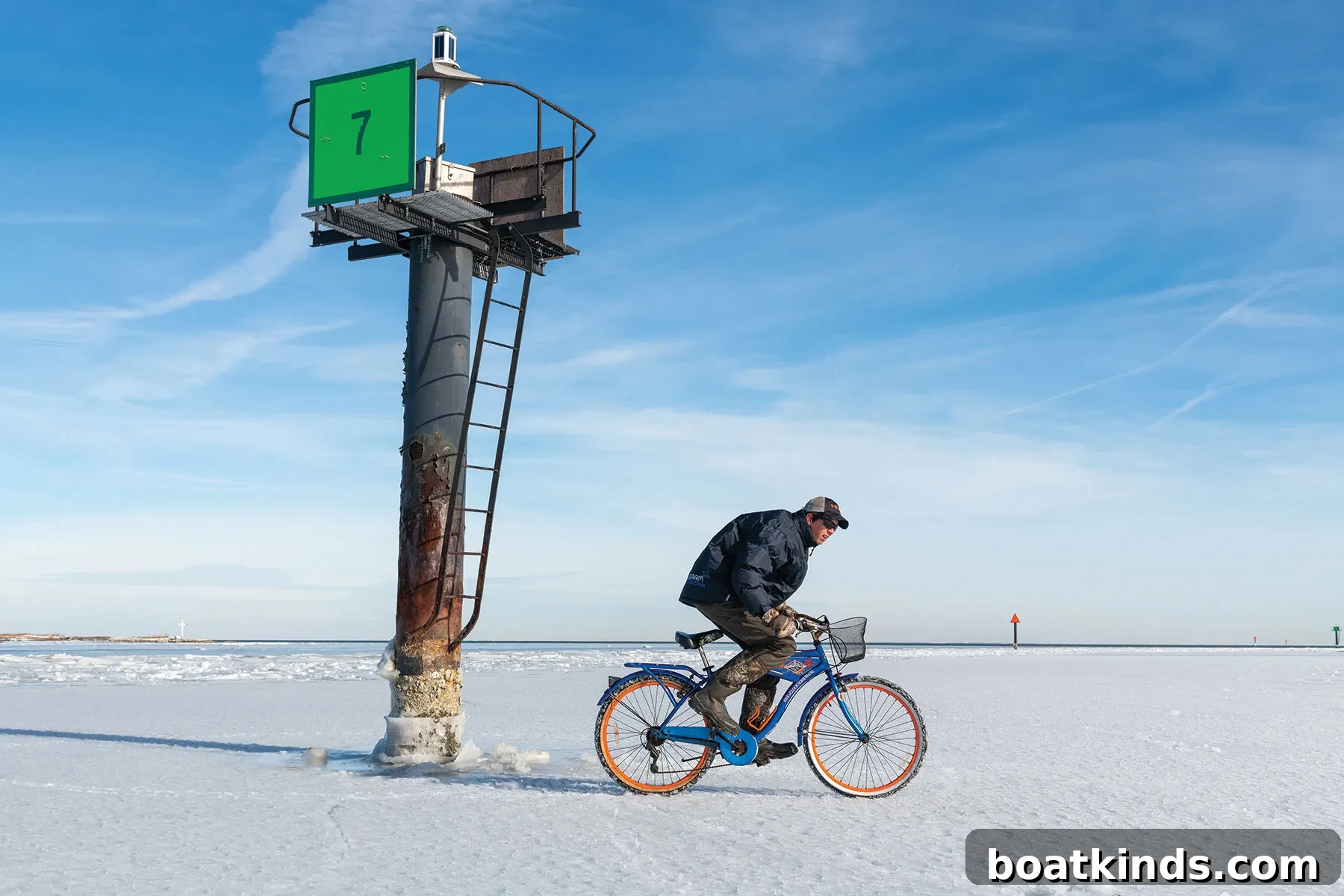
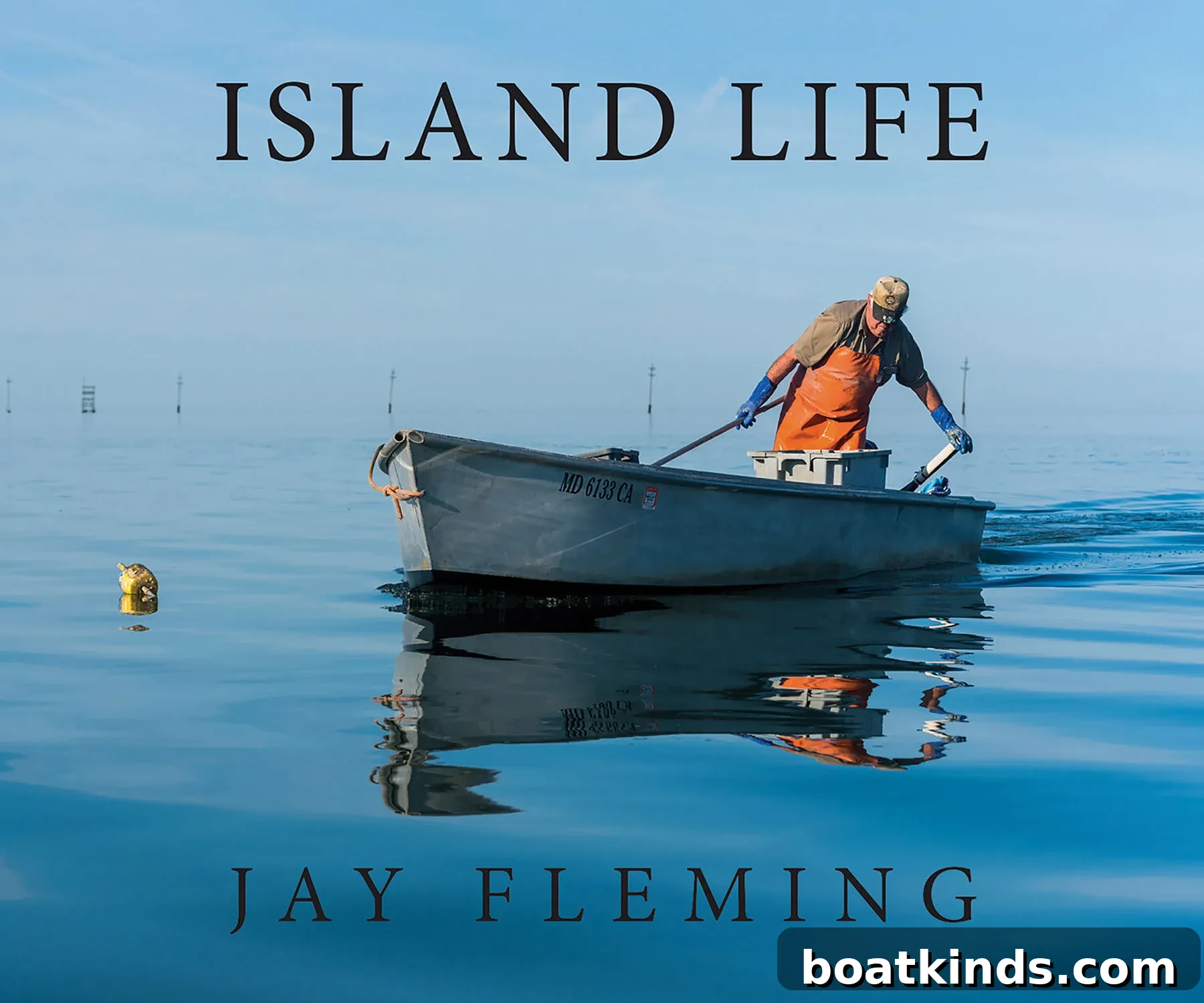
Photographer Jay Fleming has spent much of his life behind the lens, developing a body of work that is particularly associated with the Chesapeake Bay. Fleming’s images range from candid portraits of the watermen who make their living on the bay to intimate underwater shots of fish, crabs and other bay wildlife. His approach combines documentary rigor with an artist’s eye for composition and light, producing images that convey both the labor and the landscape of this unique region.
Fleming’s latest book, Island Life, turns the focus to two of the Chesapeake’s most singular communities: Smith Island and Tangier Island. Both are reachable only by boat and have cultures shaped by generations of fishing, crabbing and oystering. Fleming’s photographs capture daily routines—men and women hauling nets, repairing gear, and tending boats—as well as quieter moments that reveal the islands’ natural beauty: salt marshes, shorelines, and long views across open water. The project documents people and place with respect and clarity, offering readers a visual record of traditions and environments that face ongoing environmental and economic pressures.
The book presents the islands’ layered histories alongside contemporary life, emphasizing how work, community and landscape remain inseparable on these remote shores. Fleming’s long engagement with the bay allows him to move comfortably among his subjects, producing portraits and sequences that feel informed and authentic. For anyone interested in Chesapeake Bay photography, cultural heritage, or coastal life, Island Life provides a compelling visual narrative. (Price: $50, jayflemingphotography.com)
Sea Sick Six-Pack
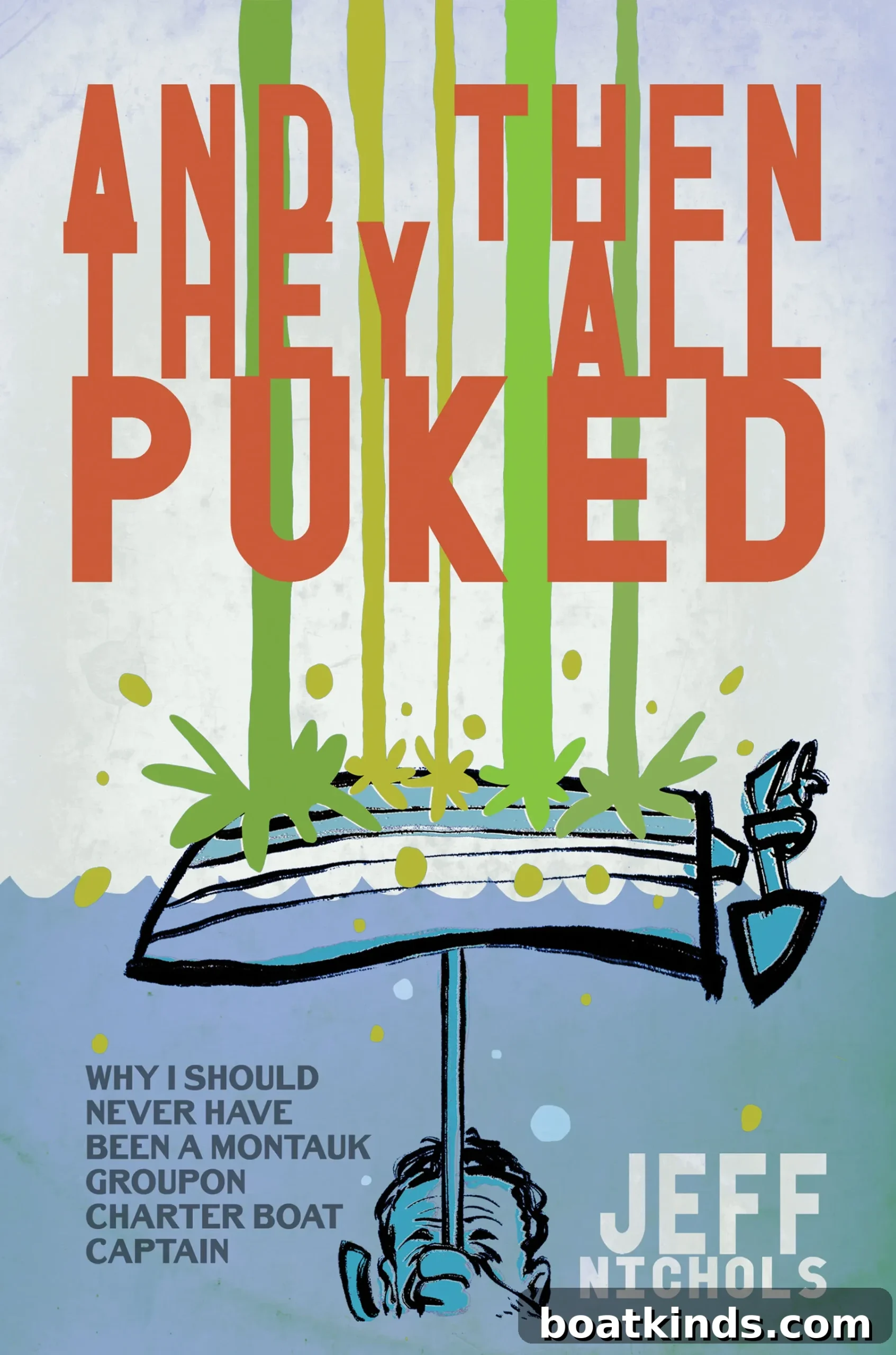
Jeff Nichols’ account of running fishing charters out of Montauk, New York, is equal parts memoir and cautionary tale. Nichols became obsessed with offshore fishing and launched a charter business to share his passion. Early on, success was measured by the simplest of outcomes: customers who paid, kept their gear, and managed not to get seasick. When business lagged, Nichols turned to promotions such as Groupon to fill seats. The deals brought paying customers, but also exposed weaknesses—both in his own preparation and in the condition of the boat he was operating.
Over several seasons Nichols experienced a string of misadventures, including multiple Mayday calls. He recounts these episodes with dark humor, but his stories also underscore a serious point: an underqualified operator or an ill-prepared vessel can pose real danger to passengers and crew. Nichols’ narrative highlights why proper training, adequate maintenance, and respect for safety regulations matter. The book uses personal anecdotes to illustrate how good intentions and enthusiasm are not substitutes for experience and preparedness.
Sea Sick Six-Pack reads as both entertainment and a practical warning for anyone thinking of running passenger outings or booking with an untested operator. Nichols’ lively voice makes the book engaging, and the lessons he draws from his mistakes are valuable for anglers, charter operators, and boating enthusiasts alike. (Price: $15, HumorOutcasts Press)
What we’re listening to
Down at the Boathouse
On the shores of Lake Union in Seattle stands the Center for Wooden Boats, a nonprofit dedicated to preserving maritime heritage through hands-on education and practical experience with traditional wooden watercraft. For more than 40 years the center has offered programs that connect people to the region’s boating traditions, from restoring classic vessels to teaching rowing and sailing skills. That legacy of community engagement is the inspiration behind Down at the Boathouse, a new podcast produced by the center.
Hosted by Executive Director Josh Anderson and Community Engagement Director Sandy Lam, Down at the Boathouse brings the stories of the Pacific Northwest’s docks and boatyards into an audio format. Episodes explore the center’s history, personal recollections from volunteers and visitors, and discussions of wooden boat design and maintenance. The podcast aims to capture the sound of the harbor—conversations, craftwork, and local lore—while highlighting the educational mission that keeps these maritime traditions alive.
Down at the Boathouse is available for streaming or download on major podcast platforms and will appeal to listeners who enjoy maritime history, boat restoration, and Pacific Northwest culture. The series is a useful complement to on-site visits, offering deeper context about the people and projects that keep wooden-boat skills in active use. — Gary Reich