
Feeding Fish at the NEFSC Woods Hole Science Aquarium
The Northeast Fisheries Science Center Woods Hole Science Aquarium in Massachusetts, established in 1885 and recognized as the country’s oldest public aquarium, cares for roughly 140 species of marine animals found in Northeast and Mid-Atlantic U.S. waters. Feeding time at this historic public aquarium is more than a routine—it’s a carefully planned behind-the-scenes process that supports animal health, enrichment, research and public education.
What goes into preparing food for aquarium animals
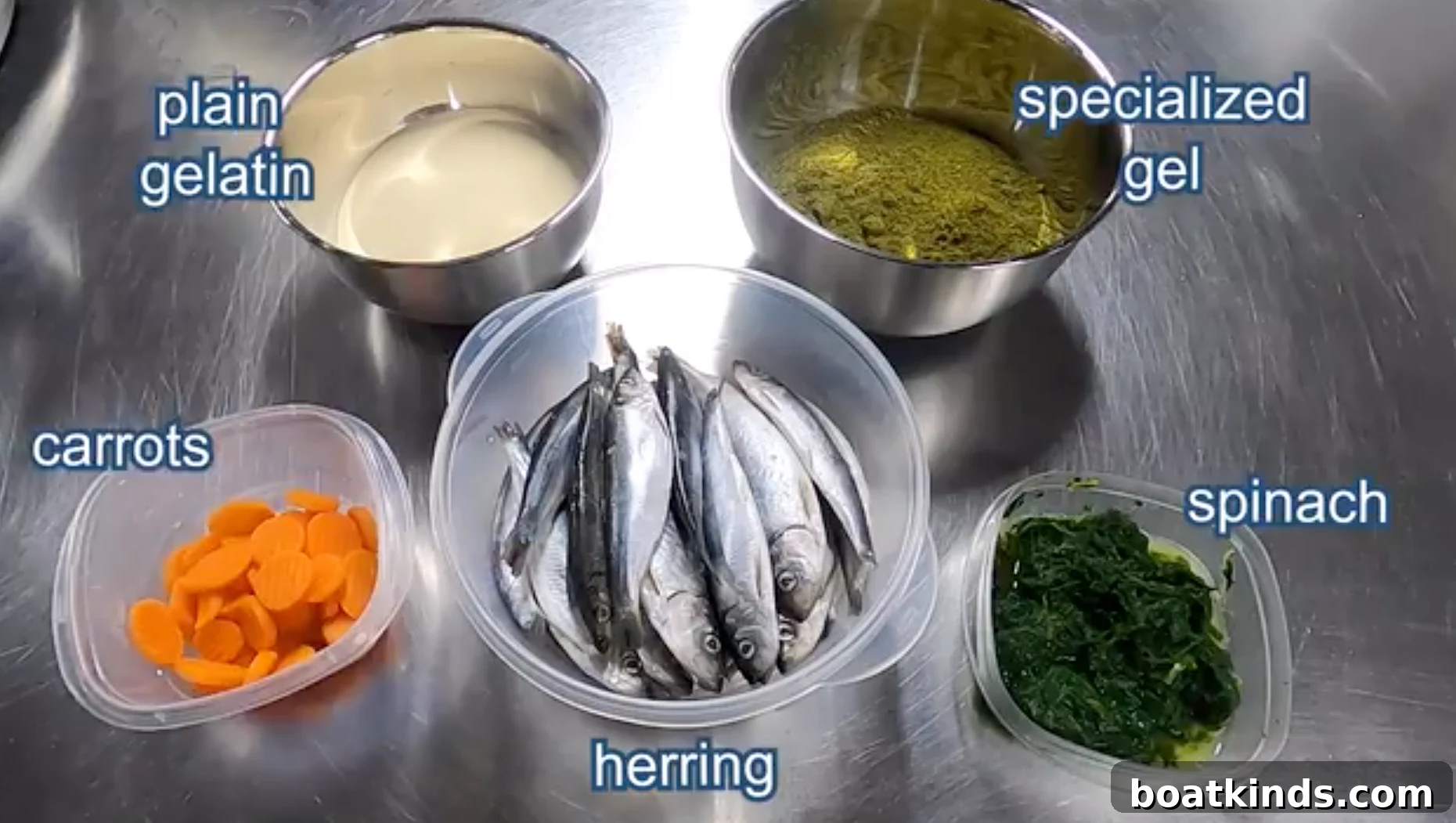
Preparing meals for aquarium residents is a deliberate, hands-on task. Diets are tailored to species needs and may include a mix of raw seafood, prepared diets, shellfish, and even plant material such as carrots for certain species. Staff and aquarists balance nutrition, texture and presentation to ensure each animal receives appropriate calories, vitamins and mental stimulation. The preparation area often looks like a small professional kitchen: ingredients are weighed, chopped and combined into meals that suit the feeding style of different fish, crustaceans and other marine animals.
Feeding techniques and animal behavior
Different species show very different feeding behaviors. Some animals are bold and aggressive feeders that rush forward as soon as food arrives. Others are shy or slow-moving and require careful placement of food so they can access it. Aquarists use a variety of techniques—target feeding, hand feeding, scatter feeding and timed releases—to accommodate these differences and reduce competition. The result can be surprisingly dramatic: fast-moving predatory fish strike quickly, while grazers and invertebrates methodically pick at items. Watching these behaviors provides valuable insight for staff and an engaging experience for visitors.
Why feeding is educational and entertaining
Feeding sessions are a chance to educate the public about marine life, conservation and the importance of proper diet in animal welfare. They also reveal the personalities of individual animals and the natural feeding strategies evolved in different species. When the aquarium prepares meals and shares how they do it, visitors gain an appreciation for the science and care behind exhibit displays. The gooey, hands-on nature of the food preparation—sometimes involving familiar items like carrots—makes these demonstrations both informative and memorable.
Role in research and conservation
As part of the Northeast Fisheries Science Center, the Woods Hole Science Aquarium contributes to regional fisheries research and public outreach. Feeding practices are informed by veterinary guidance and scientific knowledge, helping staff monitor animal health, growth and behavior. Recording responses to diet adjustments and feeding methods can also support broader research goals, while public demonstrations reinforce conservation messages about marine habitats and sustainable fisheries.
See the process for yourself
The aquarium has documented its food preparation and feeding routines in an informative video that showcases the step-by-step kitchen process and the lively ways different animals approach their meals. The footage highlights both practical aspects—how meals are portioned and prepared—and the entertaining moments when animals eagerly accept their food.
For anyone interested in marine life, animal care, or how a historic public aquarium operates, the feeding demonstrations at the Woods Hole Science Aquarium offer a revealing, educational and enjoyable look behind the scenes. These sessions underscore the careful work that supports animal health and the role of public aquariums in fostering understanding of marine ecosystems.