
Florida and Federal Officials Begin Supplemental Feeding for Endangered Manatees
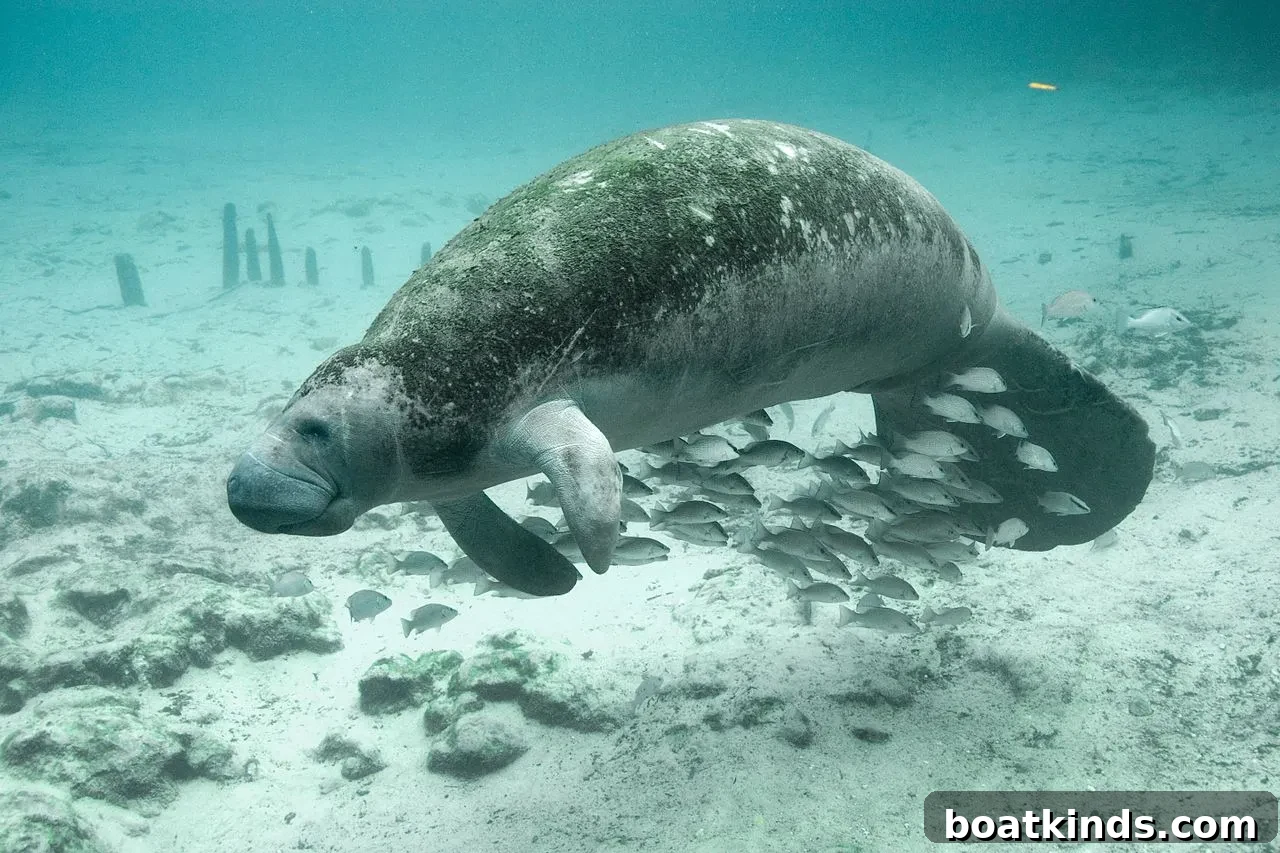
State and federal wildlife agencies in Florida have announced a controversial plan to provide food to endangered West Indian manatees (commonly called sea cows) after a spike in deaths linked to the loss of their natural forage. The decision to commence supplemental feeding follows record mortality numbers and widespread die-offs of seagrass in key wintering areas.
Cause of the Crisis: Seagrass Loss and Malnutrition
Officials and conservation groups point to malnutrition as a major driver of recent manatee deaths. Many of the affected animals winter in shallow estuaries such as the Indian River Lagoon, where dense beds of seagrass historically provided most of their diet. Over recent years, those seagrass beds have suffered dramatic declines. Algae blooms—fueled in large part by nutrient runoff from fertilizers, septic systems and other human sources—have smothered and killed seagrass, depriving manatees of their primary food supply.
Florida reported more than 1,000 manatee deaths in 2021, a record that alarmed wildlife managers and conservationists alike. State officials previously estimated the Florida manatee population at roughly 8,800 individuals as of 2016, making the recent mortality totals especially troubling for a species already classified as vulnerable or endangered at various jurisdictional levels.
What the Supplemental Feeding Plan Entails
Under the plan, wildlife officials will distribute donated and purchased vegetation—items such as lettuce, cabbage and other terrestrial greens—at selected sites to provide immediate caloric support for malnourished animals. The idea is to reduce near-term deaths while longer-term habitat restoration and nutrient management efforts proceed. The Save the Manatee Club, a nonprofit advocacy organization, urged agencies to adopt supplemental feeding and helped prompt the initiative.
Patrick Rose, executive director of the Save the Manatee Club, said, “We hope they will take it,” when asked about the manatees accepting the offered food, while acknowledging there is “no guarantee.” The effort is intended as a temporary, emergency response rather than a permanent change in management philosophy.
Risks, Concerns and Trade-offs
Feeding wild animals raises difficult trade-offs. Wildlife biologists warn that supplemental feeding can alter natural behaviors, potentially disrupting migration and foraging patterns over time. Concentrating animals at feeding sites can also increase the risk of disease transmission and may draw manatees into areas with higher boat traffic. Boat strikes are already recognized as a leading cause of injury and death for Florida manatees, so managers must weigh the benefits of providing food against the possibility of unintended consequences.
Thomas Eason, assistant executive director of the Florida Fish and Wildlife Conservation Commission, characterized the situation as exceptional and said that “this unprecedented event is worth unprecedented actions,” underscoring the sense of urgency that prompted the feeding program.
Short-Term Relief, Long-Term Solutions
Officials stress that supplemental feeding is intended to buy time for longer-term recovery actions. Restoring and protecting seagrass habitat, reducing nutrient pollution that fuels harmful algae blooms, and improving water quality in estuaries like the Indian River Lagoon are widely viewed as essential to ensuring a sustainable food source for manatees. Habitat restoration and pollution control, however, are complex, multi-year undertakings that require coordinated efforts among state agencies, local governments, property owners and other stakeholders.
In the immediate term, biologists will monitor how manatees respond to the supplemental food, track health outcomes, and adapt the program as needed to minimize risks. The agencies involved say they will continue rescue, rehabilitation and necropsy efforts to better understand the causes of death and to inform both emergency and long-range management actions.
Public Role and Ongoing Monitoring
Public awareness and cooperation can contribute to solutions: actions such as reducing fertilizer use, improving septic systems, supporting local water-quality initiatives and following posted speed limits and boating guidelines in manatee habitats can help reduce pressures on the species. Meanwhile, scientists and managers will be watching the effects of supplemental feeding closely, balancing immediate animal welfare needs against the ecological and behavioral implications of human intervention.
The decision to feed endangered manatees marks a significant and contentious shift in wildlife management tactics prompted by an acute conservation emergency. As officials proceed, they must navigate a careful path between providing lifesaving relief and safeguarding the long-term health of manatee populations and their habitats.