
Alison Langley: Celebrated Nautical Photographer and Wooden-Boat Enthusiast in Camden, Maine
If you love boats—wooden boats in particular—you’ve likely encountered the striking images and videos of nautical photographer Alison Langley. More than a photographer, Langley is a devoted boat enthusiast. She works from a 25-foot Mako chase boat but admits she can never settle on a single ideal personal vessel. She’s drawn to the Herreshoff 12 1/2 for day sails, a Grand Banks for overnights, and a Holland lobsterboat for its elegant handling. Always searching for boats, she jokes that when she really dives in, she’ll get into bed with her laptop and surf Craigslist. Her longstanding passion earned her the 2021 Rebecca Chase Herreshoff Award from the Herreshoff Marine Museum—affectionately known as The Becky—which honors people who demonstrate an exceptional love of boats and time afloat. Soundings spoke with Langley, now 60, who has lived in Camden, Maine, since 2002.
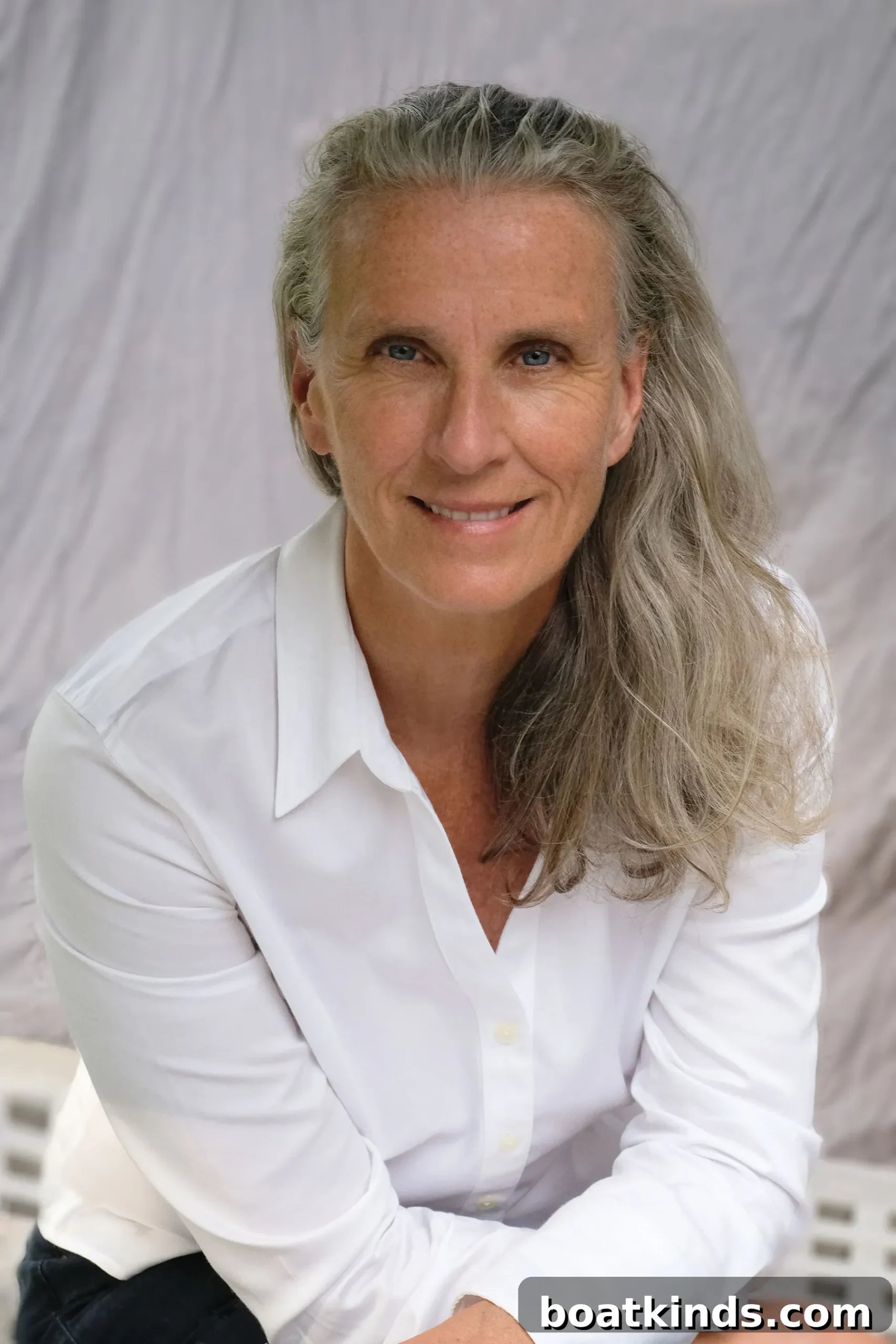
Where did you grow up? My parents are British and my early years moved between Montreal and England before the family immigrated to the United States. My father was recruited to Florida during the space race and, eventually, we settled in Concord, Massachusetts, where I attended most of my school years. That international upbringing shaped my curiosity about places and the world beyond.
How did you get into photography? Photography was in the family—my father had worked for the BBC as an intern before becoming an electronic engineer, and he introduced my sisters and me to cameras early. I started with a Kodak, moved on to a Yashica twin-lens reflex, and spent considerable time in the darkroom in high school. I imagined working for National Geographic and traveling the globe, and that dream set me on a visual path.
How did you learn filmmaking? I studied filmmaking and photography at NYU and later focused on photography at the Rhode Island School of Design. While at RISD I traveled to Australia and worked in film animation. When digital cameras began offering video, I took an editing course at Maine Media to expand into motion work for clients, blending stills and film into a cohesive practice.
How did you get into boating? In Sydney I learned to windsurf and sail, spending most of my time on Pittwater. My partner and I earned Yachtmaster certifications and worked aboard the 130-foot brigantine Eye of the Wind, sailing from Cairns to Fremantle. We then crewed on a Swan 651, cruising extensively around Australia, New Zealand, the Pacific islands and ultimately across Asia into the Indian Ocean—six years of continuous cruising that deeply rooted my love for life at sea.
How did nautical photography become your career? While cruising I wrote and sold stories to sailing magazines to get my images published. Back in the U.S., I worked in Providence and connected with established nautical photographers. I joined Onne van der Wal’s stock agency, helping it grow and eventually becoming a partner. When the agency’s space constraints and the digital shift prompted a sale, I chose to go freelance and devote myself to nautical photography full-time.
Why move to Maine? After photographing the Eggemoggin Reach Regatta in the early 1990s, I knew Maine was where I wanted to be. The variety of boats and the passionate small-boat sailors appealed to me. Maine is a mecca for wooden boats and Penobscot Bay offers some of the best cruising grounds. It’s also a wonderful place to raise a family, which factored into my move to Camden in 2002.
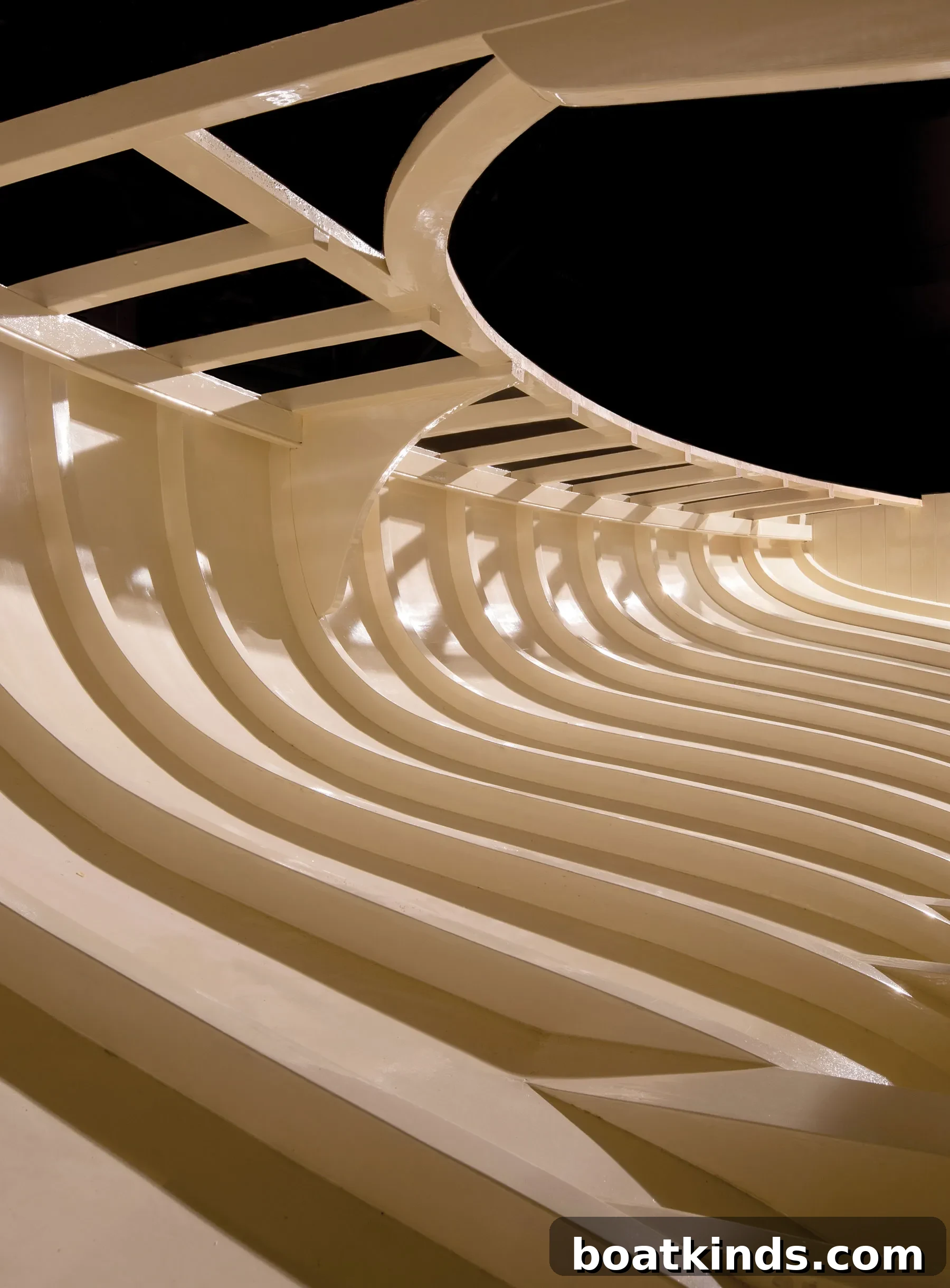
How did you develop a specialty in wooden boats? My first restoration project on film was an Alden Schooner, Lions Whelp. I became fascinated by the graceful lines and the architecture revealed during restoration. I frequently visited boatyards up the coast and eventually relocated closer to my subjects. Documenting an Alden motorsailer at Rockport Marine for three years—producing a personal book for the owners—led me to experiment with staged, nighttime yard photography. Those controlled-lighting images became a signature style and opened doors to other restorations, including Bequia at Brooklin Boatyard, Anna at Lyman Morse, and the NY40 Marilee at French & Webb.
While documenting Marilee’s restoration, I produced a 40-minute documentary and a coffeetable book to help tell a broader Herreshoff story for the Hart Nautical Museum’s digital initiative. That project combined my interests in historical research, storytelling, and visual craft.
Who hires you? My clients include designers, builders, boatowners, and yacht clubs. I also produce fine art work and sell limited-edition prints. One of my black-and-white photographs of Shamrock V, taken from the stern in 1992, became a widely sold poster and remains a recognizable image.
What projects excite you now? I’m following Whirlwind II, a Gil Smith catboat being built at Artisan Boatworks in Rockport, inspired by Smith’s Miriam. With the hull completed, the next phases—rudder, tiller, mast and sails—will allow me to capture her under sail. I’m also developing short videos and profiles of One Design classes—classic Canadian, British and American designs commissioned by various clubs.
What motivates you creatively? Exhibiting more of my work and focusing on fine art photography energizes me. A recent pop-up show with marine artist Russ Kramer at the Herreshoff Museum’s Jubilee Gala sparked new momentum and the desire to create more gallery-ready work.
What does a great non-photography day look like? Time with my family is precious—my twins are now 17—so any day spent with them is invaluable.
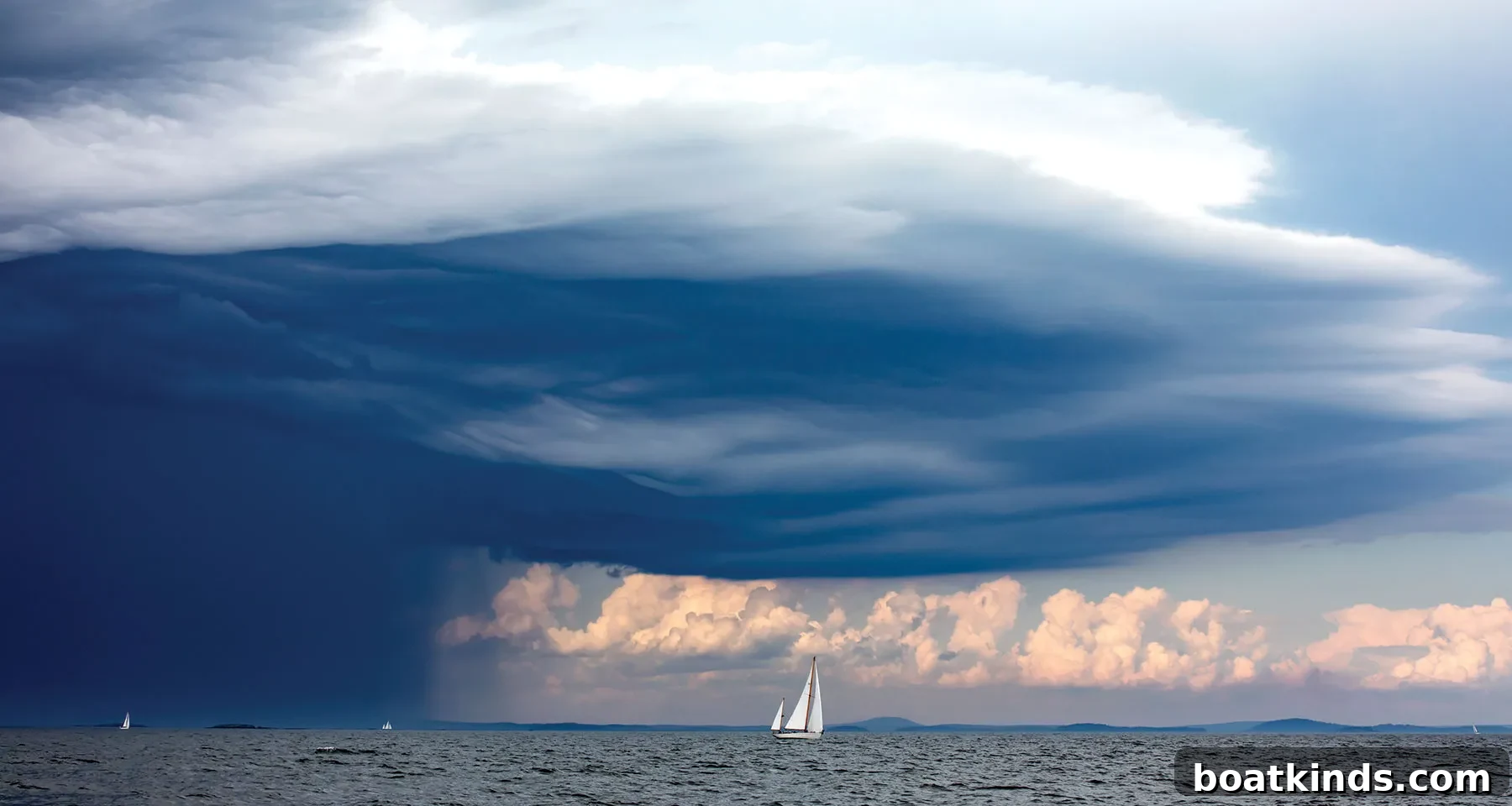
And a great day as a photographer? The unexpected thrills me. I chase heavy weather, dramatic light, and rough seas—stormy skies, gusty winds, fog at dawn or dusk. Those conditions reveal the drama and character of boats in ways calm weather rarely does.
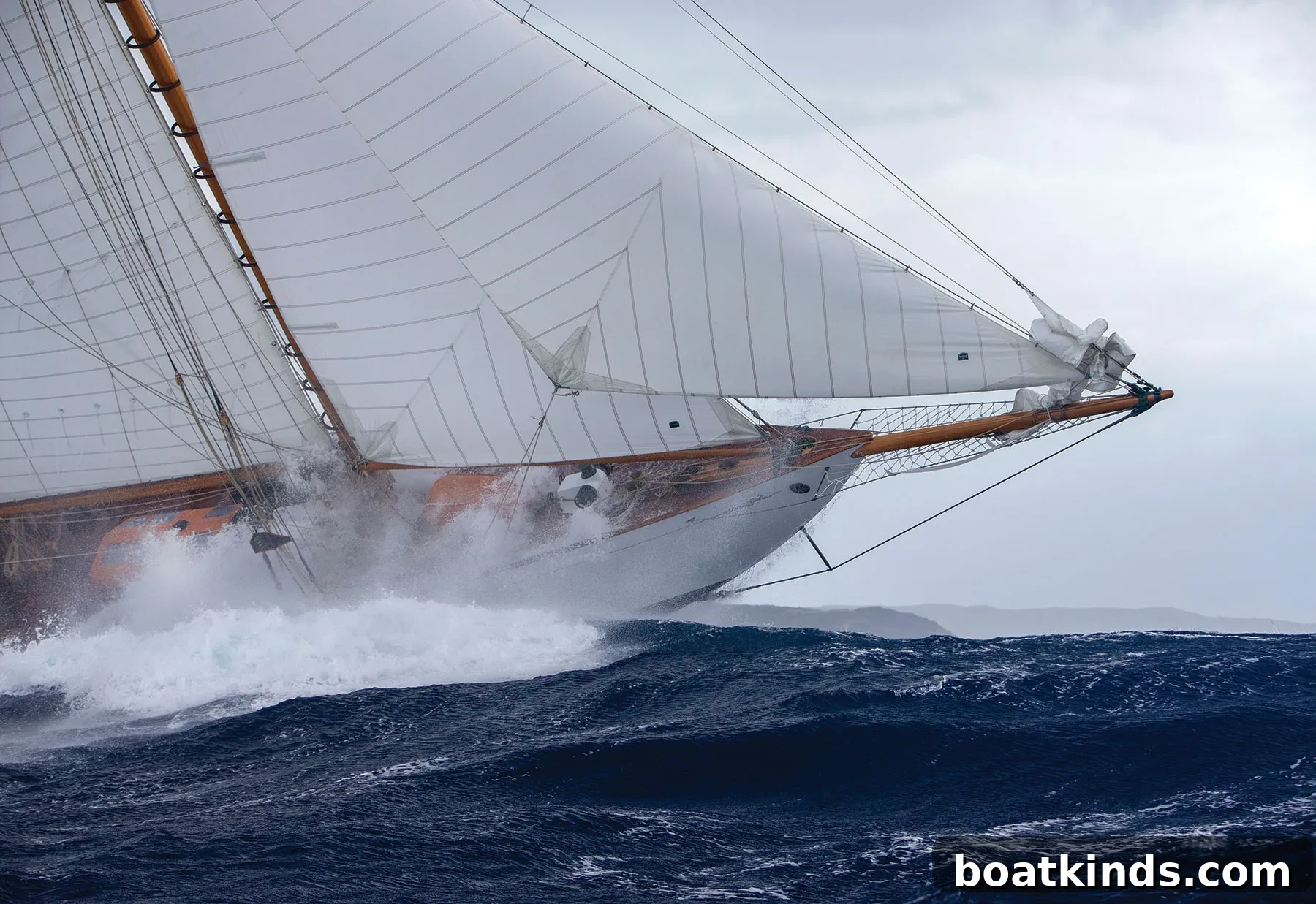
What makes a great chase boat and driver? A chase boat needs power, speed, and space to move freely, yet it must remain nonthreatening when closing on a yacht. I’ve used everything from workboats to sailboats as chasers. A skilled chase boat driver must be fearless and precise—able to get close without compromising safety—because positioning is everything for a compelling shot. Lobsterpots and slippery decks add to the challenge, which is why a reliable driver is invaluable.
Which photographers inspire you? Early on Henri Cartier-Bresson’s work influenced me. Among nautical photographers, Carlo Borlenghi’s images are remarkable, and I admire Christian Fevrier’s work as well.
Is there a favorite boat you never tire of photographing? I’m partial to many Nat Herreshoff designs and the work of William Fife III. Lately, I’ve grown fond of catboats inspired by Gil Smith’s designs—their lines and proportions are endlessly appealing.
Why research boats so thoroughly? A boat may be an inanimate object, but it carries history. If I’m presenting a subject to the public, I owe it to viewers to research deeply. Understanding a vessel’s story informs my photography and makes the final work more meaningful.
This article was originally published in the January 2022 issue.